

Motmot

モモイロペリカン 対 ハイイロペリカン

Pelecanus onocrotalus 対 Pelecanus crispus

モモイロペリカンとハイイロペリカンのクイズ
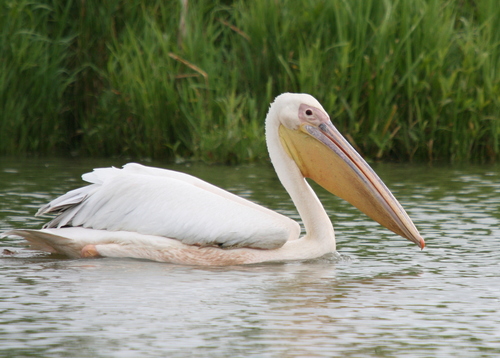
モモイロペリカン (Pelecanus onocrotalus) モモイロペリカン
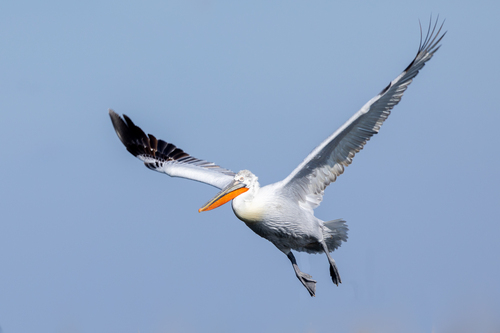
ハイイロペリカン (Pelecanus crispus) ハイイロペリカン

メディア

読み込み中…

要点

グレートホワイトペリカンとハイイロペリカンを区別する最も信頼できるフィールドマークは頭部とうなじです:ハイイロペリカンは常にうなじと頭の後ろにボサボサのカールした冠羽を示し、乱れた外見を与えますが、グレートホワイトペリカンはより滑らかで目立たない冠羽を持っています。飛行中、両者は巨大で淡いペリカンで、黒い初列風切羽を持っていますが、ハイイロペリカンは全体的に灰色がかっており、暗い灰色の脚を持ち、グレートホワイトペリカンはより清潔な白で、ピンクがかったまたは黄色がかった脚を持っています。くちばしの色とポーチも重要です:ハイイロペリカンのポーチは繁殖期に鮮やかなオレンジ赤色になりますが、グレートホワイトペリカンのポーチはより黄色がかったまたはピンクがかった色です。幼鳥の羽毛は両者ともに鈍いですが、ハイイロペリカンの幼鳥は全体的に灰色がかっており、コントラストが少ないです。サイズの重複はかなりありますが、ハイイロペリカンは平均してわずかに大きく、特にオスはよりがっしりとしています。

識別のコツ

  1. Nape Crest: ハイイロペリカン always shows a shaggy, curly crest on the nape and back of the head, giving a scruffy, unkempt look. モモイロペリカン has a much smoother head and nape, with only a short, less obvious crest. This is the single most reliable mark at all ages and seasons.
  2. Leg Color: ハイイロペリカン has dark grey legs, easily seen when perched or standing. モモイロペリカン has yellowish to pinkish legs. This is diagnostic in good light.
  3. Bill and Pouch Color (Breeding Season): Dalmatian's pouch turns vivid orange-red in breeding season, while Great White's is more yellowish or pinkish, with a bluish-grey bill and red tip. Outside breeding, Dalmatian's pouch is yellowish or greyish, but the upper mandible remains greyish with an orange tip.
  4. Overall Plumage Tone: ハイイロペリカン is silvery-white to greyish, often looking dingier or creamy, especially in winter. モモイロペリカン is clean white with a faint pink tinge, especially on the neck and breast in breeding plumage.
  5. Juvenile Plumage: Juvenile Dalmatian Pelicans are overall greyer and duller, with less contrast between upperparts and underparts, and a less obvious crest. Juvenile Great White Pelicans have brownish underparts, palest at the rump and belly center, and a dark bar over the lesser underwing coverts, but still look paler and cleaner than Dalmatian.
  6. Upperwing Pattern (All Ages): In flight, both show black primaries contrasting with pale upperwings, but モモイロペリカン has bright white upperwing coverts and tertials, creating a sharper contrast with the black flight feathers. Dalmatian's wings are more uniformly pale greyish-white with black tips, lacking the crisp white/black contrast.
  7. Size and Structure: Dalmatian is on average slightly larger and bulkier, with a longer, heavier bill (37–45 cm vs. Great White's 28.9–47.1 cm). However, size overlap is considerable and not reliable on lone birds.
  8. Neck and Head Shape: Dalmatian often appears longer-necked and bulkier, especially when perched. モモイロペリカン's neck is thick but the head profile is smoother and less scruffy.
  9. Flight Jizz: Both fly with slow, powerful wingbeats and necks pulled back, but Dalmatian may appear slightly heavier and broader-winged, especially in synchronized flocks.
  10. Leg Color in Flight: When seen from below, Dalmatian's dark grey legs may be visible against the pale belly, while Great White's legs are paler and less contrasting.
  11. Facial Skin Color (Breeding Season): In breeding season, モモイロペリカン females have brighter orange facial skin, while males have pinkish skin. Dalmatian's facial skin is less colorful, with the pouch providing the main color.
  12. Habitat and Range: Both species overlap in range and habitat, so this is not a reliable mark, but Dalmatian may be more tied to large freshwater lakes and rivers.
  13. Behavior at Nest: ハイイロペリカン forages close to the nest (within 1 km) during breeding, while モモイロペリカン may travel much farther for food. This is only useful in breeding colonies.
  14. Vocalizations: Dalmatian may grunt or hiss at the nest, but both species are generally quiet; voice is not a reliable field mark.
  15. Pitfalls: Immature birds of both species can be confusing, especially in poor light or at distance. Focus on nape crest, leg color, and overall plumage tone for best separation.

大きさ

両種は最大の飛ぶ鳥の中に含まれますが、ハイイロペリカンは一般的に最大のペリカンです。グレートホワイトペリカンは体重が約9520 gで、オスは最大15 kgに達し、雌ははるかに小さいです。ハイイロペリカンは平均約9.5 kgですが、くちばしはわずかに長く(37–45 cm対グレートホワイトの28.9–47.1 cm)、翼幅は通常2.7–3.2 mで、グレートホワイトの2.26–3.6 mと重なります。フィールドでは、サイズだけでは重複と性差によるため信頼できませんが、ハイイロペリカンは特に止まっているときにがっしりとして長い首に見えることが多いです。

羽色

幼鳥と未熟な鳥:ハイイロペリカンの幼鳥は全体的に灰色がかって鈍く、上面と下面のコントラストが少なく、目立たない冠羽を持っています。グレートホワイトペリカンの幼鳥は茶色がかった下面を持ち、尻と腹の中心が最も淡く、少ない下翼カバーの上に暗いバーがありますが、それでもハイイロペリカンよりも淡く清潔に見えます。飛行中、両者は淡い上翼と対照的な黒い初列風切羽を示しますが、グレートホワイトの上翼カバーと三次羽は明るい白で、黒い飛行羽とのコントラストを強めています。一方、ハイイロペリカンの翼はより均一に淡い灰色がかった白で、黒い先端を持っています。成鳥:ハイイロペリカンは銀白色から灰色がかっており、特に冬にはしばしば汚れたまたはクリーミーに見え、ボサボサのカールしたうなじの冠羽を持っています。グレートホワイトペリカンは主に白で、かすかなピンクの色合いと黄色がかった前首の基部を持ち、頭のプロファイルははるかに滑らかです。くちばしとポーチの色は異なります:ハイイロペリカンのポーチは繁殖期に鮮やかなオレンジ赤色ですが、その他は黄色がかった灰色です;グレートホワイトのポーチは青灰色で赤い先端を持ち、繁殖期にはピンクがかった色合いの黄色い喉のポーチを持っています。脚の色は診断的です:ハイイロペリカンは暗い灰色の脚を持ち、グレートホワイトは黄色がかったピンクオレンジの脚を持っています。

行動

両種はゆっくりとした力強い羽ばたきで飛び、首を引き戻して「S」字型になります。ハイイロペリカンは同期した群れの飛行と特に水からの活発な離陸で知られており、強い押しと重い羽ばたきが必要です。グレートホワイトペリカンも群れで飛びますが、わずかに調和が取れていないように見えることがあります。ハイイロペリカンは繁殖中に巣の近くで採餌する傾向があります(1 km以内)が、グレートホワイトペリカンは食べ物のために数十キロメートル移動することがあります。両者は一般的に静かですが、ハイイロペリカンは巣でうめき声やシューという音を出すことがあります。

生息環境

両種は東南ヨーロッパ、アジア、アフリカの湿地、浅い湖、湿地で繁殖し、採餌します。生息地には重要な重複があるため、文脈は信頼できる診断ではありません。しかし、ハイイロペリカンは淡水湖や川により結びついている可能性があり、グレートホワイトペリカンはより広範囲の浅い湿地生息地で見られることがあります。

声

両種はほとんど静かですが、ハイイロペリカンは巣で深い、喉の奥からのうめき声、シューという音、または吠える音を出すことがあります、特に繁殖期に。グレートホワイトペリカンも一般的に静かであり、声は分離のための信頼できるフィールドマークではありません。

より良い説明を送る

比較と同じ項目を使ってください。文章はすぐに公開されます。

The most reliable field mark to separate Great White Pelican from Dalmatian Pelican is the head and nape: Dalmatian Pelican always shows a shaggy, curly crest on the nape and back of the head, giving a scruffy look, while Great White Pelican has a smoother, less pronounced crest. In flight, both are huge, pale pelicans with black primaries, but Dalmatian shows a greyer overall tone and dark grey legs, while Great White is cleaner white with pinkish or yellowish legs. Bill color and pouch are also key: Dalmatian's pouch is vivid orange-red in breeding season, while Great White's is more yellowish or pinkish. Juvenile plumages are duller in both, but Dalmatian juveniles are overall greyer and less contrasting. Size overlap is considerable, but Dalmatian is on average slightly larger and bulkier, especially in males.

  1. Nape Crest: Dalmatian Pelican always shows a shaggy, curly crest on the nape and back of the head, giving a scruffy, unkempt look. Great White Pelican has a much smoother head and nape, with only a short, less obvious crest. This is the single most reliable mark at all ages and seasons.
  2. Leg Color: Dalmatian Pelican has dark grey legs, easily seen when perched or standing. Great White Pelican has yellowish to pinkish legs. This is diagnostic in good light.
  3. Bill and Pouch Color (Breeding Season): Dalmatian's pouch turns vivid orange-red in breeding season, while Great White's is more yellowish or pinkish, with a bluish-grey bill and red tip. Outside breeding, Dalmatian's pouch is yellowish or greyish, but the upper mandible remains greyish with an orange tip.
  4. Overall Plumage Tone: Dalmatian Pelican is silvery-white to greyish, often looking dingier or creamy, especially in winter. Great White Pelican is clean white with a faint pink tinge, especially on the neck and breast in breeding plumage.
  5. Juvenile Plumage: Juvenile Dalmatian Pelicans are overall greyer and duller, with less contrast between upperparts and underparts, and a less obvious crest. Juvenile Great White Pelicans have brownish underparts, palest at the rump and belly center, and a dark bar over the lesser underwing coverts, but still look paler and cleaner than Dalmatian.
  6. Upperwing Pattern (All Ages): In flight, both show black primaries contrasting with pale upperwings, but Great White Pelican has bright white upperwing coverts and tertials, creating a sharper contrast with the black flight feathers. Dalmatian's wings are more uniformly pale greyish-white with black tips, lacking the crisp white/black contrast.
  7. Size and Structure: Dalmatian is on average slightly larger and bulkier, with a longer, heavier bill (37–45 cm vs. Great White's 28.9–47.1 cm). However, size overlap is considerable and not reliable on lone birds.
  8. Neck and Head Shape: Dalmatian often appears longer-necked and bulkier, especially when perched. Great White Pelican's neck is thick but the head profile is smoother and less scruffy.
  9. Flight Jizz: Both fly with slow, powerful wingbeats and necks pulled back, but Dalmatian may appear slightly heavier and broader-winged, especially in synchronized flocks.
  10. Leg Color in Flight: When seen from below, Dalmatian's dark grey legs may be visible against the pale belly, while Great White's legs are paler and less contrasting.
  11. Facial Skin Color (Breeding Season): In breeding season, Great White Pelican females have brighter orange facial skin, while males have pinkish skin. Dalmatian's facial skin is less colorful, with the pouch providing the main color.
  12. Habitat and Range: Both species overlap in range and habitat, so this is not a reliable mark, but Dalmatian may be more tied to large freshwater lakes and rivers.
  13. Behavior at Nest: Dalmatian Pelican forages close to the nest (within 1 km) during breeding, while Great White Pelican may travel much farther for food. This is only useful in breeding colonies.
  14. Vocalizations: Dalmatian may grunt or hiss at the nest, but both species are generally quiet; voice is not a reliable field mark.
  15. Pitfalls: Immature birds of both species can be confusing, especially in poor light or at distance. Focus on nape crest, leg color, and overall plumage tone for best separation.

Both species are among the largest flying birds, but Dalmatian Pelican is generally the largest pelican. Great White Pelican averages about 9520 g in body mass, with males reaching up to 15 kg and females much smaller. Dalmatian Pelican averages about 9.5 kg, but with a slightly longer bill (37–45 cm vs. Great White's 28.9–47.1 cm) and a wingspan typically 2.7–3.2 m, overlapping with Great White's 2.26–3.6 m. In the field, size alone is unreliable due to overlap and sexual dimorphism, but Dalmatian often appears bulkier and longer-necked, especially when perched.

Juveniles and immatures: Dalmatian Pelican juveniles are overall greyer and duller, with less contrast between upperparts and underparts, and a less distinctive crest. Great White Pelican juveniles have brownish underparts, palest at the rump and belly center, and a dark bar over the lesser underwing coverts, but still appear paler and cleaner than Dalmatian. In flight, both show black primaries contrasting with pale upperwings, but Great White's upperwing coverts and tertials are bright white, creating a sharper contrast with the black flight feathers, while Dalmatian's wings are more uniformly pale greyish-white with black tips. Adults: Dalmatian Pelican is silvery-white to greyish, often appearing dingier or creamy, especially in winter, with a shaggy, curly nape crest. Great White Pelican is mostly white with a faint pink tinge and yellowish base to the foreneck, and a much smoother head profile. Bill and pouch color differ: Dalmatian's pouch is vivid orange-red in breeding, otherwise yellow-grey; Great White's is bluish-grey with a red tip and yellow gular pouch, tinged pink in breeding. Leg color is diagnostic: Dalmatian has dark grey legs, Great White has yellow-flesh to pinkish orange legs.

Both species soar with slow, powerful wingbeats and fly with necks pulled back in an 'S' shape. Dalmatian Pelicans are noted for synchronized flock flight and particularly energetic takeoff from water, requiring strong pushes and heavy flapping. Great White Pelicans also fly in groups but may appear slightly less coordinated. Dalmatian tends to forage close to the nest during breeding (within 1 km), while Great White may travel tens of kilometers for food. Both are generally quiet, but Dalmatian may grunt or hiss at the nest.

Both species breed and forage in swamps, shallow lakes, and wetlands across southeastern Europe, Asia, and Africa. There is significant habitat overlap, so context is not reliably diagnostic. However, Dalmatian may be more tied to freshwater lakes and rivers, while Great White can be found in a wider range of shallow wetland habitats.

Both species are mostly silent, but Dalmatian Pelican can produce deep, guttural grunts, hisses, or barking sounds at the nest, especially in the breeding season. Great White Pelican is also generally quiet; vocalizations are not a reliable field mark for separation.

変更を破棄しますか?

保存していない編集があります。今離れると失われます。

モモイロペリカン · ハイイロペリカン · 苦手な鳥