

Motmot

ダイサギ 対 ムラサキサギ

Ardea alba 対 Ardea purpurea

ダイサギとムラサキサギのクイズ
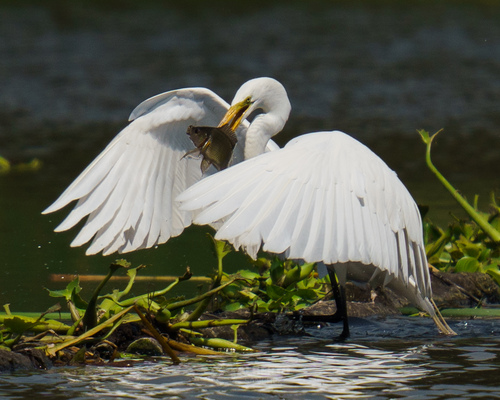
ダイサギ (Ardea alba) ダイサギ
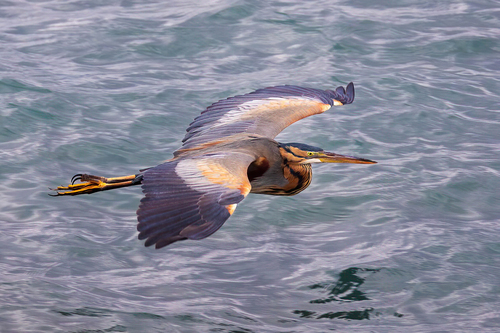
ムラサキサギ (Ardea purpurea) ムラサキサギ

メディア

読み込み中…

要点

グレートホワイトエグレットとムラサキサギを区別する最も信頼できるフィールドマークは全体の羽色です:グレートホワイトエグレットはすべての年齢で完全に白いのに対し、ムラサキサギは決して白くなく、栗色、灰色、黒のトーンの混合を示します。飛行中または静止中に、エグレットの黄色いくちばしと黒い脚は、サギの茶色がかった黄色いくちばしと黄褐色の脚と鮮やかに対比します。どちらも大型のアーディアサギですが、エグレットはよりがっしりとしており、明るい白い鳥として際立っていますが、サギはよりスリムで暗く、より隠れた印象を与えます。両種の幼鳥はこれらの主な特徴で成鳥に似ているため、年齢は混乱の大きな要因ではありません。

識別のコツ

  1. 羽色は主な区別点です: グレートホワイトエグレットはすべての年齢と季節で純白です;ムラサキサギは決して白くなく、常に栗色、灰色、黒の混合を示します。
  2. くちばしの色: エグレットは黄色いくちばしを持ち(繁殖期には少し暗くなることがあります)、ムラサキサギのくちばしは茶色がかった黄色で、特に遠くから見ると鈍く見えます。
  3. 脚の色: エグレットは黒い脚と足を持ち(繁殖期には下肢が明るくなることがあります)、ムラサキサギの脚は前が茶色で後ろが黄褐色です。
  4. サイズと構造: エグレットはがっしりとして背が高く、体格が重く、直立した姿勢を持っています;ムラサキサギはよりスリムで、長く細い、よりヘビのような首を持ち、胸が空洞のように見えます。
  5. 飛行のシルエット: 両者は首を引っ込めて飛びますが、エグレットはより大きくて頑丈に見え、広い白い翼を持っています;ムラサキサギはスリムで、尾の突出が長く、翼が暗いです。
  6. 幼鳥の混乱: 両種の幼鳥は全体の色と構造で成鳥に似ているため、未熟な鳥は大きな落とし穴ではありません。
  7. 繁殖羽毛: エグレットは繁殖期に背中に長い装飾的な羽毛を示すことがありますが、全体が白のままです;ムラサキサギは純白の羽毛を発達させません。
  8. 生息地の好み: エグレットはしばしば開けた水域にいて、遠くからも見えることがあります;ムラサキサギは密な葦を好み、より秘密主義で、しばしば部分的にしか見えません。
  9. 行動: エグレットは首を伸ばして立ったり歩いたりし、しばしば開けた場所にいます;ムラサキサギは隠れ、浮遊する植物の上を歩き、木に止まることはほとんどありません。
  10. 鳴き声: エグレットは低いクークー音や鳴き声を出します;ムラサキサギは厳しい高音の「フランク」を出しますが、一般的に静かです。
  11. 文脈の手がかり: 混合サギコロニーでは、エグレットは唯一の大型の全白の鳥として際立ちます;ムラサキサギは葦に溶け込み、開けた場所で見られる可能性が低くなります。
  12. 落とし穴: グレートホワイトエグレットを他のサギの白い形態(例:北アメリカのオオアオサギ)と混同しないでくださいが、ムラサキサギは決して白くないため、混乱は視界が悪い場合や極端な照明の下でのみ可能です。
  13. くちばしの形: 両者は長く真っ直ぐなくちばしを持っていますが、エグレットのものはやや頑丈で黄色いです;ムラサキサギのものは細くて茶色いです。
  14. 脚の長さ: 両者は長い脚を持っていますが、エグレットのものは相対的に長くて黒く、白い羽毛に対してより目立ちます。
  15. 疑問がある場合: 鳥が完全に白い場合、それはグレートホワイトエグレットです;もし栗色、灰色、または黒が見られる場合、それはムラサキサギです。

大きさ

両種は大型のサギですが、グレートホワイトエグレットはやや大きくて重いです:通常80〜104 cmの長さで、131〜170 cmの翼幅、平均質量は約1,000 gです。ムラサキサギは78〜97 cmの長さで、翼幅は120〜152 cmで、サイズに対して明らかにスリムで、0.5〜1.35 kg(通常エグレットより軽い)です。フィールドでは、エグレットは背が高くてがっしりして見え、ムラサキサギはより細長くて繊細に見え、特に首と体においてそうです。

羽色

すべての年齢において、グレートホワイトエグレットは純白で、体、翼、頭のどこにも暗いまたは色付きのマークはありません。幼鳥は非繁殖の成鳥に似ているため、区別するための年齢特有の翼のパターンはありません。対照的に、ムラサキサギは決して白くありません:成鳥は暗い赤褐色、灰色、黒の複雑な混合を示し、黒い冠と首のストライプ、頭と首の栗色の側面、茶色がかった灰色の背中と翼を持っています。胸は栗色で、腹部と尾羽の覆いは黒く、首の前部はストライプがあり、より淡いです。幼鳥は全体の色合いで成鳥に似ているため、未熟な羽毛からの混乱は起こりにくいです。飛行中、エグレットの翼は上も下も明るい白ですが、サギの翼は暗くて muted です。繁殖期のエグレットは背中に装飾的な羽毛を示すことがありますが、これは全体の色には影響しません。くちばしと脚の色も役立ちます:エグレットは黄色いくちばし(繁殖期には時々暗くなる)と黒い脚/足を持ち、ムラサキサギは茶色がかった黄色いくちばしと茶色/黄褐色の脚を持っています。

行動

グレートホワイトエグレットはしばしば首を伸ばして立ったり、開けた水の中で歩いたりしているのが見られ、ゆっくりと意図的に動きます。飛行は首を引っ込めて遅く、サギに典型的です。ムラサキサギはより秘密主義で、葦の茂みや密な植生の中で多くの時間を過ごし、開けた場所で見られることは少ないです。浮遊する植物の上や茂みの上を長い指で歩き、木に止まることはほとんどありません。飛行中、両種は首を引っ込めますが、ムラサキサギはよりスリムでヘビのように見え、長く細い首とより細長く、頑丈さが少ない体を持っています。エグレットはよりがっしりとして直立しています。

生息環境

両種は湿地に生息していますが、グレートホワイトエグレットは開けた水域、湖、川、湿原で見られる可能性が高く、しばしば開けた場所にいます。ムラサキサギは密な葦の茂み、カンガイ、広大な湿地の植生のある縁を好み、カバーから離れて見られる可能性は低いです。彼らの生息域が重なる場所(アフリカ、南ヨーロッパ、アジアの一部)では、エグレットはより目立ち、広範囲に分布していますが、サギはより局所的で秘密主義です。

声

グレートホワイトエグレットは一般的に静かですが、動揺したりコロニーにいるときには低い、粗いクークー音や大きな「クククク」と鳴き声を出します。ムラサキサギの鳴き声は厳しい「フランク」で、似たようなアオサギよりも静かで高音であり、全体的に騒がしくなく、サギの巣では喉の音が聞こえます。鳴き声はフィールドでの最も信頼できる区別ではありませんが、エグレットの鳴き声は低くてクークー音が強く、サギの鳴き声はより厳しく、より突然です。

より良い説明を送る

比較と同じ項目を使ってください。文章はすぐに公開されます。

The most reliable field mark to separate Great White Egret from Purple Heron is overall plumage: Great White Egret is entirely white at all ages, while Purple Heron is never white, showing a mix of chestnut, grey, and black tones. In flight or at rest, the egret's yellow bill and black legs contrast sharply with the heron's brownish-yellow bill and yellowish-brown legs. Both are large Ardea herons, but the egret is bulkier and stands out as a bright white bird, while the heron appears slimmer, darker, and more cryptic. Juveniles of both species resemble adults in these main features, so age is not a major source of confusion.

  1. Plumage color is the primary separator: Great White Egret is pure white at all ages and seasons; Purple Heron is never white, always showing a mix of chestnut, grey, and black.
  2. Bill color: Egret has a yellow bill (may darken slightly in breeding), while Purple Heron's bill is brownish-yellow and appears duller, especially at a distance.
  3. Leg color: Egret has black legs and feet (lower legs may lighten in breeding), while Purple Heron's legs are brown at the front and yellowish behind.
  4. Size and structure: Egret is bulkier and taller, with a heavier build and upright posture; Purple Heron is more slender, with a longer, thinner, and more snake-like neck, and appears hollow-chested.
  5. Flight silhouette: Both fly with necks retracted, but egret looks larger and more robust, with broad white wings; Purple Heron is slimmer, with a longer tail projection and dark wings.
  6. Juvenile confusion: Both species' juveniles resemble adults in overall color and structure, so immature birds are not a major pitfall.
  7. Breeding plumes: Egret may show long ornamental plumes on the back in breeding season, but remains all-white; Purple Heron does not develop pure white plumes.
  8. Habitat preference: Egret is often in open water or visible at a distance; Purple Heron prefers dense reeds and is more secretive, often only partially visible.
  9. Behavior: Egret stands and walks with neck extended, often in the open; Purple Heron skulks, walks on floating vegetation, and seldom perches in trees.
  10. Vocalizations: Egret gives low croaks and squawks; Purple Heron gives a harsh, higher-pitched 'frarnk' but is generally quieter.
  11. Contextual clues: In mixed heron colonies, egret will stand out as the only large all-white bird; Purple Heron blends in with reeds and is less likely to be seen in the open.
  12. Pitfalls: Do not confuse Great White Egret with white morphs of other herons (e.g., Great Blue Heron in North America), but Purple Heron is never white, so confusion is only possible with poor views or extreme lighting.
  13. Bill shape: Both have long, straight bills, but egret's is slightly more robust and yellow; Purple Heron's is finer and browner.
  14. Leg length: Both have long legs, but egret's are proportionally longer and black, making them more obvious against white plumage.
  15. When in doubt: If the bird is entirely white, it is a Great White Egret; if it shows any rufous, grey, or black, it is a Purple Heron.

Both species are large herons, but the Great White Egret is slightly larger and heavier: typically 80–104 cm in length, with a 131–170 cm wingspan and an average mass around 1,000 g. The Purple Heron measures 78–97 cm long, wingspan 120–152 cm, and is notably more slender for its size, weighing 0.5–1.35 kg (usually lighter than the egret). In the field, the egret appears taller and bulkier, while the Purple Heron looks more elongated and delicate, especially in the neck and body.

At all ages, Great White Egret is pure white, with no dark or colored markings anywhere on the body, wings, or head. Juveniles look like nonbreeding adults, so there is no age-specific wing pattern to separate. Purple Heron, by contrast, is never white: adults show a complex mix of dark reddish-brown, grey, and black, with a black crown and stripe down the neck, chestnut sides to the head and neck, and a brownish-grey back and wings. The breast is chestnut, belly and undertail coverts are black, and the front of the neck is paler with streaks. Juveniles are similar to adults in overall color scheme, so confusion from immature plumage is unlikely. In flight, the egret's wings are bright white above and below, while the heron's are dark and muted. Breeding egrets may show ornamental plumes on the back, but this does not affect overall color. Bill and leg color are also useful: egret has a yellow bill (sometimes darker in breeding) and black legs/feet, while Purple Heron has a brownish-yellow bill and brown/yellowish legs.

Great White Egret is often seen standing or wading in open water with its neck extended and wings held close, moving slowly and deliberately. Its flight is slow with the neck retracted, typical of herons. Purple Heron is more secretive, spending much time skulking in reed beds or dense vegetation, and is less often seen in the open. It walks with long toes on floating vegetation or even over bushes, and seldom perches in trees. In flight, both species retract the neck, but Purple Heron appears more slender and snake-like, with a longer, thinner neck and a more elongated, less robust body. The egret appears bulkier and more upright.

Both species occur in wetlands, but Great White Egret is more likely to be seen in open water, lakes, rivers, and marshes, often in the open. Purple Heron prefers dense reed beds, canebrakes, and vegetated margins of large wetlands, and is less likely to be seen away from cover. Where their ranges overlap (Africa, southern Europe, parts of Asia), the egret is more conspicuous and widespread, while the heron is more localized and secretive.

Great White Egret is generally quiet, but when disturbed or at colonies gives a low, hoarse croak or a loud 'cuk cuk cuk' and squawks. Purple Heron's call is a harsh 'frarnk', quieter and higher-pitched than the similar grey heron, and is overall less noisy, with guttural sounds at the heronry. Vocalizations are not the most reliable separation in the field, but the egret's calls are lower and croakier, while the heron's are harsher and more abrupt.

変更を破棄しますか?

保存していない編集があります。今離れると失われます。

ダイサギ · ムラサキサギ · 苦手な鳥