

Motmot

オナガクロムクドリモドキ 対 ニカラグアクロムクドリモドキ

Quiscalus mexicanus 対 Quiscalus nicaraguensis

オナガクロムクドリモドキとニカラグアクロムクドリモドキのクイズ
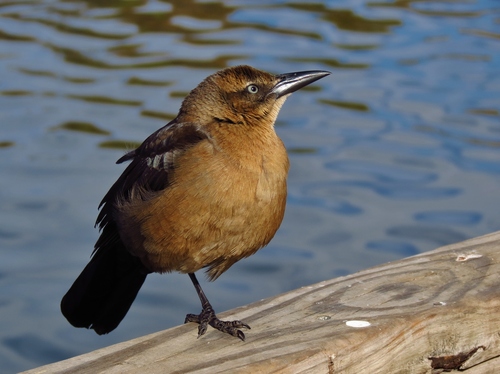
オナガクロムクドリモドキ (Quiscalus mexicanus) オナガクロムクドリモドキ
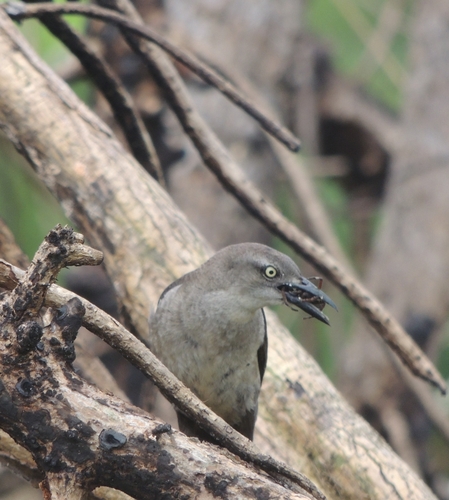
ニカラグアクロムクドリモドキ (Quiscalus nicaraguensis) ニカラグアクロムクドリモドキ

メディア

読み込み中…

要点

オナガクロムクドリモドキとニカラグアクロムクドリモドキの最も信頼できるフィールドマークはサイズと尾の構造です:オナガクロムクドリモドキは明らかに大きく、はるかに長いキール状の尾を持っていますが、ニカラグアは小さく、短いV字型の尾を持っています。両種の成鳥オスは光沢のある黒ですが、ニカラグアは特に翼と腹部でより多くの緑と青の虹色を示し、オナガクロムクドリモドキはより紫青です。両種のメスは茶色ですが、ニカラグアのメスは目を引く淡い眉(スーペリシリウム)とより淡い腹部を持ち、オナガクロムクドリモドキのメスは下側が暗く、強いスーペリシリウムがありません。幼鳥や未成熟個体は混乱を招くことがありますが、全体的に小さく、短い尾を持ち、より対照的にマーキングされたニカラグアは、よく見れば独特です。嘴のサイズと形も役立ちます:オナガクロムクドリモドキはより重く、長い嘴を持っています。両種とも成鳥は淡い黄色の目を持っていますが、オナガクロムクドリモドキの幼鳥は茶色の目を持っています。

識別のコツ

  1. Size and bulk: オナガクロムクドリモドキはニカラグアよりもはるかに大きく重いです;もし鳥がカラスサイズに見えるなら、それはオナガクロムクドリモドキです。これは直接比較や近くに馴染みのある種がいる場合に最も明らかです。
  2. Tail shape and length: オナガクロムクドリモドキは非常に長いキール状の尾を持ち、垂直に折りたたむことができます;ニカラグアの尾は短く、よりV字型で、中央から外側の羽に向かって上がります。これは両方の止まっている鳥や飛んでいる鳥で、特にオスにおいて見ることができます。
  3. Bill size: オナガクロムクドリモドキはより長く、重い嘴を持ち、より頑丈な頭のプロファイルを与えます;ニカラグアの嘴は相対的に短く、細いです。
  4. Adult male iridescence: ニカラグアのオスはより多くの緑と青の虹色を示します(青緑の翼、紫緑の頭/背中、紫の腹/尾)、一方オナガクロムクドリモドリモドキのオスは特に頭と上部でより紫青です。良い光の中で、これらの色の違いを探してください。
  5. Female plumage: ニカラグアのメスは強い淡いスーペリシリウム(眉)とバフ色の腹部を持ち、上胸部が最も暗いです;オナガクロムクドリモドリモドキのメスは下側が暗く、強いスーペリシリウムがなく、より均一に茶色に見えます。
  6. Juvenile/immature marks: オナガクロムクドリモドリモドキの幼鳥は全体的に茶色で、胸に縞模様があり、茶色の目を持っています;ニカラグアの未成熟オスは成鳥よりも鈍い色をしており、茶色の腹と太ももを持っていますが、淡い黄色の目を保持しています。目の色は若い鳥の診断に役立つことがあります。
  7. Adult eye color: 両種とも成鳥は淡い黄色の目を持っていますが、オナガクロムクドリモドリモドキの幼鳥だけが茶色の目を持っています。
  8. Flight profile: オナガクロムクドリモドキの長いキール状の尾は飛行中に明らかで、しばしば扇状または折りたたまれています;ニカラグアの尾は短く、V字型で、あまり劇的ではありません。
  9. Habitat context: 中央アメリカと北アメリカのほとんどで、都市や農業の環境にいる大きなクロムクドリはほぼ常にオナガクロムクドリモドキです;ニカラグアはニカラグアとコスタリカ北部にのみ生息し、通常は水の近くにいます。
  10. Vocalizations: ニカラグアの歌は加速する笛の連続です;オナガクロムクドリモドリモドキはより多様で、厳しい、機械的、そして鳴き声の音を持っています。鳥が歌っている場合は、違いを聞いてください。
  11. Group behavior: オナガクロムクドリモドキは特に都市で大きくて騒がしい群れを形成することが多いですが、ニカラグアは社交的ですが、密な都市環境では見つかりにくいです。
  12. Sexual dimorphism: 両種は性的二形性を持っていますが、ニカラグアではメスの淡いスーペリシリウムとバフ色の腹部のためにオスとメスの対比がより際立っています。
  13. Overlap zone caution: 両種が生息する地域(ニカラグア南部/コスタリカ北部)では、サイズ、尾、メスの顔のパターン、そして生息地を使ってIDを確認してください。
  14. Confusion with other blackbirds: 両種は他のイケタリッドと混同されることがありますが、オナガクロムクドリモドリモドキはほとんどの種よりもはるかに大きく、ニカラグアの顔のパターンは地元のクロムクドリの中でユニークです。
  15. Seasonal effects: どちらの種にも強い季節的な羽毛の変化は見られませんが、幼鳥や未成熟個体は特に難しい場合があります—この場合は目の色、尾の形、メスの顔のパターンを優先してください。

大きさ

オナガクロムクドリモドキはかなり大きいです:オスは38–46 cmの長さで、翼幅は48–58 cm、体重は約168.7 g(オスは最大265 g)ですが、ニカラグアクロムクドリモドキのオスは約31 cm(メスは25 cm)にしか達しません。オナガクロムクドリモドキの尾ははるかに長く、目立ち、より大きな外観に寄与しています。嘴のサイズもオナガクロムクドリモドキの方が大きく、重い頭の外観を与えます。フィールドでは、オナガクロムクドリモドキはしばしばカラスサイズに見えますが、ニカラグアは大きなクロウタドリや小さなクロムクドリに近いです。

羽色

幼鳥と未成熟の羽毛は最も混乱を招くものです:両種とも茶色がかった色調を持っていますが、オナガクロムクドリモドキの幼鳥は全体的に茶色で、胸に縞模様があり、茶色の目を持っています。一方、ニカラグアの未成熟オスは成鳥よりも鈍い色をしており、茶色の腹と太ももを持っています。両種の成鳥オスは光沢のある黒ですが、ニカラグアのオスはより多様な虹色を示します:腹と尾は紫、頭/背中/胸は紫緑、翼は青緑ですが、オナガクロムクドリモドキのオスは特に頭と上半身でより均一に紫青です。ニカラグアクロムクドリモドキのメスは上部が茶色で、淡いスーペリシリウムとバフ色の腹部を持ち、上胸部が最も暗いですが、オナガクロムクドリモドキのメスは茶色で、翼と尾が暗く、下側がはるかに暗く、強い顔の縞模様がありません。両種とも成鳥は淡い黄色の目を持っていますが、オナガクロムクドリモドキの幼鳥だけが茶色の目を持っています。

行動

両種とも社交的で、グループで見られることが多いですが、オナガクロムクドリモドリモドキは非常に目立ち、しばしば開けた都市部、駐車場、都市公園で大きくて騒がしい群れを形成します。彼らは大胆で機会主義的で、頻繁に地面で餌を探し、人間の食べ物をあさります。ニカラグアクロムクドリモドキも社交的ですが、限られた範囲に制限されており、都市化が少ない場合があり、しばしば水や湿地帯の近くで見られます。両種とも自信に満ちた直立した姿勢で歩きますが、オナガクロムクドリモドキの大きなサイズと長い尾はその動きをより重々しくします。

生息環境

オナガクロムクドリモドキは非常に適応力があり、都市部、農業地、北アメリカと中央アメリカの広範囲にわたる湿地など、さまざまな開けたおよび半開けた生息地で見られます。ニカラグアクロムクドリモドキははるかに範囲が制限されており、ニカラグアとコスタリカ北部にのみ生息し、通常は湖、湿地、または湿った草原の近くに見られます。オナガクロムクドリモドキの範囲の最南部でのみ重複が可能であり、生息地の文脈は強い手がかりになることがあります:都市の広場やスーパーマーケットの駐車場にいるクロムクドリは、オナガクロムクドリモドキである可能性が高いです。

声

両種とも騒がしいですが、ニカラグアクロムクドリモドキは頻繁な鼻音、笛、鋭く上昇するうなり声を含むさまざまな鳴き声で知られています。その歌は速度と頻度が増す笛の連続です。オナガクロムクドリモドキは、笛、クリック、鳴き声を含む、厳しく多様で時には機械的に聞こえる鳴き声の広範囲で有名です。両種とも非常に声を出すことができますが、ニカラグアの歌はより笛のようで、全体的にあまり厳しくありません。

より良い説明を送る

比較と同じ項目を使ってください。文章はすぐに公開されます。

The most reliable field mark between Great-tailed and Nicaraguan Grackle is size and tail structure: Great-tailed is noticeably larger with a much longer, keel-shaped tail, while Nicaraguan is smaller with a shorter, V-shaped tail. Adult males of both are glossy black, but the Nicaraguan shows more green and blue iridescence, especially on the wings and belly, and the Great-tailed is more purple-blue. Females are brown in both, but Nicaraguan females have a striking pale eyebrow (supercilium) and paler underparts, while Great-tailed females are darker below and lack the strong supercilium. Juveniles and immatures can be confusing, but the overall smaller, shorter-tailed, and more contrastingly marked Nicaraguan is distinctive if seen well. Bill size and shape also help: Great-tailed has a heavier, longer bill. Both have pale yellow eyes as adults, but juveniles of Great-tailed have brown eyes.

  1. Size and bulk: Great-tailed Grackle is much larger and heavier than Nicaraguan; if the bird looks crow-sized, it's Great-tailed. This is most obvious in direct comparison or with familiar species nearby.
  2. Tail shape and length: Great-tailed has a very long, keel-shaped tail that can be folded vertically; Nicaraguan's tail is shorter, more V-shaped, and rises from the center to the outer feathers. This is visible in both perched and flying birds, especially males.
  3. Bill size: Great-tailed has a longer, heavier bill, giving a more robust head profile; Nicaraguan's bill is proportionally shorter and finer.
  4. Adult male iridescence: Nicaraguan males show more green and blue iridescence (blue-green wings, violet-green head/back, violet belly/tail), while Great-tailed males are more purple-blue, especially on head and upperparts. In good light, look for these color differences.
  5. Female plumage: Nicaraguan females have a strong pale supercilium (eyebrow) and buff underparts, darkest on the upper breast; Great-tailed females are darker below and lack a strong supercilium, appearing more uniformly brown.
  6. Juvenile/immature marks: Great-tailed juveniles are brown overall with breast streaks and brown eyes; Nicaraguan immature males are duller than adults, with a brown belly and thighs but retain the pale yellow eye. Eye color can be diagnostic in young birds.
  7. Adult eye color: Both species have pale yellow eyes as adults, but only Great-tailed juveniles have brown eyes.
  8. Flight profile: Great-tailed's long, keel-shaped tail is obvious in flight, often fanned or folded; Nicaraguan's tail is shorter and V-shaped, less dramatic.
  9. Habitat context: In most of Central and North America, a large grackle in an urban or agricultural setting is almost always Great-tailed; Nicaraguan is only in Nicaragua and northern Costa Rica, usually near water.
  10. Vocalizations: Nicaraguan's song is a series of accelerating whistles; Great-tailed is more varied, with harsh, mechanical, and squawking notes. Listen for the difference if the bird is singing.
  11. Group behavior: Great-taileds are often in large, noisy flocks, especially in cities; Nicaraguan is social but less likely to be found in dense urban settings.
  12. Sexual dimorphism: Both species are sexually dimorphic, but the contrast between male and female is more striking in Nicaraguan due to the female's pale supercilium and buff underparts.
  13. Overlap zone caution: Where both species occur (southern Nicaragua/northern Costa Rica), use multiple marks—size, tail, female face pattern, and habitat—to confirm ID.
  14. Confusion with other blackbirds: Both can be confused with other icterids, but Great-tailed is much larger than most, and Nicaraguan's face pattern is unique among local blackbirds.
  15. Seasonal effects: No strong seasonal plumage changes are noted for either species, but juveniles and immatures can be especially tricky—prioritize eye color, tail shape, and female face pattern in these cases.

Great-tailed Grackle is substantially larger: males are 38–46 cm long with a wingspan of 48–58 cm and body mass around 168.7 g (males up to 265 g), while Nicaraguan Grackle males reach only about 31 cm (females 25 cm). The Great-tailed's tail is much longer and more prominent, contributing to its bulkier appearance. Bill size is also greater in Great-tailed, giving it a heavier-headed look. In the field, Great-tailed often appears crow-sized, while Nicaraguan is closer to a large blackbird or small grackle.

Juvenile and immature plumages are most confusing: both have brownish tones, but Great-tailed juveniles are brown overall with streaks on the breast and brown eyes, while Nicaraguan immature males are duller than adults, with a brown belly and thighs. Adult males of both are glossy black, but Nicaraguan males show a more varied iridescence: violet on belly and tail, violet-green on head/back/breast, and blue-green on wings, whereas Great-tailed males are more uniformly purple-blue, especially on the head and upper body. Female Nicaraguan Grackles are brown above with a pale supercilium and buff underparts, darkest on the upper breast, while Great-tailed females are brown with darker wings and tail and are much darker below, lacking a strong facial stripe. Both species have pale yellow eyes as adults, but only Great-tailed juveniles have brown eyes.

Both species are social and often seen in groups, but Great-tailed Grackles are highly conspicuous, often gathering in large, noisy flocks in open urban areas, parking lots, and city parks. They are bold and opportunistic, frequently foraging on the ground and scavenging human food. Nicaraguan Grackles are also social but are more restricted to their limited range and may be less urbanized, often found near water or marshy areas. Both species walk with a confident, upright posture, but the Great-tailed's larger size and longer tail make its movements more ponderous.

Great-tailed Grackles are highly adaptable and found in a wide variety of open and semi-open habitats, including urban areas, agricultural fields, and wetlands across much of North and Central America. Nicaraguan Grackles are much more range-restricted, found only in Nicaragua and northernmost Costa Rica, typically near lakes, marshes, or wet grasslands. Overlap is possible only in the far south of Great-tailed's range, and habitat context can be a strong clue: a grackle in a city plaza or supermarket parking lot is much more likely to be Great-tailed.

Both species are noisy, but the Nicaraguan Grackle is noted for a variety of calls, including frequent nasal notes, whistles, and a sharp, rising whine. Its song is a series of whistles that increase in speed and frequency. Great-tailed Grackles are famous for their wide range of harsh, varied, and sometimes mechanical-sounding calls, including whistles, clicks, and squawks. Both can be quite vocal, but the Nicaraguan's song is more whistled and less harsh overall.

変更を破棄しますか?

保存していない編集があります。今離れると失われます。

オナガクロムクドリモドキ · ニカラグアクロムクドリモドキ · 苦手な鳥