

Motmot

ヨーロッパオオモズ 対 ヒメオオモズ

Lanius excubitor 対 Lanius minor

ヨーロッパオオモズとヒメオオモズのクイズ
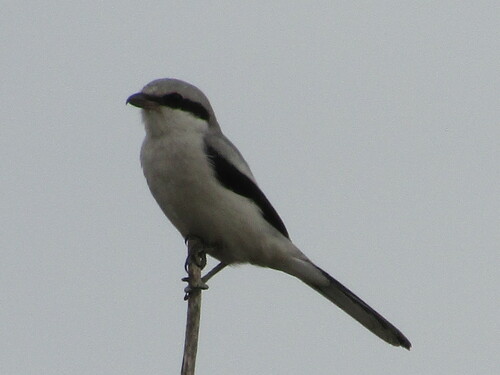
ヨーロッパオオモズ (Lanius excubitor) ヨーロッパオオモズ
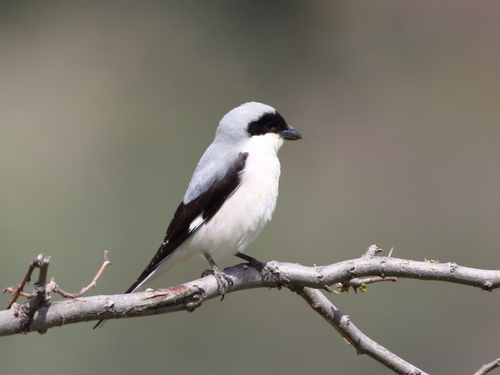
ヒメオオモズ (Lanius minor) ヒメオオモズ

メディア

読み込み中…

要点

ヨーロッパオオモズとヒメオオモズの最も信頼できるフィールドマークは頭の模様です:ヒメオオモズは固体の黒い額と前冠(成鳥のオス)を示しますが、ヨーロッパオオモズは目を通る黒いマスクだけの淡い灰色の冠を持っています。両種の幼鳥はより茶色ですが、ヒメオオモズの幼鳥はヨーロッパオオモズの灰色の背中と尾羽が欠けており、代わりに淡い茶色と微かな縞模様を示します。飛行中、両種は白黒の翼と尾を示しますが、ヒメオオモズは相対的に長い翼とより広範な黒い額を持っています。サイズも手がかりです:ヨーロッパオオモズは明らかにずっしりとしています。両種は目立って止まっているのが見られますが、ヒメオオモズは開けた低地で見られる可能性が高く、西ヨーロッパの多くでは珍しい訪問者です。

識別のコツ

  1. Head Pattern (Adults): 成鳥のオスのヒメオオモズの固体の黒い額と前冠を探してください;ヨーロッパオオモズは淡い灰色の冠を持ち、黒い目のマスクだけです。これは成鳥の中で最も一貫した区別です。
  2. Juvenile Upperparts: 幼鳥のヒメオオモズは上面が淡い茶色で微かな縞模様があり、背中と尾羽に灰色が欠けています;ヨーロッパオオモズの幼鳥は上面がより灰色で、真珠のような色合いと黒いマスクを持っています。
  3. Underparts (Adults): ヒメオオモズ(特にオス)はしばしば下胸と腹にピンク色のフラッシュを示しますが、ヨーロッパオオモズにはそれがなく、クリーンな白い下部を持っています。
  4. Size and Structure: ヨーロッパオオモズはより大きくずっしりとしています(体重約63g対46g)、より強力な印象を持っています;ヒメオオモズはより小さく、より細身で、サイズに対して相対的に長い翼を持っています。
  5. Wing and Tail Pattern: 両種は白黒の翼と尾を示しますが、ヒメオオモズの初級羽は淡い色の先端と白い基部を持ち、二次羽には白い基部がありません。ヒメオオモズの尾は外側の羽に向かってより多くの白を持ち、中央の対は白い先端と基部を持っています。
  6. Sex Differences: メスのヒメオオモズはオスよりも鈍い色合いで、暗い灰色の頭(黒ではなく)、茶色がかった灰色の上面、下部はピンクが少ないです。ヨーロッパオオモズの性別は似ています。
  7. Flight Style: ヨーロッパオオモズの飛行は重く波打ち、繰り返しホバリングが可能です;ヒメオオモズの飛行は低く、波打ち、時には滑空し、止まるために上昇する動きで終わります。
  8. Perching Behavior: 両種は目立って止まりますが、ヒメオオモズは開けた低地の電線で見られることが多く、ヨーロッパオオモズは散在する木や低木を好みます。
  9. Habitat Context: 西ヨーロッパでは、ヒメオオモズは珍しい漂流者であるため、文脈と季節が重要です—冬や移動外のほとんどのモズはヨーロッパオオモズです。
  10. Bill and Legs: 両種は黒いくちばしと足を持っていますが、ヒメオオモズのくちばしは茶色がかった黒で、下顎の基部は淡い色です;通常は遠くからは診断できません。
  11. Tail Shape: ヨーロッパオオモズの尾は白い縁のあるくさび形と表現されます;ヒメオオモズの尾の模様はより複雑で、外側に向かって白が増加します。
  12. Behavioral Displays: 両種は興奮したときに尾を扇いだり振ったりしますが、ヨーロッパオオモズは小さな冬の群れを作ることがある一方、ヒメオオモズは巣での攻撃性が顕著です。
  13. Ground Behavior: ヒメオオモズは獲物を拾うために地面で短く跳ねますが、長く留まることはありません;ヨーロッパオオモズの地面での行動はあまり強調されません。
  14. Moult Timing: フィールドで直接診断できるわけではありませんが、ヨーロッパオオモズの雛は初冬前に幼羽の一部を換羽することに注意してください。これが外観に影響を与える可能性があります。
  15. Pitfalls: 鈍いメスのヒメオオモズには注意してください。これはヨーロッパオオモズに似て見えることがありますが、常に頭の黒の範囲とピンクの下部の有無を確認してください。

大きさ

ヨーロッパオオモズは明らかに大きく重く、体重は約63.4gで、ヒメオオモズの46.0gと比較されます。ヒメオオモズは長さもわずかに短く(約20 cm)、タルサスと翼も短いです。フィールドでは、ヨーロッパオオモズはしばしばより頑丈で力強く見え、ヒメオオモズはより細身でコンパクトで、サイズに対して相対的に長い翼を持っています。

羽色

行動

両種は目立って止まり、似たような狩猟戦術を使用しますが、ヨーロッパオオモズはしばしばより重く波打つ飛行を示し、繰り返しホバリングが可能です。ヒメオオモズの飛行は低く、波打ち、時には翼を広げて滑空し、止まるために上昇する動きで終わります。地面では、ヒメオオモズは獲物を拾うために短く跳ねます。両種は興奮したときに尾を扇いだり振ったりします。ヨーロッパオオモズは小さな冬の群れを作って休むことがある一方、ヒメオオモズはその攻撃性と活発な巣の防衛で知られています。

生息環境

ヨーロッパオオモズは北部および中央ユーラシアに広く分布し、散在する木や低木のある開けた国で見られます。ヒメオオモズは南部および中央ヨーロッパ、西アジアで繁殖し、乾燥した開けた低地を好み、しばしば電線で見られます。西ヨーロッパでは、ヒメオオモズは稀な漂流者で、通常は春または秋の放浪者として現れますが、ヨーロッパオオモズは適切な生息地で定期的に繁殖または冬の訪問者です。

より良い説明を送る

比較と同じ項目を使ってください。文章はすぐに公開されます。

The most reliable field mark between Great Grey Shrike and Lesser Grey Shrike is the head pattern: Lesser Grey Shrike shows a solid black forehead and front crown (in adult males), while Great Grey Shrike has a paler grey crown with only a black mask through the eye. Juveniles of both are browner, but Lesser Grey Shrike juveniles lack the grey back and rump of Great Grey Shrike, instead showing pale brown and faint barring. In flight, both species show black-and-white wings and tail, but Lesser Grey Shrike has relatively longer wings and a more extensive black forehead. Size is also a clue: Great Grey Shrike is distinctly bulkier. Both can be seen perched prominently, but Lesser Grey Shrike is more likely in open lowlands and is a rare visitor in much of western Europe.

  1. Head Pattern (Adults): Look for a solid black forehead and crown front in adult male Lesser Grey Shrike; Great Grey Shrike has a pale grey crown with only a black eye-mask. This is the most consistent separation in adults.
  2. Juvenile Upperparts: Juvenile Lesser Grey Shrike is pale brown above with faint barring and lacks grey on the back and rump; Great Grey Shrike juveniles are greyer above, with a pearly tone and a black mask.
  3. Underparts (Adults): Lesser Grey Shrike (especially males) often shows a pinkish flush on the lower breast and belly, absent in Great Grey Shrike, which has clean white underparts.
  4. Size and Structure: Great Grey Shrike is larger and bulkier (body mass ~63g vs 46g), with a more powerful jizz; Lesser Grey Shrike is smaller, more slender, and has relatively longer wings for its size.
  5. Wing and Tail Pattern: Both show black-and-white wings and tail, but Lesser Grey Shrike's primaries have buff tips and white bases, and its secondaries lack white bases. The tail of Lesser Grey Shrike has more white towards the outer feathers, with the central pair tipped and based white.
  6. Sex Differences: Female Lesser Grey Shrike is duller than the male, with a dark grey head (not black), brownish-grey upperparts, and less pink below. Great Grey Shrike sexes are similar.
  7. Flight Style: Great Grey Shrike's flight is heavy and undulating, with repeated hovering possible; Lesser Grey Shrike's flight is low, undulating, sometimes gliding, and ends with an upward swoop to perch.
  8. Perching Behavior: Both perch conspicuously, but Lesser Grey Shrike is often seen on wires in open lowlands, while Great Grey Shrike prefers scattered trees or shrubs.
  9. Habitat Context: In western Europe, Lesser Grey Shrike is a rare vagrant, so context and season matter—most shrikes in winter or outside migration are Great Grey.
  10. Bill and Legs: Both have black bills and legs, but Lesser Grey Shrike's bill is brownish-black with a paler base to the lower mandible; not usually diagnostic at range.
  11. Tail Shape: Great Grey Shrike's tail is described as wedge-shaped with white borders; Lesser Grey Shrike's tail pattern is more complex, with increasing white outwards.
  12. Behavioral Displays: Both fan and flick their tails when excited, but Great Grey Shrike may gather in small winter groups, while Lesser Grey Shrike is notably pugnacious at the nest.
  13. Ground Behavior: Lesser Grey Shrike hops briefly on the ground to pick up prey but does not linger; Great Grey Shrike's ground behavior is less emphasized.
  14. Moult Timing: Not directly diagnostic in the field, but note that fledgling Great Grey Shrikes moult part of their juvenile plumage before first winter, which may affect appearance.
  15. Pitfalls: Beware of dull female Lesser Grey Shrike, which can appear similar to Great Grey Shrike but always check for the extent of black on the head and the presence or absence of pinkish underparts.

Great Grey Shrike is noticeably larger and heavier, with a body mass of about 63.4g compared to Lesser Grey Shrike's 46.0g. Lesser Grey Shrike is also slightly shorter in length (about 20 cm) and has a shorter tarsus and wing. In the field, Great Grey Shrike often appears more robust and powerful, while Lesser Grey Shrike is more slender and compact, with proportionally longer wings for its size.

  • Juveniles/First-years: Juvenile Lesser Grey Shrike is overall browner, lacking the grey back and rump of Great Grey Shrike juveniles; instead, it shows pale brown upperparts with faint barring and cream/white underparts without pink. Juvenile Great Grey Shrike is greyer above, with a pearly tone and a black mask, and white underparts.
  • Adults: Adult Lesser Grey Shrike males have a distinctive black forehead, crown front, and face, with a pale bluish-grey hind crown and back, and a pinkish flush on the lower breast and belly. Great Grey Shrike adults are pearly grey above, with a black eye-mask but no black on the forehead or crown, and clean white underparts. Female Lesser Grey Shrike is duller, with a dark grey (not black) head and brownish-grey upperparts, and less pink below. Both species have black-and-white wings and tail, but Lesser Grey Shrike's primaries have buff tips and white bases, and its secondaries lack white bases. The tail of Lesser Grey Shrike has increasing white from the center outward, with the central pair tipped and based white, while Great Grey Shrike's tail is described as wedge-shaped with white borders.

Both species perch conspicuously and use similar hunting tactics, but Great Grey Shrike often displays a heavier, more undulating flight and is capable of repeated hovering. Lesser Grey Shrike's flight is low, undulating, and sometimes includes gliding with extended wings, ending with an upward swoop to a perch. On the ground, Lesser Grey Shrike hops briefly to pick up prey. Both species fan and flick their tails when excited. Great Grey Shrike may gather in small winter groups for roosting, while Lesser Grey Shrike is noted for its pugnacity and vigorous nest defense.

Great Grey Shrike is widespread in northern and central Eurasia, often found in open country with scattered trees or shrubs. Lesser Grey Shrike breeds in South and Central Europe and western Asia, preferring dry open lowlands and is often seen on wires. In western Europe, Lesser Grey Shrike is a scarce vagrant, usually appearing as a spring or autumn wanderer, while Great Grey Shrike is a regular breeder or winter visitor in suitable habitats.

変更を破棄しますか?

保存していない編集があります。今離れると失われます。

ヨーロッパオオモズ · ヒメオオモズ · 苦手な鳥