

Motmot

オオグンカンドリ 対 シロハラグンカンドリ

Fregata minor 対 Fregata andrewsi

オオグンカンドリとシロハラグンカンドリのクイズ
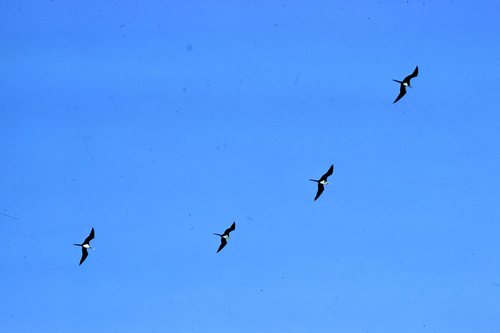
オオグンカンドリ (Fregata minor) オオグンカンドリ
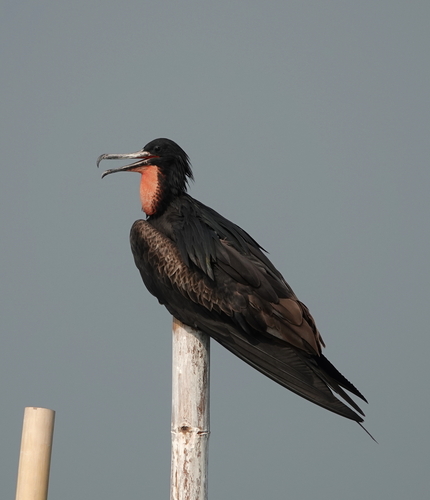
シロハラグンカンドリ (Fregata andrewsi) シロハラグンカンドリ

メディア

読み込み中…

要点

オオグンカンドリとシロハラグンカンドリの間で最も信頼できるフィールドマークは、オスの腹部のパターンです:成鳥のオスのシロハラグンカンドリは大胆な白い腹部の斑点を持ち、オスのオオグンカンドリは下側が完全に黒いです。両種のメスは胸部と腹部に広範囲の白を示しますが、シロハラグンカンドリのメスは腹部の下までさらに白が広がっています。幼鳥と未成熟の鳥は、腹部と翼の下の白の広がりと分布によって最もよく区別され、シロハラグンカンドリはより広範囲の白を示します。両種は大きく、長い翼を持ち、深く分かれた尾を持っていますが、シロハラグンカンドリはわずかに重く、クリスマス島に限定されていますが、オオグンカンドリは熱帯の海に広く分布しています。

識別のコツ

  1. 成鳥オスの腹部パターン: シロハラグンカンドリのオスは大胆な白い腹部の斑点を持ち、オオグンカンドリのオスは下側が完全に黒いです。これは成鳥オスにとって最も信頼できるフィールドマークです。
  2. メスの腹部パターン: 両種のメスは喉と胸に白を持っていますが、シロハラグンカンドリのメスは腹部の下までさらに白が広がっており、オオグンカンドリのメスはより制限された白(主に喉と胸)を持っています。
  3. 幼鳥/未成熟の腹部: 未成熟のシロハラグンカンドリは腹部により広範囲の白を示し、翼の下に長い白いスパーを持っていますが、オオグンカンドリの未成熟は赤褐色の白い顔、頭、喉を持ち、腹部の白は少ないです。
  4. 飛行中の翼の下のパターン(未成熟/メス): シロハラグンカンドリは翼の下により長く、目立つ白いスパーを示します;オオグンカンドリの白はより少なく、より制限されています。
  5. 頭と顔(幼鳥): オオグンカンドリの幼鳥は特徴的な赤褐色の白い顔と喉を持っています;シロハラグンカンドリの幼鳥はこの赤褐色の色合いを欠いています。
  6. 咽頭嚢(オス): 両方とも赤い咽頭嚢を持っていますが、これはディスプレイ中にのみ見え、ほとんどのフィールドでの遭遇には役立ちません。
  7. サイズと構造: シロハラグンカンドリはわずかに重く、より大きく見えることがありますが、サイズの重なりはかなりあり、鳥が並んでいない限り信頼できません。
  8. 場所: シロハラグンカンドリはほぼ完全にクリスマス島の上または近くに見られます;他の場所では、オオグンカンドリがはるかに多く見られます。
  9. 尾と翼の形: 両種は長く、狭い翼と深く分かれた尾を持っています;これらは二つを区別するのに役立ちません。
  10. 虹色の輝き: オスのオオグンカンドリは良い光の中で肩羽に緑の虹色の輝きを示すことがありますが、シロハラグンカンドリにはありません。
  11. 行動: 両種は飛行中に獲物を奪うことで餌を探し、他の海鳥をいじめることがあります;シロハラグンカンドリは特に盗食行動で知られていますが、これは信頼できるフィールドマークではありません。
  12. 羽毛の重なり: メスと未成熟には注意が必要です、両方とも下に広範囲の白を示すことがあるため;白い腹部と翼の下のスパーの広がりと形に焦点を当ててください。
  13. 落とし穴: 未成熟とメスのオオグンカンドリは、白い腹部だけが見られる場合、シロハラグンカンドリと混同されることがあります;常に白の形と広がりを評価し、場所を考慮してください。
  14. 診断的ではない: ビルの形、尾の長さ、飛行スタイルは似ており、区別には役立ちません。
  15. 季節: 両種は似た繁殖と非繁殖の羽毛を持っています;年齢と性別の違いは、識別において季節よりも重要です。

大きさ

両種は非常に大きなグンカンドリで、翼幅は似ています(205–230 cm)が、シロハラグンカンドリはわずかに重いです(成鳥の平均体重約1,475–1,550 g)オオグンカンドリ(オス1,000–1,450 g;メス1,215–1,590 g)よりも。長さでは、オオグンカンドリは85–105 cmで、シロハラグンカンドリは89–100 cmです。フィールドでは、サイズの違いは微妙で、並んで見ない限り区別には信頼できませんが、シロハラグンカンドリはわずかに大きく見えることがあります。

羽色

両種の幼鳥と未成熟の鳥は主に黒で、頭部と腹部に白がありますが、シロハラグンカンドリの未成熟は腹部により広範囲の白を示し、翼の下に長い白いスパーを持っていますが、オオグンカンドリの幼鳥は赤褐色の白い顔、頭、喉を持ち、腹部の白は少ないです。成鳥のオスは腹部のパターンによって最もよく区別されます:シロハラグンカンドリのオスは目立つ白い腹部の斑点を持ち、オオグンカンドリのオスは下側が完全に黒いです(肩羽に緑の虹色の輝きがある可能性があります)。両種のメスは胸部と腹部に白を持っていますが、シロハラグンカンドリのメスは腹部の下までさらに白が広がっており、オオグンカンドリのメスは白い喉と胸を持っていますが、腹部の白は少ないです。両種のオスは赤い咽頭嚢を持っていますが、これはディスプレイ以外では役立つフィールドマークではありません。飛行中、シロハラグンカンドリの白い翼の下のスパー(成鳥のオスを除くすべての年齢)は、オオグンカンドリよりも長く、目立ちます。

行動

両種は非常に空中性が高く、水面に着陸することはまれで、海面から獲物を奪ったり、他の海鳥をいじめたりして餌を探します。シロハラグンカンドリは盗食行動(他の鳥から食べ物を盗む)で知られていますが、オオグンカンドリのメスはコロニーで海鳥の雛を狩ることがあります。両方とも、オスが赤い咽頭嚢を膨らませる華やかな求愛行動を示しますが、これは繁殖コロニーでのみ見られます。飛行スタイルは似ており、浮遊感があり、長く狭い翼と深く分かれた尾を持っています。

生息環境

オオグンカンドリは熱帯の海に広く分布し、太平洋、インド洋、南大西洋の島々で繁殖します。シロハラグンカンドリはインド洋のクリスマス島に特有で、そこだけで繁殖します。繁殖から離れると、シロハラグンカンドリはさまようことがありますが、クリスマス島から遠く離れて見られることはまれで、場所が強い手がかりとなります。オオグンカンドリはクリスマス島の外で見られる可能性がはるかに高いです。

より良い説明を送る

比較と同じ項目を使ってください。文章はすぐに公開されます。

The most reliable field mark between Great Frigatebird and Christmas Island Frigatebird is the male's underpart pattern: adult male Christmas Island Frigatebirds have a bold white belly patch, while male Great Frigatebirds are entirely black below. Females of both species show extensive white on the breast and belly, but Christmas Island Frigatebird females have more white extending further down the belly. Juvenile and immature birds are best separated by the extent and distribution of white on the underparts and underwing, with Christmas Island Frigatebird showing more extensive white. Both species are large, long-winged, and deeply forked-tailed, but Christmas Island Frigatebird is slightly heavier and restricted to Christmas Island, while Great Frigatebird is widespread across tropical oceans.

  1. Adult male underpart pattern: Christmas Island Frigatebird males have a bold white belly patch; Great Frigatebird males are entirely black below. This is the single most reliable field mark for adult males.
  2. Female underpart pattern: Both species' females have white on the throat and breast, but Christmas Island Frigatebird females have white extending further down the belly, while Great Frigatebird females have more restricted white (mainly throat and breast).
  3. Juvenile/immature underparts: Immature Christmas Island Frigatebirds show more extensive white on the belly and longer white spurs into the underwing, while Great Frigatebird immatures have a rust-tinged white face, head, and throat, with less white on the belly.
  4. Underwing pattern in flight (immatures/females): Christmas Island Frigatebird shows longer, more prominent white spurs into the underwing; Great Frigatebird's white is less extensive and more confined.
  5. Head and face (juveniles): Great Frigatebird juveniles have a distinctive rust-tinged white face and throat; Christmas Island Frigatebird juveniles lack this rusty tinge.
  6. Gular sac (males): Both have a red gular sac, but this is only visible during display and not useful for most field encounters.
  7. Size and structure: Christmas Island Frigatebird is slightly heavier and may look bulkier, but size overlap is considerable and not reliable unless birds are side by side.
  8. Location: Christmas Island Frigatebird is almost exclusively found on or near Christmas Island; elsewhere, Great Frigatebird is vastly more likely.
  9. Tail and wing shape: Both species have long, narrow wings and a deeply forked tail; these are not useful for separating the two.
  10. Iridescence: Male Great Frigatebird may show green iridescence on scapulars in good light, lacking in Christmas Island Frigatebird.
  11. Behavior: Both species forage by snatching prey in flight and may harass other seabirds; Christmas Island Frigatebird is especially noted for kleptoparasitism, but this is not a reliable field mark.
  12. Plumage overlap: Be cautious with females and immatures, as both can show extensive white below; focus on the extent and shape of the white belly and underwing spurs.
  13. Pitfalls: Immature and female Great Frigatebirds can be confused with Christmas Island Frigatebird if only the white underparts are seen; always try to assess the shape and extent of white, and consider location.
  14. Not diagnostic: Bill shape, tail length, and flight style are similar and not useful for separation.
  15. Season: Both species have similar breeding and non-breeding plumages; age and sex differences are more important than season for identification.

Both species are very large frigatebirds with similar wingspans (205–230 cm), but Christmas Island Frigatebird is slightly heavier (average adult mass ~1,475–1,550 g) than Great Frigatebird (male 1,000–1,450 g; female 1,215–1,590 g). In length, Great Frigatebird ranges from 85–105 cm, while Christmas Island Frigatebird is 89–100 cm. In the field, size difference is subtle and not reliable for separation unless seen together, but Christmas Island Frigatebird may appear slightly bulkier.

Juvenile and immature birds of both species are mostly black with white on the head and underparts, but Christmas Island Frigatebird immatures show more extensive white on the belly and longer white spurs into the underwing, while Great Frigatebird juveniles have a rust-tinged white face, head, and throat with less white on the belly. Adult males are best separated by the underpart pattern: Christmas Island Frigatebird males have a conspicuous white belly patch, while Great Frigatebird males are entirely black below (with possible green iridescence on the scapulars). Females of both species have white on the breast and belly, but Christmas Island Frigatebird females have more extensive white reaching further down the belly, whereas Great Frigatebird females have a white throat and breast but less white on the belly. Both species have a red gular sac in males, but this is not a useful field mark outside of display. In flight, the white underwing spurs of Christmas Island Frigatebird (all ages except adult males) are longer and more prominent than in Great Frigatebird.

Both species are highly aerial, rarely landing on the water, and forage by snatching prey from the ocean surface or harassing other seabirds. Christmas Island Frigatebird is known for kleptoparasitism (stealing food from other birds), while Great Frigatebird females may hunt seabird chicks at colonies. Both display elaborate courtship with males inflating a red gular sac, but this is only seen at breeding colonies. Flight style is similar: buoyant, with long, narrow wings and deep forked tail.

Great Frigatebird is widespread across tropical oceans, breeding on islands in the Pacific, Indian, and South Atlantic Oceans. Christmas Island Frigatebird is endemic to Christmas Island in the Indian Ocean and breeds only there. Away from breeding, Christmas Island Frigatebird may wander but is rarely seen far from Christmas Island, making location a strong clue. Great Frigatebird is much more likely outside Christmas Island.

変更を破棄しますか?

保存していない編集があります。今離れると失われます。

オオグンカンドリ · シロハラグンカンドリ · 苦手な鳥