

Motmot

オオカモメ 対 ニシセグロカモメ

Larus marinus 対 Larus fuscus

オオカモメとニシセグロカモメのクイズ
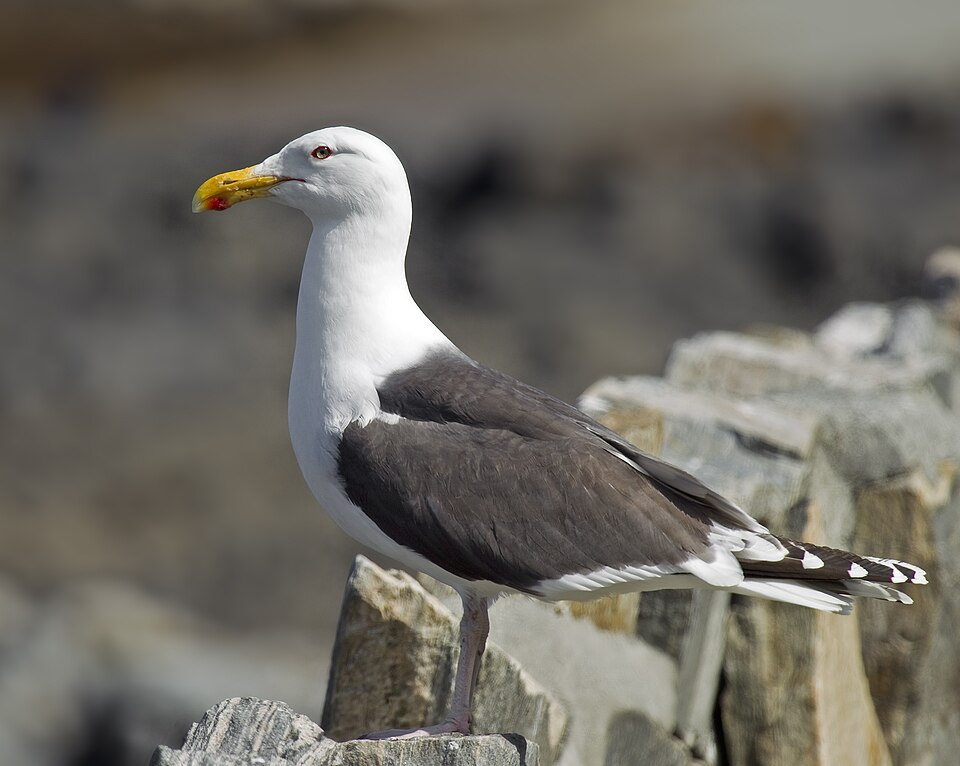
オオカモメ (Larus marinus) オオカモメ
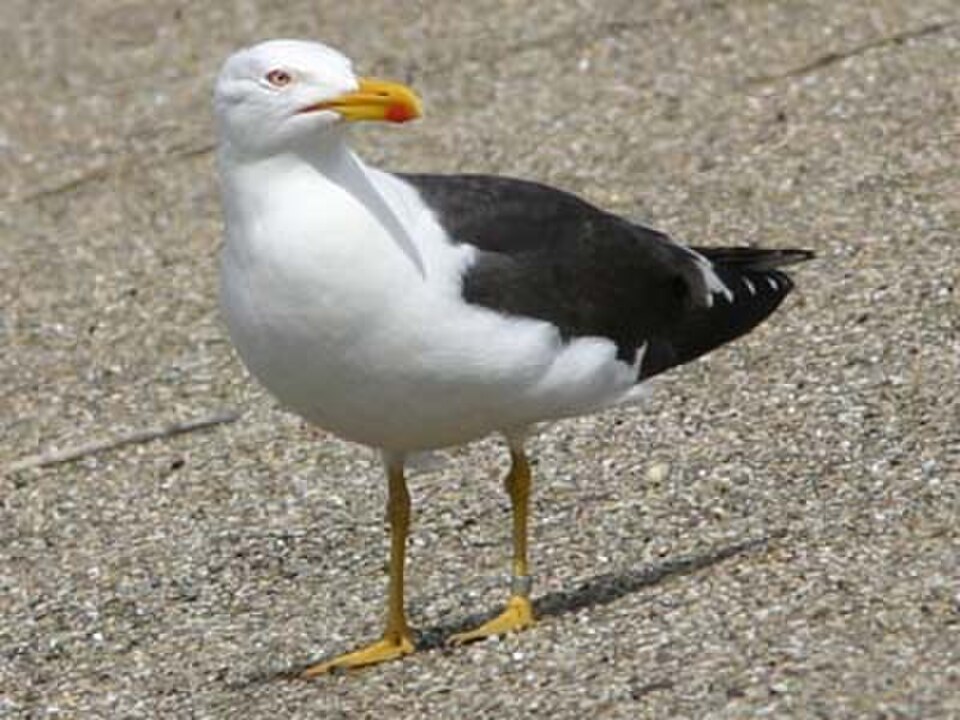
ニシセグロカモメ (Larus fuscus) ニシセグロカモメ

メディア

読み込み中…

要点

オオカモメとニシセグロカモメの間で最も信頼できるフィールドマークは、全体のサイズと体格です:オオカモメははるかに大きく、より重厚で、体つきが重く、くちばしが太いです。幼鳥の場合、両者は鱗状の茶色の上面を示しますが、オオカモメの幼鳥はよりがっしりしており、顔が明るく、尾の模様がより対照的です。成鳥は脚の色(ニシセグロは黄色の脚、オオカモメはピンクがかった脚)や、背中の色合い(オオカモメははるかに暗い)、全体のサイズで区別されます。飛行中、オオカモメは翼が広く、威圧感がありますが、ニシセグロはスリムでより機敏です。年齢と季節を常に考慮してください。幼鳥の羽衣は似ていますが、三次羽、尾、構造の詳細が異なります。

識別のコツ

  1. サイズと体格:オオカモメはニシセグロカモメよりもはるかに大きく、重いです。両者が存在する場合はこれを最初に使用しますが、孤立した鳥や遠くからの視界には注意してください。
  2. 脚の色(成鳥):成鳥のオオカモメはピンクがかった脚を持ち、ニシセグロカモメは黄色の脚を持ちます。これは春/夏の重要なマークですが、泥や照明が脚の色を隠すことがあります。
  3. 背中と上翼の色合い(成鳥):オオカモメは黒っぽい上翼と背中を示し、ニシセグロカモメの暗い灰色から黒っぽい色(亜種によって異なる)よりも暗いです。混成群では、オオカモメは最も暗い背中を持つ大きなカモメとして際立ちます。
  4. くちばしの構造:オオカモメは太くて強力なくちばしを持ち、ニシセグロカモメのスリムで先細りのくちばしよりも明らかに深く、重いです。これは静止時と飛行時の両方で見ることができます。
  5. 幼鳥の三次羽:幼鳥のニシセグロカモメはよりしっかりとした暗い(縞模様のない)三次羽を持ち、オオカモメの三次羽は模様があり、より対照的です。このマークは特に静止時の初年度の鳥で使用してください。
  6. 尾の模様(幼鳥):オオカモメの幼鳥はジグザグのバーと先端近くに破れた黒っぽいバンドを持つ白い尾を持ち、ニシセグロカモメの尾はあまり明確にマークされていません。これは飛行中または羽繕いの際に最もよく見られます。
  7. 顔の模様(幼鳥):オオカモメの幼鳥は顔と後頭部が明るく、暗い冠と体と対照的です。ニシセグロカモメはより均一に暗いです。
  8. 冬の頭の色(成鳥):ニシセグロカモメは冬に灰色の頭を示し、オオカモメは白い頭を保ちます。これは非繁殖期に役立ちます。
  9. 一次ミラー(成鳥):ニシセグロカモメはオオカモメに比べて翼の先端に小さな白い「ミラー」を持ちますが、これは微妙で、しばしば近くでの観察が必要です。
  10. 飛行スタイル:オオカモメは飛行中に広い翼を持ち、重く、安定しています。ニシセグロカモメはスリムで、より機敏で、浮遊感があります。特に混成群では全体の印象に注意してください。
  11. 行動:オオカモメは他のカモメを支配したり、食べ物を略奪したり、鳥や哺乳類を積極的に狩ることが多く、より攻撃的です。ニシセグロカモメはあまり攻撃的ではありません。
  12. 生息地と分布:北アメリカでは、オオカモメは北東部や岩の多い海岸で見られることが多く、ニシセグロカモメは増加していますが、特に内陸ではまだ一般的ではありません。
  13. 声:聞こえた場合、オオカモメの鳴き声はニシセグロカモメのものよりもはるかに深く、共鳴します。
  14. 年齢の混乱:両種は成熟するのに4年かかり、似たような鱗状の幼鳥の羽衣を示します。色だけに頼る前に、三次羽、尾、構造を常に確認してください。
  15. 落とし穴:照明によって背中の色と脚の色が信頼できなくなることがあります。サイズは直接比較で最もよく判断されます。幼鳥は最も難しいので、最良の結果を得るために三次羽、尾、くちばしの構造に焦点を当ててください。

大きさ

オオカモメは北大西洋で最も大きなカモメであり、あらゆる点でニシセグロカモメよりも明らかに大きいです。ニシセグロカモメの平均体重は約817.5 g [wikidata]ですが、オオカモメはかなり重く、がっしりとしています(ここでは正確な質量は示されていませんが、常にはるかに大きいと説明されています)。フィールドでは、オオカモメは大きく見え、太い首、深い胸、重くて強力なくちばしを持っています。ニシセグロカモメは大きいですが、スリムで、より優雅で、重厚感が少ない体つきです。並べて見ると、サイズの違いは明らかですが、距離がある場合や孤立した鳥の場合、構造的な手がかりがより重要になります。

羽色

両種の幼鳥と未成熟の鳥は、鱗状の黒茶色の上面と縞模様の頭を持っていますが、重要な違いがあります。幼鳥のオオカモメは明るい顔と後頭部、ジグザグのバーと先端近くに破れた黒っぽいバンドを持つ白い尾、白い先端を持つ茶色がかった黒いくちばしを示します。彼らの三次羽は模様があり、全体的な印象はニシセグロカモメに比べてより対照的で「クリーン」です。幼鳥のニシセグロカモメは似たような鱗状の模様を持っていますが、よりしっかりとした暗い(縞模様のない)三次羽によって最もよく区別されます。両種は成熟するのに4年かかりますが、オオカモメの発育は遅く、未成熟の個体はよりがっしりしており、より縞模様があります。成鳥はより単純です:オオカモメは黒っぽい上翼と背中、ピンクがかった脚、非常に大きなくちばしを持ち、ニシセグロカモメは暗い灰色から黒っぽい上面(亜種によって異なる)、黄色の脚、スリムなくちばしを持っています。冬には、ニシセグロカモメは灰色の頭を示し、オオカモメは白い頭を保ちます。

行動

オオカモメは特に攻撃的で、典型的なカモメよりも猛禽類のように振る舞い、鴨や他のカモメのサイズまでの獲物を狩り、殺します。混成群では支配的で、他の鳥から食べ物を略奪する姿がよく見られます。ニシセグロカモメはあまり攻撃的ではなく、群れでごみを漁ったり、採餌したりすることが多いです。飛行中、オオカモメは力強く安定して見え、ニシセグロカモメはより機敏で浮遊感があります。両種は機会主義的ですが、オオカモメの捕食行動は特徴的です。

生息環境

両種は北大西洋の海岸に生息していますが、オオカモメは北欧や北東北アメリカで見られることが多く、岩の多い海岸や島でよく見られます。ニシセグロカモメはヨーロッパで繁殖しますが、北アメリカの東海岸では冬に特に一般的になっています。ニシセグロカモメはより移動性があり、西アフリカまで南下して越冬しますが、オオカモメは北部の繁殖者を除いてはより定住的です。混成群では、オオカモメは通常、存在する最も大きなカモメです。

声

オオカモメは深い「笑い声」のような鳴き声(kaa-ga-ga)を持ち、他のほとんどのカモメよりも明らかに深い音色です。ニシセグロカモメの鳴き声はここでは詳細に説明されていませんが、一般的に高音で共鳴が少ないです。声は通常、主要なフィールドマークではありませんが、オオカモメの鳴き声の深く、牛のような質感は近接遭遇時に役立つことがあります。

より良い説明を送る

比較と同じ項目を使ってください。文章はすぐに公開されます。

The most reliable field mark between Great Black-backed Gull and Lesser Black-backed Gull is overall size and bulk: Great Black-backed is much larger and more massive, with a heavier build and thicker bill. For immatures, both show scaly brown upperparts, but Great Black-backed juveniles are bulkier with a paler face and a more contrasting, patterned tail. Adults are best separated by leg color (Lesser has yellow legs, Great Black-backed has pinkish), mantle shade (Great Black-backed is much darker), and overall size. In flight, Great Black-backed appears broader-winged and more imposing, while Lesser is slimmer and more agile. Always consider age and season, as immature plumages are similar but differ in details of tertials, tail, and structure.

  1. Size and bulk: Great Black-backed Gull is much larger and heavier than Lesser Black-backed. Use this first when both are present, but beware of lone birds or distant views.
  2. Leg color (adults): Adult Great Black-backed has pinkish legs; Lesser Black-backed has yellow legs. This is a key mark in spring/summer, but mud or lighting can obscure leg color.
  3. Mantle and upperwing shade (adults): Great Black-backed shows a blackish upperwing and back, darker than Lesser Black-backed's dark grey to blackish (depending on race). In mixed flocks, Great Black-backed stands out as the darkest-mantled large gull.
  4. Bill structure: Great Black-backed has a thick, powerful bill, noticeably deeper and heavier than Lesser Black-backed's slimmer, more tapered bill. This is visible both at rest and in flight.
  5. Juvenile tertials: Juvenile Lesser Black-backed has more solidly dark (unbarred) tertials, while Great Black-backed's tertials are patterned and more contrasting. Use this mark in first-year birds, especially at rest.
  6. Tail pattern (juveniles): Great Black-backed juveniles have a white tail with zigzag bars and a broken blackish band near the tip; Lesser Black-backed's tail is less distinctly marked. This is best seen in flight or when preening.
  7. Facial pattern (juveniles): Great Black-backed juveniles have a paler face and nape, contrasting with the darker crown and body. Lesser Black-backed is more uniformly dark.
  8. Head color in winter (adults): Lesser Black-backed shows a greyer head in winter, while Great Black-backed remains whiter-headed. This helps in non-breeding season.
  9. Primary mirrors (adults): Lesser Black-backed has smaller white 'mirrors' at the wing tips compared to Great Black-backed, but this can be subtle and often requires close views.
  10. Flight style: Great Black-backed appears broad-winged, heavy, and steady in flight; Lesser Black-backed is slimmer, more agile, and buoyant. Watch for overall jizz, especially in mixed flocks.
  11. Behavior: Great Black-backed is more likely to be seen dominating other gulls, pirating food, or actively hunting birds and mammals. Lesser Black-backed is less aggressive.
  12. Habitat and range: If in North America, Great Black-backed is more expected in the northeast and on rocky coasts; Lesser Black-backed is increasing but still less common, especially inland.
  13. Voice: If heard, Great Black-backed's call is much deeper and more resonant than Lesser Black-backed's.
  14. Aging confusion: Both species take four years to mature and show similar scaly juvenile plumage. Always check tertials, tail, and structure before relying on color alone.
  15. Pitfalls: Lighting can make mantle color and leg color unreliable. Size is best judged with direct comparison. Immature birds are the most challenging; focus on tertials, tail, and bill structure for best results.

Great Black-backed Gull is the largest gull in the North Atlantic, noticeably outsizing Lesser Black-backed Gull in all respects. While Lesser Black-backed averages around 817.5 g [wikidata], Great Black-backed is substantially heavier and bulkier (though exact mass not given here, it is always described as much larger). In the field, Great Black-backed appears massive, with a thick neck, deep chest, and a heavy, powerful bill. Lesser Black-backed is large but slimmer, with a more graceful, less hulking build. Side-by-side, the size difference is obvious, but at a distance or with lone birds, structural cues become more important.

Juvenile and immature birds of both species have scaly, checkered black-brown upperparts and streaked heads, but there are key differences. Juvenile Great Black-backed Gulls show a paler face and nape, a white tail with zigzag bars and a broken blackish band near the tip, and a brownish-black bill with a white tip. Their tertials are patterned, and the overall effect is more contrasting and 'clean' compared to Lesser. Juvenile Lesser Black-backed Gulls have a similar scaly pattern but are best told by their more solidly dark (unbarred) tertials. Both species take four years to mature, but Great Black-backed's development is slower, and its immatures remain bulkier and more streaked. Adults are more straightforward: Great Black-backed has a blackish upperwing and back, pinkish legs, and a very large bill; Lesser Black-backed has dark grey to blackish upperparts (depending on subspecies), yellow legs, and a slimmer bill. In winter, Lesser Black-backed shows a greyer head, while Great Black-backed remains whiter-headed.

Great Black-backed Gull is notably aggressive, often behaving more like a raptor than a typical gull, hunting and killing prey up to the size of ducks and even other gulls. It is dominant in mixed flocks and often seen pirating food from other birds. Lesser Black-backed is less aggressive and more likely to scavenge or forage in flocks. In flight, Great Black-backed appears powerful and steady, while Lesser Black-backed is more agile and buoyant. Both species are opportunistic, but Great Black-backed's predatory behavior is distinctive.

Both species occur along North Atlantic coasts, but Great Black-backed is more likely to be found in northern Europe and northeastern North America, often on rocky coasts and islands. Lesser Black-backed breeds in Europe but is increasingly common along the east coast of North America, especially in winter. Lesser is more migratory, wintering as far south as West Africa, while Great Black-backed is more sedentary except for far northern breeders. In mixed flocks, Great Black-backed is usually the largest gull present.

Great Black-backed Gull has a deep, 'laughing' cry (kaa-ga-ga), with a distinctly deeper tone than most other gulls. Lesser Black-backed Gull's calls are not described in detail here, but are generally higher-pitched and less resonant. Voice is not usually the primary field mark, but the deep, bovid-like quality of Great Black-backed's call can help in close encounters.

変更を破棄しますか?

保存していない編集があります。今離れると失われます。

オオカモメ · ニシセグロカモメ · 苦手な鳥