

Motmot

アカメタイランチョウ 対 ハイムネタイランチョウ

Pyrope pyrope 対 Nengetus cinereus

アカメタイランチョウとハイムネタイランチョウのクイズ
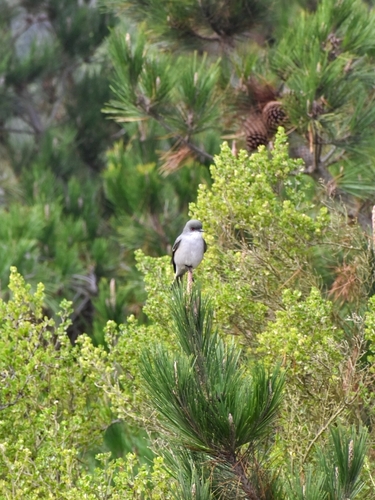
アカメタイランチョウ (Pyrope pyrope) アカメタイランチョウ
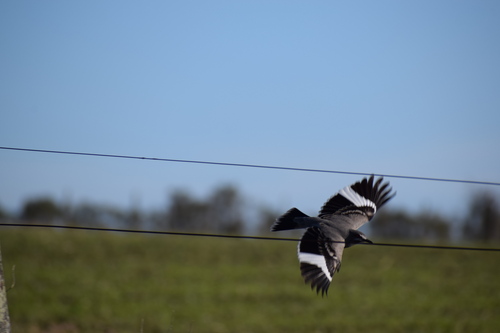
ハイムネタイランチョウ (Nengetus cinereus) ハイムネタイランチョウ

メディア

読み込み中…

要点

アカメタイランチョウとハイムネタイランチョウの最も信頼できるフィールドマークは、特に飛行中に明らかになるハイムネタイランチョウの強い白い翼と尾のパターンであり、対してアカメタイランチョウの翼と尾はずっと地味で暗い灰色です。両種とも成鳥は明るい赤い虹彩を持っていますが、ハイムネタイランチョウの大胆な白い顔の模様と翼のフラッシュは、アカメタイランチョウのより均一な灰色に対して際立っています。両種の幼鳥は赤い目を欠いていますが、ハイムネタイランチョウは依然として翼と尾により多くの白を示します。構造とサイズも異なります:ハイムネタイランチョウはよりがっしりとしていて長く、体格が重く尾も長いです。特に飛行中や遠くで見られる鳥に対しては、最初に翼と尾のパターンを使用してください。

識別のコツ

  1. 白い翼と尾のパターン(全ての年齢、特に飛行中): ハイムネタイランチョウは、一次羽の基部が大胆な白、白い先端の翼覆い、広い白い先端を持つ黒い尾を示し、飛行中に際立ったコントラストを生み出し、しばしば休んでいる時にも見えます。アカメタイランチョウはこれらの特徴を欠いており、淡い灰色のエッジを持つ平凡な暗灰色の翼と、わずかに淡い先端の尾を持っています。

  2. 顔の模様(成鳥): ハイムネタイランチョウは、広い白い眉(スーペリキリウム)、細い白い口ひげ、広い黒いマラーストライプを持ち、強く特徴的な顔をしています。アカメタイランチョウの顔は均一な暗灰色で、強い模様はありません。

  3. 腹部: ハイムネタイランチョウの喉と腹は明るい白で、灰色の胸とのきれいな分割があります。アカメタイランチョウの喉は淡い灰色で微かな筋があり、胸はより暗い灰色で、腹は灰白色で、ハイムネタイランチョウほどきれいな白ではありません。

  4. 虹彩の色(成鳥): 両種とも成鳥は明るい赤い虹彩を持っているため、これでは区別できません。両方の幼鳥は茶色の虹彩を持っています。

  5. 幼鳥の羽毛: 幼鳥のハイムネタイランチョウは成鳥のように模様があり、翼と尾に白がありますが、幼鳥のアカメタイランチョウは平凡で強い白い模様が欠けています。

  6. サイズと構造: ハイムネタイランチョウはより大きく重く、尾が長く体格ががっしりしています。アカメタイランチョウはより小さくコンパクトです。これは両種が一緒に見られる時や経験がある時に最も有用です。

  7. くちばしと脚: 両方とも黒いくちばしと脚を持ち、区別には役立ちません。

  8. 止まり方: ハイムネタイランチョウはしばしば開けた場所で直立して目立つように止まり、アカメタイランチョウはより控えめで茂みや川の近くの生息地に見られることがあります。

  9. 飛行のディスプレイ: ハイムネタイランチョウのディスプレイは、止まり木から飛び立ち戻るループ状の波打つ飛行です。アカメタイランチョウのディスプレイは高く、ゆっくりとした翼で静かな飛行です。

  10. 生息地の文脈: アルゼンチンとチリでは、アカメタイランチョウは茂みや川の近くの地域に多く見られ、ハイムネタイランチョウは開けた野原やサバンナを好みます。アルゼンチン/チリ以外では、「アカメタイランチョウ」はほぼ確実にハイムネタイランチョウです。

  11. 止まっている時の尾のパターン: ハイムネタイランチョウの尾は止まっている時でも白い先端を示しますが、アカメタイランチョウの尾はより均一に暗灰色で、わずかに淡い先端しかありません。

  12. 止まっている時の翼のパネル: ハイムネタイランチョウの一次羽の白い基部と白い先端の覆いは、飛行していない時でも淡い翼のパネルを作ることができますが、アカメタイランチョウの翼は暗く平凡なままです。

  13. 落とし穴 – 赤い目: 赤い虹彩だけに頼らないでください。両種とも成鳥としてこれを共有しています。幼鳥の場合、赤い目がないことは区別には役立ちません。

  14. 落とし穴 – 一般的な灰色: 両方とも灰色のフライキャッチャーですが、ハイムネタイランチョウは白と黒のコントラストで非常に鮮やかに特徴付けられているのに対し、アカメタイランチョウは全体的に平凡で暗いです。

  15. 季節的変化: どちらの種にも重要な季節的羽毛の変化は見られず、年齢と翼/尾のパターンが区別にはより重要です。

大きさ

ハイムネタイランチョウはアカメタイランチョウよりも明らかに大きく重いです。ハイムネタイランチョウは21–25 cmの長さで、50–62 gの重さがありますが、アカメタイランチョウは18.5–21.5 cmで31–50 gです。このサイズの違いはフィールドでしばしば見られ、ハイムネタイランチョウはよりがっしりとしていて尾が長いように見えます。しかし、ハイムネタイランチョウの小さい端とアカメタイランチョウの大きい端の重なりにより、サイズだけでは常に診断的ではなく、特に単独で見られる場合や遠くで見られる場合にはそうです。

羽色

行動

両種とも止まり木から地面に落ちたり、昆虫を捕まえるために飛び出したりするフライキャッチャーで、しばしば見られます。ハイムネタイランチョウはより目立つ傾向があり、しばしば開けた場所で止まり、ループ状の波打つディスプレイ飛行を行います。アカメタイランチョウは単独またはペアで見られることが多く、時には川の近くの植生の近くに見られ、そのディスプレイ飛行は高く、ゆっくりとした翼で静かです。ハイムネタイランチョウは、露出した枝や木の穴を巣作りに利用するなど、より多様な止まり木を使用することがあります。

生息環境

両種はアルゼンチンで重なり合い、開けた国に見られますが、彼らの広い範囲は異なります:アカメタイランチョウはアルゼンチンとチリに制限されており(フォークランド諸島への稀な漂流を除く)、ハイムネタイランチョウは南アメリカ全体に広く分布しており、アルゼンチン、ボリビア、ブラジル、パラグアイ、ペルー、スリナム、ウルグアイで見られます。重なり合う地域では、アカメタイランチョウは茂みの多い地域や川の近くの植生に多く見られ、ハイムネタイランチョウは開けた生息地を好み、開けた野原やサバンナで見られる可能性が高いです。

より良い説明を送る

比較と同じ項目を使ってください。文章はすぐに公開されます。

The most reliable field mark between Fire-eyed Diucon and Grey Monjita is the strong white wing and tail pattern of the Grey Monjita, especially obvious in flight, versus the much plainer, dark gray wings and tail of the Fire-eyed Diucon. Both species have a bright red iris as adults, but the Monjita’s bold white facial markings and wing flashes stand out against the Diucon’s more uniform gray. Juveniles of both species lack the red eye, but the Monjita still shows more white in the wings and tail. Structure and size also differ: Grey Monjita is bulkier and longer, with a heavier build and longer tail. Use wing and tail pattern first, especially for birds in flight or at a distance.

  1. White wing and tail pattern (all ages, especially in flight): Grey Monjita shows bold white bases to the primaries, white-tipped wing coverts, and a black tail with wide white tips, creating a striking contrast in flight and often visible at rest. Fire-eyed Diucon lacks these features, having plain dark gray wings with only pale gray edges and a tail with only slightly paler tips.

  2. Facial pattern (adults): Grey Monjita has a wide white supercilium (eyebrow), a thin white moustache, and a broad black malar stripe, giving it a strongly marked face. Fire-eyed Diucon’s face is uniform dark gray with no strong markings.

  3. Underparts: Monjita’s throat and belly are bright white, with a clean division from the ashy gray breast. Diucon’s throat is pale ashy gray with faint streaks, breast is darker ashy gray, and belly is only grayish white, never as cleanly white as Monjita.

  4. Iris color (adults): Both species have a bright red iris as adults, so this does not help separate them. Juveniles of both have a brown iris.

  5. Juvenile plumage: Juvenile Monjita is still patterned like the adult, with white in the wings and tail, while juvenile Diucon is plain and lacks strong white markings.

  6. Size and structure: Monjita is larger and heavier, with a longer tail and bulkier build. Diucon is smaller and more compact. This is most useful when both species are seen together, or with experience.

  7. Bill and legs: Both have black bills and legs, not useful for separation.

  8. Perched posture: Monjita often perches upright and conspicuously in open areas, while Diucon may be more retiring and found in shrubbier or streamside habitats.

  9. Flight display: Monjita’s display is a looping, undulating flight from and back to a perch. Diucon’s display is a high, slow-winged, silent flight.

  10. Habitat context: In Argentina and Chile, Diucon is more likely in shrubby or riparian areas; Monjita prefers open fields and savannas. Outside Argentina/Chile, a 'Diucon' is almost certainly a Monjita.

  11. Tail pattern at rest: Monjita’s tail shows white tips even when perched, while Diucon’s tail is more uniformly dark gray with only slightly paler tips.

  12. Wing panel at rest: The white bases to the primaries and white-tipped coverts of Monjita can create a pale wing panel even when not in flight; Diucon’s wings remain dark and plain.

  13. Pitfall – red eye: Do not rely on red iris alone, as both species share this as adults. For juveniles, the lack of red eye does not help separate them.

  14. Pitfall – general grayness: Both are gray flycatchers, but Monjita is much more sharply marked with white and black contrasts, while Diucon is overall plainer and darker.

  15. Seasonal variation: No significant seasonal plumage change is noted for either species; age and wing/tail pattern are more important for separation.

Grey Monjita is distinctly larger and heavier than Fire-eyed Diucon. The Monjita measures 21–25 cm in length and weighs 50–62 g, while the Diucon is 18.5–21.5 cm and 31–50 g. This size difference is often visible in the field, with Monjita appearing bulkier and longer-tailed. However, overlap at the small end of Monjita and large end of Diucon means size alone is not always diagnostic, especially if seen singly or at a distance.

  • Juvenile/immature birds: Both species have a brownish tinge to the gray and lack the adult's red iris, but the Grey Monjita already shows its characteristic white wing bases and tail tips, which are visible in flight and often at rest. The Diucon juvenile is plainer, with a brown iris and no strong white in the wings or tail.

  • Adults: Grey Monjita is strikingly marked with a wide white supercilium (eyebrow), thin white moustache, and a broad black malar stripe, plus black wings with wide white bases to the primaries (creating a bold white panel in flight), white-tipped wing coverts, and a black tail with wide white tips. Fire-eyed Diucon is much more uniform: dark gray crown and upperparts, blackish wings with only pale gray edges to inner remiges, and a dark gray tail with only slightly paler outer feathers and tips. The Diucon's throat is pale ashy gray with faint streaks, breast darker ashy gray, and belly/vent grayish white to white. The Monjita’s underparts are whiter overall, especially the throat and belly.

  • Iris: Both adults have a bright red iris, but this is not useful for separating them from each other. Juveniles of both species have a brown iris.

Both species are perch-and-sally flycatchers, often seen dropping from a perch to the ground or sallying out to catch insects. Grey Monjita tends to be more conspicuous, often perching in open areas and making looping, undulating display flights. Fire-eyed Diucon is more likely to be found singly or in pairs, sometimes near streamside vegetation, and its display flight is high and slow-winged but silent. Monjita may use a wider variety of perches, including exposed branches and even holes in trees for nesting.

Both species overlap in Argentina and can be found in open country, but their broader ranges differ: Fire-eyed Diucon is restricted to Argentina and Chile (with rare vagrancy to the Falklands), while Grey Monjita is much more widespread in South America, found in Argentina, Bolivia, Brazil, Paraguay, Peru, Suriname, and Uruguay. In areas of overlap, Diucon is more associated with shrubby areas and streamside vegetation, while Monjita favors open habitats and is more likely to be seen in open fields or savannas.

変更を破棄しますか?

保存していない編集があります。今離れると失われます。

アカメタイランチョウ · ハイムネタイランチョウ · 苦手な鳥