

Motmot

ヨーロッパノビタキ 対 シベリアノビタキ

Saxicola rubicola 対 Saxicola maurus

ヨーロッパノビタキとシベリアノビタキのクイズ
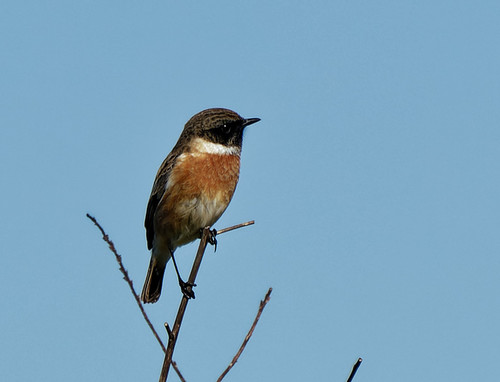
ヨーロッパノビタキ (Saxicola rubicola) ヨーロッパノビタキ
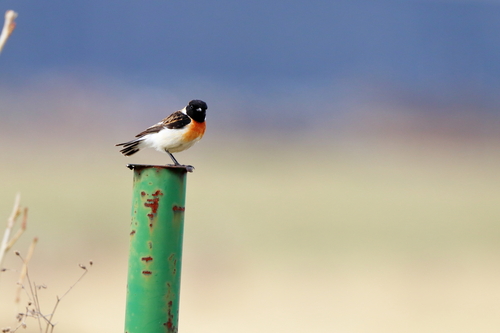
シベリアノビタキ (Saxicola maurus) シベリアノビタキ

メディア

読み込み中…

要点

ヨーロッパノビタキとシベリアノビタキの最も信頼できるフィールドマークは、特にオスと初冬の個体における尾羽と襟の白色の広がりと明るさです。シベリアノビタキのオスは目立つ白い尾羽と完全な白い襟を持ち、下部はより淡く、オレンジ色が少ないのに対し、ヨーロッパノビタキのオスは小さく、しばしば縞模様のある白い尾羽と半分の襟しか持ちません。メスと幼鳥はより難しいです:シベリアは淡い、縞模様のない尾羽といくつかの白い首の斑点を持つ傾向がありますが、ヨーロッパのメスは全体的に茶色で、縞模様のある尾羽を持ち、首には白がありません。構造は似ていますが、シベリアは翼が長く見えることがあります。地理的文脈を常に考慮し、シベリアに非常に似ている淡い南部ヨーロッパノビタキに注意してください。

識別のコツ

  1. 尾羽の色と模様(すべての年齢): シベリアノビタキは大きく、きれいな白(またはメス/幼鳥では淡いピンクがかった黄色)の尾羽を示し、通常は縞模様がありません。ヨーロッパノビタキは小さく、しばしば黒い縞模様のある白い尾羽を持っています。これは飛行中または鳥が尾を振ったときに最も信頼できます。
  2. 襟(オス、一部のメス): シベリアのオスは首を囲む完全で明るい白い襟を示し、ヨーロッパのオスは側面に白い半襟しか持っていません。シベリアのメスは白い首の斑点を示すことがありますが、ヨーロッパのメスはこれを欠いています。
  3. 下部(オス): シベリアのオスは淡い、白い下部を持ち、制限されたオレンジ色の喉の斑点があります。ヨーロッパのオスは胸と喉がより豊かなオレンジ色で、さらに下に伸びています。
  4. 上部(オス): シベリアのオスは上部が黒く、ヨーロッパのオスによく見られる茶色のトーンが欠けています。
  5. メス/幼鳥の羽毛: シベリアのメスは上部が淡い茶色で、淡い、縞模様のない尾羽といくつかの白い首の斑点を持っています。ヨーロッパのメスはより暗い茶色で、縞模様のある尾羽を持ち、首には白がありません。
  6. 翼の模様(すべての年齢): 両種は白い肩羽の斑点を持っていますが、ヨーロッパノビタキではこれがしばしば淡い白で、特にメスではあまり広がりがありません。シベリアでは、斑点がより明るく、より明確です。
  7. 眉斑(冬のオス): 冬のシベリアノビタキのオスは淡い眉斑を示すことがあり、マミジロノビタキに似ていますが、完全な白い襟を保持します。ヨーロッパノビタキは強い眉斑がありません。
  8. 主翼の突出と印象: 両種は短い翼を持っていますが、シベリアはわずかに長い翼を持ち、より直立して見えることがありますが、これは微妙で常に信頼できるわけではありません。
  9. 地理的文脈: 西ヨーロッパでは、シベリアノビタキは珍しい迷鳥であり、ヨーロッパノビタキは一般的です。しかし、淡い南部ヨーロッパノビタキはシベリアに似ることがあるため、複数のフィールドマークを使用してください。
  10. 淡いヨーロッパノビタキの落とし穴: 南部ヨーロッパ(例:アルガルヴェ、シチリア)からの鳥は非常に淡く、大きな白い尾羽を持ち、シベリアに近い外観になることがあります。尾羽の縞模様と襟の広がりを確認してください。
  11. 性差: オスはメスや幼鳥よりも分けやすいです。メスと若い鳥は尾羽と襟に注意を払う必要があります。
  12. 信頼できるサイズの違いはない: これらの種を分けるためにサイズや体格に頼らないでください。
  13. 生息地の重複: 両種は似たような開けた低木の生息地を使用します;生息地は診断的ではありません。
  14. 声はこれらのメモでは診断的ではない: ここでは声の違いは説明されていません;分離のために呼び声に頼らないでください。
  15. マークの組み合わせを使用する: 特に淡いヨーロッパノビタキでは、常に診断的な単一の特徴はありません。尾羽の色/模様、襟の広がり、下部の色、および文脈を組み合わせて最良の結果を得てください。

大きさ

両種はサイズが非常に似ており、ヨーロッパノビタキは長さ11.5〜13 cm、体重は13〜17 gです [wikipedia]。シベリアノビタキは提供されたメモではサイズの違いについて説明されておらず、両方とも小型のスズメ目の鳥として説明されています。フィールドでは、サイズはこれら二つの間で信頼できる分離要因ではありません。

羽色

幼鳥と初冬の鳥はしばしば混乱の原因となります。これらの年齢では、尾羽と翼の模様に焦点を当ててください:

要約すると、尾羽と襟の白の広がりと清潔さ、そして縞模様の有無がすべての羽毛において重要です。

行動

行動は提供されたメモでは明確に異なりません。両種は低木や低い植生に直立して止まり、石のような鳥に典型的な同様の採餌と巣作りの行動を持っています。飛行スタイルと印象は信頼できる違いとして説明されていません。

生息環境

ヨーロッパノビタキはヨーロッパ全体に分布し、低木の生息地、海岸の砂丘、散在する低木、ギンバイカ、またはヒースのある荒れた草地を好みます。シベリアノビタキは東パレアルクティックで繁殖し、旧世界の熱帯で越冬し、メモには特定の生息地の違いは記載されていません。西ヨーロッパでは、シベリアノビタキは珍しい迷鳥であるため、文脈と範囲が識別に役立つことがありますが、決定的ではありません。

より良い説明を送る

比較と同じ項目を使ってください。文章はすぐに公開されます。

The most reliable field mark between European Stonechat and Siberian Stonechat is the extent and brightness of white on the rump and collar, especially in males and first-winter birds. Siberian Stonechat males show a conspicuous white rump and full white collar, with paler, less orange underparts, while European Stonechat males have a smaller, often streaked white rump and only a half-collar. Females and immatures are trickier: Siberian tends to have a pale, unstreaked rump and some white neck patches, while European females are browner with streaked rumps and lack white on the neck. Structure is similar, but Siberian can look longer-winged. Always consider geographic context and beware pale southern European Stonechats, which can closely mimic Siberian.

  1. Rump color and pattern (all ages): Siberian Stonechat shows a large, clean white (or pale pinkish-yellow in females/immatures) rump, usually unstreaked. European Stonechat has a smaller, often black-streaked white rump. This is most reliable in flight or when the bird flicks its tail.
  2. Collar (males, some females): Siberian males show a full, bright white collar encircling the neck; European males have only a white half-collar on the sides. Females Siberian may show some white neck patches, European females lack these.
  3. Underparts (males): Siberian males have paler, whiter underparts with a restricted orange throat patch. European males are richer orange on the breast and throat, extending further down.
  4. Upperparts (males): Siberian males are blacker above, lacking the brownish tones often seen in European males.
  5. Female/immature plumage: Siberian females are paler brown above, with a pale, unstreaked rump and some white on the neck. European females are darker brown, with streaked rumps and no white on the neck.
  6. Wing pattern (all ages): Both species have a white scapular patch, but in European Stonechat this is often buffy-white and less extensive, especially in females. In Siberian, the patch is brighter and more defined.
  7. Supercilium (winter males): Siberian Stonechat males in winter can show a pale supercilium, resembling Whinchat, but retain the full white collar. European Stonechat lacks a strong supercilium.
  8. Primary projection and jizz: Both species have short wings, but Siberian may appear slightly longer-winged and more upright, though this is subtle and not always reliable.
  9. Geographic context: In western Europe, Siberian Stonechat is a rare vagrant; European Stonechat is common. However, pale southern European Stonechats can mimic Siberian, so use multiple field marks.
  10. Pitfalls with pale European Stonechats: Birds from southernmost Europe (e.g., Algarve, Sicily) can be very pale with large white rumps, approaching Siberian appearance. Check for streaking on the rump and the extent of the collar.
  11. Sex differences: Males are easier to separate than females or immatures. Females and young birds require careful attention to rump and collar.
  12. No reliable size difference: Do not rely on size or bulk to separate these species.
  13. Habitat overlap: Both use similar open, shrubby habitats; habitat is not diagnostic.
  14. Voice not diagnostic in these notes: No vocal differences are described here; do not rely on calls for separation.
  15. Use a combination of marks: No single feature is always diagnostic, especially in pale European Stonechats. Use rump color/pattern, collar extent, underpart color, and context together for best results.

Both species are very similar in size, with European Stonechat measuring 11.5–13 cm in length and weighing 13–17 g [wikipedia]. Siberian Stonechat is not described as differing in size in the provided notes, and both are described as small passerines. In the field, size is not a reliable separator between these two.

Juvenile and first-winter birds are often the source of confusion. For these ages, focus on the rump and wing pattern:

  • Siberian Stonechat (all ages, especially males and first-winters): Shows a conspicuous white rump that is clean and unstreaked, and a full white collar (especially in males). The underparts are paler, with less orange on the breast, and the upperparts are darker and blacker, lacking brownish tones. Females and immatures have a pale, pinkish-yellow, unstreaked rump and some white neck patches.

  • European Stonechat (all ages): Rump is smaller, often streaked with black, and the white is less extensive. Males have only a white half-collar, not a full one. Females are browner overall, with streaked rumps and no white on the neck or collar. Southernmost European Stonechats (e.g., from Algarve or Sicily) can be very pale and show more white on the rump, sometimes approaching Siberian, but usually still show streaking and lack the full collar.

In summary, the extent and cleanness of white on the rump and collar, and the presence or absence of streaking, are key for all plumages.

Behavior is not distinctly different in the provided notes. Both species perch upright on shrubs or low vegetation and have similar feeding and nesting behaviors typical of stonechats. Flight style and jizz are not described as reliably different.

European Stonechat is found across Europe, favoring heathland, coastal dunes, and rough grassland with scattered shrubs, gorse, or heather. Siberian Stonechat breeds in the East Palearctic and winters in the Old World tropics, with no specific habitat differences described in the notes. In western Europe, Siberian Stonechat is a rare vagrant, so context and range can be helpful but not definitive for identification.

変更を破棄しますか?

保存していない編集があります。今離れると失われます。

ヨーロッパノビタキ · シベリアノビタキ · 苦手な鳥