

Motmot

ヨーロッパノビタキ 対 ノビタキ

Saxicola rubicola 対 Saxicola stejnegeri

ヨーロッパノビタキとノビタキのクイズ
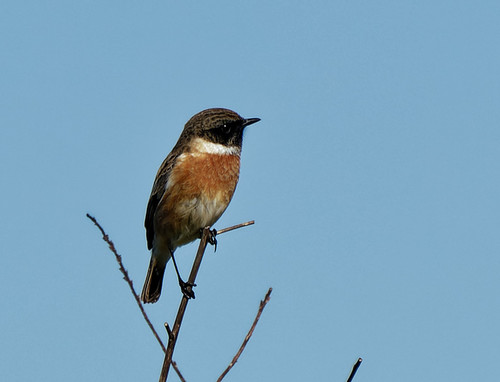
ヨーロッパノビタキ (Saxicola rubicola) ヨーロッパノビタキ
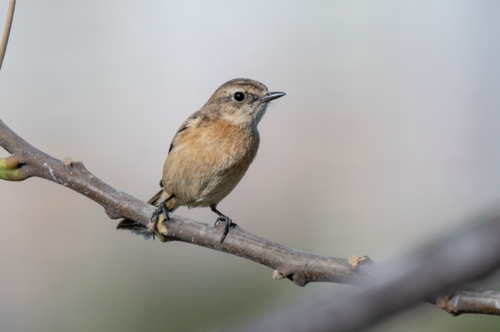
ノビタキ (Saxicola stejnegeri) ノビタキ

メディア

読み込み中…

要点

ヨーロッパノビタキとノビタキの間で最も信頼できるフィールドマークは、尾羽と腹部の色合いです:ノビタキ (Saxicola stejnegeri) は、尾羽が非常に白く、特にオスでは腹部がより淡く、オレンジ色が少ないのに対し、ヨーロッパノビタキ (Saxicola rubicola) は、より小さく、しばしば縞模様のある白い尾羽と豊かなオレンジ色の胸を持っています。幼鳥と雌の羽毛は特に難しいですが、ノビタキの雌と幼鳥は、より淡く、縞模様のない尾羽と少なくともいくつかの白い首の斑点を持つ傾向があり、暗く、縞模様のある、対照的でないヨーロッパの鳥とは異なります。飛行中、ノビタキはより明らかな白い尾羽と大きな白い翼の斑点を示すことがありますが、淡い南ヨーロッパノビタキとの重複に注意してください。構造は似ていますが、ヨーロッパノビタキはわずかに小さく、よりコンパクトで、翼が短いです。生息地と範囲は稀な迷鳥でのみ重なり、文脈はあまり役に立ちません。最も自信を持って区別するためには、尾羽の色、胸のオレンジ色の広がり、白い襟の斑点の存在を組み合わせて使用してください。

識別のコツ

  1. 尾羽の色(すべての年齢): ノビタキは、大きく、きれいな白または淡いピンクがかった黄色の尾羽を示し、特に飛行中に明らかです;ヨーロッパノビタキは、より小さく、しばしば縞模様のある白い尾羽(オス)または茶色の縞模様のある尾羽(雌/幼鳥)を持っています。
  2. 首の襟(成鳥のオスと雌): ノビタキのオスは、首を囲む完全で目立つ白い襟を持っています;ヨーロッパノビタキのオスは、側面に半襟しか示しません。ノビタキの雌はしばしばいくつかの白い首の斑点を示しますが、ヨーロッパの雌は首に白い部分がありません。
  3. 胸の色(成鳥のオス): ヨーロッパノビタキのオスは、より豊かで広範囲なオレンジ色の胸を持っています;ノビタキのオスは、より制限された淡いオレンジ色の喉と上胸を持ち、下部はより白いです。
  4. 頭部と上面(成鳥のオス): ノビタキのオスは、上面がジェットブラックで、茶色のトーンがありません;ヨーロッパノビタキのオスは、特に繁殖期のピークを過ぎると、黒の中に茶色が見られることがあります。
  5. 肩羽と翼の斑点(すべての年齢): ノビタキは、より大きく、明るい白い肩羽の斑点と、翼により広範囲な白を持つ傾向があり、止まっているときも飛んでいるときも見えます。ヨーロッパノビタキの翼の斑点は小さく、特に雌では淡い色合いになることがあります。
  6. 眉斑(非繁殖期のオス): 冬のノビタキのオスは、マミジロノビタキに似た淡い眉斑を示すことがあります;ヨーロッパノビタキのオスは、強い眉斑を示すことはありません。
  7. 雌/幼鳥の羽毛: 雌と幼鳥のノビタキは全体的に淡く、淡い腹部、縞模様のない淡い尾羽、そして少なくともいくつかの白い部分を首に持っています。ヨーロッパの雌と幼鳥はより暗く、縞模様のある茶色の尾羽を持ち、首には白い部分がありません。
  8. 飛行中の視点(すべての年齢): 飛行中、ノビタキはより明らかな白い尾羽と大きな白い翼の斑点を示します;ヨーロッパノビタキの白はより広範囲ではなく、縞模様や淡い色合いになる可能性が高いです。
  9. サイズと構造: ヨーロッパノビタキはわずかに小さく、よりコンパクトで、翼が短いです;ノビタキはわずかに長い翼を持っていますが、これは微妙で、両者が一緒にいる場合でないと信頼できません。
  10. 生息地と範囲: 注意して使用してください—ノビタキはヨーロッパでは稀な迷鳥です;西ヨーロッパのほとんどのノビタキはヨーロッパノビタキです。文脈は、鳥が範囲外にいる場合にのみ役立ちます。
  11. 季節的変化: ノビタキのオスは冬に白い襟を保持し、淡い眉斑を発達させます;ヨーロッパノビタキのオスは鈍くなりますが、完全な襟や眉斑を示すことはありません。
  12. 淡いヨーロッパノビタキの落とし穴: 一部の南ヨーロッパノビタキ (S. r. rubicola) は、非常に淡く、大きな白い尾羽を持ち、ノビタキに似ることがあります。この場合、胸のオレンジ色の広がり、完全な白い襟の有無、および尾羽のパターン(縞模様 vs. クリーン)に焦点を当ててください。
  13. 幼鳥の混乱: 幼鳥のノビタキは全体的に淡く、下部は縞模様が少なく、淡い尾羽を持っています;ヨーロッパの幼鳥はより強く縞模様があり、首や尾羽に白い部分がありません。
  14. 行動: 両種は似たように行動しますが、ノビタキはより落ち着きがなく、渡りの際に開けた土地で見られることが多いです。
  15. 声: 提供されたメモには含まれていません;現在の情報に基づいて分離のために声に依存しないでください。

大きさ

ヨーロッパノビタキはノビタキよりわずかに小さく(11.5–13 cm、13–17 g)、その違いは微妙で、両者が並んでいない限り、フィールドで信頼できません。両者は小さく、直立した短尾のチャットですが、ヨーロッパノビタキはややコンパクトに見え、相対的に翼が短い傾向があります。一方、ノビタキはわずかに長い翼を持ち、より移動性のある習性を反映しています。くちばしと尾の比率は非常に似ており、診断的ではありません。

羽色

幼鳥と初冬の鳥:ノビタキ(すべての年齢、特に雌と幼鳥)は、淡い、縞模様のないピンクがかった黄色または白い尾羽を示し、雌でも少なくともいくつかの白い首の斑点を持っています。ヨーロッパノビタキの幼鳥と雌は、縞模様のある茶色の尾羽を持ち、白い襟や首の斑点はありません;唯一の白は、小さく、しばしば淡い肩羽の斑点です。成鳥の繁殖期のオスでは、ノビタキは上面が暗く、ジェットブラックの頭と背中、目立つ完全な白い襟、大きな白い肩羽と尾羽の斑点、より制限されたオレンジ色の喉を持っています。ヨーロッパノビタキのオスは、黒い頭と上面(時には茶色のトーンを含む)、半襟、そして小さく、しばしば縞模様のある白い尾羽を持っています;彼らの胸のオレンジ色はより広範囲で豊かです。非繁殖羽毛では、ノビタキのオスは淡い眉斑を発達させ、白い襟を保持しますが、ヨーロッパのオスは鈍くなりますが、完全な襟や眉斑を示すことはありません。ノビタキの雌は淡く、淡い縞模様のない尾羽と白い首の斑点を持っていますが、ヨーロッパノビタキの雌は暗く、縞模様のある尾羽と首には白い部分がありません。

行動

両種は、露出した茎、ワイヤー、または低木に直立して止まり、昆虫を捕まえてから目立つ止まり木に戻ります。ヨーロッパノビタキはわずかにより定住的で、より親しみやすく見えることがあります。ノビタキはより移動性があり、渡りの際に開けた土地で見られることが多いです。飛行は似ていますが、ノビタキはより長い翼を持ち、フラッシュされたときに翼と尾羽により多くの白を示すことがあります。

生息環境

ヨーロッパノビタキは、主にヨーロッパと北アフリカのヒースランド、沿岸の砂丘、荒れた草地、散在する低木や茨のある開けた茂みを好みます。ノビタキは、北アジアと中央アジアの開けた土地、草原、ステップで繁殖し、旧世界の熱帯地方で冬を越します。重なりは稀で、通常はヨーロッパでの迷鳥のノビタキにのみ発生します。生息地は、鳥が期待される範囲から大きく外れていない限り、信頼できる区別要因ではありません。

より良い説明を送る

比較と同じ項目を使ってください。文章はすぐに公開されます。

The most reliable field mark between European Stonechat and Amur Stonechat is the rump and underparts coloration: Amur Stonechat (Saxicola stejnegeri) shows a much whiter rump and paler, less orange underparts, especially in males, while European Stonechat (Saxicola rubicola) has a smaller, often streaked white rump and richer orange breast. Juvenile and female plumages are particularly tricky, but Amur females and immatures tend to have paler, unstreaked rumps and at least some white neck patches, unlike the darker, streaked, and less contrasting European birds. In flight, Amur Stonechat can show a more obvious white rump and larger white wing patches, but beware overlap in pale southern European Stonechats. Structure is similar, but European Stonechat is slightly smaller and more compact, with shorter wings. Habitat and range overlap only in rare vagrancy, so context is rarely helpful. Use a combination of rump color, extent of orange on the breast, and presence of white collar patches for the most confident separation.

  1. Rump color (all ages): Amur Stonechat shows a large, clean white or pale pinkish-yellow rump, especially obvious in flight; European Stonechat has a smaller, often streaked white rump (males) or brown, streaked rump (females/immatures).
  2. Neck collar (adult males and females): Amur Stonechat males have a full, conspicuous white collar encircling the neck; European Stonechat males show only a half-collar on the sides. Female Amur Stonechats often show some white neck patches, while European females lack any white on the neck.
  3. Breast color (adult males): European Stonechat males have a richer, more extensive orange breast; Amur Stonechat males have a more restricted, paler orange throat and upper breast, with whiter underparts below.
  4. Head and upperparts (adult males): Amur Stonechat males are jet-black above, lacking brownish tones; European Stonechat males can show some brown in the black, especially outside peak breeding.
  5. Scapular and wing patch (all ages): Amur Stonechat tends to have a larger, brighter white scapular patch and more extensive white in the wing, visible both perched and in flight. European Stonechat's wing patch is smaller and can be buffy, especially in females.
  6. Supercilium (non-breeding males): Amur Stonechat males in winter may show a pale supercilium, resembling Whinchat; European Stonechat males never show a strong supercilium.
  7. Female/immature plumage: Female and immature Amur Stonechats are paler overall, with paler underparts, unstreaked pale rumps, and at least some white on the neck. European females and immatures are darker, with streaked brown rumps and no white on the neck.
  8. Flight views (all ages): In flight, Amur Stonechat shows a more obvious white rump and larger white wing patches; European Stonechat's white is less extensive and more likely to be streaked or buffy.
  9. Size and structure: European Stonechat is slightly smaller and more compact, with shorter wings; Amur Stonechat is marginally longer-winged, but this is subtle and not reliable unless both are together.
  10. Habitat and range: Use with caution—Amur Stonechat is a rare vagrant in Europe; most stonechats in western Europe are European Stonechat. Context only helps if the bird is far out of range.
  11. Seasonal changes: Amur Stonechat males retain the white collar in winter and develop a pale supercilium; European Stonechat males become duller but never show a full collar or supercilium.
  12. Pitfalls with pale European Stonechats: Some southern European Stonechats (S. r. rubicola) can be very pale with large white rumps, resembling Amur Stonechat. In these cases, focus on the extent of orange on the breast, the presence or absence of a full white collar, and the pattern of the rump (streaked vs. clean).
  13. Juvenile confusion: Juvenile Amur Stonechats are paler and less streaked below, with a pale rump; European juveniles are more heavily streaked and lack any white on the neck or rump.
  14. Behavior: Both species behave similarly, but Amur Stonechat may appear more restless and is more likely to be seen in open country during migration.
  15. Voice: Not covered in the provided notes; do not rely on vocalizations for separation based on current information.

European Stonechat is slightly smaller (11.5–13 cm, 13–17 g) than Amur Stonechat, but the difference is subtle and not reliable in the field unless both are side-by-side. Both are small, upright, short-tailed chats, but European Stonechat tends to look a bit more compact with proportionally shorter wings, while Amur Stonechat is marginally longer-winged, reflecting its more migratory habits. Bill and tail proportions are very similar and not diagnostic.

Juvenile and first-winter birds: Amur Stonechat (all ages, especially females and immatures) shows a pale, unstreaked pinkish-yellow or white rump and at least some white neck patches, even in females. European Stonechat juveniles and females have a streaked brown rump and lack any white collar or neck patch; the only white is a small, often buffy scapular patch. In adult breeding males, Amur Stonechat is darker above, with a jet-black head and back, a conspicuous full white collar, large white scapular and rump patches, and a more restricted orange throat. European Stonechat males have a black head and upperparts (sometimes with brownish tones), a half-collar, and a smaller, often streaked white rump; their orange on the breast is more extensive and richer. In non-breeding plumage, Amur males develop a pale supercilium and retain the white collar, while European males become duller but never show a full collar or supercilium. Female Amur Stonechats are paler, with a pale unstreaked rump and white neck patches, while female European Stonechats are darker, with a streaked rump and no white on the neck.

Both species perch upright on exposed stems, wires, or shrubs, sallying out for insects and then returning to a prominent perch. European Stonechat is slightly more sedentary and may appear more confiding. Amur Stonechat, being more migratory, can seem more restless and is more likely to be seen in open country during passage. Flight is similar, but Amur may appear longer-winged and show more white in the wing and rump when flushed.

European Stonechat favors heathland, coastal dunes, rough grassland, and open scrub with scattered shrubs or bramble, mostly in Europe and North Africa. Amur Stonechat breeds across northern and central Asia in open country, grasslands, and steppe, and winters in the Old World tropics. Overlap is rare and usually only occurs with vagrant Amur Stonechats in Europe. Habitat is not a reliable separator unless the bird is far outside the expected range.

変更を破棄しますか?

保存していない編集があります。今離れると失われます。

ヨーロッパノビタキ · ノビタキ · 苦手な鳥