

Motmot

ヨーロッパムナグロ 対 ムナグロ

Pluvialis apricaria 対 Pluvialis fulva

ヨーロッパムナグロとムナグロのクイズ
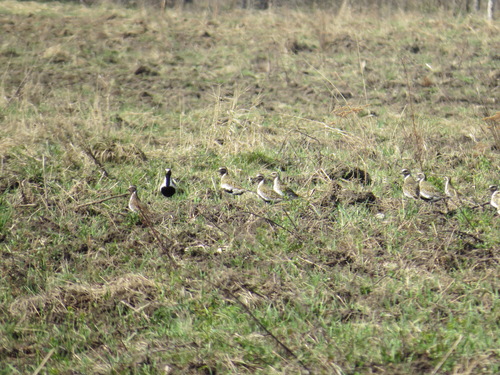
ヨーロッパムナグロ (Pluvialis apricaria) ヨーロッパムナグロ
ムナグロ (Pluvialis fulva) ムナグロ

メディア

読み込み中…

要点

ヨーロッパムナグロとムナグロの間で最も信頼できるフィールドマークは、飛行中に見える腋羽(脇の羽)の色です:ヨーロッパは白、ムナグロは灰色です。構造も重要です:ムナグロはスリムで、脚が長く、全体的にやや小さいです。繁殖羽では、両種ともに黒い顔と白で縁取られた腹部を示しますが、ムナグロは上面がより金色で、より繊細に見えます。非繁殖の鳥はより難しいですが、ムナグロはより黄色く、脚が長いままです。未熟な鳥や飛んでいる鳥はしばしば混同されるため、翼と体の形、腋羽の色、脚の長さに注目してください。

識別のコツ

  1. Axillary (armpit) color in flight: ヨーロッパムナグロは白い腋羽を示し、ムナグロは灰色です。これは、飛行中または羽を伸ばしている鳥にとって最も信頼できるマークです。
  2. Structure: ヨーロッパはがっしりしていてコンパクトで、比較的短い脚と尾よりわずかに長い翼を持っています。ムナグロはスリムで、脚が長く、より優雅で、より長い一次投影を持っています。
  3. Leg length: 遠くからでも、ムナグロの脚は長く見え、飛行中に尾を超えて突き出すことがよくあります。ヨーロッパの脚は短く、あまり目立ちません。
  4. Overall size: ヨーロッパは重くてがっしりしていますが、重複に注意してください—他のマークと併用してください。
  5. Breeding plumage (adult males): 両方とも黒い顔と白で縁取られた腹部を持っていますが、ムナグロは上面がより明るい金色で、より細身です。ヨーロッパの白い縁は、額から側腹にかけて独特のS字型を形成します。
  6. Breeding plumage (females): ムナグロの雌は、まだらであまり広がらない黒い腹部を持っています;ヨーロッパの雌は似ていますが、通常はより明確な白い縁を示します。
  7. Nonbreeding plumage: ムナグロは背中でより黄色く、より金色を保ちます;ヨーロッパは全体的に鈍く、灰色です。両方とも黒い腹部を失います。
  8. Juvenile plumage: 両方とも上面に金色の斑点がありますが、ムナグロはより明るく、より金色です。脚の長さが助けになります:ムナグロの幼鳥は孵化時でも長い脚を持っています。
  9. Flight jizz: ヨーロッパは飛行中にがっしりしていて直接的に見えます;ムナグロは翼が長く、脚が長く、より浮遊感があります。
  10. Bill: ソースには強い違いは記載されていません;両方とも同様のサイズの黒いくちばしを持っています。
  11. Habitat: ヨーロッパでは、ほとんどすべての金色のムナグロはヨーロッパムナグロです;ムナグロは珍しい迷鳥です。太平洋では、文脈がより重要ですが、ヨーロッパは珍しいです。
  12. Voice: ヨーロッパは下降する「tuu」という呼び声を出します;ムナグロの呼び声はここでは記載されていないので、声に頼って分けないでください。
  13. Pitfall—アメリカムナグロ: 両種は互いに似ているよりもアメリカムナグロに似ています;三種すべてが可能な場合は混同に注意してください。
  14. Season: 渡りと冬の間、羽毛の違いは減少します—構造と腋羽の色により頼ってください。
  15. Flock composition: ヨーロッパはしばしば広い野原で大群を形成します;ムナグロは特に繁殖地の外では孤立しているか、小さな群れでいる可能性が高いです。

大きさ

ヨーロッパムナグロは明らかに重く(175g対135g)て、がっしりしており、コンパクトで頑丈な外観を持っています。翼は尾よりわずかに長いだけで、がっしりとした見た目に寄与しています。ムナグロはスリムで、脚が長く、より細長く優雅な体型をしています。直接比較すると、ムナグロは小さく、より細身に見え、特に両方が一緒に見られるときに顕著です。

羽色

飛行中のすべての年齢において、腋羽(脇の羽)は診断的です:ヨーロッパムナグロは白い腋羽を示し、ムナグロは灰色です。これは、鳥が翼を伸ばすときや上空を飛ぶときに最もよく見られます。繁殖羽では、両種ともに黒い顔、喉、腹部を持ち、白で縁取られていますが、ムナグロは上面がより明るい金色で、雌の黒はあまり広がらず、よりまだらです。非繁殖(冬)羽は両方ともずっと鈍くなりますが、ムナグロは背中と上面でより黄色く、より金色のトーンを保ち、ヨーロッパはより muted です。両種の幼鳥は上面に金色の斑点がありますが、ムナグロはより明るく、より金色です。羽毛の雛は似ていますが、ムナグロはより金色で、孵化時でも成鳥サイズの脚を持っています。

行動

ヨーロッパムナグロはより頑丈で活動的でないように見え、強力で規則的な飛行を持ち、広い野原で直立していることを好みます。ムナグロはより活動的で、しばしば開けた場所で走ったり餌を食べたりしているのが見られ、より警戒心が強く敏捷に見えます。飛行中、ムナグロは翼が長く、脚が長く、より軽やかで浮遊感のある印象を与え、ヨーロッパの重くて直接的な飛行と対照的です。

生息環境

ヨーロッパムナグロはヨーロッパ全体の湿原やツンドラで繁殖し、開けた野原や草地で冬を越します。ムナグロは北極ツンドラ(シベリア、アラスカ)で繁殖し、太平洋全域で広く冬を越し、しばしば開けた内陸地域、短い草、さらには都市公園やゴルフコースでも見られます。ヨーロッパでは、ムナグロは珍しい迷鳥であるため、文脈が役立ちます:ヨーロッパの金色のムナグロは、他に証明されない限りほぼ常にヨーロッパムナグロです。

声

ヨーロッパムナグロは単音節でわずかに下降する、メランコリックな「tuu」という呼び声を出します。ムナグロの呼び声は提供されたメモには記載されていないため、ここでは声は信頼できる分け方ではありません。

より良い説明を送る

比較と同じ項目を使ってください。文章はすぐに公開されます。

The most reliable field mark between European Golden Plover and Pacific Golden Plover is the color of the axillary (armpit) feathers, visible in flight: European has white, Pacific has grey. Structure is also key: Pacific is slimmer, longer-legged, and slightly smaller overall. In breeding plumage, both show black faces and underparts bordered with white, but Pacific is more golden above and appears more delicate. Nonbreeding birds are trickier, but Pacific remains yellower and leggier. Immature and flying birds are often confused, so focus on wing and body shape, axillary color, and leg length.

  1. Axillary (armpit) color in flight: European Golden Plover shows white axillaries; Pacific Golden Plover has grey. This is the single most reliable mark for birds in flight or stretching.
  2. Structure: European is thickset and compact, with relatively short legs and wings just longer than the tail. Pacific is slimmer, longer-legged, and more elegant, with a longer primary projection.
  3. Leg length: Even at a distance, Pacific's legs look longer and often project beyond the tail in flight. European's legs are shorter and less obvious.
  4. Overall size: European is heavier and bulkier, but beware overlap—use with other marks.
  5. Breeding plumage (adult males): Both have black faces and bellies bordered with white, but Pacific is brighter gold above and more slender. European's white border forms a distinctive S-shape from forehead to flanks.
  6. Breeding plumage (females): Pacific female has a mottled, less extensive black belly; European female is similar but usually shows a more defined white border.
  7. Nonbreeding plumage: Pacific remains yellower and more golden on the back; European is duller and greyer overall. Both lose the black underparts.
  8. Juvenile plumage: Both are gold-spotted above, but Pacific is brighter and more golden. Leg length can help: Pacific juveniles have long legs even at hatching.
  9. Flight jizz: European appears stocky and direct in flight; Pacific is longer-winged, longer-legged, and more buoyant.
  10. Bill: No strong difference noted in the sources; both have black bills of similar size.
  11. Habitat: In Europe, almost all golden plovers are European; Pacific is a rare vagrant. In the Pacific, context is more important, but European is rare.
  12. Voice: European gives a descending 'tuu' call; Pacific's call is not described here, so do not rely on voice for separation.
  13. Pitfall—American Golden Plover: Both species are more similar to American Golden Plover than to each other; beware confusion if all three are possible.
  14. Season: During migration and winter, plumage differences are reduced—rely more on structure and axillary color.
  15. Flock composition: European often flocks in large numbers in open fields; Pacific is more likely to be solitary or in small groups, especially outside breeding grounds.

European Golden Plover is noticeably heavier (175g vs 135g) and more thickset, with a compact, robust appearance. Its wings are only slightly longer than its tail, contributing to a stocky look. Pacific Golden Plover is slimmer, with longer legs and a more elongated, graceful build. In direct comparison, Pacific appears smaller and more finely built, especially when both are seen together.

For all ages in flight, the axillary (armpit) feathers are diagnostic: European Golden Plover shows white axillaries, while Pacific Golden Plover has grey. This is best seen when the bird stretches its wings or in overhead flight. In breeding plumage, both species have black faces, throats, and bellies bordered with white, but Pacific is brighter gold above and the black on females is less extensive and more mottled. Nonbreeding (winter) plumage is much duller in both, but Pacific retains a yellower, more golden tone on the back and upperparts, while European is more muted. Juveniles of both species are gold-spotted above, but Pacific is brighter and more golden. Downy chicks are similar, but Pacific is more golden and has adult-sized legs even at hatching.

European Golden Plover tends to appear more robust and less active, with a powerful, regular flight and a preference for standing upright in open fields. Pacific Golden Plover is more active, often seen running and feeding in open areas, and appears more alert and agile. In flight, Pacific looks longer-winged and longer-legged, with a lighter, more buoyant jizz compared to the heavier, more direct flight of European.

European Golden Plover breeds in moorland and tundra across Europe and winters in open fields and grasslands. Pacific Golden Plover breeds in Arctic tundra (Siberia, Alaska) and winters widely across the Pacific, often in open inland areas, short grass, and even urban parks and golf courses. In Europe, Pacific is a rare vagrant, so context can help: a golden plover in Europe is almost always European unless proven otherwise.

European Golden Plover gives a monosyllabic, slightly descending, melancholic 'tuu' call. Pacific Golden Plover's calls are not described in the provided notes, so voice is not a reliable separator here.

変更を破棄しますか?

保存していない編集があります。今離れると失われます。

ヨーロッパムナグロ · ムナグロ · 苦手な鳥