

Motmot

ヒドリガモ 対 オナガガモ

Mareca penelope 対 Anas acuta

ヒドリガモとオナガガモのクイズ
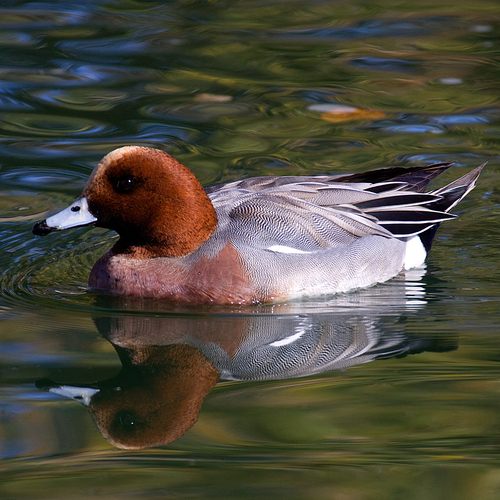
ヒドリガモ (Mareca penelope) ヒドリガモ
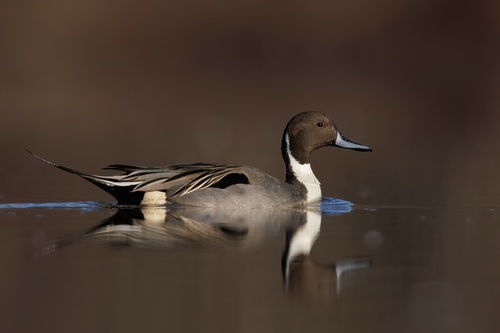
オナガガモ (Anas acuta) オナガガモ

メディア

読み込み中…

要点

ユーラシアヒドリガモとオナガガモの最も信頼できるフィールドマークは、オナガガモのオスの長く鋭く尖った中央尾羽であり、これはヒドリガモのどの年齢や性別にも存在しません。飛行中、両種は特徴的な上翼パターンを示しますが、ヒドリガモの大胆な白い上翼パッチ(両性別および年齢に見られる)は際立っており、オナガガモは白い後縁を持つより微妙なスペキュラムパターンを持っています。雌とエクリプス羽衣の鳥はしばしば混同されますが、ヒドリガモはコンパクトで丸い頭と短い首を持ち、オナガガモはより細長く、長い首を持ち、優雅で細長い形をしています。特に飛行中や群れの中での構造と翼のパターンに注意を払うことで、地味な個体でも区別できます。

識別のコツ

  1. 尾の形が重要: オナガガモのオス(すべての羽衣)は非常に長く尖った中央尾羽を持ち、鋭くピンのような尾を形成します。ヒドリガモはこの特徴を示しません。雌のオナガガモはヒドリガモよりも長く尖った尾を持っていますが、オスほど極端ではありません。
  2. 飛行中の上翼パターン: すべてのヒドリガモ(オス、雌、幼鳥)は上翼に大胆な白いパッチを示し、静止時と飛行時の両方で見えます。オナガガモはこれを欠いており、代わりに雌や幼鳥で最も目立つ白い後縁を持つ暗いスペキュラムを探してください。
  3. 頭と首の構造: オナガガモは細長く、長い首と小さな頭を持ち、優雅で伸びた外観を与えます。ヒドリガモはコンパクトで、短い首と丸い頭を持ち、オナガガモと比べて「ブロック状」に見えることがよくあります。
  4. くちばしの色と形: 両種とも青灰色のくちばしを持っていますが、オナガガモの方が長く細い形をしています。ヒドリガモのくちばしは短くて太めです。
  5. 繁殖期のオスの羽衣: オスのヒドリガモはクリーミーな冠を持つ栗色の頭、ピンクの胸、灰色の側面を持っています。オスのオナガガモはチョコレートブラウンの頭、白い首のストライプ、長い灰色のスカプラを持っています。これらはよく見れば間違いなく識別できます。
  6. 雌とエクリプスの混同: 雌のヒドリガモは淡い茶色で、時には赤褐色または灰色がかった頭を持っていますが、常にコンパクトです。雌のオナガガモはよりまだら模様で、より均一な灰褐色の頭と長く細い首を持っています。エクリプスのオスは両種とも雌に似ていますが、オナガガモのオスは長い尾と上翼パターンを保持します。
  7. 幼鳥の上翼: 幼鳥のオナガガモは狭い白い後縁を持つ鈍い茶色のスペキュラムを持っていますが、幼鳥のヒドリガモはまだ白い上翼パッチを示します。
  8. 姿勢と印象: オナガガモは首を伸ばし、尾をしばしば上げて泳ぎ、優雅で細長い印象を与えます。ヒドリガモは水中でより水平でコンパクトです。
  9. 混合群れでのサイズ: オナガガモはヒドリガモよりも明らかに大きく、長い首を持っています。両種が一緒にいるときにこれを利用してください。
  10. 声: ヒドリガモのオスは明確な二音の口笛を発し、オナガガモのオスの柔らかいフルートのような口笛よりも高い音です。雌はあまり特徴的ではありませんが、ヒドリガモは一般的により声が大きいです。
  11. 生息地の重複: 両種は一緒に生息することがあるため、生息地だけに頼らないでください。ただし、ヒドリガモは陸で草を食べているのがよりよく見られることが多く、オナガガモはより水生的です。
  12. 落とし穴: 照明が悪い場合や距離がある場合、雌やエクリプス羽衣の鳥は非常に似ていることがあります。最良の区別のために、構造(首と尾の長さ)、飛行中の上翼パターン、群れの文脈に焦点を当ててください。
  13. マークが失敗したとき: 頭と首だけが見える場合、オナガガモの長い首と細い頭が明らかになることがあります。背中だけが見える場合は、白い翼のパッチ(ヒドリガモ)または長いスカプラと尖った尾(オナガガモ)を探してください。

大きさ

オナガガモはユーラシアヒドリガモよりも明らかに大きく、細長いです。オナガガモは平均約945.5gの体重を持ち、オスは最大76cmの長さと最大95cmの翼幅に達します。ヒドリガモはより小さく、コンパクトで、長さは42〜52cm、翼幅は71〜80cmです。フィールドでは、オナガガモは長い首とスリムに見え、ヒドリガモは短い首と丸い頭に見えます。このサイズと形の違いは、両種が一緒にいるときや混合群れの中で特に明らかです。

羽色

幼鳥と雌のオナガガモはまだら模様の茶色で、均一な灰褐色の頭と長く細い首を持っています。飛行中の上翼は鈍い茶色のスペキュラムを示し、狭い白い後縁が最も目立ちます。幼鳥のオナガガモは大人よりもきれいにスカラップされておらず、鈍いスペキュラムを持っています。それに対して、すべての年齢と性別のユーラシアヒドリガモは、静止時と飛行時の両方で見える大胆な白いパッチを上翼に示します。繁殖期のオスのヒドリガモはクリーミーな冠を持つ栗色の頭、ピンクの胸、灰色の側面を持ち、オスのオナガガモはチョコレートブラウンの頭、白い首のストライプ、長い灰色のスカプラを持っています。雌のヒドリガモは淡い茶色で、時には赤褐色または灰色がかった頭を持っていますが、常にオナガガモの細長い形と尖った尾を欠いています。エクリプス(非繁殖)羽衣では、オナガガモのオスは雌に似ていますが、長い尾と上翼パターンを保持し、ヒドリガモのオスは雌により似てきますが、白い翼のパッチを保持します。

行動

オナガガモは姿勢がより優雅で細長く、首を伸ばし、尾を上げて泳ぐことが多く、流線型の形を強調します。彼らの飛行は速く、翼はわずかに後ろに傾いています。ヒドリガモはよりコンパクトで、水中でより低く座り、より水平な姿勢と短い首を持っています。混合群れでは、オナガガモは直立した優雅な姿勢と長い首の動きで目立つ傾向があり、ヒドリガモはより丸みを帯びていて細長く見えません。

生息環境

両種は移動中や冬に湖、湿地、冠水した田んぼなど、類似の湿地生息地に見られます。ただし、オナガガモは開けた浅い水域で見られることが多く、時には陸を歩くこともありますが、ヒドリガモは水の近くの草地で草を食べていることが多く、よりコンパクトな群れで見られることが多いです。生息地の重複は一般的であるため、文脈だけでは信頼できる区別にはなりません。

声

ヒドリガモは特にオスの明確な二音の口笛で知られています。オナガガモのオスはフルートのような口笛を発し、雌は粗いクワックを出します。ヒドリガモの口笛は高音でより鋭く、オナガガモの声は柔らかく、混合群れではあまり特徴的ではありません。ただし、フィールドでは特に繁殖期以外では呼び声が常に聞こえるわけではありません。

より良い説明を送る

比較と同じ項目を使ってください。文章はすぐに公開されます。

The most reliable field mark between Eurasian Wigeon and Northern Pintail is the male Pintail's long, sharply pointed central tail feathers, which are never present in Wigeon of any age or sex. In flight, both species show distinctive upperwing patterns, but the Wigeon’s bold white upperwing patch (on both sexes and ages) stands out, while Pintails have a more subtle speculum pattern with a white trailing edge. Female and eclipse-plumaged birds are often confused, but Wigeon are compact with rounded heads and short necks, while Pintails are more slender, long-necked, and have a graceful, elongated shape. Careful attention to structure and wing pattern, especially in flight or among flocks, will separate even drab individuals.

  1. Tail shape is critical: Male Pintails (all plumages) have extremely long, pointed central tail feathers, giving a sharp, pin-like tail. No Wigeon ever shows this feature. Female Pintails have a longer, more pointed tail than Wigeon, but not as extreme as males.
  2. Upperwing pattern in flight: All Wigeon (male, female, juvenile) show a bold white patch on the upperwing, visible both at rest and in flight. Pintails lack this; instead, look for a dark speculum with a white trailing edge (most prominent in females and juveniles) and pale rufous at the front in males.
  3. Head and neck structure: Pintails are slender with a long neck and small head, giving a graceful, stretched appearance. Wigeon are compact, with a short neck and rounded head, often looking 'blocky' compared to Pintail.
  4. Bill color and shape: Both have blue-grey bills, but Pintail's is longer and more slender, matching its overall shape. Wigeon's bill is shorter and stubbier.
  5. Breeding male plumage: Male Wigeon have a chestnut head with a creamy crown, pink breast, and grey flanks. Male Pintails have a chocolate-brown head, white neck stripe, and long grey scapulars. These are unmistakable when seen well.
  6. Female and eclipse confusion: Female Wigeon are light brown, sometimes with a rufous or grayish head, but always compact. Female Pintails are more mottled and have a more uniform grey-brown head and a longer, slimmer neck. Eclipse males of both species resemble females, but Pintail males retain the long tail and upperwing pattern.
  7. Juvenile upperwing: Juvenile Pintails have a dull brown speculum with a narrow white trailing edge; juvenile Wigeon still show the white upperwing patch.
  8. Posture and jizz: Pintails swim with neck extended and tail often raised, looking elegant and elongated. Wigeon are more horizontal and compact in the water.
  9. Size in mixed flocks: Pintails are noticeably larger and longer-necked than Wigeon. Use this when both species are together.
  10. Voice: Wigeon males give a clear, two-note whistle, higher-pitched than the softer, flute-like whistle of Pintail drakes. Females are less distinctive but Wigeon are generally more vocal.
  11. Habitat overlap: Both species occur together, so do not rely on habitat alone. However, Wigeon may be more often seen grazing on land, while Pintails are more aquatic.
  12. Pitfalls: In poor light or at distance, female and eclipse-plumaged birds can be very similar. Focus on structure (neck and tail length), upperwing pattern in flight, and flock context for best separation.
  13. When marks fail: If only the head and neck are visible, Pintail's longer neck and more slender head may be apparent. If only the back is seen, look for the white wing patch (Wigeon) or long scapulars and pointed tail (Pintail).

Northern Pintail is notably larger and more elongated than Eurasian Wigeon. Pintails average around 945.5 g in body mass [wikidata], with males reaching up to 76 cm in length and a wingspan up to 95 cm [wikipedia]. Wigeon are smaller and more compact, with a length of 42–52 cm and a wingspan of 71–80 cm [wikipedia]. In the field, Pintails look longer-necked and sleeker, while Wigeon appear short-necked and round-headed. This size and shape difference is especially apparent when both species are together or in mixed flocks.

Juvenile and female Pintails are mottled brown with a uniform grey-brown head and a long, slender neck. Their upperwing in flight shows a dull brown speculum with a narrow white trailing edge, which is most prominent at the rear. Juvenile Pintails are less neatly scalloped and have a duller speculum than adults. In contrast, all ages and sexes of Eurasian Wigeon show a bold white patch on the upperwing, visible both at rest and in flight. Breeding male Wigeon have a chestnut head with a creamy crown, pink breast, and grey flanks, while male Pintails have a chocolate-brown head, white neck stripe, and long grey scapulars. Female Wigeon are light brown, sometimes with a rufous or grayish head, but always lack the Pintail’s elongated shape and pointed tail. In eclipse (non-breeding) plumage, male Pintails resemble females but keep the long tail and upperwing pattern, while male Wigeon become more like females but retain the white wing patch.

Pintails are more graceful and elongated in posture, often swimming with their necks extended and tails held up, accentuating their streamlined shape. Their flight is fast, with wings swept slightly back. Wigeon are more compact and sit lower in the water, with a more horizontal posture and shorter neck. In mixed flocks, Pintails tend to stand out by their upright, elegant stance and longer neck movements, while Wigeon appear more rounded and less elongated.

Both species can be found in similar wetland habitats during migration and winter, including lakes, marshes, and flooded fields. However, Pintails are more likely to be seen in open, shallow water and sometimes walk well on land, while Wigeon often graze on grasslands near water and are more likely to be seen in compact flocks. Habitat overlap is common, so context alone is not a reliable separator.

Wigeon are known for their distinctive whistling calls, especially the male's clear, two-note whistle. Pintail drakes give a flute-like whistle, while females produce a rough quack. The Wigeon's whistle is higher-pitched and more piercing, while Pintail vocalizations are softer and less distinctive in mixed flocks. However, calls are not always heard in the field, especially outside the breeding season.

変更を破棄しますか?

保存していない編集があります。今離れると失われます。

ヒドリガモ · オナガガモ · 苦手な鳥