

Motmot

ヒバリ 対 ズグロムシクイ

Alauda arvensis 対 Sylvia atricapilla

ヒバリとズグロムシクイのクイズ
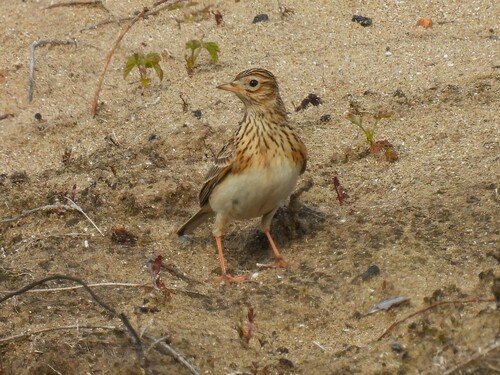
ヒバリ (Alauda arvensis) ヒバリ
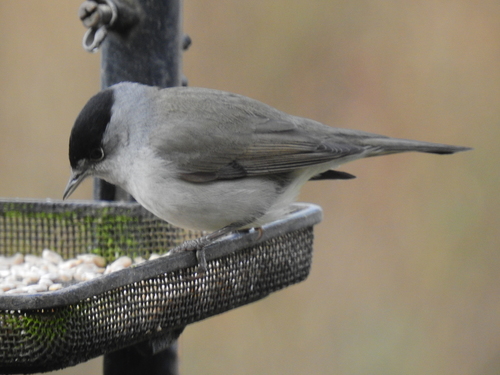
ズグロムシクイ (Sylvia atricapilla) ズグロムシクイ

メディア

読み込み中…

要点

The most reliable way to separate Eurasian Skylark from Eurasian Blackcap is by overall structure and flight style: skylarks are larger, bulkier, and show broad, rounded wings with white edges to the tail and rear wing in flight, while blackcaps are smaller, slimmer warblers with no white in the wings or tail. Juvenile or female blackcaps can be mistaken for drab larks at a distance, but the skylark’s short crest, longer body, and hovering flight are unique. If you see a bird with a neat black or chestnut cap, it is a blackcap; skylarks never show this feature. Pay close attention to wing and tail pattern in flight and head pattern when perched.

識別のコツ

  1. White trailing edge and tail sides in flight (skylark only): If you see a bird flying away with white edges to the tail and rear wing, it is a skylark of any age or sex. Blackcap never shows this.
  2. Crest (skylark only): Skylark has a short, blunt crest that can be raised or flattened. Blackcap always has a smooth crown.
  3. Cap color (blackcap only): Adult male blackcap has a neat black cap; females and juveniles have a chestnut cap. Skylark never shows a contrasting cap.
  4. Overall color and streaking: Skylark is brown and heavily streaked above, pale below. Blackcap is plain grey-olive above, pale grey below, with no streaking.
  5. Wing and tail structure: Skylark has broad, rounded wings and a short tail; blackcap has narrower wings and a longer, rounded tail.
  6. Size and shape: Skylark is larger and bulkier; blackcap is smaller, slimmer, and more delicate.
  7. Flight style: Skylark often hovers or flies high in the open, singing; blackcap flits between shrubs and trees, rarely flying in the open.
  8. Habitat: Skylark is found in open fields and grassland; blackcap is found in woodland, scrub, and gardens.
  9. Perched posture: Skylark often stands upright on the ground, sometimes with crest raised; blackcap perches in cover, usually horizontal, never crested.
  10. Song: Skylark’s song is a long, continuous warble delivered in flight; blackcap’s is a shorter, richer warble from a perch.
  11. Sex differences (blackcap): Only blackcap shows strong sexual dimorphism in cap color; skylark sexes look similar except for slightly broader wings in males.
  12. Juvenile confusion: Juvenile blackcaps are browner but still lack streaks and white in the wings/tail; juvenile skylarks are streaked and crested.
  13. Bill: Skylark has a stouter, conical bill; blackcap’s bill is finer and more pointed, typical of warblers.
  14. Leg color: Blackcap has grey legs; skylark’s leg color is not specified but is not a key field mark here.
  15. Contextual clues: If the bird is singing while hovering high above open land, it is a skylark. If it is skulking in a bush, it is a blackcap.

大きさ

Eurasian Skylark is noticeably larger (18–19 cm in length) and bulkier than Eurasian Blackcap (about 13 cm). The blackcap’s typical body mass is around 18 g, while the skylark is heavier (not specified here, but larger in all dimensions). Skylark also has broader wings and a stouter body, while blackcap is more compact and slim, typical of warblers.

羽色

Juvenile and adult Eurasian Skylarks are brown above and pale below, with a short, blunt crest and white edges to the tail and rear wing (visible in flight from behind). This white is never shown by blackcap of any age. Blackcap plumage is grey-olive above and pale grey below, with a distinctive cap: black in adult males, chestnut in females and juveniles. Juvenile blackcaps have a rufous tinge to the upperparts and more olive on the flanks, but always lack the skylark’s white wing/tail edges and crest. Skylark is always streaked above; blackcap is plain. In flight, skylark shows a short tail and broad wings, while blackcap has a longer, rounded tail and narrower wings. No age or season of blackcap shows the white trailing edge or tail sides of skylark.

行動

Skylarks are famous for their hovering, high-altitude song flights, often appearing as a dot in the sky, and for their display of broad, rounded wings. On the ground, they walk or run and may raise their crest. Blackcaps move through shrubs and trees, flitting and hopping, rarely seen on open ground. Skylarks are almost never seen in dense cover, while blackcaps avoid open fields. Skylark song is delivered in flight; blackcap sings from a perch, often hidden.

生息環境

Eurasian Skylark is a bird of open farmland, grassland, and heath, rarely venturing into woodland or dense scrub. Eurasian Blackcap is a warbler of woodland, scrub, and gardens, favoring dense cover and rarely found in open fields. If you see a bird in the middle of a grassy field, it is almost certainly not a blackcap.

声

Skylark’s song is a long, bubbling warble delivered in flight, often lasting several minutes and given high in the air. Blackcap’s song is a rich, varied warble, shorter and more melodic, delivered from a perch. Skylark’s song is continuous and can be heard from a great distance; blackcap’s is shorter and less far-carrying. Calls are not described here.

より良い説明を送る

比較と同じ項目を使ってください。文章はすぐに公開されます。

The most reliable way to separate Eurasian Skylark from Eurasian Blackcap is by overall structure and flight style: skylarks are larger, bulkier, and show broad, rounded wings with white edges to the tail and rear wing in flight, while blackcaps are smaller, slimmer warblers with no white in the wings or tail. Juvenile or female blackcaps can be mistaken for drab larks at a distance, but the skylark’s short crest, longer body, and hovering flight are unique. If you see a bird with a neat black or chestnut cap, it is a blackcap; skylarks never show this feature. Pay close attention to wing and tail pattern in flight and head pattern when perched.

  1. White trailing edge and tail sides in flight (skylark only): If you see a bird flying away with white edges to the tail and rear wing, it is a skylark of any age or sex. Blackcap never shows this.
  2. Crest (skylark only): Skylark has a short, blunt crest that can be raised or flattened. Blackcap always has a smooth crown.
  3. Cap color (blackcap only): Adult male blackcap has a neat black cap; females and juveniles have a chestnut cap. Skylark never shows a contrasting cap.
  4. Overall color and streaking: Skylark is brown and heavily streaked above, pale below. Blackcap is plain grey-olive above, pale grey below, with no streaking.
  5. Wing and tail structure: Skylark has broad, rounded wings and a short tail; blackcap has narrower wings and a longer, rounded tail.
  6. Size and shape: Skylark is larger and bulkier; blackcap is smaller, slimmer, and more delicate.
  7. Flight style: Skylark often hovers or flies high in the open, singing; blackcap flits between shrubs and trees, rarely flying in the open.
  8. Habitat: Skylark is found in open fields and grassland; blackcap is found in woodland, scrub, and gardens.
  9. Perched posture: Skylark often stands upright on the ground, sometimes with crest raised; blackcap perches in cover, usually horizontal, never crested.
  10. Song: Skylark’s song is a long, continuous warble delivered in flight; blackcap’s is a shorter, richer warble from a perch.
  11. Sex differences (blackcap): Only blackcap shows strong sexual dimorphism in cap color; skylark sexes look similar except for slightly broader wings in males.
  12. Juvenile confusion: Juvenile blackcaps are browner but still lack streaks and white in the wings/tail; juvenile skylarks are streaked and crested.
  13. Bill: Skylark has a stouter, conical bill; blackcap’s bill is finer and more pointed, typical of warblers.
  14. Leg color: Blackcap has grey legs; skylark’s leg color is not specified but is not a key field mark here.
  15. Contextual clues: If the bird is singing while hovering high above open land, it is a skylark. If it is skulking in a bush, it is a blackcap.

Eurasian Skylark is noticeably larger (18–19 cm in length) and bulkier than Eurasian Blackcap (about 13 cm). The blackcap’s typical body mass is around 18 g, while the skylark is heavier (not specified here, but larger in all dimensions). Skylark also has broader wings and a stouter body, while blackcap is more compact and slim, typical of warblers.

Juvenile and adult Eurasian Skylarks are brown above and pale below, with a short, blunt crest and white edges to the tail and rear wing (visible in flight from behind). This white is never shown by blackcap of any age. Blackcap plumage is grey-olive above and pale grey below, with a distinctive cap: black in adult males, chestnut in females and juveniles. Juvenile blackcaps have a rufous tinge to the upperparts and more olive on the flanks, but always lack the skylark’s white wing/tail edges and crest. Skylark is always streaked above; blackcap is plain. In flight, skylark shows a short tail and broad wings, while blackcap has a longer, rounded tail and narrower wings. No age or season of blackcap shows the white trailing edge or tail sides of skylark.

Skylarks are famous for their hovering, high-altitude song flights, often appearing as a dot in the sky, and for their display of broad, rounded wings. On the ground, they walk or run and may raise their crest. Blackcaps move through shrubs and trees, flitting and hopping, rarely seen on open ground. Skylarks are almost never seen in dense cover, while blackcaps avoid open fields. Skylark song is delivered in flight; blackcap sings from a perch, often hidden.

Eurasian Skylark is a bird of open farmland, grassland, and heath, rarely venturing into woodland or dense scrub. Eurasian Blackcap is a warbler of woodland, scrub, and gardens, favoring dense cover and rarely found in open fields. If you see a bird in the middle of a grassy field, it is almost certainly not a blackcap.

Skylark’s song is a long, bubbling warble delivered in flight, often lasting several minutes and given high in the air. Blackcap’s song is a rich, varied warble, shorter and more melodic, delivered from a perch. Skylark’s song is continuous and can be heard from a great distance; blackcap’s is shorter and less far-carrying. Calls are not described here.

変更を破棄しますか?

保存していない編集があります。今離れると失われます。

ヒバリ · ズグロムシクイ · 苦手な鳥