

Motmot

ヨーロッパヨタカ 対 ゴマフヨタカ

Caprimulgus europaeus 対 Caprimulgus tristigma

ヨーロッパヨタカとゴマフヨタカのクイズ
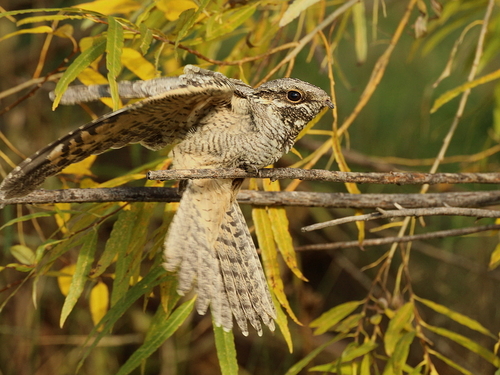
ヨーロッパヨタカ (Caprimulgus europaeus) ヨーロッパヨタカ
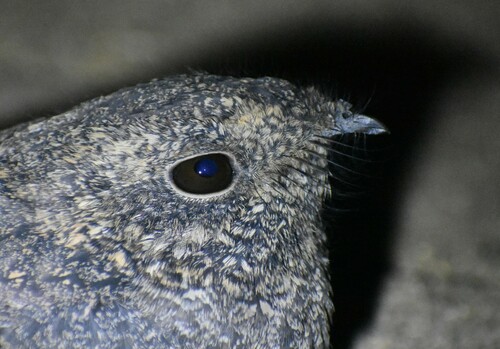
ゴマフヨタカ (Caprimulgus tristigma) ゴマフヨタカ

メディア

読み込み中…

要点

ヨーロッパヨタカとゴマフヨタカの最も信頼できるフィールドマークは、特に成鳥のオスにおける飛行中の翼と尾の白色のパターンです。ヨーロッパヨタカのオスは、3本の初列風切羽に大胆な白い斑点と2本の外側の尾羽の白い先端を示し、ゴマフヨタカのオスは4本の外側の初列風切羽に小さな白い斑点と外側の尾羽のみに白い先端を持っています。両種のメスは尾に白色がありませんが、ゴマフヨタカのメスは初列風切羽に小さな白い斑点があります。ゴマフヨタカは全体的にかなり暗く、遠くから見るとほぼ黒っぽく見え、ヨーロッパヨタカの淡い後頸部の襟と目立つ顔のマーキングが欠けています。構造も役立ちます:ゴマフヨタカはより力強く構築されており、尾が短く、翼が長く、通常は岩の多い地面で見られます。生息地と文脈も役立ちます:ヨーロッパヨタカはヨーロッパとアジアの開けた森林やヒースに生息し、ゴマフヨタカはサハラ以南のアフリカの岩の多い生息地に結びついています。

識別のコツ

  1. 翼と尾の白色(成鳥のオス): ヨーロッパヨタカのオスは3本の初列風切羽に大胆な白い斑点と2本の外側の尾羽の白い先端を持っています。ゴマフヨタカのオスは4本の外側の初列風切羽に小さな白い斑点と外側の尾羽のみに白い先端を持っています。これは飛行中に見られる成鳥のオスで最も信頼できます。
  2. 翼と尾の白色(メス): ヨーロッパヨタカのメスは尾に白色がなく、目立たない翼のマーキングを持っています。ゴマフヨタカのメスは外側の初列風切羽に3〜4の小さな白い斑点がありますが、尾には白色がありません。両種とも、メスの白色ははるかに目立たず、薄暗い光の中では見逃されることがあります。
  3. 全体的な色合い: ゴマフヨタカは全体的にかなり暗く、遠くから見るとほぼ黒っぽく見えますが、ヨーロッパヨタカはより淡い灰褐色で、よりパターン化された外観を持っています。
  4. 顔と首のマーキング: ヨーロッパヨタカは淡いバフ色の後頸部の襟と白い口髭のラインを示し、ゴマフヨタカにはこれが欠けています。
  5. 止まっている外観: ゴマフヨタカの白い翼の斑点は通常、止まっているときには見えず、その羽毛は岩の背景と混ざります。ヨーロッパヨタカは地面や枝に止まっているときにパターン化された上面と淡い襟を示す可能性が高いです。
  6. 構造: ゴマフヨタカは体のサイズに対してより大きく、翼が長く、尾が短いです。ヨーロッパヨタカはより細身で、翼と尾の比率がよりバランスの取れたものです。
  7. 生息地: ヨーロッパヨタカはヨーロッパとアジアの開けた森林、ヒース、クリアリングに見られます。ゴマフヨタカはサハラ以南のアフリカの岩の多い出っ張り、岩の多い野原、乾燥した壊れた地面に強く結びついています。
  8. 飛行スタイル: 両者は浮遊感のある静かな飛行を持っていますが、ゴマフヨタカはしばしば岩から短いサリーを行い、滑空して戻りますが、ヨーロッパヨタカは開けた地面や森林の端を飛んでいるのが見られることがあります。
  9. 幼鳥/未熟な羽毛: 幼鳥に関する詳細な飛行パターンの違いは記述されていませんが、両種の若鳥は隠蔽性が高く、成鳥のメスに似ています。
  10. 声: 長い機械的なチャーリングトリルが聞こえた場合、それはヨーロッパヨタカです。ゴマフヨタカの声はここでは記述されていません;チャーリングがないことはゴマフヨタカを確認するものではありません。
  11. 地理的文脈: ヨーロッパヨタカはサハラ以南のアフリカには存在せず、ゴマフヨタカはヨーロッパやアジアには生息していません。範囲が知られている場合、場所は強い手がかりです。
  12. カモフラージュ: ゴマフヨタカの暗い斑点のある羽毛は岩の多い生息地に特化しており、ヨーロッパヨタカのよりパターン化された淡い羽毛は森林やヒースに適しています。
  13. くちばしと口の開き: ゴマフヨタカは著しく大きな口の開き(夜行性の中で最大)を持っていますが、これはフィールドではめったに見えません。
  14. 性差: 両種は翼と尾のマーキングに性差を示しますが、これらはメスでは微妙で、良い視界がないと見逃されることがあります。
  15. 季節的文脈: ヨーロッパヨタカは移動性で、繁殖期にはヨーロッパとアジアに存在します;ゴマフヨタカはアフリカ内で居住または局所的に移動します。

大きさ

両種は全体的なサイズが似ていますが、ゴマフヨタカは大きくて力強く構築されていると説明されており、典型的な体重は約79 gです [wikidata]。ヨーロッパヨタカは変動する体重を持ち(オス:51–101 g、メス:67–95 g [wikipedia])、一般的により細身で、外観がより頑丈ではありません。ゴマフヨタカはヨーロッパヨタカに比べて相対的に長い翼と短い尾を持ち、よりバランスの取れた翼と尾の比率を持っています。フィールドでは、ゴマフヨタカは特に止まっているときにより大きく見えることがあります。

羽色

幼鳥と未熟な羽毛はゴマフヨタカについて詳細には記述されていませんが、両種の若鳥はよくカモフラージュされており、成鳥に似ています。成鳥の場合、ヨーロッパヨタカは上面が灰褐色で、暗い縞模様、淡いバフ色の後頸部の襟、白い口髭のライン、閉じた翼にバフ色の斑点を持っています。オスは大胆な白い翼の斑点と白い尾の先端を持ち、メスは尾に白色がなく、目立たない翼のマーキングを持っています。ゴマフヨタカの成鳥は遠くから見ると暗い灰色からほぼ黒に見え、近くで見ると白、シナモン、淡いバフ色の斑点が見えます。腹部は暗い茶色で、白っぽいとシナモン色の縞模様があります。飛行中、ゴマフヨタカのオスは4本の外側の初列風切羽に小さな白い斑点と2本の外側の尾羽の白い先端を示し、メスは初列風切羽に3〜4の小さな白い斑点があり、尾には白色がありません。止まっているとき、ゴマフヨタカの白い斑点は通常見えず、全体的に暗く、コントラストの少ない羽毛がヨーロッパヨタカのより淡く、よりパターン化された外観から際立っています。

行動

両種は薄明かりと夜行性で、飛行中に昆虫を捕らえます。ヨーロッパヨタカは浮遊感のある静かな飛行を持ち、しばしば夕暮れや夜明けに止まって歌います。ゴマフヨタカは岩や岩の多い岸から短いサリーで餌を探し、止まる場所に滑空して戻り、岩の多い開けた風景に適応しています。ヨーロッパヨタカは開けた森林やヒースに見られる可能性が高く、しばしば地面や低い枝に止まりますが、ゴマフヨタカはほぼ常に岩の多い出っ張りや裸の地面に関連しています。

生息環境

ヨーロッパヨタカはヨーロッパとユーラシアのモンゴルや中国北西部にかけて繁殖し、開けた森林、ヒース、クリアリングを好みます。ゴマフヨタカはサハラ以南のアフリカに制限され、岩の多い生息地、例えば岩の多い野原、岩の丘、出っ張りに強く関連しています。裸の岩や乾燥した壊れた地面で見られた場合、ゴマフヨタカの方がはるかに可能性が高いです;ヨーロッパヨタカはそのような環境ではめったに見られません。

声

ヨーロッパヨタカのオスは止まっている場所から長いチャーリングトリルを発し、時には泡立つトリルと翼を叩く音で終わります。この歌は腹話術的で、遠くから聞こえます。両性は飛行中に短い「クイック、クイック」という呼び声とさまざまな警告音や脅威音を出します。ゴマフヨタカの声は提供されたメモには記述されていないため、声は信頼できる区別要因ではありません。ヨーロッパヨタカの特徴的なチャーリングの歌が聞こえた場合のみ、区別できます。

より良い説明を送る

比較と同じ項目を使ってください。文章はすぐに公開されます。

The most reliable field mark between Eurasian Nightjar and Freckled Nightjar is the pattern of white in the wings and tail during flight, especially in adult males. Eurasian Nightjar males show a bold white patch on three primaries and white tips to the two outer tail feathers, while Freckled Nightjar males have smaller white spots on four outer primaries and white tips only on the outer tail feathers; females of both species lack white in the tail, but Freckled Nightjar females have smaller white spots on the primaries. Freckled Nightjar appears much darker overall, often nearly blackish from a distance, and lacks the pale hindneck collar and prominent facial markings of Eurasian Nightjar. Structure is also helpful: Freckled Nightjar is more powerfully built with a shorter tail and longer wings, and is usually seen on rocky ground. Habitat and context can help: Eurasian Nightjar is found in open woodlands and heath across Europe and Asia, while Freckled Nightjar is tied to rocky habitats in sub-Saharan Africa.

  1. White in wing and tail (adult males): Eurasian Nightjar males have a bold white patch across three primaries and white tips to the two outer tail feathers. Freckled Nightjar males have smaller white spots on four outer primaries and white tips only on the outer tail feathers. This is most reliable in adult males seen in flight.
  2. White in wing and tail (females): Eurasian Nightjar females lack white in the tail and have less conspicuous wing markings. Freckled Nightjar females have 3–4 small white spots on the outer primaries but no white in the tail. In both species, the white is much less obvious in females and may be missed in poor light.
  3. Overall coloration: Freckled Nightjar appears much darker overall, often nearly blackish from a distance, while Eurasian Nightjar is paler grey-brown with a more patterned appearance.
  4. Facial and neck markings: Eurasian Nightjar shows a pale buff hindneck collar and a white moustachial line, which are lacking in Freckled Nightjar.
  5. Perched appearance: Freckled Nightjar's white wing spots are usually not visible when perched, and its plumage blends with rocky backgrounds. Eurasian Nightjar is more likely to show its patterned upperparts and pale collar when perched on the ground or a branch.
  6. Structure: Freckled Nightjar is bulkier, with longer wings and a shorter tail relative to body size. Eurasian Nightjar is more slender and has a more balanced wing-to-tail ratio.
  7. Habitat: Eurasian Nightjar is found in open woodland, heath, and clearings across Europe and Asia. Freckled Nightjar is strongly tied to rocky outcrops, boulder fields, and arid, broken ground in sub-Saharan Africa.
  8. Flight style: Both have buoyant, silent flight, but Freckled Nightjar often makes short sallies from rocks and glides back, while Eurasian Nightjar may be seen flying over open ground or woodland edges.
  9. Juvenile/immature plumage: No detailed flight pattern differences are described for immatures, but both species' young are cryptic and resemble adult females.
  10. Voice: If a long, mechanical churring trill is heard, it is Eurasian Nightjar. Freckled Nightjar's voice is not described here; absence of churring does not confirm Freckled.
  11. Geographic context: Eurasian Nightjar is absent from sub-Saharan Africa; Freckled Nightjar does not occur in Europe or Asia. Location is a strong clue if range is known.
  12. Camouflage: Freckled Nightjar's dark, freckled plumage is specialized for rocky habitats, while Eurasian Nightjar's more patterned, paler plumage suits woodland and heath.
  13. Bill and gape: Freckled Nightjar has a notably large gape (the largest among nightjars), but this is rarely visible in the field.
  14. Sexual dimorphism: Both species show sexual differences in wing and tail markings, but these are subtle in females and can be missed without good views.
  15. Seasonal context: Eurasian Nightjar is migratory, present in Europe and Asia during the breeding season; Freckled Nightjar is resident or locally migratory within Africa.

Both species are similar in overall size, but Freckled Nightjar is described as large and powerfully built, with a typical body mass around 79 g [wikidata]. Eurasian Nightjar has a variable mass (male: 51–101 g, female: 67–95 g [wikipedia]), but is generally more slender and less robust in appearance. Freckled Nightjar has relatively longer wings and a shorter tail compared to Eurasian Nightjar, which has a more balanced wing-to-tail ratio. In the field, Freckled Nightjar may appear bulkier, especially when perched.

Juvenile and immature plumage is not described in detail for Freckled Nightjar, but both species' young are well camouflaged and resemble adults. For adults, Eurasian Nightjar is greyish-brown above with dark streaking, a pale buff hindneck collar, a white moustachial line, and buff spotting on the closed wing. Males have a bold white wing patch and white tail tips; females lack white in the tail and have less conspicuous wing markings. Freckled Nightjar adults are dark gray to nearly black at a distance, with white, cinnamon, and pale buff freckling visible up close. Underparts are dark brown with whitish and cinnamon barring. In flight, Freckled Nightjar males show small white spots on four outer primaries and white tips to the two outer tail feathers; females have 3–4 smaller white spots on primaries and no white in the tail. When perched, Freckled Nightjar's white spots are usually not visible, and its overall darker, less contrasting plumage stands out from Eurasian Nightjar's paler, more patterned look.

Both species are crepuscular and nocturnal, hawking insects in flight. Eurasian Nightjar has a buoyant, silent flight and often sings from perches at dusk and dawn. Freckled Nightjar forages with short sallies from boulders or rocky banks, gliding back to its perch, and is adapted to rocky, open landscapes. Eurasian Nightjar is more likely to be found in open woodland or heath, often roosting on the ground or low branches, while Freckled Nightjar is almost always associated with rocky outcrops and bare ground.

Eurasian Nightjar breeds across Europe and the Palearctic into Mongolia and northwestern China, favoring open woodlands, heath, and clearings. Freckled Nightjar is restricted to sub-Saharan Africa and is strongly associated with rocky habitats, such as boulder fields, rocky hillsides, and outcrops. If seen on bare rock or in arid, broken ground, Freckled Nightjar is far more likely; Eurasian Nightjar is rarely found in such settings.

Eurasian Nightjar males produce a long, churring trill from a perch, sometimes ending with a bubbling trill and wing-clapping. The song is ventriloquial and can be heard at a distance. Both sexes give a short 'cuick, cuick' call in flight and a variety of alarm and threat sounds. Freckled Nightjar's vocalizations are not described in the provided notes, so voice is not a reliable separator unless Eurasian Nightjar's distinctive churring song is heard.

変更を破棄しますか?

保存していない編集があります。今離れると失われます。

ヨーロッパヨタカ · ゴマフヨタカ · 苦手な鳥