

Motmot

ニシコクマルガラス 対 コクマルガラス

Coloeus monedula 対 Coloeus dauuricus

ニシコクマルガラスとコクマルガラスのクイズ
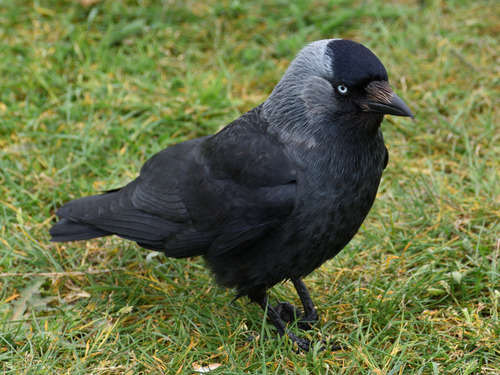
ニシコクマルガラス (Coloeus monedula) ニシコクマルガラス
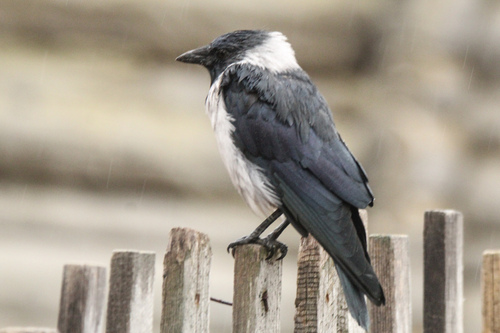
コクマルガラス (Coloeus dauuricus) コクマルガラス

メディア

読み込み中…

要点

成鳥のニシコクマルガラスとコクマルガラスを区別する最も信頼できるフィールドマークは目の色です:ニシコクマルガラスは淡い銀色または灰白色の虹彩を示し、コクマルガラスは常に暗い(黒い)目を持っています。成鳥のコクマルガラスは、しばしば腹部と首に広範囲にクリーミーな白を示し、広い襟を形成しますが、ニシコクマルガラスは全体的に暗く、対照的な淡い灰色のうなじと首の側面を持っています。幼鳥や暗色のコクマルガラスはニシコクマルガラスに非常に似ていることがありますが、虹彩の色はすべての年齢で安全な区別点です。両種はサイズと形が似ていますが、特に混成群れや迷鳥の状況では、羽毛と目の色に注意を払うことが重要です。

識別のコツ

  1. 虹彩の色は最も信頼できるマークです: 成鳥のニシコクマルガラスは淡い銀色または灰白色の目を持ち、コクマルガラスは常に黒い目を持っています。これは、目が見えるすべての年齢と距離で機能します。
  2. 成鳥のコクマルガラスはしばしば広いクリーミーな白の襟と白い腹部を示します: 首の下や周りに広範囲に白が見える場合、それはコクマルガラスです。ニシコクマルガラスはこれほど多くの白を示しません。
  3. ニシコクマルガラスは淡い灰色から銀色のうなじと首の側面を持っています: これは黒い冠と顔との間に鋭いコントラストを生み出しますが、完全な襟や腹部には広がりません。コクマルガラスの白はより広範囲で、首の周りを包みます。
  4. 幼鳥や暗色のコクマルガラスはニシコクマルガラスに非常に似ていることがあります: これらの鳥では、白が減少または欠如し、羽毛が均一に暗い場合があります。そのような場合、虹彩の色が最良の区別点です。
  5. ニシコクマルガラスの幼鳥は青から茶色がかった目を持ち、1年で淡くなります: 暗い目の幼鳥を見た場合、他のマークを確認してください。ただし、若いニシコクマルガラスは一時的に暗い目を示すことがあるので注意してください。
  6. 両種は全体的に似た構造を持っています: 短くて頑丈なくちばし、コンパクトな体、直立した姿勢。構造だけに頼って区別しないでください。
  7. 両種は頭、翼、尾に光沢のある黒を示します: 違いは淡い部分の広がりと配置にあり、黒の光沢や色合いにはありません。
  8. 年齢特有の上翼や飛行パターンの違いは特に記載されていません: 両種は似た翼の形状と飛行スタイルを持っており、飛行中に翼のパターンで区別しないでください。
  9. くちばしの色と形は診断的ではありません: 両種は黒く、短く、頑丈なくちばしを持っています。
  10. 両種の性別は似ています: フィールドで羽毛やサイズで鳥を性別を判断しようとしないでください。
  11. 混成群れや迷鳥の状況では、まず目の色を確認し、その後白い襟や腹部を探してください: これは特に東アジアや両種の分布の端で重要です。
  12. 淡いうなじだが白い襟や腹部がなく、淡い目のカラスを見た場合、それはニシコクマルガラスです: 目が黒く、白い襟や腹部がある場合、それはコクマルガラスです。
  13. コクマルガラスの灰色の耳羽は微妙で、遠くからは見えないことがあります: より明白な白い襟と腹部に焦点を当ててください。
  14. 光が悪い場合や遠くからは、虹彩の色と首/腹部の淡い部分の広がりの組み合わせを使用してください: どちらも見えない場合、同定は不可能かもしれません。
  15. 声は区別のためのものとして記載されていません: これらの種を区別するために呼び声や発声に頼らないでください。

大きさ

両種はサイズと構造が非常に似ており、ニシコクマルガラスは長さ34〜39 cm、コクマルガラスは約32 cmです。比率はほぼ同じで、両方とも短くて頑丈なくちばしとコンパクトな体を持っています。わずかな変動があり、コクマルガラスは時々わずかに小さく見えることがありますが、これはフィールドではほとんど役に立ちません。体重と翼幅は測定なしでは信頼できる区別はできません。サイズではなく、羽毛と目の色を使用して同定してください。

羽色

成鳥のコクマルガラスはしばしば目を引く斑点模様で、下腹部と首の周りに広いクリーミーな白の部分があり、光沢のある黒い頭、喉、翼、尾と対照的です。ニシコクマルガラスは主に光沢のある黒で、冠と二次羽に紫または青の光沢があり、特徴的な淡い灰色から銀色のうなじと首の側面を持っていますが、下部には広範囲の白は示しません。ニシコクマルガラスの下腹部はスレートグレーで、白ではありません。すべての年齢で最も一貫した違いは虹彩の色です:成鳥のニシコクマルガラスは淡い銀色または灰白色の目を持ち、コクマルガラスは黒い目を持っています。幼鳥や暗色のコクマルガラスはニシコクマルガラスに非常に似て見えることがあり、より均一に暗い羽毛と少ない白を持っていますが、虹彩は暗いままです。ニシコクマルガラスの幼鳥は青から茶色がかった目を持ち、1年で淡くなりますが、コクマルガラスは常に暗い目を持っています。飛行中、両種は似た翼と尾のパターンを示し、年齢特有の上翼のコントラストについては言及されていません;頭、首、虹彩に焦点を当ててください。

行動

両種は似た習性を共有しています:彼らは社交的で、しばしば群れで見られ、地面で活発に直立して歩きます。飛行は敏捷で直接的で、急速で深い翼の打撃と密な群れを持っています。ニシコクマルガラスはその不規則な翼の打撃と機動性で知られていますが、これはコクマルガラスとの区別として強調されていません。両種は開けた場所で餌を取り、しばしば地面で同様の採餌姿勢を使用します。行動の違いはフィールドでの区別には診断的ではありません。

生息環境

生息地の好みは広く似ています:両種は開けた国、農地、集落を利用し、木、岩、または建物の隙間に巣を作ります。ニシコクマルガラスはヨーロッパ、西アジア、北アフリカ全域に分布し、コクマルガラスは東アジアに生息しています。分布が重なる地域では、生息地は彼らを信頼できるように区別しません。文脈は迷鳥の状況で役立つかもしれませんが、フィールドでは診断的ではありません。

より良い説明を送る

比較と同じ項目を使ってください。文章はすぐに公開されます。

The most reliable field mark to separate adult Eurasian Jackdaw from Daurian Jackdaw is the eye color: Eurasian shows pale silvery or grey-white irises, while Daurian always has dark (black) eyes. For adults, Daurian Jackdaw often shows extensive creamy white on the underparts and neck, forming a broad collar, whereas Eurasian Jackdaw is overall dark with a contrasting pale grey nape and sides of the neck. Juvenile and dark-plumaged Daurian Jackdaws can closely resemble Eurasian, but the iris color remains a safe separator at all ages. Both species are similar in size and shape, but careful attention to plumage and eye color is essential, especially in mixed flocks or vagrant situations.

  1. Iris color is the single most reliable mark: Adult Eurasian Jackdaw has pale silvery or grey-white eyes; Daurian Jackdaw always has black eyes. This works at all ages and distances where the eye is visible.
  2. Adult Daurian Jackdaw often shows a broad, creamy white collar and white underparts: If you see extensive white below and around the neck, it is Daurian. Eurasian Jackdaw never shows this much white.
  3. Eurasian Jackdaw has a pale grey to silvery nape and neck sides: This creates a sharp contrast with the black crown and face, but does not extend as a full collar or onto the underparts. Daurian's white is more extensive and wraps around the neck.
  4. Juvenile and dark-plumaged Daurian Jackdaws can closely resemble Eurasian Jackdaw: In these birds, white is reduced or absent, and plumage may be uniformly dark. In such cases, iris color remains the best separator.
  5. Eurasian Jackdaw juveniles have blue to brownish eyes, becoming pale by one year: If you see a dark-eyed juvenile, check for other marks, but beware that young Eurasian Jackdaws can briefly show darker eyes before they pale.
  6. Both species have similar overall structure: Short, stout bill, compact body, and upright stance. Do not rely on structure alone to separate them.
  7. Both show glossy black on the head, wings, and tail: The difference is in the extent and placement of pale areas, not in the gloss or shade of black.
  8. No distinctive age-specific upperwing or flight pattern differences are noted: Both species have similar wing shapes and flight styles; do not use wing pattern to separate them in flight.
  9. Bill color and shape are not diagnostic: Both species have black, short, and stout bills.
  10. Sexes are alike in both species: Do not attempt to sex birds by plumage or size in the field.
  11. In mixed flocks or vagrant situations, always check the eye color first, then look for white collar/underparts: This is especially important in eastern Asia or at the edge of either species' range.
  12. If you see a jackdaw with a pale nape but no white collar or underparts, and pale eyes, it is Eurasian Jackdaw: If the eyes are black and there is a white collar or underparts, it is Daurian Jackdaw.
  13. Daurian Jackdaw's grizzled grey ear coverts are subtle and may not be visible at a distance: Focus on the more obvious white collar and underparts.
  14. In poor light or at a distance, use a combination of iris color and extent of pale on neck/underparts: If neither is visible, identification may not be possible.
  15. Voice is not described as a separator: Do not rely on calls or vocalizations to distinguish these species.

Both species are very similar in size and structure, with Eurasian Jackdaw measuring 34–39 cm in length and Daurian Jackdaw about 32 cm. Proportions are nearly identical, and both have short, stout bills and compact bodies. There is slight variation, with Daurian Jackdaw sometimes appearing marginally smaller, but this is rarely useful in the field. Weight and wingspan are not reliably separable without measurement. Use plumage and eye color for identification rather than size.

For adults, Daurian Jackdaw is often strikingly pied, with large areas of creamy white on the lower underparts and up around the neck as a broad collar, contrasting with glossy black head, throat, wings, and tail. Eurasian Jackdaw is mostly shiny black with a purple or blue sheen on the crown and secondaries, and a distinctive pale grey to silvery nape and neck sides, but never shows extensive white below. The underparts of Eurasian are slate-grey, not white. The most consistent difference at all ages is iris color: adult Eurasian Jackdaw has pale silvery or grey-white eyes, while Daurian Jackdaw has black eyes. Juvenile and dark-plumaged Daurian Jackdaws can appear very similar to Eurasian, with more uniformly dark plumage and less white, but the iris remains dark. Eurasian juveniles have blue to brownish eyes, becoming pale by one year, while Daurian remains dark-eyed throughout. In flight, both species show similar wing and tail patterns, with no mention of age-specific upperwing contrasts; focus on head, neck, and iris.

Both species share similar habits: they are social, often seen in flocks, and display brisk, upright walking on the ground. Flight is agile and direct, with rapid, deep wingbeats and tight flocking. Eurasian Jackdaw is noted for its jerky wingbeats and maneuverability, but this is not highlighted as a separator from Daurian. Both species feed in open areas, often on the ground, and use similar foraging postures. Behavioral differences are not diagnostic for field separation.

Habitat preferences are broadly similar: both species use open country, farmland, and settlements, nesting in cavities in trees, rocks, or buildings. Eurasian Jackdaw is found across Europe, western Asia, and North Africa, while Daurian Jackdaw is native to eastern Asia. In areas of range overlap, habitat does not reliably separate them. Context may help in vagrancy situations, but is not diagnostic in the field.

変更を破棄しますか?

保存していない編集があります。今離れると失われます。

ニシコクマルガラス · コクマルガラス · 苦手な鳥