

Motmot

ヨーロッパアオゲラ 対 イベリアオゲラ

Picus viridis 対 Picus sharpei

ヨーロッパアオゲラとイベリアオゲラのクイズ
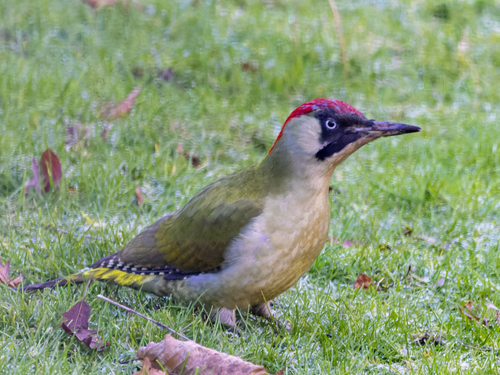
ヨーロッパアオゲラ (Picus viridis) ヨーロッパアオゲラ
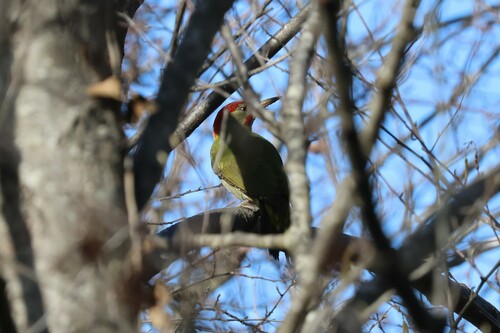
イベリアオゲラ (Picus sharpei) イベリアオゲラ

メディア

読み込み中…

要点

ヨーロッパアオゲラとイベリアオゲラを区別する最も信頼できるフィールドマークは、頭部の黒色の色合いと範囲です:ヨーロッパはロアと白い目の周りに大胆な黒いマスクを持っていますが、イベリアは頭部にほとんど黒がなく、目の周りに黒ではなく曇ったまたは灰色がかったリングを示します。両種は緑の上面、黄色の尾、赤い冠を共有していますが、顔のパターンはすべての年齢で重要です。両者の幼鳥は縞模様と斑点があり、すべての羽毛で顔のマスクと目のリングの色に注目してください。鳴き声は微妙に異なりますが、頭のパターンよりもフィールドでは信頼性が低いです。

識別のコツ

  1. Facial Mask (All Ages): ヨーロッパアオゲラは常にロアと白い目の周りに大胆な黒いマスクを示します;イベリアオゲラは頭部にほとんど黒がなく、目の周りに曇ったまたは灰色がかった(黒ではない)リングがあります。これは最も一貫して信頼できるフィールドマークです。
  2. Moustache Stripe (Adult Males): ヨーロッパのオスは赤い中心を持つ黒い口ひげがあります;イベリアのオスは似たようなパターンを示すことがありますが、頭部の黒が減少しているためコントラストが少なくなります。両種の雌は固体の黒い口ひげを持っていますが、再度、イベリアでは全体のマスクが少なくなります。
  3. Crown and Nape (Adults): 両種は明るい赤い冠とうなじを持っているので、これは区別要因ではありません。
  4. Juvenile Plumage: 両者の幼鳥は斑点と縞模様があり、体のパターンで区別するのが難しいです;顔のマスクと目のリングの色に頼ってください。
  5. Eye-ring Color: ヨーロッパは白い目の周りに黒いリングがあります;イベリアのは曇ったまたは灰色がかったもので、黒ではありません。
  6. Upperparts and Rump: 両者は緑の上面と黄色の尾を示します;これらは診断的ではありません。
  7. Underparts: 両者は淡い黄緑色の下部を持っています;区別には役立ちません。
  8. Flight Views: 両者を区別するための特異な翼または上翼のパターンは確認されていません;視認可能な場合は頭のパターンに注目してください。
  9. Size and Structure: 両者は頑丈で中型から大型のキツツキで、類似の比率を持っています;サイズは信頼できるフィールドマークではありません。
  10. Behavior: 両種は地面で餌を食べ、木を叩くことは稀です;行動は区別には役立ちません。
  11. Vocalizations: ヨーロッパは大きな笑い声の「ヤッフル」を出します;イベリアの鳴き声はよりシビラントまたはヒスのようです。この違いは微妙で、経験豊富なバーダーによって最もよく使われます。
  12. Geographic Range: スペインとポルトガルではイベリアオゲラを期待してください;ヨーロッパの他の場所ではヨーロッパがデフォルトです。範囲が交わる場所では、確認のために顔のパターンを使用してください。
  13. Sex Differences: ヨーロッパでは、オスのみが口ひげに赤い中心を持っています;イベリアでは、頭部の黒が減少しているため口ひげがあまり明確ではありません。
  14. Seasonality: 両種は常駐しており、強い季節的な羽毛の変化は示しません;顔のパターンは年間を通じて信頼できます。
  15. Pitfalls: 尾の色、下部、または全体のサイズに頼らないでください。幼鳥は特に難しいです—常に顔のマスクと目のリングの色を確認してください。

大きさ

ヨーロッパアオゲラは大型のキツツキで、平均体重は193gです [wikidata]。イベリアオゲラの直接的な測定値はありませんが、中型でヨーロッパに非常に似た構造とサイズであると説明されていますので、サイズはフィールドでの信頼できる区別要因ではありません。両方の鳥は頑丈で類似の比率を持っています。

羽色

両種の幼鳥の羽毛は全体的に縞模様と斑点があり、一見非常に似ています。主な違いは頭部にあります:ヨーロッパアオゲラ(すべての年齢)はロアと目の周りに強い黒いマスクを持っていますが、イベリアオゲラは頭部に黒が少なく、目の周りに曇ったまたは灰色がかった、黒ではないリングを示します。成鳥では、両性のヨーロッパは明るい赤い冠とうなじ、緑の上面、黄色の尾、淡い黄緑色の下部を持っています。ヨーロッパのオスは赤い中心を持つ黒い口ひげを持ち、雌は固体の黒い口ひげを持っています。イベリアオゲラは全体的な色合いは似ていますが、大胆な黒い顔のマスクが欠けており、より控えめで曇った目のリングがあります。飛行中、両者は緑の上面と黄色の尾を示し、両者を区別する特異な翼のパターンについては言及されていません。顔のパターンはすべての年齢と季節で最も一貫したフィールドマークです。

行動

両種は似たように振る舞い、地面でアリを食べるのに多くの時間を費やし、木を叩くことは稀です。彼らの飛行は波状で、いくつかの翼の拍動の後に滑空します。ヨーロッパアオゲラは内気で、見られるよりも聞かれることが多いと説明されており、これはおそらくイベリアにも当てはまります。行動の違いは診断的ではありません。

生息環境

ヨーロッパアオゲラはヨーロッパと西パレアクティック全体に広がっていますが、スペインとポルトガルではイベリアオゲラに置き換えられます。両者は開けた森林、公園、特にアリが豊富な場所に散在する木々のある地域を好みます。地理的な分離のため、生息地の重複は最小限ですが、範囲が交わる場所では生息地の好みは似ています。

声

ヨーロッパアオゲラは大きな笑い声の「ヤッフル」コール(kyü-kyü-kyück)と一連の「クル」音を持ち、雌はより細い「プー・プー・プー」を出します。イベリアオゲラの鳴き声はよりシビラントまたはヒスのように説明されていますが、この違いは微妙で、経験がないと判断が難しいかもしれません。鳴き声の違いは実際に存在しますが、フィールドでは顔のパターンほど信頼できません。

より良い説明を送る

比較と同じ項目を使ってください。文章はすぐに公開されます。

The most reliable field mark to separate Eurasian Green Woodpecker from Iberian Green Woodpecker is the color and extent of black on the head: Eurasian has a bold black mask through the lores and around the white eye, while Iberian shows little black on the head and a dusky or greyish, not black, ring around the eye. Both species share green upperparts, yellow rumps, and red crowns, but the facial pattern is key at all ages. Juveniles of both are streaked and spotty, so focus on the facial mask and eye-ring color in all plumages. Calls differ subtly but are less reliable in the field than head pattern.

  1. Facial Mask (All Ages): Eurasian Green Woodpecker always shows a bold black mask through the lores and around the white eye; Iberian Green Woodpecker has little black on the head, with a dusky or greyish (not black) ring around the eye. This is the most consistent and reliable field mark.
  2. Moustache Stripe (Adult Males): Eurasian males have a black moustache with a red center; Iberian males may show a similar pattern but with less contrast due to reduced black on the head. Females of both have a solid black moustache, but again, the overall mask is less in Iberian.
  3. Crown and Nape (Adults): Both species have a bright red crown and nape, so this is not a separator.
  4. Juvenile Plumage: Juveniles of both are spotty and streaked, making them hard to separate by body pattern; rely on the facial mask and eye-ring color.
  5. Eye-ring Color: Eurasian has a black ring around the white eye; Iberian's is dusky or greyish, not black.
  6. Upperparts and Rump: Both show green upperparts and a yellow rump; these are not diagnostic.
  7. Underparts: Both have pale yellowish-green underparts; not useful for separation.
  8. Flight Views: No distinctive wing or upperwing pattern is noted to separate the two; focus on the head pattern if visible.
  9. Size and Structure: Both are robust, medium-to-large woodpeckers with similar proportions; size is not a reliable field mark.
  10. Behavior: Both species feed on the ground and rarely drum; behavior is not helpful for separation.
  11. Vocalizations: Eurasian gives a loud, laughing 'yaffle'; Iberian's call is more sibilant or hiss-like. This difference is subtle and best used by experienced birders.
  12. Geographic Range: In Spain and Portugal, expect Iberian Green Woodpecker; elsewhere in Europe, Eurasian is the default. Where ranges meet, use facial pattern for confirmation.
  13. Sex Differences: In Eurasian, only males have a red center in the moustache; in Iberian, the moustache is less well-defined due to reduced black on the head.
  14. Seasonality: Both species are resident and do not show strong seasonal plumage changes; facial pattern is reliable year-round.
  15. Pitfalls: Do not rely on rump color, underparts, or overall size. Juveniles are especially tricky—always check the facial mask and eye-ring color.

Eurasian Green Woodpecker is a large woodpecker, with an average mass of 193g [wikidata]. No direct measurement is available for Iberian Green Woodpecker, but it is described as medium-sized and very similar in structure and size to Eurasian, so size is not a reliable separator in the field. Both birds are robust with similar proportions.

Juvenile plumage in both species is streaked and spotty overall, making them very similar at a glance. The key difference is in the head: Eurasian Green Woodpecker (all ages) has a strong black mask through the lores and around the eye, while Iberian Green Woodpecker shows much less black on the head, with a dusky or greyish, not black, ring around the eye. In adults, both sexes of Eurasian have a bright red crown and nape, green upperparts, yellow rump, and pale yellowish-green underparts. Males of Eurasian have a black moustache with a red center, females have a solid black moustache. Iberian Green Woodpecker is similar in overall coloration but lacks the bold black facial mask and has a more muted, dusky eye-ring. In flight, both show green upperparts and yellow rumps, with no mention of distinctive wing patterns separating the two. The facial pattern remains the most consistent field mark across all ages and seasons.

Both species behave similarly, spending much time on the ground feeding on ants and rarely drumming on trees. Their flight is undulating, with several wingbeats followed by a glide. Eurasian Green Woodpecker is described as shy and more often heard than seen, which likely applies to Iberian as well. Behavioral differences are not diagnostic.

Eurasian Green Woodpecker is widespread across Europe and the western Palearctic, but is replaced by Iberian Green Woodpecker in Spain and Portugal. Both favor open woodlands, parks, and areas with scattered trees, especially where ants are abundant. Habitat overlap is minimal due to geographic separation, but where ranges meet, habitat preferences are similar.

Eurasian Green Woodpecker has a loud, laughing 'yaffle' call (kyü-kyü-kyück) and a series of 'klü' notes, with the female giving a thinner 'pü-pü-pü'. Iberian Green Woodpecker's call is described as more sibilant or hiss-like, but this difference is subtle and may be difficult to judge without experience. Vocal differences are real but less reliable than facial pattern in the field.

変更を破棄しますか?

保存していない編集があります。今離れると失われます。

ヨーロッパアオゲラ · イベリアオゲラ · 苦手な鳥