

Motmot

ウソ 対 ナキマシコ

Pyrrhula pyrrhula 対 Bucanetes githagineus

ウソとナキマシコのクイズ
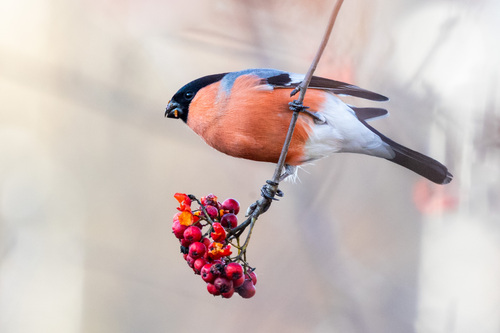
ウソ (Pyrrhula pyrrhula) ウソ
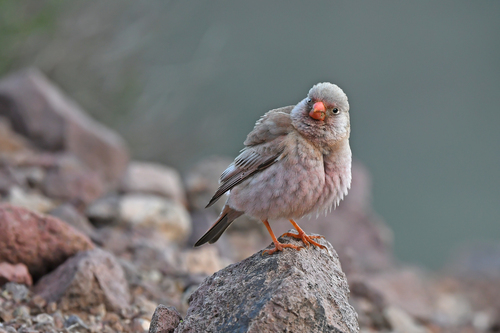
ナキマシコ (Bucanetes githagineus) ナキマシコ

メディア

読み込み中…

要点

ユーラシアウソとナキマシコの最も信頼できるフィールドマークは、ウソの大胆な白い尾羽と翼のバーであり、すべての年齢で飛行中に特に明らかです。一方、ナキマシコはそのような対照的な翼や尾羽のパターンがありません。幼鳥と雌のウソはその控えめな色合いのために混乱を招くことがありますが、ウソは常によりがっしりとしており、太い首と黒い帽子(成鳥)または灰褐色の頭(幼鳥)を持っています。一方、ナキマシコはスリムで、翼が長く、オスの尾羽と尾にはピンクがかっています。くちばしの色も強い手がかりです:ウソのくちばしは常に暗い色ですが、ナキマシコのオスは夏に赤いくちばしを持っています。生息地と文脈も役立ちます:ウソは森林や庭を好み、ナキマシコは開けた乾燥した地域の鳥です。

識別のコツ

  1. 白い尾羽と翼のバー(すべての年齢、特に飛行中): ユーラシアウソは常に大胆な白い尾羽と白い翼のバーを示し、鳥が飛ぶときに簡単に見えます。ナキマシコは翼や尾羽に白を示すことはなく、オスの尾羽と尾はピンクがかっていますが、決して白ではありません。
  2. くちばしの色(成鳥のオス、繁殖期): ナキマシコのオスは夏に明るい赤いくちばしを持っていますが、ウソのくちばしは常に暗くて短いです。雌と幼鳥では、両種ともに太いくちばしを持っていますが、ウソのくちばしは黒っぽく、ナキマシコのくちばしは繁殖期以外は淡い色または角の色です。
  3. 頭の模様: 成鳥のウソは黒い帽子と顔を持ち、鈍い雌でも強いマークがあります。幼鳥は灰褐色の頭を持っています。ナキマシコはオスの頭と首が無地の灰色で、黒い帽子はありません。
  4. 体の形と印象: ウソはがっしりとしており、太い首を持ち、重い体をしています。ナキマシコは小さく、スリムで、翼が長く、より細長い印象を与えます。
  5. 腹部の色(成鳥のオス): ウソのオスは豊かな赤い腹部を持っていますが、ナキマシコのオスは胸、尾羽、尾がピンクがかっています。雌と幼鳥の両者は鈍い色合いですが、ウソは常により均一で、ピンクがかる尾羽はありません。
  6. 尾羽の模様: ナキマシコはオスの尾羽がピンクで、暗い先端の羽がありますが、白はありません。ウソは黒い尾羽を持っていますが、白い尾羽はより明らかです。
  7. 生息地の文脈: ウソは森林、公園、庭に生息し、開けた国にはめったに見られません。ナキマシコは砂漠、乾燥した野原、開けた岩場の鳥です。
  8. 群れのサイズと行動: ナキマシコは繁殖期以外に群れを形成することが多く、他のマシコやスズメと混ざることがあります。ウソは通常、ペアまたは小さな家族グループでいます。
  9. 鳴き声: ウソの鳴き声は柔らかく、悲しげな口笛であり、ナキマシコは buzzing、鼻にかかったトリルを出し、トーンが非常に異なります。
  10. 性別と年齢の落とし穴: 雌と幼鳥のウソは鈍く、淡いナキマシコと混同されることがありますが、常に翼と尾羽に白があるか確認してください。ナキマシコの雌と未成熟個体は非常に色あせていますが、翼や尾羽に白を示すことはありません。
  11. くちばしの構造: 両者ともに太く円錐形のくちばしを持っていますが、ウソのくちばしは短くて太めです。ナキマシコのくちばしは基部が非常に太いですが、小さな頭のために長く見えることがあります。
  12. 幼鳥の帽子の色: 幼鳥のウソは灰褐色の頭を持ち、成鳥の黒い帽子はありませんが、ナキマシコの無地の灰色とは異なります。
  13. 季節的変化: ウソのオスは鈍い秋の羽毛を獲得せず、赤い腹部は鮮やかなままです。ナキマシコのオスは夏に最も明るく、冬には鈍くなります。
  14. 地理的文脈: ナキマシコはその範囲の北で迷鳥です。ヨーロッパのほとんどでは、ウソがデフォルトです。南スペインや北アフリカでは、ナキマシコが開けた国にいる可能性が高いです。
  15. 混合群れ: 乾燥した生息地でリンネットやスペインスズメと混合群れで観察された場合、ナキマシコの可能性があります。ウソは混合群れに参加することはめったにありません。

大きさ

ユーラシアウソは明らかに重く(体重約31g [wikidata])、ナキマシコよりもがっしりしています。ナキマシコは小さく、より繊細な鳥です(直接的な質量は示されていませんが、小さく、翼が長いと説明されています [wikipedia])。ウソは太い首を持ち、牛のような外見ですが、ナキマシコはより細身で、相対的に長い翼を持ち、全体的に小さな印象を与えます。

羽色

幼鳥と雌のユーラシアウソは灰褐色の腹部を持ち、成鳥のオスの豊かな赤は欠けていますが、すべての年齢が飛行中に目を引く白い尾羽と大胆な白い翼のバーを示します。成鳥のウソのオスは鮮やかな赤い腹部を持ち、雌と幼鳥はその鈍い色合いのためにナキマシコと混同されることがあります。夏のナキマシコのオスは赤いくちばし、灰色の頭/首、淡い茶色の上面、ピンクがかった胸、尾羽、尾(暗い尾羽の先端付き)を持っています。雌、幼鳥、冬のオスははるかに淡く、色あせていますが、翼や尾羽に白はありません。ナキマシコのピンクがかった尾羽と尾(オス)は落とし穴になる可能性がありますが、白の欠如が重要です。ウソの成鳥は黒い帽子と顔を持っていますが、ナキマシコは決して持ちません。幼鳥のウソは灰褐色の頭を持っています。すべての羽毛において、ウソの白い翼のバーと尾羽は飛行中の診断的な特徴です。

行動

ウソは一般的に目立たず、森林や庭を通ってペアまたは小さなグループで静かに移動することが多く、大きな群れを形成することはめったにありません。ナキマシコは開けた乾燥した地域で見られる可能性が高く、時には群れで(特に繁殖期以外に)見られ、水を求めて夕方に長距離を移動することがあります。ナキマシコは他のマシコやスズメと混合群れを形成することがありますが、ウソはより孤立しているか、密な家族グループにいます。

生息環境

ユーラシアウソは森林、公園、庭の鳥であり、開けた国にはめったに見られません。ナキマシコは砂漠や乾燥した開けた生息地の専門家であり、北アフリカやスペインから南アジアまで分布しています。鳥を豊かな森林地域で見た場合、ウソの可能性が高いですが、乾燥した石だらけの開けた国ではナキマシコが期待されます。

声

ウソは静かで低い、悲しげな口笛の「ぺえ」または「ぺう」を出し、その歌は弱く、かすれたさえずりで、柔らかい口笛を伴い、近距離でしか聞こえず、しばしば悲しげと表現されます。ナキマシコの歌は buzzing、鼻にかかったトリルで、ブリキのトランペットを思わせるもので、ウソの柔らかい口笛よりもはるかに機械的で音楽的ではありません。

より良い説明を送る

比較と同じ項目を使ってください。文章はすぐに公開されます。

The most reliable field mark between Eurasian Bullfinch and Trumpeter Finch is the bullfinch’s bold white rump and wing bars, especially obvious in flight for all ages, versus the trumpeter finch’s lack of such contrasting wing or rump pattern. Juvenile and female bullfinches can be confusing due to their subdued colors, but the bullfinch is always bulkier, with a thick neck and a black cap (adults) or greyish-brown head (juveniles), while trumpeter finch is slimmer, longer-winged, and shows a pinkish wash on rump and tail in males. Bill color is also a strong clue: bullfinch bills are always dark, while trumpeter finch males have a red bill in summer. Habitat and context are helpful: bullfinch prefers woodland and gardens, trumpeter finch is a bird of open, arid country.

  1. White rump and wing bars (all ages, especially in flight): Eurasian Bullfinch always shows a bold white rump and white wing bars, easily seen when the bird flies. Trumpeter Finch never shows white in the wings or rump; its rump and tail are pinkish in males, but never white.
  2. Bill color (adult males, breeding season): Trumpeter Finch males have a bright red bill in summer, while bullfinch bills are always dark and stubby. In females and juveniles, both species have thick bills, but bullfinch’s is blackish, trumpeter finch’s is pale or horn-colored outside breeding season.
  3. Head pattern: Adult bullfinch has a black cap and face, a strong mark even on dull females; juveniles have a grey-brown head. Trumpeter Finch has a plain grey head and neck in males, never a black cap.
  4. Body shape and jizz: Bullfinch is bulky, bull-necked, and thickset, with a short neck and heavy body. Trumpeter Finch is smaller, slimmer, and more long-winged, with a less bull-headed look.
  5. Underpart color (adult males): Bullfinch males have rich red underparts, while trumpeter finch males are pinkish on breast, rump, and tail. Females and juveniles of both are duller, but bullfinch is always more uniform and lacks the pinkish rump.
  6. Tail pattern: Trumpeter Finch has a pink tail with dark terminal feathers (males), but no white. Bullfinch has a black tail, but the white rump is more obvious.
  7. Habitat context: Bullfinch is found in woodland, parks, and gardens, rarely in open country. Trumpeter Finch is a bird of deserts, dry fields, and open rocky areas.
  8. Flock size and behavior: Trumpeter Finch often forms flocks, especially outside breeding season, and may mix with other finches and sparrows. Bullfinch is usually in pairs or small family groups.
  9. Vocalization: Bullfinch’s call is a soft, mournful whistle, while trumpeter finch gives a buzzing, nasal trill, very different in tone.
  10. Sex and age pitfalls: Female and juvenile bullfinches are dull and can be confused with pale trumpeter finches, but always check for white in the wings and rump. Trumpeter Finch females and immatures are very washed-out, but never show white in the wings or rump.
  11. Bill structure: Both have thick, conical bills, but bullfinch’s is shorter and stubbier; trumpeter finch’s is very thick at the base but may look longer due to the smaller head.
  12. Cap color in juveniles: Juvenile bullfinches have a greyish-brown head, lacking the adult’s black cap but still different from the plain grey of trumpeter finch.
  13. Seasonal changes: Bullfinch males do not acquire a duller autumn plumage; their red underparts remain vivid. Trumpeter Finch males are brightest in summer, duller in winter.
  14. Geographic context: Trumpeter Finch is a vagrant north of its range; in most of Europe, bullfinch is the default. In southern Spain or North Africa, trumpeter finch is more likely in open country.
  15. Mixed flocks: If observed in a mixed flock with linnets or Spanish sparrows in arid habitat, trumpeter finch is likely; bullfinch rarely joins mixed flocks.

Eurasian Bullfinch is noticeably heavier (body mass ~31 g [wikidata]) and bulkier than the Trumpeter Finch, which is a smaller, more delicate bird (no direct mass given, but described as small and long-winged [wikipedia]). Bullfinch has a thick neck and a bull-headed appearance, while trumpeter finch is more slender with proportionally longer wings and a smaller overall impression.

Juvenile and female Eurasian Bullfinches have grey-buff underparts and lack the adult male’s rich red, but all ages show a striking white rump and bold white wing bars in flight. The adult bullfinch male is unmistakable with its vivid red underparts, but females and young can be confused with trumpeter finch due to their duller tones. Trumpeter Finch males in summer have a red bill, grey head/neck, pale brown upperparts, and pinkish breast, rump, and tail (with dark tail tips). Females, juveniles, and winter males are much paler and washed-out, but still lack any white in the wings or rump. The trumpeter finch’s pinkish rump and tail (males) can be a pitfall, but the absence of white is key. Bullfinch adults have a black cap and face, while trumpeter finch never does; juveniles bullfinch have a grey-brown head. In all plumages, the bullfinch’s white wing bar and rump are diagnostic in flight.

Bullfinches are generally unobtrusive, often moving quietly in pairs or small groups through woodland or gardens, rarely forming large flocks. Trumpeter Finches are more likely to be seen in open, arid areas, sometimes in flocks (especially outside breeding season), and may travel long distances to water in the evening. Trumpeter Finches can form mixed flocks with other finches and sparrows, while bullfinch is more solitary or in tight family groups.

Eurasian Bullfinch is a bird of woodland, parks, and gardens, rarely found in open country. Trumpeter Finch is a specialist of deserts and arid open habitats, from North Africa and Spain to southern Asia. If you see the bird in a lush, wooded area, bullfinch is far more likely; in dry, stony, open country, trumpeter finch should be expected.

Bullfinch gives a quiet, low, melancholy whistled 'peeu' or 'pew', and its song is a weak, scratchy warbling with soft whistles, audible only at close range and often described as mournful. Trumpeter Finch’s song is a buzzing, nasal trill, reminiscent of a tin trumpet, and is much more mechanical and less musical than the bullfinch’s soft whistles.

変更を破棄しますか?

保存していない編集があります。今離れると失われます。

ウソ · ナキマシコ · 苦手な鳥