

Motmot

アオガラ 対 テネリフェアオガラ

Cyanistes caeruleus 対 Cyanistes teneriffae

アオガラとテネリフェアオガラのクイズ
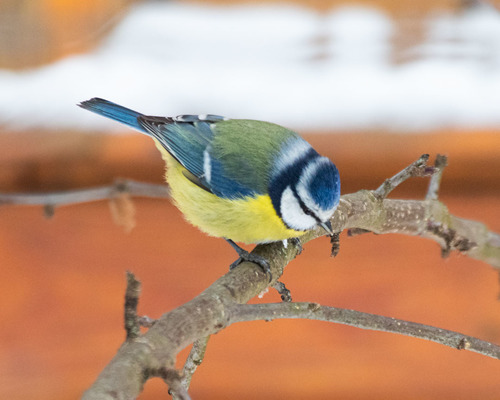
アオガラ (Cyanistes caeruleus) アオガラ
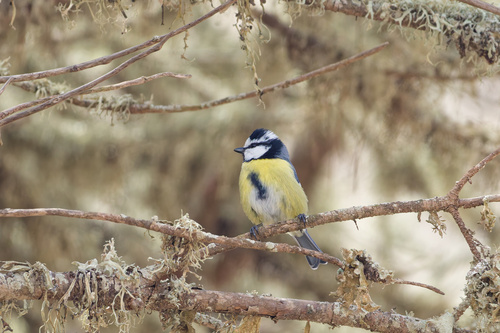
テネリフェアオガラ (Cyanistes teneriffae) テネリフェアオガラ

メディア

読み込み中…

要点

ユーラシアアオガラとテネリフェアオガラの最も信頼できるフィールドマークは顔のパターンです:ユーラシアアオガラは青い冠を持ち、目を通る暗い青い線が白い頬を囲んでいます。一方、テネリフェアオガラ(特に指名亜種)は、白い額と後頭部まで伸びる眉斑を持ち、深い光沢のある青い冠と黒っぽい首を特徴としています。両者は小さく、青と黄色のティットですが、ユーラシアアオガラはより鮮やかな色合いで、黄色い腹部に沿って特徴的な暗い線がありますが、テネリフェアオガラの顔の白はより広範で、青い冠はより光沢があります。幼鳥のユーラシアアオガラは成鳥よりも黄色が強く、コントラストが少ないため、テネリフェアオガラと混同されることがありますが、顔のパターンは重要な区別要因です。構造的な違いは微妙ですが、ユーラシアアオガラは平均してやや小さく、軽いです。

識別のコツ

  1. 顔のパターンが最も信頼できるマーク:ユーラシアアオガラは青い冠を持ち、目を通る暗い青い線が白い頬と顎を囲み、特徴的なマスクを形成します。テネリフェアオガラ(指名亜種)は、白い額と後頭部まで伸びる眉斑を持ち、深い光沢のある青い冠と黒っぽい首を特徴とし、完全に囲む暗い線がありません。
  2. 冠の色と光沢:ユーラシアアオガラの冠は非常に青いですが、テネリフェアオガラの深い光沢のある青い冠ほど光沢はありません。UV下では、オスのユーラシアアオガラの冠はより明るくなりますが、これは人間には見えません。
  3. 顔の白の広がり:テネリフェアオガラは額と眉斑により広範な白を持ち、目の上に広い白い領域を形成しますが、ユーラシアアオガラの白は主に頬と顎に限られています。
  4. 首の色:テネリフェアオガラは黒っぽい首を示し、青い冠と白い眉斑と対照的です。ユーラシアアオガラの後頭部は青で、冠に溶け込んでいます。
  5. 腹部:ユーラシアアオガラは硫黄黄色の腹部を持ち、特に成鳥では腹部に暗い線があります。テネリフェアオガラの腹部は黄色ですが、強い暗い腹線はありません。
  6. 背中の色:ユーラシアアオガラの背中は黄緑がかっていますが、テネリフェアオガラの背中は青ですが、これは微妙で変動があります。
  7. 幼鳥の混乱:幼鳥のユーラシアアオガラはより黄色が強く、コントラストが少ないですが、青い冠と暗い目の線を示します。テネリフェアオガラの幼鳥は詳細には記述されていませんが、顔の白と青い冠は特徴的であるべきです。
  8. 翼と尾:両種は青い翼と尾を持ち、年齢に関係なく特に異なる翼のパターンは記述されていません。
  9. くちばしと構造:両者はコンパクトで鋭いくちばしを持ち、くちばしのサイズと形は区別には役立ちません。
  10. 行動:採餌スタイルは似ており、診断的ではありません。両者は敏捷で、しばしば逆さまにぶら下がります。
  11. 生息地と範囲:場所を強い手がかりとして使用します。ユーラシアアオガラはヨーロッパ/アジアに、テネリフェアオガラは北アフリカ、カナリア諸島、パンテレリアにいます。
  12. 性別と季節:両種の性別は似ています。季節的な変動は最小限で、幼鳥のユーラシアアオガラはより黄色が強く、コントラストが少ないです。
  13. サイズ:ユーラシアアオガラはやや軽い(11.8 g)ですが、長さと構造は重なります。フィールドではサイズに頼らないでください。
  14. 声:現在の情報に基づいて、耳での区別は信頼できません。
  15. 落とし穴:主な混乱は幼鳥のユーラシアアオガラに起こり、コントラストが少なく、より黄色に見えることがありますが、顔のパターン(頬を囲む暗い目の線)はテネリフェアオガラの広い白い額と眉斑との重要な区別要因です。

大きさ

ユーラシアアオガラは体重が約11.8 gで、長さは10.5〜12 cm、翼幅は17.5〜20 cmです。テネリフェアオガラは長さが似ています(11〜12 cm)が、直接的な質量データはありません。構造的には、両者はコンパクトで鋭いくちばしを持っています。フィールドでは、サイズは信頼できる区別要因ではなく、両種は長さと全体の比率で重なります。識別には羽毛と顔のパターンを使用してください。

羽色

幼鳥のユーラシアアオガラは全体的により黄色が強く、羽毛のコントラストが少ないですが、青い冠と白い頬を囲む暗い目の線を示します。これはテネリフェアオガラにはありません。成鳥のユーラシアアオガラは非常に青い冠、白い頬と顎を囲む暗い青い線、硫黄黄色の腹部と腹部に暗い線を持つ黄緑がかった背中を持っています。テネリフェアオガラ(指名亜種)は、白い額と後頭部まで伸びる眉斑、深い光沢のある青い冠(暗い線で囲まれていない)、黒っぽい首を持っています。背中は青で、腹部は黄色ですが、ユーラシアアオガラの強い暗い腹線はありません。両種は青い翼と尾を持っていますが、顔のパターンは年齢や季節を通じて最も一貫した区別要因です。幼鳥のテネリフェアオガラは詳細には記述されていませんが、顔の白と青い冠/光沢のコントラストは持続するはずです。

行動

両種は活発で敏捷な採餌者であり、しばしば逆さまにぶら下がって昆虫や毛虫を探す姿が見られます。ユーラシアアオガラはほとんどホバリングせず、地面での採餌は稀で、枝や芽から食べることを好みます。テネリフェアオガラの採餌行動は詳細には記述されていませんが、近縁種として、似ている可能性があります。両者は餌台を訪れ、さまざまな食物源を利用します。行動の違いはフィールドでは診断的ではありません。

生息環境

ユーラシアアオガラは温帯および亜寒帯のヨーロッパ全域と西アジアの一部に広く分布し、森林、庭、公園を好みます。テネリフェアオガラは北アフリカ、パンテレリア(イタリア)、カナリア諸島に生息し、温帯の森林に生息しています。彼らの範囲は重ならず、捕獲や迷子の場合を除いて、場所は強い手がかりです。ヨーロッパ本土では、青いティットはほぼ確実にユーラシアアオガラであり、カナリア諸島や北アフリカではテネリフェアオガラが期待されます。ただし、生息地の構造(森林、庭、森林)は両者にとって似ています。

声

テネリフェアオガラの歌は1つまたは2つの音の変動する繰り返しとして記述されていますが、ユーラシアアオガラの声との詳細な比較は利用できません。両者は典型的なティットのような呼び声を持っている可能性がありますが、声は現在の情報に基づいて信頼できる区別要因ではありません。

より良い説明を送る

比較と同じ項目を使ってください。文章はすぐに公開されます。

The most reliable field mark between Eurasian Blue Tit and African Blue Tit is the facial pattern: Eurasian Blue Tit shows a blue crown with a dark blue line through the eye encircling the white cheeks, while African Blue Tit (especially the nominate race) features a white forehead and supercilium extending to the nape, with a deep glossy blue crown and blackish neck. Both are small, blue-and-yellow tits, but Eurasian Blue Tit is more intensely colored and has a distinctive dark line down the yellow underparts, whereas African Blue Tit’s facial white is more extensive and its blue crown is glossier. Juvenile Eurasian Blue Tits are yellower and less contrasting than adults, which can cause confusion with African Blue Tit, but the facial pattern remains a key separator. Structural differences are subtle, but Eurasian Blue Tit is slightly smaller and lighter on average.

  1. Facial pattern is the most reliable mark: Eurasian Blue Tit shows a blue crown with a dark blue line through the eye that encircles the white cheek and chin, forming a distinctive mask; African Blue Tit (nominate) has a white forehead and supercilium extending to the nape, with a deep glossy blue crown and blackish neck, lacking the full encircling dark line.
  2. Crown color and gloss: Eurasian Blue Tit’s crown is intensely blue but not as glossy as African Blue Tit’s deep glossy blue crown. Under UV, male Eurasian Blue Tit crowns are brighter, but this is not visible to humans.
  3. Extent of facial white: African Blue Tit has more extensive white on the forehead and supercilium, forming a broad white area above the eye, while Eurasian Blue Tit’s white is mostly confined to the cheek and chin.
  4. Neck color: African Blue Tit shows a blackish neck, contrasting with the blue crown and white supercilium; Eurasian Blue Tit’s nape is blue, blending into the crown.
  5. Underparts: Eurasian Blue Tit has sulphur-yellow underparts with a dark line down the abdomen, especially in adults; African Blue Tit’s underparts are yellow but lack the strong dark belly line.
  6. Back color: Eurasian Blue Tit’s back is yellowish-green, while African Blue Tit’s back is blue, but this is subtle and variable.
  7. Juvenile confusion: Juvenile Eurasian Blue Tits are yellower and less contrasting, but still show the blue crown and dark eye-line; African Blue Tit juveniles are not described in detail, but the facial white and blue crown should remain distinctive.
  8. Wing and tail: Both species have blue wings and tails; no distinctive wing pattern differences are described for any age.
  9. Bill and structure: Both are compact and sharp-billed; bill size and shape are not useful in separation.
  10. Behavior: Foraging style is similar and not diagnostic; both are agile and often hang upside-down.
  11. Habitat and range: Use location as a strong clue—Eurasian Blue Tit in Europe/Asia, African Blue Tit in North Africa, Canary Islands, Pantelleria.
  12. Sex and season: Sexes are similar in both species; seasonal variation is minimal except for juvenile Eurasian Blue Tits being yellower and less contrasting.
  13. Size: Eurasian Blue Tit is slightly lighter (11.8 g), but length and structure overlap; do not rely on size in the field.
  14. Voice: Not reliably separable by ear based on current information.
  15. Pitfalls: The main confusion arises with juvenile Eurasian Blue Tits, which can appear less contrasting and more yellow, but the facial pattern (dark eye-line encircling the cheek) remains a key separator from African Blue Tit’s broad white forehead and supercilium.

Eurasian Blue Tit averages about 11.8 g in body mass and measures 10.5–12 cm in length with a wingspan of 17.5–20 cm. African Blue Tit is similar in length (11–12 cm), but no direct mass data is available; structurally, both are compact and sharp-billed. In the field, size is not a reliable separator, as both species overlap in length and overall proportions. Use plumage and facial pattern rather than size for identification.

Juvenile Eurasian Blue Tits are yellower overall and have less contrast in their plumage, but still show the blue crown and dark eye-line encircling the white cheek, which is lacking in African Blue Tit. Adult Eurasian Blue Tits have an intensely blue crown, a dark blue line through the eye encircling the white cheeks and chin, and a yellowish-green back with sulphur-yellow underparts and a dark line down the belly. African Blue Tit (nominate race) has a white forehead and supercilium extending to the nape, a deep glossy blue crown (less encircled by dark), and a blackish neck. Its back is blue and underparts yellow, but lacks the strong dark belly line of Eurasian Blue Tit. Both species have blue wings and tails, but the facial pattern is the most consistent separator across ages and seasons. Juvenile African Blue Tits are not described in detail, but the facial white and blue crown/glossy contrast should persist.

Both species are active, agile foragers, often seen hanging upside-down to probe for insects and caterpillars. Eurasian Blue Tit is noted for rarely hovering and only occasionally foraging on the ground, preferring to glean from branches and buds. African Blue Tit’s foraging behavior is not described in detail, but as a close relative, it is likely similar. Both visit feeders and exploit a variety of food sources. Behavioral differences are not diagnostic in the field.

Eurasian Blue Tit is widespread and common throughout temperate and subarctic Europe and parts of western Asia, favoring woodlands, gardens, and parks. African Blue Tit is found in northern Africa, Pantelleria (Italy), and the Canary Islands, inhabiting temperate forests. Their ranges do not overlap except potentially in captivity or vagrancy, so location is a strong clue: in mainland Europe, a blue tit is almost certainly Eurasian; in the Canary Islands or North Africa, African Blue Tit is expected. However, habitat structure (woodland, garden, forest) is similar for both.

The African Blue Tit’s song is described as a variable repetition of one or two notes, but no detailed comparison to Eurasian Blue Tit’s vocalizations is available. Both are likely to have typical tit-like calls, but voice is not a reliable separator based on current information.

変更を破棄しますか?

保存していない編集があります。今離れると失われます。

アオガラ · テネリフェアオガラ · 苦手な鳥