

Motmot

エジプトガン 対 アカツクシガモ

Alopochen aegyptiaca 対 Tadorna ferruginea

エジプトガンとアカツクシガモのクイズ
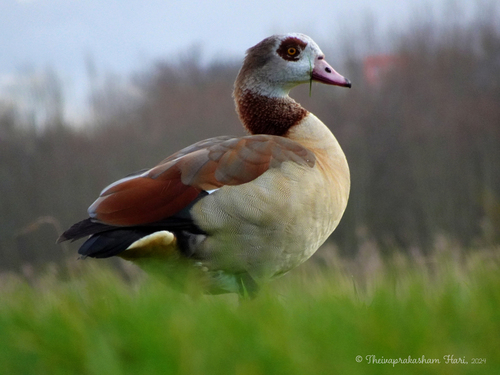
エジプトガン (Alopochen aegyptiaca) エジプトガン
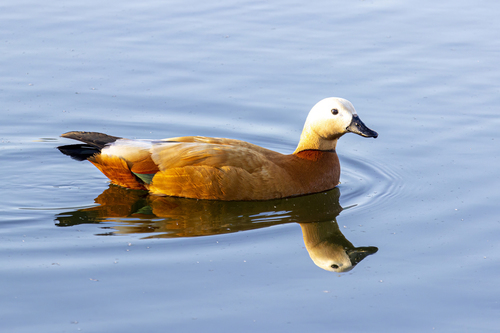
アカツクシガモ (Tadorna ferruginea) アカツクシガモ

メディア

読み込み中…

要点

エジプトガンとアカツクシガモの最も信頼できるフィールドでの識別は、飛行中の上翼のパターンです:両者ともに目立つ白い翼の覆いを示しますが、エジプトガンでは白が広範囲にわたり、ディスプレイでフラッシュすることができます。一方、アカツクシガモでは白が黒い飛行羽と尾に対して鮮明に際立っており、特に飛行中に目立ちます。止まっている鳥はより難しいですが、エジプトガンはより大きく、全体的なトーンに変動がありますが、アカツクシガモはより均一なオレンジ茶色で、頭がより淡いです。両種の幼鳥は雌に似ていますが、トーンと頭のパターンが異なります。声とジズも役立ちます:エジプトガンは飛行中により重く、ガンのようですが、アカツクシガモはよりスリムで、大きな鼻音のホンキングをします。

識別のコツ

  1. Upperwing pattern in flight: 両者ともに上翼に大きな白いパネルを示しますが、エジプトガンでは白が広範囲にわたり、ディスプレイでフラッシュすることができます。一方、アカツクシガモでは白が黒い飛行羽と尾に鮮明に縁取られ、特定の角度で虹色の緑のスペキュラムが見えます。これは、成鳥と幼鳥の両方にとって飛行中に最も信頼できます。
  2. At rest: 両者ともに白い翼のパネルはほとんど隠れていますが、エジプトガンは警戒または攻撃的なときにそれをフラッシュすることがあります。アカツクシガモの白は、翼が広げられない限り見られる可能性が低いです。
  3. Body shape and jizz: エジプトガンはより大きく、重いガンのような体型で、鈍重な飛行をします。アカツクシガモはスリムで、よりアヒルのようで、水中や空中で軽く見えます。
  4. Head pattern: エジプトガンは常に年齢や性別に関係なく、暗い茶色の目のパッチと胸のバンドを示します。アカツクシガモは淡いオレンジまたは白っぽい頭(特に雌や幼鳥)を持ち、目のパッチや胸のバンドがありません。
  5. Plumage tone: エジプトガンは変動があり、灰色から茶色までの範囲で、年齢や性別による一貫した違いはありません。アカツクシガモはより均一なオレンジ茶色で、淡い頭を持ち、(オスでは)繁殖期に狭い黒い首のカラーがあります。
  6. Tail and flight feathers: アカツクシガモは黒い尾と飛行羽を持ち、白い翼の覆いと鮮明に対比しています。エジプトガンの尾は対比が少なく、体の羽毛とより混ざり合っています。
  7. Juvenile birds: アカツクシガモの幼鳥はより暗い茶色で、淡い白っぽい頭を持ち、成鳥の雌に似ていますが、黒い首のカラーがありません。エジプトガンの幼鳥は成鳥に似ており、羽毛のトーンだけでは信頼できる識別はできません。
  8. Voice: エジプトガンのオスは、かすれた、抑えられたクワックまたは息のような速い呼び声を出します;雌ははるかに騒がしく、荒々しいです。アカツクシガモは大きな鼻音のホンキング音を出し、エジプトガンのクワックよりも共鳴があり、厳しくありません。これらの違いを聞くことが重要です、特に飛行中や鳥が警戒しているときに。
  9. Behavior: エジプトガンはしばしばディスプレイをしたり攻撃的になったりして、白い翼のパッチをフラッシュし、侵入者を追いかけます。アカツクシガモはこのようにディスプレイする可能性が低く、一般的に混合群れの中で攻撃的ではありません。
  10. Habitat context: ヨーロッパでは、エジプトガンは装飾的な湖、公園、都市の水域にいる可能性が高いですが、アカツクシガモはより大きな開放水域を好み、一般的に稀です。
  11. Sex differences: アカツクシガモのオスは繁殖羽毛で狭い黒い首のカラーを持ち、日食時に失われ、雌や幼鳥にはありません。エジプトガンは羽毛に性差を示さず、サイズ(オスが大きい)だけに違いがあります。
  12. Seasonal changes: アカツクシガモのオスは繁殖後に黒いカラーを失い、12月から4月にかけて部分的に換羽して再び得ます;それ以外は、羽毛は年間を通じて似ています。エジプトガンは季節的な羽毛の変化を示しません。
  13. Bill and legs: 両者ともに暗いくちばしと脚を持ち、識別のための有用なフィールドマークではありません。
  14. Size in mixed flocks: 一緒に見られた場合、エジプトガンはアカツクシガモよりも明らかに大きく、重いですが、孤立した鳥には重複に注意してください。
  15. Common pitfalls: 両者ともにトーンが変動する可能性があり、白い翼のパネルは休んでいるときにしばしば隠れていることに注意してください。最も信頼できる識別のために、常に飛行中またはディスプレイ中の鳥を観察するようにしてください。

大きさ

エジプトガンは2羽の中でより重く、わずかに長いもので、通常63〜73 cmの長さで、重さは1,500〜2,348 g(AVONETの質量は利用できません)[wikipedia]です。アカツクシガモは小さく、58〜70 cmの長さで、1,230 g(成鳥)[wikidata]です。両者ともに大型の水鳥ですが、エジプトガンは明らかにより大きく、ガンのような体型で、アカツクシガモはややスリムで、アヒルのようなプロポーションです。

羽色

行動

エジプトガンは飛行中に重く、ガンのように見え、深い翼の打撃と警戒または攻撃的なときに白い翼のパッチを示す傾向があります。非常に領土的で、しばしば空中での「ドッグファイト」で侵入者を追いかけます。アカツクシガモは飛行中にスリムで、よりアヒルのようなジズを持ち、鈍重な動きが少ないです。両種は繁殖時に攻撃的ですが、エジプトガンは特に領土性と空中での追跡が注目されています。

生息環境

エジプトガンは公園、湖、川にしばしば見られ、特に巣作りのための成熟した木がある場所で見られます。ヨーロッパでの生息範囲を拡大し、装飾的または半野生の環境でよく見られます。アカツクシガモは湖、貯水池、川などの大きな内陸水域を好み、より開放的な風景で見られ、崖や木の中で水から離れた場所に巣を作ることがあります。ヨーロッパでは、アカツクシガモは一般的にエジプトガンよりも稀で、より局所的です。

声

両種は声を出しますが、その呼び声は異なります。エジプトガンのオスはかすれた、抑えられたクワックまたは息のような速い呼び声(蒸気機関のよう)を出し、雌ははるかに騒がしく、荒々しいクワックを出します。アカツクシガモは大きな鼻音のホンキング音を出し、オスと雌の呼び声は区別できますが、両者ともにエジプトガンのクワックよりもはるかにホンキングが多く、クワックが少ないです。アカツクシガモの呼び声は地上でも飛行中でも出され、一般的にエジプトガンの攻撃的なクワックよりも共鳴があり、厳しくありません。

より良い説明を送る

比較と同じ項目を使ってください。文章はすぐに公開されます。

The most reliable field separation between Egyptian Goose and Ruddy Shelduck is the upperwing pattern in flight: both show prominent white wing coverts, but in Egyptian Goose the white is extensive and can be flashed in display, while in Ruddy Shelduck the white is sharply set off against black flight feathers and tail, especially visible in flight. Perched birds are more challenging, but Egyptian Goose is bulkier and variable in overall tone, while Ruddy Shelduck is more uniformly orange-brown with a paler head. Juveniles of both species resemble females but differ in tone and head pattern. Voice and jizz also help: Egyptian Goose is heavier and more goose-like in flight, while Ruddy Shelduck is sleeker and gives a loud, nasal honking.

  1. Upperwing pattern in flight: Both show a large white panel on the upperwing, but in Egyptian Goose the white is extensive and can be flashed in display, while in Ruddy Shelduck the white is sharply bordered by black flight feathers and tail, with an iridescent green speculum visible at certain angles. This is most reliable in flight for both adults and immatures.
  2. At rest: The white wing panel is mostly hidden in both, but Egyptian Goose may flash it when alarmed or aggressive. Ruddy Shelduck's white is less likely to be seen unless the wings are spread.
  3. Body shape and jizz: Egyptian Goose is bulkier, with a heavy, goose-like build and ponderous flight. Ruddy Shelduck is slimmer, more duck-like, and appears lighter on the water and in the air.
  4. Head pattern: Egyptian Goose always shows a dark brown eye patch and a chest band, regardless of age or sex. Ruddy Shelduck has a pale orange or whitish head (especially in females and juveniles) and lacks any eye patch or chest band.
  5. Plumage tone: Egyptian Goose is variable, ranging from greyish to brownish, with no consistent age or sex differences. Ruddy Shelduck is more uniform orange-brown, with a paler head and (in males) a narrow black neck collar during the breeding season.
  6. Tail and flight feathers: Ruddy Shelduck has black tail and flight feathers, contrasting sharply with the white wing coverts. Egyptian Goose's tail is less contrasting and blends more with the body plumage.
  7. Juvenile birds: Ruddy Shelduck juveniles are darker brown with a pale, whitish head, similar to the adult female but lacking the black neck collar. Egyptian Goose juveniles resemble adults and are not reliably separable by plumage tone alone.
  8. Voice: Egyptian Goose males give a hoarse, subdued quack or breathy, rapid calls; females are much noisier and raucous. Ruddy Shelduck gives loud, nasal honking notes, more resonant and less harsh than Egyptian Goose's quacks. Listen for these differences, especially in flight or when birds are alarmed.
  9. Behavior: Egyptian Goose is often seen displaying or being aggressive, flashing its white wing patches and chasing intruders. Ruddy Shelduck is less likely to display in this way and is generally less aggressive in mixed flocks.
  10. Habitat context: In Europe, Egyptian Goose is more likely in ornamental lakes, parkland, and urban water bodies, while Ruddy Shelduck prefers larger, open water bodies and is generally scarcer.
  11. Sex differences: Ruddy Shelduck males have a narrow black neck collar in breeding plumage, lost in eclipse and absent in females/juveniles. Egyptian Goose shows no sex differences in plumage, only in size (males larger).
  12. Seasonal changes: Ruddy Shelduck males lose the black collar after breeding and regain it in a partial moult December–April; otherwise, plumage is similar year-round. Egyptian Goose shows no seasonal plumage change.
  13. Bill and legs: Both have dark bills and legs, not a useful field mark for separation.
  14. Size in mixed flocks: If seen together, Egyptian Goose is noticeably larger and bulkier than Ruddy Shelduck, but beware overlap in lone birds.
  15. Common pitfalls: Beware that both can appear variable in tone and that the white wing panel is often hidden at rest. Always try to observe birds in flight or when displaying for the most reliable separation.

Egyptian Goose is the heavier and slightly longer of the two, typically 63–73 cm in length and weighing 1,500–2,348 g (no AVONET mass available) [wikipedia]. Ruddy Shelduck is smaller, at 58–70 cm in length and 1,230 g (adult) [wikidata]. Both are large waterfowl, but Egyptian Goose is distinctly bulkier and more goose-like in build, while Ruddy Shelduck is a bit slimmer and more duck-like in proportions.

  • Juvenile/immature birds: Both species' juveniles resemble their respective females, but Ruddy Shelduck juveniles are a darker brown overall and have a pale, whitish head, while Egyptian Goose juveniles are not described as differing markedly from adults, and plumage variation is not age-related [wikipedia].
  • Upperwing in flight (all ages): Both species show a large white panel on the upperwing, but in Egyptian Goose the white is extensive and can be flashed in display, while in Ruddy Shelduck the white is sharply set off against black flight feathers and tail, with an iridescent green speculum on the inner wing [wikipedia]. At rest, the white is mostly hidden in both, but can be revealed when the bird is alert or aggressive (Egyptian Goose) or in flight (both).
  • Adult body plumage: Egyptian Goose is highly variable in tone (greyer or browner), with a dark eye patch and chest band, while Ruddy Shelduck is more uniform orange-brown with a paler head and, in males, a narrow black neck collar (lost in eclipse plumage and absent in females/juveniles). Ruddy Shelduck's tail and flight feathers are black, contrasting with the white wing coverts.
  • Head pattern: Egyptian Goose has a dark brown patch around the eye and a chest band, while Ruddy Shelduck has a pale orange or whitish head (females/juveniles paler than males) and no eye patch.

Egyptian Goose appears heavy and goose-like in flight, with deep wingbeats and a tendency to display its white wing patches when alarmed or aggressive. It is highly territorial, often chasing intruders in aerial 'dogfights.' Ruddy Shelduck is sleeker in flight, with a more duck-like jizz and less ponderous movements. Both species are aggressive when breeding, but Egyptian Goose is especially noted for territoriality and aerial pursuits.

Egyptian Goose is often found in parkland, lakes, and rivers, especially where there are mature trees for nesting. It has expanded its range in Europe and is often seen in ornamental or semi-wild settings. Ruddy Shelduck prefers large inland water bodies such as lakes, reservoirs, and rivers, often in more open landscapes, and may nest well away from water in cliffs or trees. In Europe, Ruddy Shelduck is generally scarcer and more localized than Egyptian Goose, which is now widespread in some regions.

Both species are vocal, but their calls differ. Egyptian Goose males give a hoarse, subdued quack or a breathy, rapid call (like a steam engine), while females are much noisier, with a raucous, aggressive quack. Ruddy Shelduck gives loud, nasal honking notes, with male and female calls distinguishable but both much more honking and less quacking than Egyptian Goose. Ruddy Shelduck calls are given both on the ground and in flight and are generally more resonant and less harsh than the Egyptian Goose's aggressive quacks.

変更を破棄しますか?

保存していない編集があります。今離れると失われます。

エジプトガン · アカツクシガモ · 苦手な鳥