

Motmot

オウサマタイランチョウ 対 ハイイロタイランチョウ

Tyrannus tyrannus 対 Tyrannus dominicensis

オウサマタイランチョウとハイイロタイランチョウのクイズ
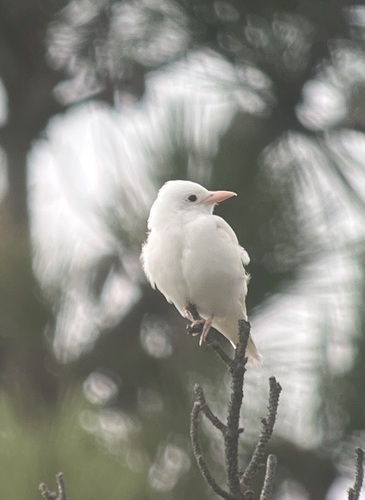
オウサマタイランチョウ (Tyrannus tyrannus) オウサマタイランチョウ

ハイイロタイランチョウ (Tyrannus dominicensis) ハイイロタイランチョウ

メディア

読み込み中…

要点

The most reliable separation between Eastern Kingbird and Grey Kingbird is the tail pattern: Eastern Kingbird shows a crisp white terminal band on a black tail, while Grey Kingbird's tail is brownish-black without a sharply defined white tip. Juvenile Grey Kingbirds have rufous edges to the wing coverts, rump, and tail, which Eastern Kingbird never shows. Structurally, Grey Kingbird is bulkier with a heavier, deeper bill and a more prominent dusky mask through the eye. Both are large, upright flycatchers with gray uppers and white underparts, but subtle differences in head pattern, tail shape, and bill size are key. Vocalizations are very different and can clinch the ID if heard.

識別のコツ

  1. Tail pattern is key: Eastern Kingbird always shows a crisp white terminal band on a black tail (all ages), while Grey Kingbird's tail is brownish-black with no sharp white tip. This is often visible even at a distance.
  2. Juvenile plumage: Juvenile Grey Kingbirds have rufous (rusty) edges to the wing coverts, rump, and tail. Eastern Kingbird juveniles do not show any rufous or rusty tones—immatures are simply duller versions of adults.
  3. Head pattern: Grey Kingbird has a prominent dusky mask through the eye, giving a 'bandit' look, and sometimes a faint pale supercilium. Eastern Kingbird lacks a mask and appears more clean-cut and contrasting.
  4. Bill structure: Grey Kingbird has a noticeably heavier, deeper bill, especially at the base, compared to the slimmer, straight-sided bill of Eastern Kingbird. This is most obvious at close range or in profile.
  5. Crown patch: Both species have a concealed crown patch (red in Eastern, yellow in Grey), but these are rarely visible and not useful for field ID.
  6. Upperpart color: Eastern Kingbird is darker gray-black above, while Grey Kingbird is paler gray with browner wings and tail. This difference is subtle and most useful in good light.
  7. Underparts: Both are white below, but Grey Kingbird often shows a grayish wash on the chest, while Eastern Kingbird is clean white below the throat.
  8. Tail shape: Eastern Kingbird's tail is squared off with a sharp white tip; Grey Kingbird's tail is more rounded and lacks a white edge.
  9. Wing color: Grey Kingbird's wings are brownish, especially in juveniles with rufous edges; Eastern Kingbird's wings are darker gray-black.
  10. Voice: Listen for the call—Eastern Kingbird's is a harsh, buzzing chirp; Grey Kingbird's is a loud, rolling trill ('pipiri').
  11. Habitat and range: In North America outside the Caribbean and southern Florida, a kingbird is almost certainly Eastern; in the Caribbean or Florida Keys, expect Grey Kingbird.
  12. Behavior: Both perch conspicuously and sally for insects, but Grey Kingbird is particularly bold and aggressive in mobbing large raptors.
  13. Size and jizz: Grey Kingbird is slightly bulkier with a heavier head and bill, but size overlap is substantial and not reliable alone.
  14. Flight: Both have pointed wings and strong, direct flight, but Eastern Kingbird may appear slightly more buoyant and less heavy-headed.
  15. Pitfalls: Immature Grey Kingbirds with rufous edges can be mistaken for other kingbirds, but Eastern Kingbird never shows these tones. Always check the tail tip for a white band (Eastern) vs. plain (Grey).

大きさ

Both species are large kingbirds, but Grey Kingbird is slightly heavier on average (body mass ~43.8 g [wikidata]), and marginally longer (23 cm vs. 19–23 cm for Eastern Kingbird [wikipedia]). In the field, Grey Kingbird may appear a bit bulkier and more robust, especially in the head and bill. However, overall size overlap is substantial and not a reliable field mark on its own.

羽色

Juvenile Grey Kingbirds are distinctive with rufous (rusty) edges to the wing coverts, rump, and tail—Eastern Kingbird immatures never show this. Adult Eastern Kingbird is dark gray-black above with a sharp white underbelly and a long black tail ending in a crisp white band. Grey Kingbird adults are paler gray above, with brownish wings and tail, and white underparts that often show a grayish wash on the chest. The head of Grey Kingbird features a dusky mask through the eye and a concealed yellow crown stripe (rarely visible), while Eastern Kingbird has a rarely-seen red crown patch and lacks a mask. Eastern Kingbird's tail is more squared-off with a clean white tip; Grey Kingbird's tail is darker brownish-black, less sharply squared, and lacks a distinct white terminal band. Both species have pointed wings, but Grey Kingbird's wings are browner and may appear longer relative to the body.

行動

Both species are aggressive defenders of their territories and often perch conspicuously on exposed branches or wires. They sally out to catch insects in flight, returning to the same or nearby perch. Grey Kingbird is especially bold, known to mob much larger birds of prey. Eastern Kingbird may be slightly more likely to hover briefly while foraging. Both species can be seen in open country, but Grey Kingbird is more often associated with coastal areas and islands.

生息環境

Eastern Kingbird favors open areas with scattered trees and shrubs across North America, often near water but also in fields and along forest edges. Grey Kingbird is more strictly a bird of the Caribbean, southern Florida, and coastal areas, especially islands, and is rarely found far inland. If seen in the heart of North America, Eastern Kingbird is vastly more likely; in the Caribbean or Florida Keys, expect Grey Kingbird.

声

Eastern Kingbird gives a high-pitched, buzzing, unmusical chirp, often likened to the sound of an electric fence. Grey Kingbird's call is a loud, rolling trill—'pipiri, pipiri'—which is much more musical and distinctive, and the source of many of its local names. If you hear a rolling trill, it's Grey Kingbird; if you hear a harsh, electric buzz, it's Eastern Kingbird.

より良い説明を送る

比較と同じ項目を使ってください。文章はすぐに公開されます。

The most reliable separation between Eastern Kingbird and Grey Kingbird is the tail pattern: Eastern Kingbird shows a crisp white terminal band on a black tail, while Grey Kingbird's tail is brownish-black without a sharply defined white tip. Juvenile Grey Kingbirds have rufous edges to the wing coverts, rump, and tail, which Eastern Kingbird never shows. Structurally, Grey Kingbird is bulkier with a heavier, deeper bill and a more prominent dusky mask through the eye. Both are large, upright flycatchers with gray uppers and white underparts, but subtle differences in head pattern, tail shape, and bill size are key. Vocalizations are very different and can clinch the ID if heard.

  1. Tail pattern is key: Eastern Kingbird always shows a crisp white terminal band on a black tail (all ages), while Grey Kingbird's tail is brownish-black with no sharp white tip. This is often visible even at a distance.
  2. Juvenile plumage: Juvenile Grey Kingbirds have rufous (rusty) edges to the wing coverts, rump, and tail. Eastern Kingbird juveniles do not show any rufous or rusty tones—immatures are simply duller versions of adults.
  3. Head pattern: Grey Kingbird has a prominent dusky mask through the eye, giving a 'bandit' look, and sometimes a faint pale supercilium. Eastern Kingbird lacks a mask and appears more clean-cut and contrasting.
  4. Bill structure: Grey Kingbird has a noticeably heavier, deeper bill, especially at the base, compared to the slimmer, straight-sided bill of Eastern Kingbird. This is most obvious at close range or in profile.
  5. Crown patch: Both species have a concealed crown patch (red in Eastern, yellow in Grey), but these are rarely visible and not useful for field ID.
  6. Upperpart color: Eastern Kingbird is darker gray-black above, while Grey Kingbird is paler gray with browner wings and tail. This difference is subtle and most useful in good light.
  7. Underparts: Both are white below, but Grey Kingbird often shows a grayish wash on the chest, while Eastern Kingbird is clean white below the throat.
  8. Tail shape: Eastern Kingbird's tail is squared off with a sharp white tip; Grey Kingbird's tail is more rounded and lacks a white edge.
  9. Wing color: Grey Kingbird's wings are brownish, especially in juveniles with rufous edges; Eastern Kingbird's wings are darker gray-black.
  10. Voice: Listen for the call—Eastern Kingbird's is a harsh, buzzing chirp; Grey Kingbird's is a loud, rolling trill ('pipiri').
  11. Habitat and range: In North America outside the Caribbean and southern Florida, a kingbird is almost certainly Eastern; in the Caribbean or Florida Keys, expect Grey Kingbird.
  12. Behavior: Both perch conspicuously and sally for insects, but Grey Kingbird is particularly bold and aggressive in mobbing large raptors.
  13. Size and jizz: Grey Kingbird is slightly bulkier with a heavier head and bill, but size overlap is substantial and not reliable alone.
  14. Flight: Both have pointed wings and strong, direct flight, but Eastern Kingbird may appear slightly more buoyant and less heavy-headed.
  15. Pitfalls: Immature Grey Kingbirds with rufous edges can be mistaken for other kingbirds, but Eastern Kingbird never shows these tones. Always check the tail tip for a white band (Eastern) vs. plain (Grey).

Both species are large kingbirds, but Grey Kingbird is slightly heavier on average (body mass ~43.8 g [wikidata]), and marginally longer (23 cm vs. 19–23 cm for Eastern Kingbird [wikipedia]). In the field, Grey Kingbird may appear a bit bulkier and more robust, especially in the head and bill. However, overall size overlap is substantial and not a reliable field mark on its own.

Juvenile Grey Kingbirds are distinctive with rufous (rusty) edges to the wing coverts, rump, and tail—Eastern Kingbird immatures never show this. Adult Eastern Kingbird is dark gray-black above with a sharp white underbelly and a long black tail ending in a crisp white band. Grey Kingbird adults are paler gray above, with brownish wings and tail, and white underparts that often show a grayish wash on the chest. The head of Grey Kingbird features a dusky mask through the eye and a concealed yellow crown stripe (rarely visible), while Eastern Kingbird has a rarely-seen red crown patch and lacks a mask. Eastern Kingbird's tail is more squared-off with a clean white tip; Grey Kingbird's tail is darker brownish-black, less sharply squared, and lacks a distinct white terminal band. Both species have pointed wings, but Grey Kingbird's wings are browner and may appear longer relative to the body.

Both species are aggressive defenders of their territories and often perch conspicuously on exposed branches or wires. They sally out to catch insects in flight, returning to the same or nearby perch. Grey Kingbird is especially bold, known to mob much larger birds of prey. Eastern Kingbird may be slightly more likely to hover briefly while foraging. Both species can be seen in open country, but Grey Kingbird is more often associated with coastal areas and islands.

Eastern Kingbird favors open areas with scattered trees and shrubs across North America, often near water but also in fields and along forest edges. Grey Kingbird is more strictly a bird of the Caribbean, southern Florida, and coastal areas, especially islands, and is rarely found far inland. If seen in the heart of North America, Eastern Kingbird is vastly more likely; in the Caribbean or Florida Keys, expect Grey Kingbird.

Eastern Kingbird gives a high-pitched, buzzing, unmusical chirp, often likened to the sound of an electric fence. Grey Kingbird's call is a loud, rolling trill—'pipiri, pipiri'—which is much more musical and distinctive, and the source of many of its local names. If you hear a rolling trill, it's Grey Kingbird; if you hear a harsh, electric buzz, it's Eastern Kingbird.

変更を破棄しますか?

保存していない編集があります。今離れると失われます。

オウサマタイランチョウ · ハイイロタイランチョウ · 苦手な鳥