

Motmot

スナヒバリ 対 ウロコスナヒバリ

Ammomanes deserti 対 Eremalauda dunni

スナヒバリとウロコスナヒバリのクイズ
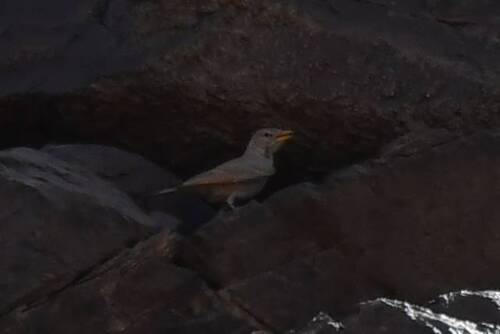
スナヒバリ (Ammomanes deserti) スナヒバリ
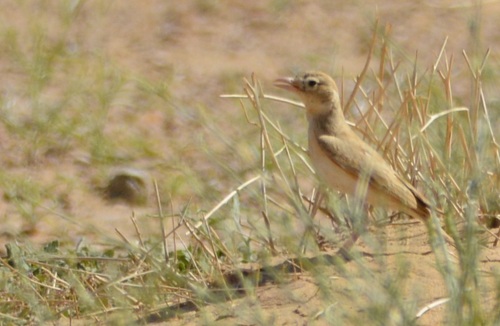
ウロコスナヒバリ (Eremalauda dunni) ウロコスナヒバリ

メディア

読み込み中…

要点

デザートスナヒバリとウロコスナヒバリの最も信頼できるフィールドマークは尾のパターンです:ウロコスナヒバリは、特徴的な黒い裏面と黒い上面を持ち、さび茶色の中央の羽と淡い外側の羽を持つ短くて幅の広い尾を示しますが、デザートスナヒバリは明確に定義された黒い尾帯を欠き、代わりにぼんやりとした暗い斑点しか示さないことがあります。ウロコスナヒバリは小さくてずんぐりしており、尾が短く、顔のパターンがより顕著ですが、デザートスナヒバリは大きく、尾が長く、全体の色がより変動します。両種は淡くて縞模様があることがありますが、デザートスナヒバリは下側がより縞模様で、顔のマーキングがあまりはっきりしていない傾向があります。飛行中は尾のパターンと構造に注目し、止まっているときは顔のマーキングとくちばしのサイズを確認します。

識別のコツ

  1. Tail pattern in flight (all ages): ウロコスナヒバリは、黒い裏面と黒い上面を持ち、さび茶色の中央の羽と淡い外側の羽を持つ短くて幅の広い尾を示します。デザートスナヒバリは明確に定義された黒い尾帯を欠き、最大でもぼんやりとした暗い斑点しか示しません。
  2. Tail length and shape: デザートスナヒバリは明らかに長い尾を持ち、より細長い外観を与えます。ウロコスナヒバリの尾は短くて幅が広く、飛行中や止まっているときにしばしばずんぐりして見えます。
  3. Facial pattern: ウロコスナヒバリは強い淡い眉斑、淡い目のリング、暗い口ひげと頬の縞、目の下の暗いマークを持ち、はっきりとした顔を与えます。デザートスナヒバリの顔はより地味で、これらの強いコントラストが欠けています。
  4. Bill structure: 両種とも大きなくちばしを持っていますが、デザートスナヒバリのくちばしは長くて幅が広く、より大きな頭と体に合っています。ウロコスナヒバリのくちばしは大きく、重く、淡いピンク色または黄色がかっていますが、全体の印象は短くてずんぐりした鳥です。
  5. Underpart streaking: デザートスナヒバリは下側がより強く縞模様があり、特に胸部と側面で、ウロコスナヒバリは胸部にいくつかの暗い縞模様があるだけで、その他は白っぽいです。
  6. Upperpart color: 両種とも淡い砂色の茶色であることがありますが、デザートスナヒバリはより変動があり(淡いから暗い灰色がかった茶色まで、時には翼や尾に赤褐色が見られることがあります)、ウロコスナヒバリは常に淡い砂色の茶色で、より暗い縞模様があります。
  7. Plumage variability: デザートスナヒバリは色の変動が非常に大きく、しばしば基盤に合わせた色合いを持っています(砂、岩、または玄武岩)。ウロコスナヒバリは変動が少なく、常に淡い砂色の茶色です。
  8. Size and jizz: デザートスナヒバリは大きく(16–17 cm)、尾が長く、くちばしも長く、頭が大きい印象を与えます。ウロコスナヒバリは小さく(14–15 cm)、ずんぐりしており、尾が短いです。
  9. Song: デザートスナヒバリの歌は悲しげで柔らかいですが、ウロコスナヒバリの歌はざらざらしていて口笛のようです。ウロコスナヒバリはしばしば地面の高いところでホバリングしながら歌います。
  10. Flocking and movement: ウロコスナヒバリは繁殖期以外に群れで見られる可能性が高く、雨の後に遊牧的に移動することがあります。デザートスナヒバリは通常、単独またはペアで見られます。
  11. Habitat context: デザートスナヒバリは砂漠や半砂漠に広く分布し、しばしば岩の多いまたは変動する地形に生息しています。ウロコスナヒバリはサハラに制限されており、より厳密に砂漠の専門家です。
  12. After molt (ウロコスナヒバリ): ウロコスナヒバリは換羽後に鈍くなり、マーキングが少なくなりますが、尾のパターンは信頼できるマークのままです。
  13. Legs: デザートスナヒバリはより太い脚を持っていますが、これは微妙で、補助的なマークとして使用するのが最適です。
  14. Perched vs. flight views: 飛行中は尾のパターンと構造に注目します。止まっているときは顔のマーキングと全体のサイズ/形状を確認します。
  15. Pitfalls: 両種とも淡くて縞模様に見えることがあり、特に羽毛が擦り切れている場合や強い光の中ではそうです。可能な限り尾のパターンと顔のマーキングで確認してください。

大きさ

デザートスナヒバリは明らかに大きく、長さは16–17 cmで、ウロコスナヒバリは14–15 cmで小さいです。ウロコスナヒバリはまた、デザートスナヒバリに比べて短く幅の広い尾と、よりコンパクトでずんぐりした体型を持っています。ウロコスナヒバリの翼開長(25–30 cm)はメモに直接比較されていませんが、デザートスナヒバリは全体的に長く、太い脚を持つと説明されています。特に鳥が並んで見られるときは、全体のサイズと尾の長さを補助的なマークとして使用します。

羽色

行動

両種とも地面で餌を食べますが、ウロコスナヒバリは繁殖期以外に群れで見られる可能性が高く、降雨に応じて遊牧的な動きを示します。ウロコスナヒバリのオスは地面から歌ったり、高いところ(30メートル以上)でホバリングしながら歌ったりすることがありますが、デザートスナヒバリは地面、岩、または波打つ飛行中に歌います。両種ともくちばしで食べ物を掘りますが、ウロコスナヒバリの群れや遊牧性は文脈の手がかりになるかもしれません。

生息環境

デザートスナヒバリはモロッコから西インドにかけて非常に広い範囲の砂漠や半砂漠に生息し、地元の基盤に合わせて羽毛の色を適応させています(砂、岩、または玄武岩)。ウロコスナヒバリはモーリタニアから中央スーダンまでのサハラの一部に制限されており、より厳密に砂漠の専門家です。両種とも乾燥した開けた生息地に生息していますが、デザートスナヒバリの範囲ははるかに広く、岩の多いまたは変動する砂漠の地形で遭遇する可能性が高いです。

声

デザートスナヒバリの歌は悲しげで柔らかい「チュウウィーチャチャウィー」で、クロオビスナヒバリよりも squeaky ではなく、飛行中の呼び声は短い「チュリー」または「チー・ルー」です。ウロコスナヒバリはざらざらしたさえずりの歌を短い口笛のフレーズで提供し、しばしば地面の高いところでホバリングしながら歌います。歌の質と提供の違い(デザートスナヒバリからは悲しげで柔らかく、ウロコスナヒバリからはざらざらして口笛のよう)を良好な条件で確認できますが、両種とも地面または飛行中に歌います。

より良い説明を送る

比較と同じ項目を使ってください。文章はすぐに公開されます。

The most reliable field mark between Desert Lark and Dunn's Lark is the tail pattern: Dunn's Lark shows a short, broad tail with a distinctive black underside and black upper surface with rusty-brown central feathers and pale outer feathers, while Desert Lark lacks a sharply defined black tail band and instead may show only a diffuse dark patch. Dunn's Lark is smaller and stockier, with a shorter tail and a more marked facial pattern, whereas Desert Lark is larger, longer-tailed, and more variable in overall color. Both species can be pale and streaked, but Desert Lark tends to be more streaked below and less sharply marked on the face. In flight, focus on tail pattern and structure; perched, check for facial markings and bill size.

  1. Tail pattern in flight (all ages): Dunn's Lark shows a short, broad tail with a black underside and a black upper surface with rusty-brown central feathers and pale outer feathers. Desert Lark lacks a sharply defined black tail band, showing at most a diffuse dark patch.
  2. Tail length and shape: Desert Lark has a noticeably longer tail, contributing to a more elongated appearance. Dunn's Lark's tail is short and broad, often appearing stubby in flight or when perched.
  3. Facial pattern: Dunn's Lark has a strong pale supercilium, pale eyering, dark moustachial and malar stripes, and a dark mark under the eye, giving a sharply marked face. Desert Lark's face is plainer, lacking these strong contrasts.
  4. Bill structure: Both have large bills, but Desert Lark's is longer and broader, matching its larger head and body. Dunn's Lark's bill is large, heavy, and pale pinkish or yellowish, but the overall impression is of a shorter, stubbier bird.
  5. Underpart streaking: Desert Lark is more heavily streaked below, especially on the breast and flanks, while Dunn's Lark has only some dark streaks on the breast and is otherwise whitish below.
  6. Upperpart color: Both can be pale sandy-brown, but Desert Lark is more variable (from pale to dark greyish-brown, sometimes with rufous in wings/tail). Dunn's Lark is consistently pale sandy-brown with darker streaks.
  7. Plumage variability: Desert Lark is highly variable in color, often matching the substrate (sandy, rocky, or basaltic). Dunn's Lark is less variable, always pale sandy-brown.
  8. Size and jizz: Desert Lark is larger (16–17 cm), longer-tailed, and longer-billed, with a big-headed look. Dunn's Lark is smaller (14–15 cm), stockier, and shorter-tailed.
  9. Song: Desert Lark's song is mournful and mellow, while Dunn's Lark's is scratchy and whistled. Dunn's Lark often sings while hovering high above the ground.
  10. Flocking and movement: Dunn's Lark is more likely to be seen in flocks outside the breeding season and may move nomadically after rain. Desert Lark is usually seen singly or in pairs.
  11. Habitat context: Desert Lark is widespread in deserts and semi-deserts, often in rocky or variable terrain. Dunn's Lark is restricted to the Sahara and is more strictly a desert specialist.
  12. After molt (Dunn's Lark): Dunn's Lark becomes duller and less marked after molt, but the tail pattern remains a reliable mark.
  13. Legs: Desert Lark has stouter legs, but this is subtle and best used as a supporting mark.
  14. Perched vs. flight views: In flight, focus on tail pattern and structure. When perched, check for facial markings and overall size/shape.
  15. Pitfalls: Both can appear pale and streaked, especially in worn plumage or strong light. Always confirm with tail pattern and facial markings when possible.

Desert Lark is noticeably larger, measuring 16–17 cm in length, while Dunn's Lark is smaller at 14–15 cm. Dunn's Lark also has a shorter, broader tail and a more compact, stocky build compared to the longer-tailed, longer-billed Desert Lark. The wingspan of Dunn's Lark (25–30 cm) is not directly compared in the notes, but Desert Lark is described as longer overall and with stouter legs. Use overall size and tail length as supporting marks, especially when birds are seen side by side.

  • Juvenile/immature/first-winter (flight views): No unique upperwing or flight marks are described for either species at these ages, so focus remains on tail and overall structure.
  • Adult plumage: Desert Lark is highly variable, ranging from pale to dark, but generally shows pale greyish-brown upperparts, pale pinkish-grey underparts with more extensive streaking, and lacks a sharply defined black tail band (may show a diffuse dark patch instead). Dunn's Lark is pale sandy-brown above with darker streaks, whitish below with some breast streaking, and has a distinctive facial pattern: pale supercilium, pale eyering, dark moustachial/malar stripes, and a dark mark under the eye. Its tail is short and broad, black below, black above with rusty-brown central feathers and pale outer feathers. After molt, Dunn's Lark becomes duller and less marked, but the tail pattern remains distinctive. Desert Lark can show some rufous in the wings and tail, but never the sharply bicolored tail of Dunn's Lark.

Both species feed on the ground, but Dunn's Lark is more likely to be seen in flocks outside the breeding season and exhibits nomadic movements in response to rainfall. Dunn's Lark males may sing from the ground or hover high above it (30 meters or more), while Desert Lark sings from the ground, a boulder, or during undulating flight. Both species dig for food with their bills, but Dunn's Lark's flocking and nomadism may be a clue in context.

Desert Lark occupies a very wide range of deserts and semi-deserts from Morocco to western India, adapting its plumage color to match local substrates (sandy, rocky, or basaltic). Dunn's Lark is restricted to parts of the Sahara from Mauritania to central Sudan and is more strictly a desert specialist. Both occur in arid, open habitats, but Desert Lark's range is much broader and it is more likely to be encountered in rocky or variable desert terrain.

Desert Lark's song is a mournful, mellow 'choo-wee-chacha wooee,' less squeaky than Bar-tailed Lark, and its flight call is a short 'churree' or 'chee-lu.' Dunn's Lark gives a scratchy warbling song with short whistling phrases, often delivered while hovering high above the ground. The difference in song quality and delivery (mournful and mellow from Desert Lark, scratchy and whistled from Dunn's Lark) can help in good conditions, but both species sing from the ground or in flight.

変更を破棄しますか?

保存していない編集があります。今離れると失われます。

スナヒバリ · ウロコスナヒバリ · 苦手な鳥