

Motmot

アフリカチュウノガン 対 アフリカサンコウチョウ

Neotis denhami 対 Terpsiphone viridis

アフリカチュウノガンとアフリカサンコウチョウのクイズ
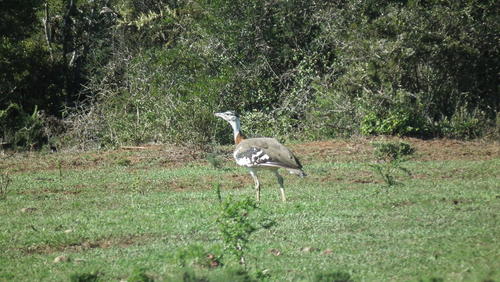
アフリカチュウノガン (Neotis denhami) アフリカチュウノガン
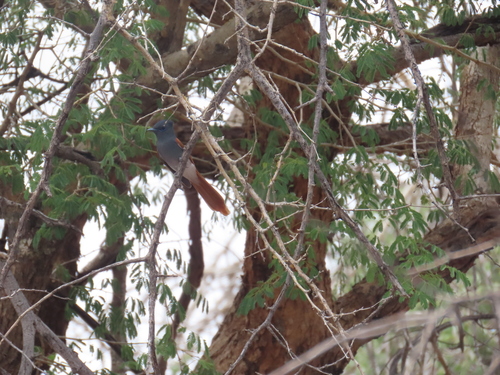
アフリカサンコウチョウ (Terpsiphone viridis) アフリカサンコウチョウ

メディア

読み込み中…

要点

アフリカチュウノガンとアフリカサンコウチョウは、サイズ、構造、飛行スタイルにおいて劇的に異なりますが、特に雌や幼鳥の遠くからの視認や短時間の観察では混乱が生じることがあります。最も信頼できるフィールドマークは全体のサイズと形です:アフリカチュウノガンは、重い体格を持つ巨大で長脚の地上鳥であり、アフリカサンコウチョウは、特に雄において長い尾のストリーマーを持つ細身の小さな歌鳥です。飛行中、アフリカチュウノガンは大胆な白、茶色、黒の翼のパターンを示します(特に成鳥の雄において)、一方でサンコウチョウは白い翼帯を持つ栗色の翼を持ち(成鳥の雄において)、はるかに繊細でひらひらした飛行をします。オープンな国では生息地の重複が可能ですが、彼らの行動や印象は異なります。声も強力な区別要因です:サンコウチョウは騒がしく叱責するような声を出しますが、チュウノガンは通常静かです。

識別のコツ

  1. Size and shape: アフリカチュウノガンは巨大で、長い脚と重い、直立した姿勢を持ち、アフリカサンコウチョウは小さく、細身で、繊細な体格で直立して止まります。サイズだけで診断可能ですが、極端な距離では例外です。
  2. Flight style: チュウノガンは遅く、深い翼の拍動と広い翼で飛び、しばしば地面の近くを飛びます;サンコウチョウはひらひらとした、敏捷で、はるかに軽い飛行をし、しばしば止まり木から飛び立ちます。
  3. Tail: 雄のサンコウチョウは非常に長く、細い尾のストリーマーを持っています(体長の2倍以上);チュウノガンは体のサイズに対して広く、短い尾を持っています。雌のサンコウチョウは中程度の長さの尾を持ちますが、チュウノガンの体格に対してはまだはるかに短いです。
  4. Wing pattern in flight: 成鳥の雄のアフリカチュウノガンは、翼に大胆な白、茶色、黒を示し、広範な白いパネルを持っています;雌や幼鳥は白が少ないです。サンコウチョウの雄は栗色の翼に小さな白い翼帯を持ち、雌は翼帯がありません。
  5. Plumage (perched): チュウノガンはオレンジ色の後頭部を持つ淡い灰色の首、茶色の背中、白い腹部、黒と白の顔のパターンを持っています。サンコウチョウの雄は上面が栗色で、光沢のある黒い頭と腹部、白い翼帯を持ち、雌はより茶色で、下部は淡く、翼帯がありません。
  6. Leg color: チュウノガンは長く、淡い黄色の脚を持っています;サンコウチョウは短く、暗い脚を持ち(フィールドではしばしば見えません)。
  7. Bill: チュウノガンは厚く、淡い角のような嘴を持っています;サンコウチョウは昆虫を捕まえるのに適した小さく、細い、暗い嘴を持っています。
  8. Behavior: チュウノガンは地面を歩き、めったに止まりません;サンコウチョウはほぼ常に止まっているか、木や低木の中をひらひらしています。
  9. Voice: サンコウチョウは騒がしく、厳しい叱責の声を持っています;チュウノガンはほとんど常に静かです。
  10. Habitat context: チュウノガンはオープンな草原や農地に生息し、常に地面にいます;サンコウチョウは森林、森林の縁、またはサバンナに生息し、通常は地面の上にいます。
  11. Sex/age pitfalls: 雌や幼鳥のサンコウチョウはストリーマーがなく、鈍いですが、それでもチュウノガンよりもはるかに小さく、樹上性です。雌や若いチュウノガンは雄よりも茶色で、目立つ模様が少ないですが、それでも巨大で地上に生息しています。
  12. Courtship display: チュウノガンだけが喉を膨らませ、白い羽のバルーンで威張ります;サンコウチョウは尾を広げてひらひらすることでディスプレイしますが、喉を膨らませることはありません。
  13. Feeding behavior: チュウノガンは地面で昆虫、小さな脊椎動物、植物を探します;サンコウチョウは飛行中に昆虫を捕まえたり、葉から採餌します。
  14. Mixed flocks: サンコウチョウは森林で混成種の群れに参加することがあります;チュウノガンは孤独または小さな群れで、混成群れには決して参加しません。
  15. Confusion risk: 遠くから見えにくい鳥やストリーマーのない雌や幼鳥のサンコウチョウとの混乱が起こる可能性があります。まずサイズ、生息地、行動を確認してください。

大きさ

アフリカチュウノガンは、アフリカの地上鳥の中で最も大きい種の一つであり、雄は100〜116 cm(39〜46インチ)の長さに達し、体重は9〜10 kg(20〜22ポンド)で、雌も80〜87 cm(31〜34インチ)で3〜4 kg(6.6〜8.8ポンド)と依然として大きいです [wikipedia, avonet]。対照的に、アフリカサンコウチョウは小さなスズメ目の鳥であり、雄は体長約17 cm(6.7インチ)ですが、尾のストリーマーを含めると最大34 cm(13インチ)に見えることがあります;雌は体のサイズは似ていますが、ストリーマーがありません。チュウノガンはどの猛禽類やコウノトリよりもずっと大きく、サンコウチョウはツグミよりも小さく、体格ははるかに軽いです。

羽色

幼鳥と雌のアフリカチュウノガンは、上面がより地味な茶色で、下面が白く、成鳥の雄に比べて翼の白が少ないです。飛行中、成鳥の雄のアフリカチュウノガンは、翼に茶色、白、黒の目を引くパターンを示し、白は雄で最も目立ちます;雌や幼鳥は白が少なく、地味なパターンを持っています。アフリカサンコウチョウの成鳥の雄は上面が栗色で、黒い頭と腹部、白い翼帯、長い尾のストリーマーを持ち、雌はより茶色で、翼帯とストリーマーがなく、全体的に地味です。幼鳥のサンコウチョウは雌に似ていますが、さらに鮮やかさが欠けています。チュウノガンのオレンジ色の後頭部を持つ淡い灰色の首と黒と白の顔のパターンはユニークであり、サンコウチョウの光沢のある黒い頭(雄)または淡い茶色の頭(雌)と青灰色の腹部は近距離で際立っています。翼のパターンには重複がなく、チュウノガンは大胆でブロック状の翼のマーキングを持ち、サンコウチョウは小さく、整然とした白い翼帯を持っています(雄のみ)。

行動

アフリカチュウノガンは通常孤独または小さな群れで、オープンな草原や農地でゆっくりと地面を歩き、めったに止まりません。その飛行は重く、直接的で、広い翼と遅い翼拍動を持っています。求愛中、雄は喉を膨らませ、目立つ白い羽のバルーンで威張ります。アフリカサンコウチョウは活発で落ち着きがなく、止まり木から昆虫を捕まえるために飛び立つ姿がよく見られ、ひらひらとした敏捷な飛行をします。彼らは直立して止まり、しばしば中間の枝にいて、はるかに樹上性です。サンコウチョウは騒がしく目立ちますが、チュウノガンは一般的に静かで警戒心が強いです。

生息環境

両種はオープンな生息地に出現することがありますが、アフリカチュウノガンはオープンな草原、氾濫原、時には農地を好み、密な森林にはめったに入らず、3,000 mまでの高度で見られることがあります。アフリカサンコウチョウはオープンな森林、森林の縁、サバンナを好み、木や低木にいる可能性が高いです。両者がサバンナのモザイクに存在することがある一方で、チュウノガンは常に地面にいて、サンコウチョウはほぼ常に木や低木にいます。

声

アフリカチュウノガンは通常静かで、ディスプレイ中でも静かですが、雄はディスプレイ中に静かに呼ぶことがあります。アフリカサンコウチョウは騒がしく、厳しい叱責の声を持ち、鳥が見える前によく聞こえます。大きく繰り返される叱責やおしゃべりが聞こえたら、それはほぼ確実にサンコウチョウです。

より良い説明を送る

比較と同じ項目を使ってください。文章はすぐに公開されます。

Denham's Bustard and African Paradise-Flycatcher are dramatically different in size, structure, and flight style, but confusion may arise with distant or brief views, especially of females or immatures. The most reliable field mark is overall size and shape: Denham's Bustard is a massive, long-legged ground bird with a heavy build, while African Paradise-Flycatcher is a slender, small songbird, often with long tail streamers in males. In flight, Denham's Bustard shows bold white, brown, and black wing patterns (especially in adult males), whereas the flycatcher has chestnut wings with a white wingbar (in adult males) and a much more delicate, fluttery flight. Habitat overlap is possible in open country, but their behavior and jizz are distinct. Vocalizations are also a strong separator: the flycatcher is noisy and scolding, while the bustard is usually silent.

  1. Size and shape: Denham's Bustard is massive, with long legs and a heavy, upright stance; African Paradise-Flycatcher is small, slender, and perches upright with a delicate build. Size alone is diagnostic except at extreme distance.
  2. Flight style: Bustard flies with slow, deep wingbeats and broad wings, often low over the ground; flycatcher has a fluttery, agile, and much lighter flight, often sallying from perches.
  3. Tail: Male flycatcher has extremely long, narrow tail streamers (more than twice body length); bustard has a broad, short tail relative to body size. Female flycatcher has a medium-length tail, still much shorter than bustard's bulk.
  4. Wing pattern in flight: Adult male Denham's Bustard shows bold white, brown, and black on the wings, with extensive white panels; females and juveniles have less white. Flycatcher male has a small white wingbar on chestnut wings; female lacks wingbar.
  5. Plumage (perched): Bustard has a pale grey neck with orange nape, brown back, white underparts, and black-and-white facial pattern. Flycatcher male is chestnut above, glossy black head and underparts, white wingbar; female is browner, paler below, lacks wingbar.
  6. Leg color: Bustard has long, pale yellow legs; flycatcher has short, dark legs (often not visible in the field).
  7. Bill: Bustard has a thick, pale horn-colored bill; flycatcher has a small, thin, dark bill suited for catching insects.
  8. Behavior: Bustard walks on the ground, rarely perches; flycatcher is almost always perched or flitting in trees and shrubs.
  9. Voice: Flycatcher is noisy, with harsh scolding calls; bustard is almost always silent.
  10. Habitat context: Bustard in open grassland or agricultural fields, always on the ground; flycatcher in woodland, forest edge, or savanna, usually above ground.
  11. Sex/age pitfalls: Female and juvenile flycatchers lack streamers and are duller, but still much smaller and more arboreal than any bustard. Female and young bustards are browner and less boldly marked than males, but still huge and ground-dwelling.
  12. Courtship display: Only bustard inflates throat and struts with white balloon of feathers; flycatcher displays by fanning tail and fluttering, but never with throat inflation.
  13. Feeding behavior: Bustard forages on ground for insects, small vertebrates, and plants; flycatcher catches insects in flight or gleans from foliage.
  14. Mixed flocks: Flycatcher may join mixed-species flocks in woodland; bustard is solitary or in small groups, never in mixed flocks.
  15. Confusion risk: Only likely with distant, poorly seen birds, or with female/immature flycatchers lacking streamers. Always check for size, habitat, and behavior first.

Denham's Bustard is among the largest African landbirds, with males reaching 100–116 cm (39–46 in) in length and weighing 9–10 kg (20–22 lb), and females still large at 80–87 cm (31–34 in) and 3–4 kg (6.6–8.8 lb) [wikipedia, avonet]. In contrast, the African Paradise-Flycatcher is a small passerine: males are about 17 cm (6.7 in) in body length, but with tail streamers can appear up to 34 cm (13 in); females are similar in body size but lack streamers. The bustard is bulkier than any raptor or stork, while the flycatcher is smaller than a thrush and much lighter in build.

Juvenile and female Denham's Bustards are plainer brown above and white below, with less white in the wings than adult males. In flight, adult male Denham's Bustard shows a striking pattern of brown, white, and black on the wings, with the white most prominent in males; females and young birds have less white and a duller pattern. The African Paradise-Flycatcher adult male is chestnut above with a black head and underparts, a white wingbar, and long tail streamers; females are browner, lack the wingbar and streamers, and are duller overall. Juvenile flycatchers resemble females but are even less vibrant. The bustard's pale grey neck with orange nape and black-and-white facial pattern is unique, while the flycatcher's glossy black head (male) or paler brown head (female) and blue-grey underparts are distinctive at close range. There is no overlap in wing pattern: bustards have bold, blocky wing markings, while flycatchers have a small, neat white wingbar (males only).

Denham's Bustard is usually solitary or in small groups, walking slowly on the ground in open grassland or agricultural fields, and rarely perches. Its flight is heavy and direct, with broad wings and slow wingbeats. During courtship, the male inflates his throat and struts with a conspicuous white balloon of feathers. African Paradise-Flycatcher is active, restless, and often seen sallying for insects from perches, with a fluttery, agile flight. It perches upright, often in mid-level branches, and is much more arboreal. The flycatcher is noisy and conspicuous, while the bustard is generally silent and wary.

Both species can occur in open habitats, but Denham's Bustard favors open grasslands, floodplains, and sometimes agricultural land, rarely venturing into dense woodland. It may be found at elevations up to 3,000 m. African Paradise-Flycatcher prefers open forest, woodland edges, and savanna, and is more likely to be found in trees or shrubs. While both may be present in savanna mosaics, the bustard is always on the ground, while the flycatcher is almost always in trees or bushes.

Denham's Bustard is usually silent, even during display, though males may call softly when displaying. African Paradise-Flycatcher is noisy, with a harsh, scolding call that is often heard before the bird is seen. If you hear a loud, repeated scold or chatter, it is almost certainly the flycatcher.

変更を破棄しますか?

保存していない編集があります。今離れると失われます。

アフリカチュウノガン · アフリカサンコウチョウ · 苦手な鳥