

Motmot

カンムリヒバリ 対 セッカ

Galerida cristata 対 Cisticola juncidis

カンムリヒバリとセッカのクイズ
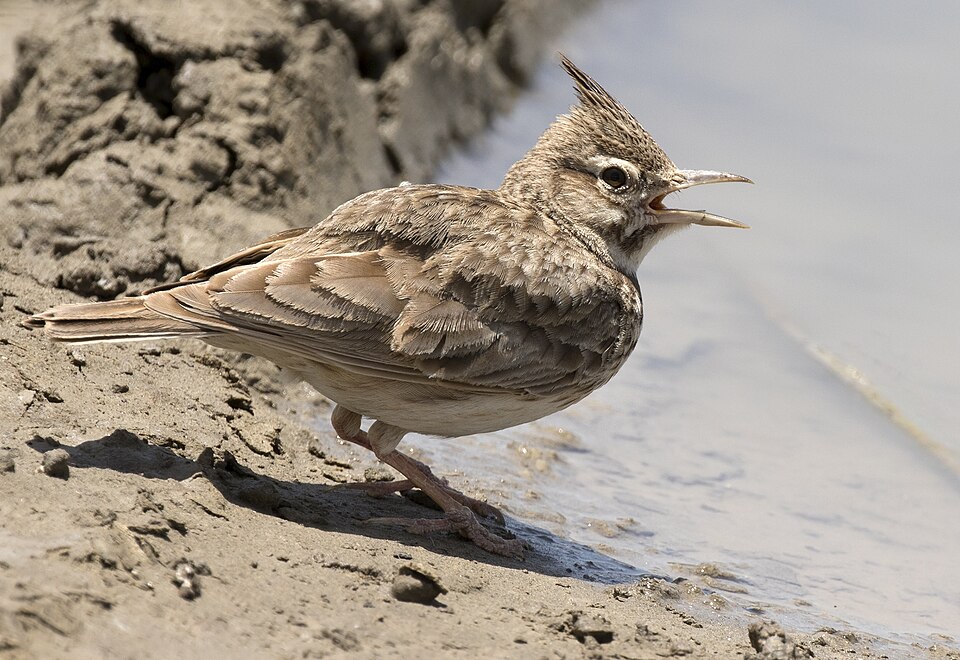
カンムリヒバリ (Galerida cristata) カンムリヒバリ
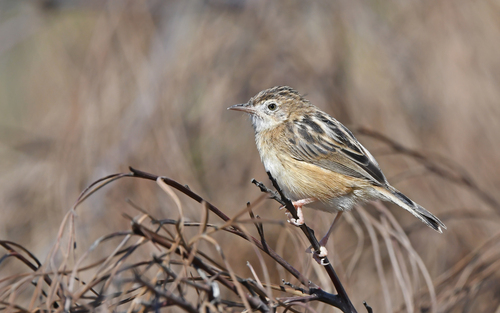
セッカ (Cisticola juncidis) セッカ

メディア

読み込み中…

要点

カンムリヒバリとセッカを区別する最も信頼できるフィールドマークは、カンムリヒバリの明らかに尖った冠羽で、これは止まっているときは常に見え、飛んでいるときでもしばしば見えます。一方、セッカは全く冠羽のない平らで丸い頭を持っています。飛んでいるとき、カンムリヒバリは広い赤褐色の下翼と短い尾を示しますが、セッカはずっと小さく、白い先端を持つ目立って長い扇状の尾と赤褐色の腰を持っています。幼鳥のカンムリヒバリは成鳥よりも背中の斑点が多いですが、若い鳥でも冠羽とよりがっしりした体型を保持しています。これらの2種はサイズ、構造、飛行スタイルにおいて強く異なるため、混乱は主に開けた土地での遠くの鳥や速く動く鳥において最も起こりやすいです。

識別のコツ

  1. Crest: カンムリヒバリは常に頭に尖った立ち上がった冠羽を示し、止まっているときや飛んでいるときでも見えます。セッカには冠羽がなく、頭は滑らかに丸いです。これはどんな距離でも最も信頼できる区別です。
  2. Size and Bulk: カンムリヒバリはセッカよりもずっと大きく、体重も重いです。両方を一緒に見ると、カンムリヒバリはほぼ2倍の大きさに見え、ずっしりとしています。
  3. Tail Shape and Length: カンムリヒバリは淡い外羽を持つ短い四角い尾を持っていますが、セッカは長く狭い尾を持ち、しばしば扇状で白い先端があります。飛んでいるとき、セッカの尾は目立って長く、より柔軟に見えます。
  4. Rump Color: セッカは赤褐色の腰を示し、特に飛び去るときに明らかです。カンムリヒバリの腰は背中と同じ色で、赤褐色ではありません。
  5. Underwing Color in Flight: カンムリヒバリは飛んでいるときに広い赤褐色の下翼を示しますが、セッカの下翼は特徴的ではなく、この赤褐色のトーンがありません。
  6. Back Pattern (Juveniles): 幼鳥のカンムリヒバリは成鳥よりも背中の斑点が多いですが、依然として冠羽と全体的に淡い羽毛の外観を示します。セッカの幼鳥は成鳥に似ており、斑点のある茶色の上面を持っていますが、冠羽はありません。
  7. Bill Structure: カンムリヒバリは掘ったり種を食べたりするのに適した強く、わずかに下向きのくちばしを持っています。セッカは昆虫食のウグイスに典型的な細くて真っ直ぐなくちばしを持っています。
  8. Flight Style: カンムリヒバリは波打つような跳ねる動きで飛び、しばしば裸の地面に着地します。セッカはジグザグの跳ねるディスプレイ飛行を行い、しばしば草の上を飛び、開けた場所に着地することは稀です。
  9. Perched Posture: カンムリヒバリはしばしば直立して立ち、冠羽とがっしりした体型を見せます。セッカは草の中で低く止まることが多く、細く神経質に見え、尾はしばしば立てられたり扇状になったりします。
  10. Habitat: カンムリヒバリは開けた乾燥した、しばしば裸の生息地に見られますが、セッカは草地や湿地に限定されています。生息地だけでも強い手がかりになります。
  11. Vocalization: カンムリヒバリの歌は液体のような多様なさえずりで、しばしば地面や水平飛行中に歌われます。セッカは特にディスプレイ飛行中に単調な「ジットジットジット」と呼ぶ声を出します。繰り返しの「ジット」を聞いたら、セッカを考えてください。
  12. Sex and Age Differences: 両種は羽毛において性別による形態的差異はありませんが、幼鳥のカンムリヒバリは上面により多くの斑点があります。セッカは混乱に関連する強い年齢による羽毛の違いを示しません。
  13. Context: 地面の高いところで跳ねるようなジグザグ飛行をし、繰り返しの呼び声を出している鳥を見たら、ほぼ確実にセッカです。歌がより複雑で、鳥が地面や低い止まり木にいる場合は、カンムリヒバリのために冠羽を確認してください。
  14. Pitfalls: 遠くから見ると、冠羽が平らになった遠くのカンムリヒバリはあまり特徴的に見えないかもしれませんが、サイズ、体格、下翼の色は小さく細いセッカと区別するはずです。逆に、尾が閉じたセッカは短い尾に見えるかもしれませんが、冠羽と赤褐色の腰の欠如は診断的です。
  15. When Marks Fail: 照明が悪い場合や極端な距離では、羽毛と同じくらい構造(冠羽、サイズ、尾の形)や生息地/文脈に頼るべきです。鳥が歌ったり呼んだりしている場合、声が決め手になることがあります。

大きさ

カンムリヒバリは約17 cmの長さで、翼幅は29〜38 cm、体重は37〜55 gで、かなり大きくてがっしりしています [wikipedia][avonet]。セッカはずっと小さくて軽く、一般的な情報から約10〜12 cmの長さで、細身の体型とずっと短い翼幅、低い質量を持っています。フィールドでは、カンムリヒバリは中型のずっしりとしたスズメ目の鳥に見え、セッカは小さくて繊細な草原の鳥です。

羽色

幼鳥のカンムリヒバリは成鳥よりも背中の斑点が多いですが、すべての年齢が淡い羽毛の外観と目立つ冠羽を持っています。飛んでいるとき、すべての年齢のカンムリヒバリは赤褐色の下翼と淡い外羽を持つ短い四角い尾を示します。セッカは年齢に関係なく冠羽がなく、代わりに赤褐色の腰と白い先端を持つ長い茶色の尾で最もよく認識されます。セッカの尾は飛行中にしばしば扇状になり、白い先端を強調し、全体の羽毛は上面が縞模様で温かみのある茶色です。どちらの種にも飛行中に診断的な年齢特有の上翼パターンの言及はありませんが、冠羽、下翼の色、尾の構造の組み合わせは信頼できます。

行動

カンムリヒバリはしばしば地面や目立つ止まり木から歌い、追い立てられると波打つような跳ねる飛行で飛び、赤褐色の下翼と短い尾を示します。通常は単独またはゆるいペアで見られ、時には裸の地面や道路の脇にいます。セッカはずっと活発で落ち着きがなく、繁殖期には特徴的なジグザグの跳ねるディスプレイ飛行をしながら、草原の上を短い低い飛行を頻繁に行い、繰り返しの「ジット」と呼ぶ声を伴います。セッカの尾はしばしば扇状になり、ひらひらし、開けた場所に長く止まることは稀です。

生息環境

カンムリヒバリは荒地、畑の端、町の郊外などの開けた乾燥した生息地を好み、しばしば裸の地面やまばらに植生のある場所にいます。セッカは草地、葦原、湿った草地に強く関連しており、裸の地面に出ることは稀です。草原や湿地で特に背の高い草の中に鳥を見つけた場合、セッカの可能性が高く、カンムリヒバリはより乾燥した開けた植生の少ない地面に典型的です。

声

カンムリヒバリは液体のようなさえずりの歌を持ち、しばしば「ウィーウィーウィーオー」や「トゥイーティートゥー」と表現され、地面または空高くから歌われます。その歌はセッカのものよりも複雑で音楽的です。セッカは特にディスプレイ飛行中に単調で均等に間隔をあけた「ジットジットジット」と呼ぶ声を出し、これが英語名の由来です。セッカの呼び声はずっとシンプルで鋭く、繰り返しが多く、通常は止まり木からではなく飛行中に出されます。

より良い説明を送る

比較と同じ項目を使ってください。文章はすぐに公開されます。

The most reliable field mark to separate Crested Lark from Zitting Cisticola is the Crested Lark’s obvious pointed crest, which is always visible when perched and often even in flight, while Zitting Cisticola has a plain, rounded head with no crest at all. In flight, Crested Lark shows broad, reddish underwings and a short tail, while Zitting Cisticola is much smaller, with a noticeably longer, fanned tail tipped with white and a rufous rump. Juvenile Crested Larks have more back spots than adults, but even young birds retain the crest and bulkier build. These two species differ strongly in size, structure, and flight style, so confusion is most likely with distant or fast-moving birds in open country.

  1. Crest: Crested Lark always shows a pointed, erect crest on the head, visible both when perched and often in flight. Zitting Cisticola never has a crest; its head is smoothly rounded. This is the single most reliable separation at any distance.
  2. Size and Bulk: Crested Lark is much larger and heavier-bodied than Zitting Cisticola. If you see both together, the lark will look nearly twice the size and much chunkier.
  3. Tail Shape and Length: Crested Lark has a short, square tail with pale outer feathers, while Zitting Cisticola has a long, narrow tail often fanned and tipped with white. In flight, the cisticola’s tail looks noticeably longer and more flexible.
  4. Rump Color: Zitting Cisticola shows a rufous rump, especially obvious when flying away. Crested Lark’s rump is concolorous with the back and not rufous.
  5. Underwing Color in Flight: Crested Lark shows broad, reddish underwings in flight; Zitting Cisticola’s underwings are not distinctive and lack this reddish tone.
  6. Back Pattern (Juveniles): Juvenile Crested Larks have more spots on the back than adults, but still show the crest and overall pale, downy look. Zitting Cisticola juveniles are similar to adults, with streaked brown upperparts but no crest.
  7. Bill Structure: Crested Lark has a strong, slightly decurved bill, suited to digging and seed eating. Zitting Cisticola has a fine, straight bill typical of insectivorous warblers.
  8. Flight Style: Crested Lark flies with undulating, bounding movements and often lands on bare ground. Zitting Cisticola performs a zigzagging, bouncing display flight, often over grass, and rarely lands in the open.
  9. Perched Posture: Crested Lark often stands upright, showing off its crest and robust build. Zitting Cisticola is more likely to perch low in grass, appearing slim and nervous, with tail often cocked or fanned.
  10. Habitat: Crested Lark is found in open, dry, often bare habitats, while Zitting Cisticola is restricted to grassy or marshy areas. Habitat alone can be a strong clue.
  11. Vocalization: Crested Lark’s song is a liquid, varied warble, often given from the ground or in level flight. Zitting Cisticola gives a monotonous 'zit-zit-zit' call, especially in display flight. If you hear a repetitive 'zit', think cisticola.
  12. Sex and Age Differences: Both species are sexually monomorphic in plumage, but juvenile Crested Larks are more spotted above. Zitting Cisticola does not show strong age-related plumage differences relevant for confusion.
  13. Context: If you see a bird singing high above ground in a bouncing, zigzag flight with a repetitive call, it is almost certainly Zitting Cisticola. If the song is more complex and the bird is on the ground or a low perch, check for the crest for Crested Lark.
  14. Pitfalls: At long range, a distant Crested Lark with its crest flattened might look less distinctive, but the size, bulk, and underwing color should still separate it from the tiny, slim cisticola. Conversely, a Zitting Cisticola with its tail closed may look shorter-tailed, but the lack of crest and rufous rump remain diagnostic.
  15. When Marks Fail: In poor light or at extreme distance, rely on structure (crest, size, tail shape) and habitat/context as much as plumage. Voice can be a clincher if the bird is singing or calling.

Crested Lark is substantially larger and bulkier, measuring about 17 cm in length with a wingspan of 29–38 cm and weighing 37–55 g [wikipedia][avonet]. Zitting Cisticola is much smaller and lighter, typically around 10–12 cm long (noted from general sources), with a slim build and a much shorter wingspan and lower mass. In the field, Crested Lark will appear as a medium-sized, chunky passerine, while Zitting Cisticola is a tiny, delicate grassland bird.

Juvenile Crested Larks show more spots on the back than adults, but all ages have a pale, downy appearance and a prominent crest. In flight, Crested Lark of all ages shows reddish underwings and a short, square tail with pale outer feathers. Zitting Cisticola, regardless of age, lacks any crest and instead is best recognized by its rufous rump and a long, brown tail with white tips. The cisticola’s tail is often fanned in flight, accentuating the white tips, and the overall plumage is streaked and warm brown above. There is no mention of age-specific upperwing patterns for either species that would be diagnostic in flight, but the combination of crest, underwing color, and tail structure is reliable.

Crested Lark often sings from the ground or from a prominent perch, and when flushed, flies with undulating, bounding flight, showing its reddish underwings and short tail. It is usually seen singly or in loose pairs, sometimes on bare ground or roadsides. Zitting Cisticola is much more active and restless, frequently making short, low flights over grassland with a distinctive zigzagging, bouncing display flight during the breeding season, accompanied by its repetitive 'zit' call. The cisticola’s tail is often fanned and flicked, and it rarely perches in the open for long.

Crested Lark prefers open, dry habitats such as wastelands, field edges, and the outskirts of towns, often on bare ground or sparsely vegetated areas. Zitting Cisticola is strongly associated with grasslands, reedbeds, and wet meadows, rarely venturing onto bare ground. If you find the bird in a grassy field or marsh, especially among tall grasses, Zitting Cisticola is much more likely; Crested Lark is more typical of drier, open, and less vegetated ground.

Crested Lark has a liquid, warbling song, often described as 'whee-whee-wheeoo' or 'twee-tee-too', delivered either from the ground or high in the air. Its song is more complex and musical than that of Zitting Cisticola. Zitting Cisticola gives a monotonous, evenly spaced 'zit-zit-zit' call, especially during its display flight, which is the source of its English name. The cisticola’s call is much simpler, sharper, and more repetitive, and is usually given in flight rather than from a perch.

変更を破棄しますか?

保存していない編集があります。今離れると失われます。

カンムリヒバリ · セッカ · 苦手な鳥