

オナガサイホウチョウ 対 インドネシアサイホウチョウ
Orthotomus sutorius 対 Orthotomus sepium
オナガサイホウチョウとインドネシアサイホウチョウのクイズ
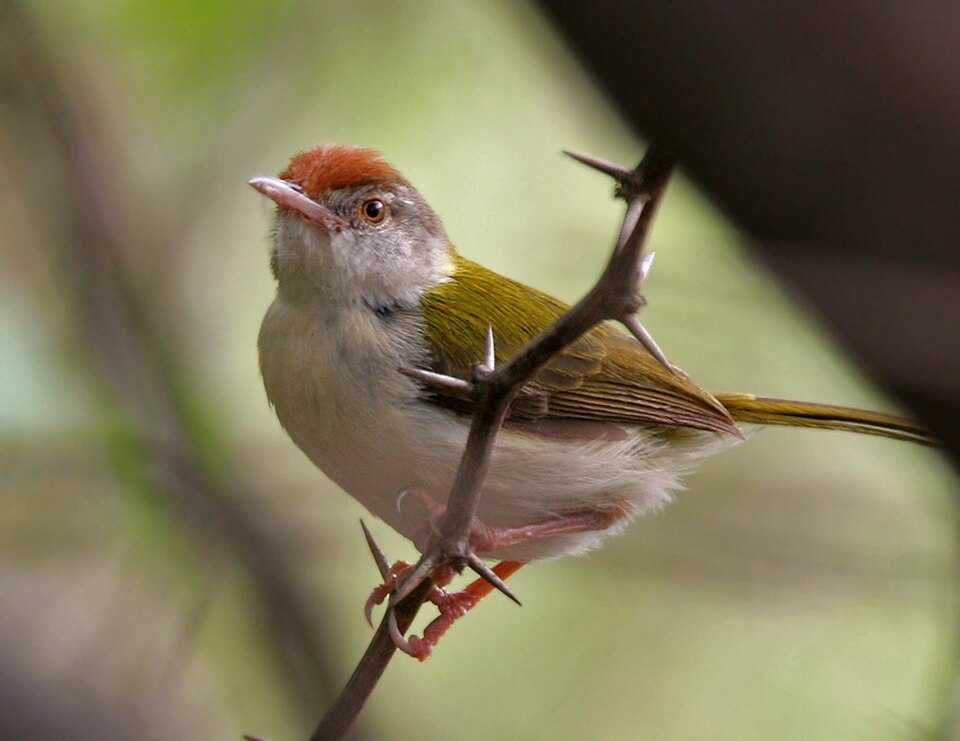 オナガサイホウチョウ
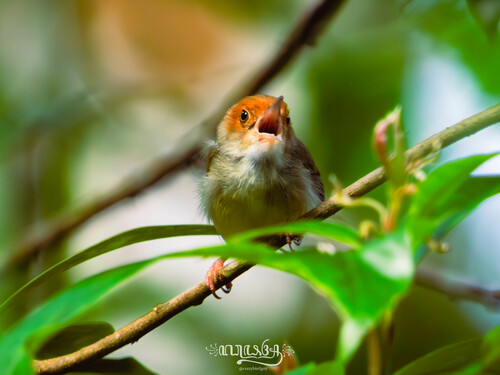 インドネシアサイホウチョウ
要点
The most reliable way to separate Common Tailorbird from Olive-backed Tailorbird is by range and habitat: Common Tailorbird is widespread in urban gardens and varied habitats across tropical Asia, while Olive-backed Tailorbird is strictly endemic to Java, Bali, Madura, and Lombok, favoring open forests and shrubby areas. In direct comparison, Common Tailorbird shows a bright green back, rufous crown, and creamy underparts, with a longer, more upright tail that is often flicked. Olive-backed Tailorbird is less brightly colored and lacks the strong rufous crown. Both are small, active birds, but Common Tailorbird is slightly lighter and more likely to be seen in dense, urban vegetation. Juvenile and immature plumages are not well described for Olive-backed, but young Common Tailorbirds are noted as duller. Vocalizations are not described for Olive-backed, but Common Tailorbird is known for its loud, repetitive calls.
識別のコツ
- Geographic range is the first check: If you are not on Java, Madura, Bali, or Lombok, you are almost certainly seeing Common Tailorbird.
- Habitat context: Common Tailorbird is common in urban gardens and dense vegetation, while Olive-backed Tailorbird prefers open forests and shrubby areas on its restricted islands.
- Crown color: Look for the rufous (reddish-brown) crown of Common Tailorbird; Olive-backed lacks this strong contrast and has a more uniformly olive head.
- Upperparts brightness: Common Tailorbird has bright green upperparts, while Olive-backed is less vivid, with a duller olive back.
- Underparts: Common Tailorbird shows creamy white underparts with a sharp contrast to the upperparts; Olive-backed is less contrasting.
- Tail structure and behavior: Common Tailorbird has a long, often upright tail, especially in breeding males; Olive-backed's tail is not described as particularly long or upright.
- Tail-flicking: Frequent, conspicuous tail-flicking is more typical of Common Tailorbird.
- Neck patches: When calling, Common Tailorbird may show dark patches on the sides of the neck due to bare skin; this is not mentioned for Olive-backed.
- Juvenile plumage: Young Common Tailorbirds are duller but still show the basic pattern; Olive-backed juveniles are not described but are likely less bright overall.
- Size: Both are tiny, but Common Tailorbird is slightly lighter; size is not a strong field mark.
- Vocalization: Loud, repetitive 'cheeup-cheeup-cheeup' is diagnostic for Common Tailorbird; absence of this call may suggest Olive-backed, but beware of local variation.
- Bill and structure: Both have sharp, slightly decurved bills, but this is not a reliable separator.
- Sex differences: Only breeding male Common Tailorbird shows especially long central tail feathers; otherwise, sexes are similar in both species.
- Flight views: No distinctive wing or flight pattern differences are known for either species at any age.
- Pitfalls: Do not rely on nest structure for field ID, as both species (and some prinias) may sew leaves in similar ways.
大きさ
Both species are tiny warblers, but Common Tailorbird averages slightly lighter (7.5g vs 8.4g). Both are in the 10–14 cm length range, so size alone is not a strong separator. In hand or close view, Olive-backed may appear a bit bulkier, but this is subtle and easily masked by posture or feather fluffing.
羽色
Adult Common Tailorbird is bright, with olive-green upperparts, a distinct rufous crown, and creamy white underparts. The long tail is often held upright and is especially elongated in breeding males. When calling, both sexes may show dark neck patches due to bare skin. Young birds are duller but still show the basic pattern. Olive-backed Tailorbird, by contrast, lacks the strong rufous crown and is overall less brightly colored, with a more uniformly olive back and less contrast between upperparts and underparts. Juvenile and immature plumages are not described in detail for Olive-backed, but the lack of bright rufous or vivid green is likely consistent. No distinctive wing or flight pattern differences are documented for either species at any age.
行動
Common Tailorbird is typically shy and stays hidden in dense vegetation, but its loud calls often reveal its presence. It frequently flicks its long tail upright, giving a wren-like impression. Olive-backed Tailorbird is also active but is more often seen perching on short trees and shrubs in open forests, sometimes more exposed than Common Tailorbird. Both are insectivorous and agile, but Common Tailorbird's tail-flicking and preference for denser cover are notable.
生息環境
Habitat is a key separator. Common Tailorbird is a familiar resident of urban gardens, parks, and a wide range of habitats across tropical and subtropical Asia. Olive-backed Tailorbird is restricted to the islands of Java, Madura, Bali, and Lombok, and is found in open forests and shrubby areas, rarely in dense urban settings. If you see a tailorbird in a city park outside these islands, it is almost certainly Common Tailorbird.
声
Common Tailorbird is well known for its loud, repetitive 'cheeup-cheeup-cheeup' calls, which are variable but distinctive and often heard even when the bird is hidden. There is no description of Olive-backed Tailorbird's vocalizations in the available sources, so voice is not a reliable separator unless you are certain you have Common Tailorbird's typical call.