

Motmot

イソシギ 対 タカブシギ

Actitis hypoleucos 対 Tringa glareola

イソシギとタカブシギのクイズ
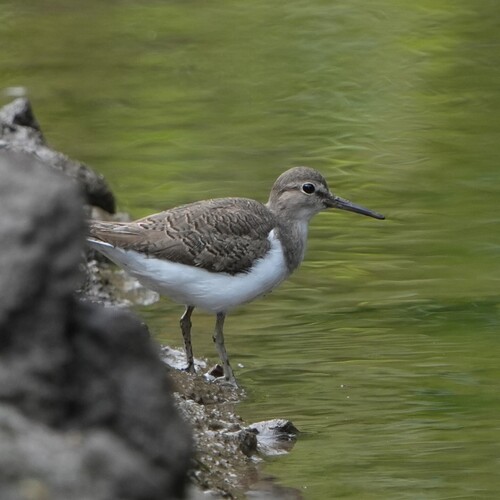
イソシギ (Actitis hypoleucos) イソシギ
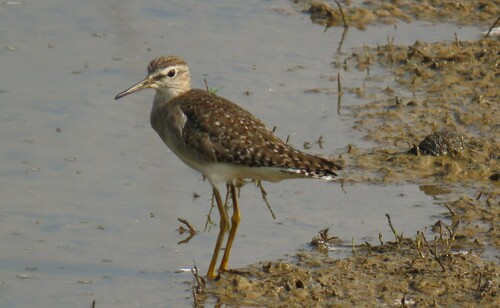
タカブシギ (Tringa glareola) タカブシギ

メディア

読み込み中…

要点

イソシギとタカブシギを区別するための最も信頼できるフィールドマークは、脚の長さと構造です:イソシギは短く、暗い黄褐色の脚を持ち、コンパクトで低い姿勢をしていますが、タカブシギは明らかに脚が長く、より直立しており、明るい黄褐色の脚を持っています。飛行中、幼鳥のイソシギは鮮明な縞模様とバフエッジの翼羽を示しますが、タカブシギはそのような強い縞模様を欠いています。両種は茶色の上面と白い下面を持っていますが、全体の形、脚の色、姿勢が重要です。タカブシギのより浮力のある、シャンクのような飛行に対して、イソシギの特徴的な硬い翼で低く飛ぶスタイルに注意してください。

識別のコツ

  1. 脚の長さと色: イソシギは短く、暗い黄褐色の脚を持っています;タカブシギははるかに長く、明るい黄褐色の脚を持っています。これは、どの年齢や季節でも彼らを区別する最も迅速な方法です。
  2. 構造と姿勢: イソシギはコンパクトで低く、しゃがんでいるように見え、しばしば体が地面に近いです。タカブシギはより高く、直立しており、繊細でシャンクのような体型をしています。
  3. 飛行スタイル: イソシギは水面を低く飛び、硬く浅い翼の打撃で飛びます;タカブシギはより浮力のある、シャンクのような飛行をし、長い脚が後ろに引きずられます。
  4. 幼鳥の翼模様: 幼鳥のイソシギは、特に飛行中や近距離で目立つ鮮明な縞模様とバフエッジの翼羽を示します。タカブシギの幼鳥はこの強い縞模様を欠いており、上面はより散発的にまだらです。
  5. 成鳥の翼模様: 飛行中、イソシギはタカブシギよりも鮮明で対照的な翼模様を示しますが、これは微妙で近距離で見るのが最適です。
  6. くちばしの形: 両種は淡い基部と暗い先端のくちばしを持っていますが、タカブシギのくちばしはより細く、頭のサイズに対して少し長いです。これは補助的なマークであり、主要なものではありません。
  7. 胸の模様: タカブシギは胸と首に小さく、より散発的な茶色の斑点を持っていますが、イソシギの下面は清潔な白で、斑点はほとんどありません。
  8. 尾の動き: イソシギは採餌中に頻繁に尾を上下させ、頭を突き出します;タカブシギはこの点ではあまり動きがありません。
  9. 生息地の好み: 特に海岸から離れた湿った植生のある淡水の場所で見られた場合、タカブシギの可能性が高いです。岩や泥の河岸や湖の縁では、特に孤立した個体では、イソシギがより期待されます。
  10. 群れの行動: イソシギは通常、単独または小さな群れで見られ、混合フロックに参加することは稀です。タカブシギは適切な湿地生息地で他の水鳥と一緒に見られることがあります。
  11. 悪条件での脚の色: 鈍いまたは泥の多い条件では、タカブシギの脚はあまり明るく見えますが、その長さはイソシギの短い脚と比較して際立っています。
  12. 非繁殖羽毛での混乱: 両種は冬に鈍くなりますが、構造的な違い(脚の長さ、姿勢)により、依然として信頼性を持って区別できます。
  13. サイズの印象: タカブシギはわずかに重く、より繊細で高く見えます;イソシギは小さく、ずんぐりしており、地面に近いです。
  14. 声: 提供されたメモからは診断的ではありません;構造と羽毛に依存してください。
  15. 落とし穴: 上面の色にのみ依存しないでください。両種は悪条件で茶色がかって見えることがあるため、脚の長さ、姿勢、飛行スタイルに注目して自信を持って識別してください。

大きさ

タカブシギは重く(体重約67.5 g [wikidata])、イソシギよりも繊細で脚が長く見えます。イソシギはわずかに小さく、よりコンパクトです(成鳥の長さ18〜20 cm、翼幅32〜35 cm [wikipedia])。タカブシギはシャンクの中で最も小さいですが、ずんぐりした低いイソシギよりも高く、脚が長く見えます。

羽色

行動

イソシギは通常、単独または小さな群れで見られ、混合フロックに参加することは稀です。特徴的な尾の上下運動で採餌し、歩くときに尾を上下させ、頭を突き出すことがよくあります。水面を低く飛び、表面に密着して飛びます。タカブシギは浅い水や泥で採餌し、くちばしで探り、採餌中や飛行中により浮力があり、直立しているように見えます。タカブシギの飛行はシャンクの典型的なもので、長い脚が後ろに引きずられ、翼の打撃があまり硬くありません。

生息環境

イソシギは淡水または海岸の縁、特に河岸、湖岸、河口で最もよく見られますが、大きな混合フロックを避ける傾向があります。タカブシギは淡水の湿地、湿原、泥のプールを好み、開放的な海岸では見られる可能性が低いです。両種は一部の内陸の湿地生息地で重なりますが、タカブシギは湿った植生のある淡水の場所により厳密に関連しています。

より良い説明を送る

比較と同じ項目を使ってください。文章はすぐに公開されます。

The most reliable field mark to separate Common Sandpiper from Wood Sandpiper is leg length and structure: Common Sandpiper has short, dark yellowish legs and a compact, low-slung look, while Wood Sandpiper is noticeably longer-legged and more upright, with brighter yellowish legs. In flight, juvenile Common Sandpipers show crisp barring and buff-edged wing feathers, while Wood Sandpipers lack such strong barring. Both species have brown upperparts and white underparts, but the overall shape, leg color, and stance are key. Watch for the Common Sandpiper's distinctive stiff-winged, low flight style compared to the Wood Sandpiper's more buoyant, shank-like flight.

  1. Leg length and color: Common Sandpiper has short, dark yellowish legs; Wood Sandpiper has much longer, brighter yellowish legs. This is the quickest way to separate them at any age or season.
  2. Structure and stance: Common Sandpiper appears compact, low-slung, and crouched, often with its body close to the ground. Wood Sandpiper stands taller and more upright, with a delicate, shank-like build.
  3. Flight style: Common Sandpiper flies low over water with stiff, shallow wingbeats; Wood Sandpiper has a more buoyant, shank-like flight with longer legs trailing behind.
  4. Juvenile wing pattern: Juvenile Common Sandpipers show crisp barring and buff-edged wing feathers above, especially noticeable in flight or at close range. Wood Sandpiper juveniles lack this strong barring; their upperparts are more diffusely mottled.
  5. Adult wing pattern: In flight, Common Sandpiper shows a crisper, more contrasting wing pattern than Wood Sandpiper, though this is subtle and best seen at close range.
  6. Bill shape: Both have a pale-based, dark-tipped bill, but Wood Sandpiper's is finer and slightly longer relative to head size. This is a supporting mark, not primary.
  7. Breast markings: Wood Sandpiper has smaller, more diffuse brownish spots on the breast and neck, while Common Sandpiper's underparts are clean white with little to no spotting.
  8. Tail movement: Common Sandpiper frequently bobs its tail and thrusts its head while foraging; Wood Sandpiper is less animated in this way.
  9. Habitat preference: If seen in a marshy, vegetated freshwater site, especially away from the coast, Wood Sandpiper is more likely. Along rocky or muddy riverbanks and lake edges, especially in solitary birds, Common Sandpiper is more expected.
  10. Group behavior: Common Sandpiper is usually alone or in small groups, rarely joining mixed flocks. Wood Sandpiper may be seen with other waders in suitable wetland habitats.
  11. Leg color in poor light: In dull or muddy conditions, Wood Sandpiper's legs can appear less bright, but their length remains distinctive compared to the short legs of Common Sandpiper.
  12. Confusion in non-breeding plumage: Both species become duller in winter, but the structural differences (leg length, stance) still separate them reliably.
  13. Size impression: Wood Sandpiper is slightly heavier and looks more delicate and taller; Common Sandpiper is smaller, chunkier, and lower to the ground.
  14. Voice: Not diagnostic from the provided notes; rely on structure and plumage instead.
  15. Pitfall: Do not rely solely on upperpart color, as both can look brownish in poor light—focus on leg length, stance, and flight style for a confident ID.

Wood Sandpiper is heavier (body mass about 67.5 g [wikidata]) and appears more delicate and longer-legged than the Common Sandpiper, which is slightly smaller and more compact (adult length 18–20 cm, wingspan 32–35 cm [wikipedia]). The Wood Sandpiper is the smallest of the shanks but still looks taller and leggier than the squat, low-slung Common Sandpiper.

  • Juvenile/immature birds: Common Sandpiper juveniles are heavily barred above with buff edges to the wing feathers, creating a crisp, patterned look in flight or at rest. Wood Sandpiper juveniles do not show such strong barring; their upperparts are brown with some darker mottling, and their breast and neck have diffuse brownish spots rather than crisp bars.
  • Adults: Both species have brown upperparts and white underparts, but Common Sandpiper's upperparts are greyer-brown, and its wing pattern in flight is crisper. Wood Sandpiper adults have a more subdued, light-brown back with smaller, less contrasting markings. In winter, Common Sandpiper becomes duller with more visible wing barring at close range, but this is still more distinct than in Wood Sandpiper.
  • Legs: Common Sandpiper's legs are short and dark yellowish; Wood Sandpiper's are longer and brighter yellowish.
  • Bill: Both have a pale-based, dark-tipped bill, but Wood Sandpiper's is finer and slightly longer relative to head size.

Common Sandpiper is usually solitary or in small groups, rarely joining mixed flocks. It forages with a distinctive tail-bobbing motion and often pumps its tail and thrusts its head as it walks. Its flight is stiff-winged and low over water, hugging the surface. Wood Sandpiper forages in shallow water or mud, probing with its bill, and appears more buoyant and upright, both when feeding and in flight. Wood Sandpiper's flight is more typical of shanks, with longer legs trailing and a less stiff wingbeat.

Common Sandpiper is most often found along freshwater or coastal margins, especially riverbanks, lakeshores, and estuaries, but tends to avoid large mixed flocks. Wood Sandpiper prefers freshwater wetlands, marshes, and muddy pools, and is less likely to be found on open coasts. While both species overlap in some inland wetland habitats, Wood Sandpiper is more strictly associated with marshy, vegetated freshwater sites.

変更を破棄しますか?

保存していない編集があります。今離れると失われます。

イソシギ · タカブシギ · 苦手な鳥