

Motmot

バン 対 オオバン

Gallinula chloropus 対 Fulica atra

バンとオオバンのクイズ
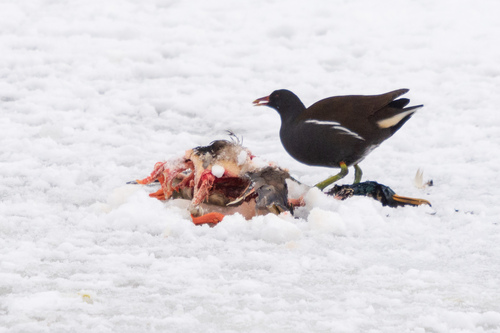
バン (Gallinula chloropus) バン
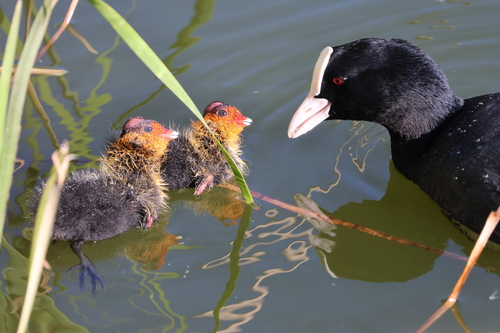
オオバン (Fulica atra) オオバン

メディア

読み込み中…

要点

バンとオオバンを区別する最も信頼できるフィールドマークは、くちばしと前盾の色と形です:バンは黄色い先端の赤いくちばしと丸い赤い盾を示し、オオバンは白いくちばしと広く平らな白い盾を持っています。飛んでいるときや水面にいるとき、バンは側面に明らかな白い筋と白い尾羽を示しますが、オオバンは均一に暗く、側面に筋はなく、対比のために白い盾だけがあります。幼鳥は混乱を招くことがありますが、バンの幼鳥はより茶色で赤い盾がなく、若いオオバンはより淡い色合いで白っぽい胸と盾がありません。オオバンはまた、バンに比べてはるかに重く、がっしりとした体型で、よりコンパクトで丸みを帯びたプロファイルを持っています。両種は似たような湿地生息地に生息していますが、これらの視覚的手がかりはほとんどのフィールド状況で信頼できます。

識別のコツ

  1. Bill and shield color (all ages): バンは黄色い先端の赤いくちばしと丸い赤い前盾を持ち、オオバンは白いくちばしと広く平らな白い盾を持っています。これは、非常に若い幼鳥を除いて、すべての年齢で最も信頼できるフィールドマークです。
  2. Flank and undertail pattern (adult and most juveniles): バンは側面に太い白い筋と白い尾羽を示し、泳いでいるときや歩いているときでもよく見えます。オオバンは均一に暗く、側面や尾羽に白はありません。
  3. Overall color (adult): バンは黒っぽい茶色で、特に背中に茶色のトーンがあります。オオバンはスレートブラックでより均一で、光沢のある黒い頭を持っています。
  4. Juvenile confusion: 幼鳥のバンはより茶色で、赤い盾がなく、白い筋が大人ほどはっきりと示されませんが、いくつかの白い尾羽と筋があります。幼鳥のオオバンは全体的に淡く、白っぽい胸と盾がありません。両者は大人の顔の色が欠けることがありますが、バンの筋と尾羽は通常持続します。
  5. Size and shape: オオバンははるかに大きく重い(775 g対348 g)で、より頑丈で深い体型と丸みを帯びたプロファイルを持っています。バンはスリムで、尾が長く、軽いです。
  6. Tail behavior: バンはしばしば尾を上に振り、白い尾羽を見せます。オオバンは尾を下に保ち、めったに振りません。
  7. Swimming posture: オオバンは水中で直立して高く泳ぎ、バンはより低く、より水平に泳ぎます。
  8. Feet: オオバンは大きく、ローブ状の部分的に水かきのある足を持ち、水から出ているときに見えます。バンの足は長いですが、ローブ状ではありません。
  9. Flight: 飛んでいるとき、バンは白い尾羽と時々白い側面を示します。オオバンは白い盾を除いてすべて暗く、翼や尾に白はありません。
  10. Aggression: オオバンはより攻撃的で、他の鳥を追いかけることがあります。バンは領土意識がありますが、対立は少ないです。
  11. Habitat overlap: 両種は一緒に生息することがあるため、識別のために生息地だけに頼らないでください。
  12. Sex differences: 両種は性別間で外見が似ています。性別を区別の手段として使用しないでください。
  13. Seasonal change: 両種の盾とくちばしの色は幼鳥では発達が少なく、大人は一年中完全な色を示します。
  14. Pitfalls: 盾が欠けた未成熟の鳥は混乱を招くことがあります。側面の筋(バン)と全体のサイズ/形状を探してください。
  15. Context: 頭だけが見える場合は、くちばしと盾の色と形に焦点を当ててください。体が見える場合は、バンのために側面の筋と尾羽が重要で、オオバンのためには均一な暗さが重要です。

大きさ

オオバンはバンよりもかなり大きく重い、平均体重は775 gで、バンの348 gと比較されます [wikidata]。オオバンはより頑丈で深い体型に見え、大きな頭と太い首を持ち、バンはスリムでより細長く、尾が長くしばしば上に振られます。直接比較すると、オオバンのサイズと体重は通常明らかで、特に両種が一緒に見られるときに顕著です。

羽色

幼鳥と未成熟の鳥は混乱の一般的な原因です。幼鳥のバンは全体的に茶色で、大人の赤い盾がなく、強い白い側面の筋を大人ほどはっきりと示しませんが、いくつかの白い尾羽と筋があります。幼鳥のオオバンは大人よりも淡く、白っぽい胸と顔の盾がありません。体はそれ以外は鈍く、強い側面の筋や尾羽のコントラストがありません。大人では、バンは黒っぽい茶色で、側面に明確な白い筋と白い尾羽を持ち、黄色い先端の赤いくちばしと丸い赤い盾を持っています。オオバンは均一なスレートブラックで、光沢のある黒い頭、白いくちばし、広く平らな白い盾を持ち、側面や尾羽に白はありません。飛んでいるとき、両者は暗い翼を示しますが、バンの白い尾羽と側面の筋がフラッシュすることがありますが、オオバンは白い盾を除いて暗いままです。性別は両種で似ています。

行動

水中では、オオバンはより直立したコンパクトな姿勢で泳ぎ、しばしば食べ物を求めて潜ります。バンは水中でより低く、より水平な体を持ち、頻繁に尾を振って白い尾羽を見せます。バンは水辺や植生の中を歩いたり走ったりしているのが見られることが多いですが、オオバンはより水生で、巣を作るか休む以外はめったに水から出ません。攻撃的な遭遇では、オオバンはより好戦的で、他の水鳥を追いかけることがありますが、バンは領土意識がありますが、対立は少ないです。

生息環境

両種は似たような生息地に見られます:ヨーロッパ、アジア、アフリカのよく植生された湿地、池、湖、運河 [wikipedia]。オオバンはより大きく開けた水域で一般的かもしれませんが、バンはしばしば密な周辺植生のある地域を好みます。両者は適切な水のある都市公園や庭にも適応するため、生息地だけでは信頼できる区別にはなりません。

声

バンは脅かされたときにさまざまなガーグリングの鳴き声と大きなシュー音を出します。オオバンの鳴き声は提供されたメモには記載されていないため、ここでは鳴き声は信頼できる区別にはなりません。

より良い説明を送る

比較と同じ項目を使ってください。文章はすぐに公開されます。

The most reliable field mark to separate Common Moorhen from Eurasian Coot is the color and shape of the bill and frontal shield: moorhen shows a red bill with a yellow tip and a rounded, red shield, while coot has a white bill and a broad, flat white shield. In flight or on water, moorhen displays obvious white streaks on the flanks and a white undertail, whereas coot is uniformly dark with no flank streaks and only a white shield for contrast. Juvenile birds can be confusing, but moorhen juveniles are browner and lack the red shield, while young coots are paler with a whitish breast and no shield. Coots are also much heavier and bulkier, with a more compact, rounded profile compared to the slimmer, longer-tailed moorhen. Both species occur in similar wetland habitats, but these visual cues are reliable in most field situations.

  1. Bill and shield color (all ages): Moorhen has a red bill with a yellow tip and a rounded red frontal shield; coot has a white bill and a broad, flat white shield. This is the single most reliable field mark at all ages except very young juveniles.
  2. Flank and undertail pattern (adult and most juveniles): Moorhen shows bold white streaks on the flanks and a white undertail, often visible even when swimming or walking. Coot is uniformly dark with no white on the flanks or undertail.
  3. Overall color (adult): Moorhen is blackish-brown with some brown tones, especially on the back; coot is slaty-black and more uniform, with a glossy black head.
  4. Juvenile confusion: Juvenile moorhen is browner, lacks the red shield, and has duller white streaks; juvenile coot is paler overall, with a whitish breast and no shield. Both can lack adult face color, but moorhen's streaks and undertail usually persist.
  5. Size and shape: Coot is much larger and heavier (775 g vs 348 g), with a more robust, deep-bodied, and rounded profile. Moorhen is slimmer, longer-tailed, and lighter.
  6. Tail behavior: Moorhen often flicks its tail upward, flashing the white undertail; coot keeps its tail down and rarely flicks it.
  7. Swimming posture: Coot swims upright and high in the water; moorhen is lower and more horizontal.
  8. Feet: Coot has large, lobed, partially webbed toes, visible when out of water; moorhen's toes are long but not lobed.
  9. Flight: In flight, moorhen shows white undertail and sometimes white flanks; coot appears all dark except for the white shield, with no white on the wings or tail.
  10. Aggression: Coots are more aggressive and may chase other birds; moorhens are territorial but less confrontational.
  11. Habitat overlap: Both species can occur together, so do not rely on habitat alone for identification.
  12. Sex differences: Both species are similar in appearance between sexes; do not use sex as a separator.
  13. Seasonal change: Shield and bill color in both species is less developed in juveniles; adults show full color year-round.
  14. Pitfalls: Immature birds lacking shields can be confusing; look for flank streaks (moorhen) and overall size/shape.
  15. Context: If only the head is visible, focus on the color and shape of the bill and shield; if the body is visible, flank streaks and undertail are key for moorhen, uniform darkness for coot.

Eurasian Coot is substantially larger and heavier than Common Moorhen, with an average body mass of 775 g compared to the moorhen's 348 g [wikidata]. Coots appear more robust and deep-bodied, with a larger head and thicker neck, while moorhens are slimmer and more elongated, with a longer tail often flicked upwards. In direct comparison, coot's size and bulk are usually obvious, especially when both species are seen together.

Juvenile and immature birds are a common source of confusion. Juvenile Common Moorhen is browner overall, lacks the adult's red shield, and does not show the strong white flank streaks as crisply as adults, but still has some white undertail and streaking. Juvenile Eurasian Coot is paler than the adult, with a whitish breast and no facial shield; its body is otherwise dull and lacks any strong flank streaks or undertail contrast. In adults, moorhen is blackish-brown with clear white streaks on the flanks and a white undertail, plus a red bill with yellow tip and a rounded red shield. Coot is a uniform slaty-black with a glossy black head, white bill, and a broad, flat white shield; it lacks any white on the flanks or undertail. In flight, both show dark wings, but moorhen's white undertail and flank streaks may flash, while coot remains dark except for the white shield. Sexes are similar in both species.

On water, coots swim with a more upright, compact posture and often dive for food, using their partially webbed toes. Moorhens swim lower in the water, with a more horizontal body and frequent tail-flicking, exposing the white undertail. Moorhens are more likely to be seen walking or running along the water's edge or in vegetation, while coots are more aquatic and rarely leave the water except to nest or rest. In aggressive encounters, coots are more pugnacious and may chase other waterbirds, while moorhens are territorial but less confrontational.

Both species are found in similar habitats: well-vegetated marshes, ponds, lakes, and canals across Europe, Asia, and Africa [wikipedia]. Coots may be more common on larger, open water bodies, while moorhens often prefer areas with dense marginal vegetation. Both adapt to urban parks and gardens with suitable water, so habitat alone is not a reliable separator.

Common Moorhen gives a variety of gargling calls and loud hisses when threatened. Eurasian Coot's calls are not described in the provided notes, so vocalization is not a reliable separator here.

変更を破棄しますか?

保存していない編集があります。今離れると失われます。

バン · オオバン · 苦手な鳥