

Motmot

アカシマアジ 対 メスアカカザリドリモドキ

Spatula cyanoptera 対 Pachyramphus rufus

アカシマアジとメスアカカザリドリモドキのクイズ
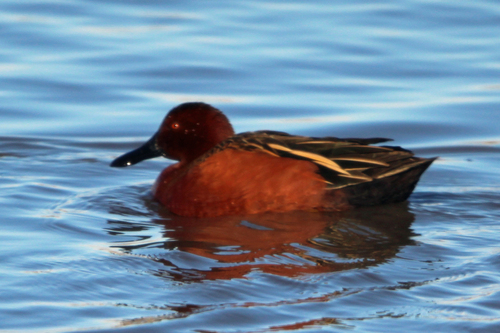
アカシマアジ (Spatula cyanoptera) アカシマアジ
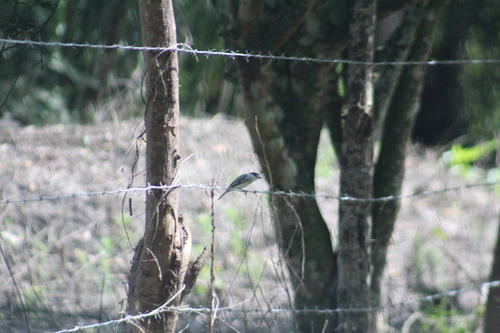
メスアカカザリドリモドキ (Pachyramphus rufus) メスアカカザリドリモドキ

メディア

読み込み中…

要点

シナモンアジとメスアカカザリドリモドキを区別する最も信頼できる方法は、全体的な構造とくちばしの形です:シナモンアジは長くて広いスパチュラ型のくちばしを持つ小さなカモであり、メスアカカザリドリモドキは短くて太いくちばしを持つはるかに小さな止まり木にとまる歌鳥です。飛んでいるときや休んでいるとき、シナモンアジ(特にオス)は豊かな赤褐色またはシナモン色のトーンを示しますが、メスアカカザリドリモドキのオスは主に灰色で黒い冠を持ち、メスは上部がシナモン色ですが、はるかに小さく、コンパクトな体と止まり木にとまる姿勢を持っています。幼鳥とメスのシナモンアジは他のカモと混同されることがありますが、形と行動が非常に異なるため、カザリドリモドキとは混同されません。生息地も強い手がかりです:シナモンアジは水辺に見られ、メスアカカザリドリモドキは厳密に樹上に生息しています。

識別のコツ

  1. くちばしの形は最も早いチェック:シナモンアジは長くて広いスパチュラ型のくちばしを持っています(メスや幼鳥でも);メスアカカザリドリモドキは短くて太いがスパチュラ型ではないくちばしを持っています。これは双眼鏡で遠くからでも見えます。
  2. 体のサイズと形:シナモンアジはフルサイズのカモで、長い体と重いです;メスアカカザリドリモドキは小さくてコンパクトな歌鳥です。もしその鳥がカモのように見えたら、それはカザリドリモドキではありません。
  3. 羽毛(成鳥のオス):オスのシナモンアジは全体が明るいシナモン赤で、赤い目を持っています;オスのメスアカカザリドリモドキは真珠灰色で黒い冠と白い額を持ち、全体的に赤褐色ではありません。
  4. 羽毛(成鳥のメス):メスのシナモンアジは斑点のある茶色で、淡い茶色の頭と灰色のくちばしを持ち、ミカヅキシマアジよりも豊かな茶色ですが、メスのメスアカカザリドリモドキほど明るいシナモン色ではありません。メスのカザリドリモドキは上部が明るいシナモン赤褐色で、シナモン色の尾を持ちますが、はるかに小さくて止まっています。
  5. 目の色:成鳥のオスと幼鳥のオスのシナモンアジは赤い目を持っています;両性のカザリドリモドキは暗い虹彩を持っています。
  6. 飛行中の翼のパターン:混乱を引き起こすような特徴的な上翼のマークはどちらの種にもありません;アジは白い翼の縁がなく、カザリドリモドキの白または赤褐色の縁は微妙でカモのようではありません。
  7. 足と足の構造:シナモンアジは泳ぐための水かきのある足を持っています;メスアカカザリドリモドキは止まり木にとまるための足(異指足)を持ち、泳いでいるのは見られません。
  8. 姿勢と動き:アジは泳いだり、ダブリングしたり、水辺を歩いたりするのが見られます;カザリドリモドキは直立してとまり木にとまったり、枝の間を跳ねたりし、決して水の上にはいません。
  9. 生息地の文脈:開けた水の上や湿地にいる鳥はアジです;水から離れた高い木にいる鳥はカザリドリモドキです。
  10. 幼鳥の混同:幼鳥のシナモンアジはメスのミカヅキシマアジに似ることがありますが、サイズと構造のためにカザリドリモドキにはなりません。幼鳥のカザリドリモドキは上部がシナモン色とは記述されず、常に小さくて止まっています。
  11. 尾:シナモンアジは短くて丸いカモの尾を持っています;メスアカカザリドリモドキは中程度の長さで真っ直ぐな尾を持っています(メスはシナモン色)。
  12. 性差:両種は強い性差を示しますが、メスのカザリドリモドキだけが上部が明るいシナモン色です;メスのアジは常に鈍くて斑点があります。
  13. 鳴き声:区別には診断的ではありません;フィールドマークで十分です。
  14. 地理的重複:両者は南アメリカ北部で発生する可能性がありますが、生息地と構造が常にそれらを区別します。
  15. 要約チェック:もし水の上で広いくちばしを持つシナモン色または赤褐色の鳥を見たら、それはシナモンアジです。もし木に止まっている小さなシナモン色の鳥を見たら、それはメスのメスアカカザリドリモドキです。

大きさ

シナモンアジははるかに大きく、長さ約41 cm(16インチ)で、重さは400 g(14オンス)です [wikipedia]。メスアカカザリドリモドキは小さなスズメ目で、長さはわずか13〜14 cm(5.1〜5.5インチ)で、重さは約18.5 g(0.65オンス)です [wikipedia]。アジはカザリドリモドキの2倍以上の長さで、20倍以上の重さです。フィールドでは、シナモンアジは典型的なカモのように見えますが、メスアカカザリドリモドキは小さくてコンパクトな歌鳥です。

羽色

混乱を引き起こすような年齢や飛行羽毛の重複は存在しません:シナモンアジ(成鳥のオス)は明るいシナモン赤で、茶色の背中と赤い目を持っています;メスと幼鳥は斑点のある茶色で、より長くて広いくちばしを持ち、類似のカモよりも顔のマーキングがあまり目立ちません。幼鳥のオスは赤い目によってメスと区別できます。メスアカカザリドリモドキのオスは灰色で黒い冠と白い額を持ち、黒っぽい翼の白い縁があります;メスは上部が明るいシナモン赤褐色で、シナモン色の尾と淡い腹部を持っています。両性のカザリドリモドキは暗い虹彩と短くて太いくちばしを持っています。メスのカザリドリモドキだけが上部に広範なシナモン色を示しますが、彼女ははるかに小さくて直立してとまります。混乱を引き起こすような特徴的な上翼のパターンはどちらの種にも飛行中には存在せず、カザリドリモドキの翼のマーキング(オスの白い縁、メスの赤褐色)は微妙でカモのようではありません。

行動

シナモンアジはダブリングカモで、通常は水の上で泳いだり餌を食べたりしているのが見られ、時には密集した群れで見られます。彼らはめったに止まり木にとまらず、常に水生生息地に関連しています。メスアカカザリドリモドキは止まり木にとまる鳥で、通常は高い木の中に見られ、枝の間を移動し、水の上にはめったに見られません。彼らの採餌と移動スタイルは完全に異なります:アジはダブリングして泳ぎ、カザリドリモドキは枝の間を止まり木にとまったり跳ねたりします。

生息環境

シナモンアジは湿地、池、湿地帯に見られ、常に西北アメリカと南アメリカの水の近くまたは水の上にいます [wikipedia]。メスアカカザリドリモドキは南アメリカと中央アメリカの森林地域、林縁、木々に生息し、決して開けた水の上にはいません。もしその鳥が水の上に見られたら、それはアジです;もし高い木の中や水から離れているなら、それはカザリドリモドキです。

より良い説明を送る

比較と同じ項目を使ってください。文章はすぐに公開されます。

The most reliable way to separate Cinnamon Teal from Cinereous Becard is by overall structure and bill shape: Cinnamon Teal is a small duck with a long, broad, spatula-shaped bill, while Cinereous Becard is a much smaller, perching songbird with a short, thick bill. In flight or at rest, Cinnamon Teal (especially males) show rich reddish or cinnamon tones, whereas Cinereous Becard males are mostly gray with a black crown, and females are cinnamon above but with a much smaller, compact body and a perching posture. Juvenile and female Cinnamon Teal can be confused with other ducks, but not with becards due to their very different shape and behavior. Habitat is also a strong clue: Cinnamon Teal is found on water, while Cinereous Becard is strictly arboreal.

  1. Bill shape is the fastest check: Cinnamon Teal has a long, broad, spatulate bill (even in females and juveniles); Cinereous Becard has a short, thick, but not spatulate bill. This is visible even at a distance with binoculars.
  2. Body size and shape: Cinnamon Teal is a full-sized duck, long-bodied and heavy; Cinereous Becard is a small, compact songbird. If the bird looks like a duck, it's not a becard.
  3. Plumage (adult males): Male Cinnamon Teal is bright cinnamon-red all over with a red eye; male Cinereous Becard is pearl-gray with a black crown and white forehead, never reddish overall.
  4. Plumage (adult females): Female Cinnamon Teal is mottled brown with a pale brown head and a gray bill, richer brown than Blue-winged Teal but never as bright cinnamon above as female Cinereous Becard. Female becard is bright cinnamon-rufous above and cinnamon-tailed, but much smaller and perching.
  5. Eye color: Adult male and juvenile male Cinnamon Teal have red eyes; becards of both sexes have dark irises.
  6. Wing pattern in flight: No distinctive upperwing marks in either species that would cause confusion; teal lacks white wing edges, becard's white or rufescent edges are subtle and not duck-like.
  7. Legs and feet: Cinnamon Teal has webbed feet for swimming; Cinereous Becard has perching feet (anisodactyl), never seen swimming.
  8. Posture and movement: Teal are seen swimming, dabbling, or walking at water's edge; becards perch upright or hop among branches, never on water.
  9. Habitat context: Any bird on open water or in marshes is a teal; any bird high in a tree, away from water, is a becard.
  10. Juvenile confusion: Juvenile Cinnamon Teal may resemble female Blue-winged Teal, but never becard due to size and structure. Juvenile becards are not described as cinnamon above, and are always small and perching.
  11. Tail: Cinnamon Teal has a short, rounded duck tail; Cinereous Becard has a medium-length, straight tail (cinnamon in females).
  12. Sexual dimorphism: Both species show strong sexual dimorphism, but only female becard is bright cinnamon above; female teal is always duller and more mottled.
  13. Vocalizations: Not diagnostic for separation; field marks are sufficient.
  14. Geographic overlap: Both can occur in northern South America, but habitat and structure always separate them.
  15. Summary check: If you see a cinnamon or reddish bird on water with a broad bill, it's a Cinnamon Teal. If you see a small, cinnamon-backed bird perching in a tree, it's a female Cinereous Becard.

Cinnamon Teal is much larger, measuring about 41 cm (16 in) in length and weighing 400 g (14 oz) [wikipedia]. Cinereous Becard is a small passerine, only 13–14 cm (5.1–5.5 in) long and weighing about 18.5 g (0.65 oz) [wikipedia]. The teal is over twice as long and more than twenty times heavier than the becard. In the field, Cinnamon Teal looks like a typical duck, while Cinereous Becard is a small, compact songbird.

No age or flight plumage overlap exists that would cause confusion: Cinnamon Teal (male adult) is bright cinnamon-red with a brown back and red eyes; females and juveniles are mottled brown, with a longer, broader bill and less distinct facial markings than similar ducks. Juvenile males can be told from females by their red eyes. Cinereous Becard males are gray with a black crown and white forehead, with blackish wings edged white; females are bright cinnamon-rufous above with a cinnamon tail and buffy underparts. Both sexes of becard have a dark iris and a short, thick bill. Only the female becard shows extensive cinnamon above, but she is much smaller and perches upright. There are no distinctive upperwing patterns in flight for either species that would cause confusion, and the becard's wing markings (white edges in males, rufescent in females) are subtle and not duck-like.

Cinnamon Teal is a dabbling duck, usually seen swimming or feeding on water, sometimes in tight groups. It rarely perches and is always associated with aquatic habitats. Cinereous Becard is a perching bird, usually found high in trees, moving through branches and rarely if ever seen on water. Their foraging and movement styles are completely different: teal dabble and swim, becards perch and hop among branches.

Cinnamon Teal is found in marshes, ponds, and wetlands, always near or on water in western North and South America [wikipedia]. Cinereous Becard inhabits forested areas, woodland edges, and trees in South and Central America, never on open water. If the bird is seen on water, it is a teal; if high in a tree or away from water, it is a becard.

変更を破棄しますか?

保存していない編集があります。今離れると失われます。

アカシマアジ · メスアカカザリドリモドキ · 苦手な鳥