

Motmot

イワシャコ 対 アネハヅル

Alectoris chukar 対 Grus virgo

イワシャコとアネハヅルのクイズ
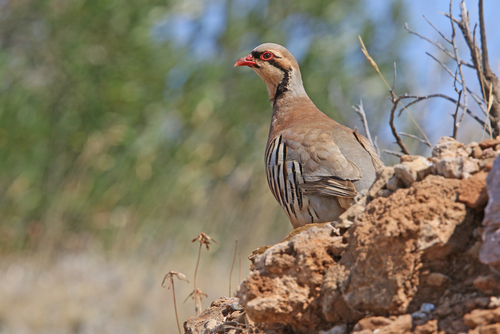
イワシャコ (Alectoris chukar) イワシャコ
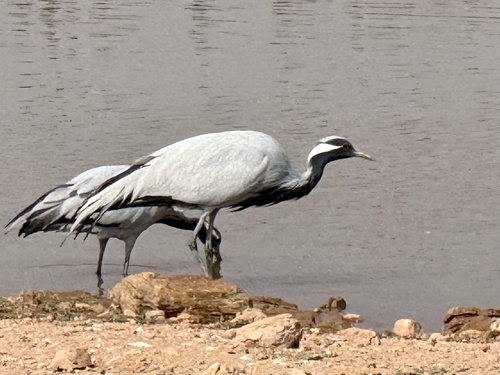
アネハヅル (Grus virgo) アネハヅル

メディア

読み込み中…

要点

フィールドでイワシャコとアネハヅルを分ける最も信頼できる方法は、全体の構造とサイズによるものです:アネハヅルは背が高く、細長い、長い首を持つ鳥で、長いくちばしと脚を持っています。一方、イワシャコは丸みを帯びた、短い脚のあるパートリッジで、コンパクトな体と短い尾を持っています。飛行中または地上では、アネハヅルの長い白い首のストライプと後ろに垂れ下がる黒い前首の羽毛は明確で、イワシャコの大胆な白黒の顔のパターンと縞模様の脇腹と対照的です。遠くからでも、姿勢の違い—アネハヅルの威厳のある直立した姿勢と、イワシャコのずんぐりした鶏のようなプロファイル—はすぐにわかります。両種は独特の羽毛を持っていますが、薄暗い光や遠くからの視界では混乱が生じることがあります。特に部分的なシルエットしか見えない場合は注意が必要です。

識別のコツ

  1. サイズと構造: アネハヅルはイワシャコよりもはるかに大きく、高く、長い首、脚、翼を持っています。イワシャコはコンパクトで丸みを帯びており、鶏のようです。これはどんな距離でも最も早く確認できるポイントです。
  2. 首と脚の長さ: アネハヅルは歩行時と飛行時の両方で長く細い首と脚を示しますが、イワシャコは短い首と脚を持ち、決して長く見えません。
  3. 顔と首の模様: イワシャコは額から目を通り、白い喉を囲むように走る大胆な黒い帯を持ち、鋭い「ネックレス」を形成します。アネハヅルは目から首にかけて白いストライプを持ち、黒い前首の羽毛があります—決してネックレスではありません。
  4. 脇腹と体の色: イワシャコは赤褐色の縞模様の脇腹と明るい茶色の背中を示しますが、アネハヅルは主に灰色で、脇腹に縞模様はありません。
  5. くちばしと脚の色: イワシャコのくちばしと脚はコーラルレッドですが、アネハヅルのものはより控えめで、決して赤くありません。
  6. 尾と翼の形: イワシャコは短い尾と丸い翼を持っていますが、アネハヅルの尾は長く、翼は広く尖っており、滑空に適しています。
  7. 飛行プロファイル: 飛行中、アネハヅルの首と脚は完全に伸びており、翼は長く、ゆっくりとした羽ばたきです。イワシャコは急速で浅い羽ばたきで短い距離を飛び、決して滑空しません。
  8. 地上での行動: イワシャコは驚かされると走ることを好み、隠れ場所の近くに留まりますが、アネハヅルは開けた場所でゆっくり歩き、走っているのはめったに見られません。
  9. 群れのサイズと文脈: イワシャコは小さな群れやペアで見られ、特に岩の多い高地で見られます。アネハヅルはしばしば大きな群れで見られ、特に移動中は開けた平原や湿地を好みます。
  10. 生息地: イワシャコは乾燥した岩の多い丘陵地帯の鳥です。アネハヅルは開けた草原、ステップ、そして水の近くで見られます。
  11. 鳴き声: イワシャコの大きく繰り返される「チャック・チャック・イワシャコ」の鳴き声を聞いてください。特に夜明けと夕暮れ時に。アネハヅルの鳴き声はここでは説明されていませんが、一般的にアネハヅルは大きく、バグリングの声を持っています。
  12. 性差: 両種はフィールドで性別間で似ています。イワシャコの雌はわずかに小さく、スパーがありませんが、これは遠くからはめったに見えません。
  13. 年齢差: どちらの種についても年齢特有の翼や羽毛のマークは説明されていないため、すべての年齢は上記の特徴によって区別されます。
  14. 潜在的な落とし穴: 極端な距離やシルエットでは、アネハヅルの直立した姿勢と長い首/脚は、イワシャコのずんぐりした丸いプロファイルと対照的です。イワシャコの部分的な視界や、飛行中の遠くのアネハヅルには注意が必要ですが、構造と姿勢は信頼できます。
  15. ハイブリッドの混乱: イワシャコは他のパートリッジとハイブリダイズすることがありますが、アネハヅルに似ることはありません。アネハヅルは他のパートリッジと混同されることはありません。

大きさ

アネハヅルはあらゆる次元でイワシャコを圧倒します。イワシャコは中型のパートリッジで、約32〜35 cmの長さで、約608 gの重さがあります [wikidata]。コンパクトで丸みを帯びた体と短い尾を持っています。アネハヅルははるかに大きく、85〜100 cmの長さで、約76 cmの高さで、翼幅は155〜180 cm、体重は2〜3 kgです [wikipedia]。アネハヅルの長い首、脚、そして伸びた翼は、パートリッジの比率とはまったく異なります。遠くからでも、アネハヅルの高さと細長いシルエットは際立っています。

羽色

どちらの種についても年齢特有の上翼パターンは説明されていないため、分離は全体の羽毛と顔/首の模様に依存します。成鳥のイワシャコは、額から目を通り、喉を囲むように走るはっきりとした黒いゴルゲット(ネックレス)で縁取られた白い顔を示し、赤褐色の縞模様の脇腹と明るい茶色の背中を持っています。アネハヅルは、すべての羽毛において主に灰色で、目から首にかけて長く優雅な白いストライプが走り、胸の上に長く垂れ下がる黒い前首があります。イワシャコの顔の模様は大胆でコンパクトですが、アネハヅルの模様は細長く流れるようです。イワシャコのくちばしと脚はコーラルレッドで、アネハヅルのより中立的な色調と対照的です。どちらの種についても幼鳥特有の飛行マークについての言及はありません。

行動

イワシャコは地上に生息する地上性の鳥で、動かされると走ることを好み、丸い翼で短い距離を飛ぶことが多く、しばしば下り坂を飛びます。通常、小さな群れやペアで見られ、地面に近く、素早く動きます。アネハヅルは威厳のある直立した鳥で、開けた野原や湿地でゆっくり歩いているのがよく見られ、強く持続的な飛行が可能で、ゆっくりと深い羽ばたきをします。アネハヅルはしばしば群れで見られ、特に移動中は長い脚が飛行中に後ろに垂れ下がります。行動の対比は明確です:イワシャコは隠れがちで地面に留まりますが、アネハヅルは優雅で目立ちます。

生息環境

イワシャコは高地の岩の多い乾燥した地域に生息し、しばしば丘陵や開けた斜面に見られ、冬には時々野原に降りることがあります。湿地や開けた平原を避けます。アネハヅルは開けた草原、ステップ、時には農地に見られ、水の近くで、ユーラシアを横断して移動します。両種は生息地の好みが重なることはほとんどありません:イワシャコは乾燥した険しい地形の鳥であり、アネハヅルは開けた平坦な広がりを好み、移動や繁殖の際には水と関連することが多いです。

声

イワシャコの鳴き声は大きく繰り返される「チャック・チャック・イワシャコ・イワシャコ」で、特に朝や夕方にバーストやデュエットで行われることが多いです。アネハヅルの声は提供されたメモには記載されていませんが、アネハヅルは通常、大きく、トランペットのような鳴き声を持ち、長距離にわたって響き渡り、パートリッジのチャタリングとは非常に異なります。フィールドでは、イワシャコの鳴き声はより急で繰り返しが多いのに対し、アネハヅルの鳴き声は共鳴し、バグリングのようです。

より良い説明を送る

比較と同じ項目を使ってください。文章はすぐに公開されます。

The most reliable way to separate Chukar from Demoiselle Crane in the field is by overall structure and size: Demoiselle Crane is a tall, slender, long-necked bird with a long bill and legs, while Chukar is a rotund, short-legged partridge with a compact body and short tail. In flight or on the ground, Demoiselle Crane’s long white neck stripe and trailing black foreneck plume are unmistakable, contrasting with Chukar’s bold black-and-white face pattern and barred flanks. Even at a distance, the difference in jizz—crane’s stately, upright carriage versus the partridge’s squat, chicken-like profile—is immediate. Both species have distinctive plumage, but confusion may arise in poor light or distant views, especially if only a partial silhouette is seen.

  1. Size and Structure: Demoiselle Crane is vastly larger and taller than Chukar, with a long neck, legs, and wings. Chukar is compact, rounded, and chicken-like. This is the quickest check at any distance.
  2. Neck and Leg Length: Cranes show a long, slender neck and legs both when walking and in flight; Chukar has a short neck and legs, never appearing elongated.
  3. Face and Neck Pattern: Chukar has a bold black band running from the forehead, through the eye, and around the white throat, forming a sharp 'necklace.' Demoiselle Crane has a white stripe from the eye down the neck and a black foreneck plume—never a necklace.
  4. Flank and Body Color: Chukar shows rufous-barred flanks and a light brown back; Demoiselle Crane is mostly gray, with no barring on the flanks.
  5. Bill and Leg Color: Chukar’s bill and legs are coral red, while Demoiselle Crane’s are more muted and never red.
  6. Tail and Wing Shape: Chukar has a short tail and rounded wings; Demoiselle Crane’s tail is longer and wings are broad and pointed, suited for soaring flight.
  7. Flight Profile: In flight, Demoiselle Crane’s neck and legs are fully extended, and the wings are long and slow-beating. Chukar flies with rapid, shallow wingbeats, short distances, and never soars.
  8. Behavior on Ground: Chukar prefers to run when flushed and stays close to cover; Demoiselle Crane walks slowly in the open and is rarely seen running.
  9. Group Size and Context: Chukar is found in small coveys or pairs, especially in rocky uplands. Demoiselle Crane is often in larger flocks, especially during migration, and prefers open plains or wetlands.
  10. Habitat: Chukar is a bird of dry, rocky hillsides; Demoiselle Crane is found in open grasslands, steppes, and near water.
  11. Vocalization: Listen for Chukar’s loud, repetitive 'chuck-chuck-chukar' calls, especially at dawn and dusk. Demoiselle Crane’s calls are not described here, but cranes generally have loud, bugling voices.
  12. Sex Differences: Both species are similar between sexes in the field; Chukar females are slightly smaller and lack spurs, but this is rarely visible at a distance.
  13. Age Differences: No age-specific wing or plumage marks are described for either species in the sources, so all ages are separated by the above features.
  14. Potential Pitfalls: At extreme distance or in silhouette, a crane’s upright stance and long neck/legs will still contrast with the Chukar’s squat, rounded profile. Beware of partial views in dense cover for Chukar or distant cranes in flight, but structure and jizz remain reliable.
  15. Hybrid Confusion: Chukar may hybridize with other partridges, but never resembles a crane. Demoiselle Crane is not easily confused with any partridge.

Demoiselle Crane dwarfs Chukar in every dimension. Chukar is a medium-sized partridge, about 32–35 cm long and weighing around 608 g [wikidata], with a compact, rounded body and short tail. Demoiselle Crane is much larger, 85–100 cm long, standing about 76 cm tall, with a wingspan of 155–180 cm and weighing 2–3 kg [wikipedia]. The crane’s long neck, legs, and extended wings are completely unlike the partridge’s proportions. Even at a great distance, the crane’s height and elongated silhouette stand out.

No age-specific upperwing pattern is described for either species in the sources, so separation relies on overall plumage and face/neck markings. Adult Chukar shows a white face bordered by a sharply defined black gorget (necklace) that runs from the forehead, through the eye, and encircles the throat, with rufous-barred flanks and a light brown back. Demoiselle Crane, in all plumages, is mostly gray with a long, elegant white stripe running from the eye down the neck and a black foreneck that extends into a long, drooping plume over the chest. The Chukar’s face pattern is bold and compact, while the crane’s markings are elongated and flowing. The Chukar’s bill and legs are coral red, contrasting with the crane’s more neutral tones. No mention of juvenile-specific flight marks is given for either species.

Chukar is a terrestrial, ground-dwelling bird that prefers to run when disturbed, only flying short distances on rounded wings, often downhill. It is typically seen in small coveys or pairs, moving quickly and low to the ground. Demoiselle Crane is a stately, upright bird, often seen walking slowly in open fields or wetlands, and is capable of strong, sustained flight with slow, deep wingbeats. Cranes are often seen in flocks, especially during migration, and their long legs trail behind in flight. The behavioral contrast is stark: Chukar is furtive and ground-bound, while Demoiselle Crane is graceful and conspicuous.

Chukar inhabits upland, rocky, and arid regions, often on hillsides and open slopes, sometimes descending to fields in winter. It avoids wetlands and open plains. Demoiselle Crane is found in open grasslands, steppes, and sometimes agricultural fields, often near water, and is migratory across Eurasia. The two species rarely overlap in habitat preference: Chukar is a bird of dry, rugged terrain; Demoiselle Crane prefers open, flat expanses and is often associated with water during migration and breeding.

Chukar’s call is a loud, repeated "chuck-chuck-chukar-chukar," often given in bursts and duets, especially in the mornings and evenings. Demoiselle Crane’s voice is not described in the provided notes, but cranes typically have loud, trumpeting calls that carry over long distances and are very different from the partridge’s chattering. In the field, the Chukar’s call is more abrupt and repetitive, while the crane’s is resonant and bugling.

変更を破棄しますか?

保存していない編集があります。今離れると失われます。

イワシャコ · アネハヅル · 苦手な鳥