

Motmot

アカガシラサギ 対 ジャワアカガシラサギ

Ardeola bacchus 対 Ardeola speciosa

アカガシラサギとジャワアカガシラサギのクイズ
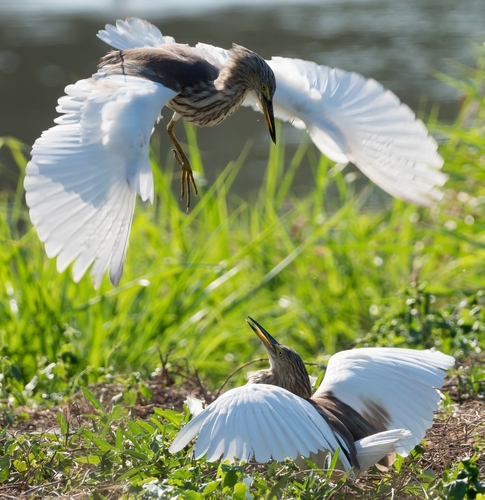
アカガシラサギ (Ardeola bacchus) アカガシラサギ
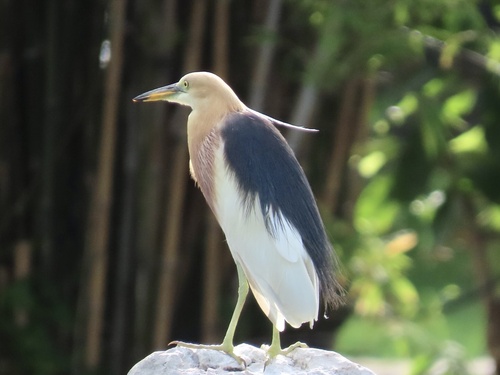
ジャワアカガシラサギ (Ardeola speciosa) ジャワアカガシラサギ

メディア

読み込み中…

要点

アカガシラサギとジャワアカガシラサギは非常に似ており、特に繁殖期以外では、彼らの茶色と白のまだらの非繁殖羽毛は、現場でほとんど区別がつきません。最も信頼できる区別は、完全な繁殖羽毛にあります:アカガシラサギは赤、青、白の組み合わせを示し、一方ジャワアカガシラサギはオレンジ、スレート、白です。両者は白い翼、黄色い目と脚、黒い先端のある黄色いくちばしを持っています。幼鳥と非繁殖の鳥は、羽毛によって安全に区別することはできません。範囲と文脈が役立つかもしれませんが、重複と迷鳥が発生します。

識別のコツ

  1. Breeding plumage is key: In full breeding plumage, look for the head and neck color—アカガシラサギは赤と青、ジャワアカガシラサギはオレンジとスレートです。これが唯一の一貫して信頼できるフィールドマークです。
  2. Non-breeding and juvenile birds are not safely separable: 両種は繁殖期以外や幼鳥の時期には茶色と白のまだら模様であり、これらの羽毛だけでフィールドでの区別を試みないでください。
  3. White wings in all plumages: 両種は飛行中および休息中に白い翼を示すため、この特徴は彼らを区別するのに役立ちません。
  4. Bill, leg, and eye color: 両者はすべての羽毛で黒い先端のある黄色いくちばし、黄色い目、黄色い脚を持っており、これらは区別には役立ちません。
  5. Size and structure: アカガシラサギは平均してやや大きいですが、その違いはフィールドで役立つほど大きくありません。
  6. Range and context: アカガシラサギは東アジアで期待され、ジャワアカガシラサギは東南アジアで期待されます。重複がある地域や迷鳥が可能な場所では、範囲だけに頼らないでください。
  7. Mixed-species heronries: 両種は他の池のサギと共に巣を作ることがあるため、他の種との関連は役立ちません。
  8. Flight pattern: これらの2種の間で、年齢に関係なく飛行スタイルや翼のパターンに知られている違いはありません。
  9. Habitat: 両者は似たような湿地生息地を利用しており、生息地の選択は彼らを区別しません。
  10. Behavior: 採餌行動と巣作り行動は似ており、診断的ではありません。
  11. Sex differences: どちらの種にも性的二形性は認められておらず、オスとメスは似ています。
  12. Seasonality: 繁殖している成鳥のみが羽毛によって安全に区別されます。繁殖期以外では、フィールドで種を特定することはできません。
  13. Vocalization: これらの2種を区別する特有の鳴き声は記載されていません。
  14. Photographic review: 繁殖羽毛の鳥の写真がある場合は、頭と首の特定の色の組み合わせを確認してください。繁殖羽毛でない場合は、写真だけからの特定は不可能です。
  15. Caution in reporting: 予想される範囲や季節外で池のサギを観察している場合は、繁殖羽毛が明確に見えない限り、種の特定には注意してください。

大きさ

アカガシラサギは平均して約47 cmの長さで、ジャワアカガシラサギはわずかに小さく45 cmですが、この2 cmの違いはフィールドで信頼できるほどの区別はできません。両種は似たような構造を持ち、中型でコンパクトなサギで、より大きなサギに比べて短い首と脚を持っています。くちばし、脚、翼の比率は本質的に同一であり、フィールドでの区別には役立ちません。

羽色

繁殖羽毛では、アカガシラサギは体に赤、青、白の目を引く混合を示し、ジャワアカガシラサギはオレンジ、スレート(青灰色)、白を示します。これらの色は頭、首、上面で最も明らかです。繁殖期以外では、両種は茶色がかり、特に上面で白で重くまだらになり、基本的に区別がつきません。幼鳥と初冬の鳥もこの茶色と白のまだらの外観を共有し、診断的な上翼や飛行パターンの違いは知られていません。両者はすべての羽毛で白い翼を持っており、これは池のサギグループ内での共通の特徴です。

行動

両種は浅い湿地で採餌し、しばしば動かずに立っていたり、獲物を捕まえるためにゆっくりとした動きをします。彼らは単独または小さな群れで見られることがあり、両者は混成種のサギの巣で巣を作ります。飛行は通常遅く、直接的で、首は引っ込められています。これらの2種の間でフィールド識別を助ける行動の違いは記載されていません。

生息環境

アカガシラサギは東アジアの低地淡水および一部の塩水湿地に見られ、ジャワアカガシラサギは東南アジアの同様の生息地を占めています。両種は浅い池、湿地、稲作地を頻繁に利用します。彼らの範囲はほとんどが別々ですが、東南アジアの一部で重複することがあり、両者は迷鳥になりやすいです。範囲が重複する場所では、生息地だけでは診断的ではありません。

より良い説明を送る

比較と同じ項目を使ってください。文章はすぐに公開されます。

Chinese Pond Heron and Javan Pond Heron are extremely similar, especially outside the breeding season, when their brown-and-white flecked non-breeding plumage is virtually indistinguishable in the field. The most reliable separation is in full breeding plumage: Chinese shows a combination of red, blue, and white, whereas Javan is orange, slaty, and white. Both have white wings, yellow eyes and legs, and a yellow bill with a black tip. Juvenile and non-breeding birds are not safely separated by plumage in the field. Range and context may help, but overlap and vagrancy occur.

  1. Breeding plumage is key: In full breeding plumage, look for the head and neck color—Chinese Pond Heron is red and blue, Javan Pond Heron is orange and slaty. This is the only consistently reliable field mark.
  2. Non-breeding and juvenile birds are not safely separable: Both species are brown and white-flecked outside the breeding season and as immatures. Do not attempt field separation on plumage alone in these plumages.
  3. White wings in all plumages: Both species show white wings in flight and at rest, so this feature does not help distinguish them.
  4. Bill, leg, and eye color: Both have yellow bills with black tips, yellow eyes, and yellow legs in all plumages—these are not useful for separation.
  5. Size and structure: Chinese is slightly larger on average, but the difference is too small to be useful in the field.
  6. Range and context: Chinese Pond Heron is expected in East Asia, Javan in Southeast Asia. In areas of overlap or where vagrancy is possible, do not rely on range alone.
  7. Mixed-species heronries: Both species may nest with other pond herons, so association with other species does not help.
  8. Flight pattern: No known difference in flight style or wing pattern between these two species at any age.
  9. Habitat: Both use similar wetland habitats; habitat choice does not separate them.
  10. Behavior: Foraging and nesting behavior are alike and not diagnostic.
  11. Sex differences: No sexual dimorphism is noted in either species; males and females look alike.
  12. Seasonality: Only breeding adults are safely separated by plumage. Outside the breeding season, identification to species is not possible in the field.
  13. Vocalization: No distinctive calls are described that separate these two species.
  14. Photographic review: If you have a photo of a bird in breeding plumage, check for the specific color combination on the head and neck. If not in breeding plumage, identification is not possible from photos alone.
  15. Caution in reporting: If observing a pond heron outside the expected range or season, be cautious about assigning to species unless breeding plumage is clearly visible.

Chinese Pond Heron averages about 47 cm in length, while Javan Pond Heron is slightly smaller at 45 cm, but this 2 cm difference is not reliably discernible in the field. Both species share similar structure: medium-sized, compact herons with short necks and legs relative to larger herons. Bill, leg, and wing proportions are essentially identical and not useful for field separation.

In breeding plumage, Chinese Pond Heron displays a striking mix of red, blue, and white on the body, while Javan Pond Heron shows orange, slaty (bluish-gray), and white. These colors are most apparent on the head, neck, and upperparts. Outside the breeding season, both species become brownish and heavily flecked with white, especially on the upperparts, and are essentially indistinguishable. Juvenile and first-winter birds also share this brown-and-white flecked appearance, with no known diagnostic upperwing or flight pattern differences. Both have white wings in all plumages, which is a shared feature within the pond heron group.

Both species forage in shallow wetlands, often standing motionless or making slow, deliberate movements to catch prey. They may be seen singly or in small groups, and both nest in mixed-species heronries. Flight is typically slow and direct, with neck retracted. No behavioral differences are noted that aid field identification between these two species.

Chinese Pond Heron is found in lowland freshwater and some saltwater wetlands across East Asia, while Javan Pond Heron occupies similar habitats in Southeast Asia. Both species frequent shallow ponds, marshes, and rice paddies. Their ranges are mostly separate but can overlap in parts of Southeast Asia, and both are prone to vagrancy. Habitat alone is not diagnostic where ranges overlap.

変更を破棄しますか?

保存していない編集があります。今離れると失われます。

アカガシラサギ · ジャワアカガシラサギ · 苦手な鳥