

Motmot

コシアカトゲハシムシクイ 対 ウグイストゲハシムシクイ

Acanthiza uropygialis 対 Acanthiza reguloides

コシアカトゲハシムシクイとウグイストゲハシムシクイのクイズ
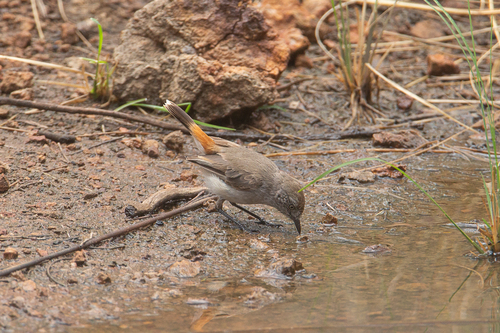
コシアカトゲハシムシクイ (Acanthiza uropygialis) コシアカトゲハシムシクイ
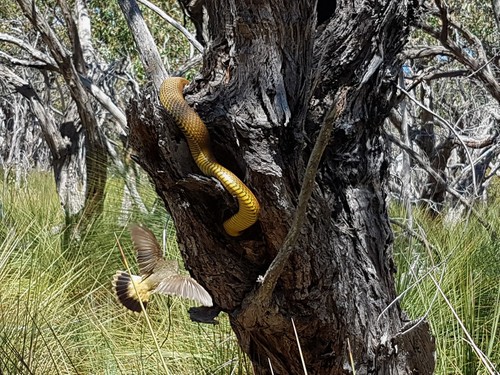
ウグイストゲハシムシクイ (Acanthiza reguloides) ウグイストゲハシムシクイ

メディア

読み込み中…

要点

コシアカトゲハシムシクイとウグイストゲハシムシクイを区別する最も信頼できるフィールドマークは、尾羽の色とトーンです:コシアカトゲハシムシクイは豊かな淡栗色の尾羽を示し、ウグイストゲハシムシクイはより淡いバフ色の尾羽を持っています。両種は大人としては主に地味な外観と淡い目を持っていますが、上面のトーン、下面の色、尾羽の先端のパターンに微妙な違いがあります。幼鳥の目の色と尾羽の先端の色合いは、近くで見ると役立つことがあります。両種は小さく活発なトゲハシムシクイですが、その分布は一部の地域でのみ重なっているため、文脈が助けになることがあります。

識別のコツ

  1. Rump color in all ages: コシアカトゲハシムシクイは豊かな淡栗色の尾羽を示します;ウグイストゲハシムシクイはより淡いバフ色の尾羽を持っています。これはすべての羽色で最も信頼できるフィールドマークであり、特に飛行中や鳥が尾羽を振るときに顕著です。
  2. Tail tip color: 大人のコシアカトゲハシムシクイは白い先端を持つ黒い尾羽を持ち、幼鳥は淡いバフ色の先端を持っています。ウグイストゲハシムシクイはすべての年齢で淡い(明るい白ではない)先端を持つ広い黒っぽい尾羽帯を持っています。良い光の中で尾羽の先端の鮮明さとトーンを探してください。
  3. Upperparts tone: コシアカトゲハシムシクイは上面が淡い灰褐色です;ウグイストゲハシムシクイは緑がかった褐色です。これは微妙ですが、良い光の中で見ることができ、特に他のトゲハシムシクイと比較する際に顕著です。
  4. Underparts color: コシアカトゲハシムシクイは下面が地味な白色です;ウグイストゲハシムシクイは腹部が明確に淡い黄色またはバフ色です。これは側面または腹面のビューで最もよく見えます。
  5. Eye color (age-specific): 両種の大人は淡い(白い)虹彩を持っています。幼鳥のコシアカトゲハシムシクイは鈍いクリーム色または灰色がかった白の虹彩を持ち、ウグイストゲハシムシクイの幼鳥は暗い目を持っています。暗い目を持つ若い鳥を見た場合は、ウグイストゲハシムシクイを優先してください。
  6. Head pattern: コシアカトゲハシムシクイは額と冠に赤褐色の混じりを示し、淡いまだら模様の耳羽を持つことがあります;ウグイストゲハシムシクイはより地味な顔をしています。これは微妙で、常に見えるわけではありません。
  7. Bill and structure: 両種はトゲハシムシクイに典型的な細く尖ったくちばしを持っています。くちばしの形や長さに大きな違いはありません。
  8. Flight style: 両種はカバーの間を低く波打つように飛びます。飛び去るときや低木の間で尾羽の色を観察してください。
  9. Group size and behavior: コシアカトゲハシムシクイはしばしば小さな群れ(2〜3羽)で見られ、ウグイストゲハシムシクイはしばしばより大きくおしゃべりな群れ(最大20羽)で見られます。ウグイストゲハシムシクイはアクロバティックに採餌しているのを見かけることが多く、頭を下にしてぶら下がっています。
  10. Habitat: コシアカトゲハシムシクイは乾燥したおよび半乾燥の内陸生息地で見られる可能性が高いです;ウグイストゲハシムシクイは東部および南東部の乾燥した森林や開けた森林を好みます。分布と生息地を補助的な文脈として使用し、主要な識別情報としては使用しないでください。
  11. Vocalizations: コシアカトゲハシムシクイは遠くまで届く繰り返しの歌を歌い、他の鳥を模倣します;ウグイストゲハシムシクイは迅速でツイッター音の「ピッタ・ピッタ・ピッタ・ピット」と呼ばれる声を出します。呼び声は慣れていれば役立ちますが、フィールドで常に診断的ではありません。
  12. Juvenile plumage: 両種は大人よりも地味ですが、尾羽の色と目の色の違いは依然として適用されます。コシアカトゲハシムシクイの幼鳥は大人よりも鈍い頭の模様と淡い尾羽の先端を持っています。
  13. Sex and season: 両種は性別が同じで、季節による羽色の変化は見られないため、識別のために性別や季節を頼りにしないでください。
  14. Pitfalls: コシアカトゲハシムシクイの栗色の尾羽とウグイストゲハシムシクイのバフ色の尾羽を混同しないでください—光の加減でバフが暖かく見えることがありますが、栗色は常により豊かで赤みを帯びています。尾羽の先端の色は、摩耗した鳥や暗い光の中では難しい場合があります。
  15. When in doubt: 尾羽の色と下面のトーンを優先してください;幼鳥の目の色と尾羽の先端の色を補助的なマークとして使用してください。生息地と群れのサイズも役立ちますが、決定的ではありません。

大きさ

コシアカトゲハシムシクイはわずかに大きく、平均して9〜11 cmの長さ、14〜16.5 cmの翼幅、約6 gの重さです [wikipedia]。ウグイストゲハシムシクイはわずかに小さく、長さは8〜10 cmです [wikipedia]。両種はトゲハシムシクイとしては中型で、全体的な比率は似ていますので、サイズだけでは強いフィールドマークとはなりませんが、コシアカトゲハシムシクイは並べて見ると少しずんぐりしているように見えるかもしれません。

羽色

両種の幼鳥は大人よりも地味ですが、目の色に違いがあります:コシアカトゲハシムシクイの幼鳥は鈍いクリーム色または灰色がかった白の虹彩を持ち、ウグイストゲハシムシクイの幼鳥は暗い目を持っています。大人の場合、コシアカトゲハシムシクイは淡い灰褐色の上面、豊かな栗色の尾羽、主に黒い尾羽に淡い先端(大人は白、幼鳥は淡いバフ)を持っています。ウグイストゲハシムシクイの大人は上面が緑がかった褐色で、特徴的なバフ色の尾羽、非常に淡い黄色の下面、広い黒っぽい帯と淡い先端を持つ尾羽を持っています。コシアカトゲハシムシクイの下面は地味な白色ですが、ウグイストゲハシムシクイは明確な淡い黄色の洗いがかっています。両種は大人として淡い目を持っていますが、ウグイストゲハシムシクイだけが上面に緑がかった色合いとより黄色がかった腹部を持っています。飛行中、両種は対照的な尾羽を示しますが、色の違い(栗色対バフ)は診断的です。

行動

両種は活発で落ち着きのない採餌者で、しばしば小さな群れで見られます。コシアカトゲハシムシクイは社交的で、通常は2〜3羽で、時には他のトゲハシムシクイや小型のスズメと一緒に、低木、木、地面で採餌します。ウグイストゲハシムシクイはしばしばより大きくおしゃべりな群れ(最大20羽)で見られ、繁殖期以外により大きなクランを形成することがあり、アクロバティックな採餌で知られ、しばしば頭を下にしてぶら下がっています。両種はカバーの間を低く波打つように飛びます。行動の違いは微妙で、常に分離のために信頼できるわけではありません。

生息環境

コシアカトゲハシムシクイはオーストラリア内陸の広範囲に分布し、大分水嶺の西側に生息し、極北や湿った南西部には存在しません。ウグイストゲハシムシクイは主にオーストラリア東部、クイーンズランドからビクトリア、南オーストラリア南東部にかけて見られ、乾燥したスクリューホイート森林や開けたユーカリ林を好みます。内陸や南東部の一部地域で重なりがある可能性がありますが、ウグイストゲハシムシクイは森林生息地により結びついており、コシアカトゲハシムシクイは乾燥したおよび半乾燥の地域により広く分布しています。

声

コシアカトゲハシムシクイは繰り返しのフレーズの遠くまで届く歌を持ち、他の鳥を模倣することで知られています。ウグイストゲハシムシクイは迅速な「ピッタ・ピッタ・ピッタ・ピット」と呼ばれる声を出し、採餌中は常に声を出しています。両種はおしゃべりですが、ウグイストゲハシムシクイの呼び声はより速く、ツイッター音が多く、コシアカトゲハシムシクイの歌はより構造的で遠くまで届きます。声は経験によって役立ちますが、練習なしでは鋭く診断的ではありません。

より良い説明を送る

比較と同じ項目を使ってください。文章はすぐに公開されます。

The most reliable field mark to separate Chestnut-rumped Thornbill from Buff-rumped Thornbill is the color and tone of the rump: Chestnut-rumped shows a rich, pale-chestnut rump, while Buff-rumped has a paler, buff-colored rump. Both species have a largely plain appearance and pale eyes as adults, but differ subtly in upperpart tone, underpart color, and tail tip pattern. Juvenile eye color and tail tip shade can be helpful in close views. Both species are small, active thornbills, but their ranges overlap only in some regions, so context may help.

  1. Rump color in all ages: Chestnut-rumped Thornbill shows a rich, pale-chestnut rump; Buff-rumped Thornbill has a paler, buff rump. This is the most reliable field mark in all plumages, especially in flight or when the bird flicks its tail.
  2. Tail tip color: Adult Chestnut-rumped has black tail with white tips; juveniles have pale buff tips. Buff-rumped has a broad blackish tail band with a paler (not bright white) tip in all ages. Look for the crispness and tone of the tail tip in good light.
  3. Upperparts tone: Chestnut-rumped is pale grey-brown above; Buff-rumped is greenish-brown. This is subtle but can be seen in good light, especially when comparing to other thornbills.
  4. Underparts color: Chestnut-rumped is plain whitish below; Buff-rumped is distinctly pale yellow or buffy-yellow on the belly. This is best seen in side or ventral views.
  5. Eye color (age-specific): Adults of both species have pale (white) irises. Juvenile Chestnut-rumped has a duller, cream or greyish-white iris; Buff-rumped juveniles have dark eyes. If you see a young bird with a dark eye, favor Buff-rumped.
  6. Head pattern: Chestnut-rumped may show rufous suffusion on the forehead and crown and pale mottled ear-coverts; Buff-rumped is plainer-faced. This is subtle and not always visible.
  7. Bill and structure: Both have thin, pointed bills typical of thornbills. No strong difference in bill shape or length.
  8. Flight style: Both species use low, undulating flights between cover. Watch for the rump color as they fly away or between shrubs.
  9. Group size and behavior: Chestnut-rumped is often in small groups (2–3), Buff-rumped often in larger, chatty groups (up to 20). Buff-rumped is more likely to be seen foraging acrobatically, hanging head-down.
  10. Habitat: Chestnut-rumped is more likely in arid and semi-arid inland habitats; Buff-rumped prefers dry forests and open woodlands in the east and southeast. Use range and habitat as supporting context, not primary ID.
  11. Vocalizations: Chestnut-rumped gives a far-carrying, repeated song and mimics other birds; Buff-rumped gives a rapid, twittering 'pitta-pitta-pitta-pit' call. Calls are helpful if familiar, but not always diagnostic in the field.
  12. Juvenile plumage: Both are plainer than adults, but rump color and eye color differences still apply. Chestnut-rumped juveniles have a duller head pattern and paler tail tips than adults.
  13. Sex and season: Both species are sexually monomorphic and show no seasonal plumage change, so do not rely on sex or time of year for ID.
  14. Pitfalls: Do not confuse the chestnut rump of Chestnut-rumped with the buff rump of Buff-rumped—lighting can make buff appear warmer, but chestnut is always richer and more reddish. Tail tip color can be tricky in worn birds or poor light.
  15. When in doubt: Prioritize rump color and underpart tone; use eye color for juveniles and tail tip color as supporting marks. Habitat and group size can help but are not definitive.

Chestnut-rumped Thornbill is slightly larger, averaging 9–11 cm in length with a wingspan of 14–16.5 cm and weight around 6 g [wikipedia]. Buff-rumped Thornbill is a bit smaller, at 8–10 cm in length [wikipedia]. Both are mid-sized for thornbills and similar in overall proportions, so size alone is not a strong field mark, but Chestnut-rumped may appear a touch bulkier if seen side-by-side.

Juveniles of both species are plainer than adults, but differ in eye color: Chestnut-rumped juveniles have a duller, cream or greyish-white iris, while Buff-rumped juveniles have dark eyes. For adults, Chestnut-rumped Thornbill has pale grey-brown upperparts, a rich chestnut rump, and a mostly black tail with pale tips (white in adults, pale buff in juveniles). Buff-rumped Thornbill adults are greenish-brown above, with a distinctive buff rump, very pale yellow underparts, and a tail with a broad blackish band and paler tip. The underparts of Chestnut-rumped are plain whitish, while Buff-rumped shows a distinct pale yellow wash. Both species have pale eyes as adults, but only Buff-rumped has a greenish cast above and a more yellowish belly. In flight, both show a contrasting rump, but the color difference (chestnut vs buff) is diagnostic.

Both species are active, restless foragers, often in small groups. Chestnut-rumped Thornbill is described as gregarious, usually in twos or threes, sometimes with other thornbills and small passerines, foraging in shrubs, trees, and on the ground. Buff-rumped Thornbill is often in larger, chatty groups (up to 20), sometimes forming larger clans outside the breeding season, and is noted for acrobatic foraging, often hanging head-down. Both species use low, undulating flight between cover. Behavioral differences are subtle and not always reliable for separation.

Chestnut-rumped Thornbill is widespread in inland Australia, west of the Great Dividing Range, and absent from the far north and humid southwest. Buff-rumped Thornbill is primarily found in eastern Australia, from Queensland through Victoria and southeastern South Australia, favoring dry sclerophyll forests and open eucalypt woodlands with sparse understorey. Overlap is possible in some inland and southeastern regions, but Buff-rumped is more tied to forested habitats, while Chestnut-rumped is more widespread in arid and semi-arid zones.

Chestnut-rumped Thornbill has a penetrating, far-carrying song of repeated phrases and is known to mimic other birds. Buff-rumped Thornbill gives a rapid 'pitta-pitta-pitta-pit' call and is continuously vocal while foraging. Both are chatty, but Buff-rumped's call is faster and more twittering, while Chestnut-rumped's song is more structured and far-carrying. Vocalizations can help with experience but are not sharply diagnostic without practice.

変更を破棄しますか?

保存していない編集があります。今離れると失われます。

コシアカトゲハシムシクイ · ウグイストゲハシムシクイ · 苦手な鳥