

Motmot

カスピセグロカモメ 対 キアシセグロカモメ

Larus cachinnans 対 Larus michahellis

カスピセグロカモメとキアシセグロカモメのクイズ
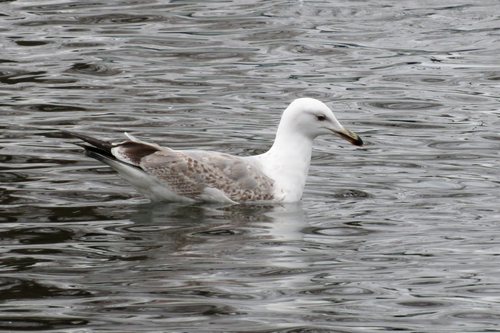
カスピセグロカモメ (Larus cachinnans) カスピセグロカモメ
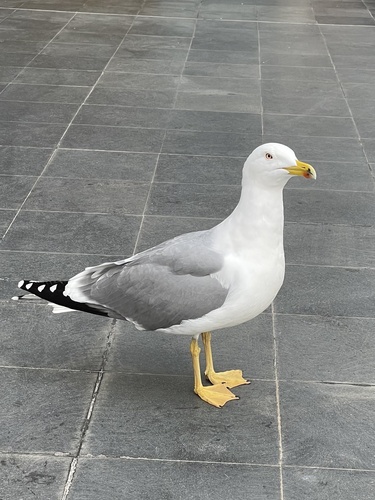
キアシセグロカモメ (Larus michahellis) キアシセグロカモメ

メディア

読み込み中…

要点

カスピセグロカモメとキアシセグロカモメの間の最も信頼できるフィールドでの区別は、特に未熟な鳥においては構造です。カスピセグロカモメは、より長く、スリムなくちばし、長い脚と首、そしてより細長く、優雅な外観を示しますが、キアシセグロカモメはよりがっしりとしていて、コンパクトです。初冬の鳥では、カスピセグロカモメはしばしば下部がより淡い色を示し、翼の覆羽に沿って淡い線の特徴的なセットを持っていますが、キアシセグロカモメの幼鳥はより暗く、より重いマーキングの翼と大胆な黒い尾帯を持っています。成鳥はより難しいですが、カスピの淡い脚(しばしばピンクがかった)とより長く、平行な側面のくちばしは、キアシセグロカモメの明るい黄色の脚と短いくちばしと対照的です。両種はサイズと一般的な色合いが似ていることがあるため、構造と年齢特有の羽毛に注意を払うことが重要です。

識別のコツ

  1. First-winter/juvenile wing coverts: カスピセグロカモメは、より大きな覆羽と中間覆羽に沿って2本の淡い線を示し、特徴的な二重バーを形成します。キアシセグロカモメはこれを欠き、より均一に暗く、重いマーキングの覆羽を持っています。これは、1歳未満の鳥において最も信頼性があります。
  2. Tail pattern in juveniles: キアシセグロカモメは、淡い腰と対照的な大胆で明確な黒い尾帯を持っています。カスピセグロカモメの尾帯は通常、あまりはっきりと定義されておらず、腰は淡いですが、これは微妙な場合があります。
  3. Head and neck streaking: カスピセグロカモメの幼鳥は、後ろから見ると「フード状」に見える、首の後ろに暗い筋がある淡い頭を持っています。キアシセグロカモメの幼鳥は、全体的に淡く、筋の少ない頭を持っています。
  4. Underparts: カスピセグロカモメの初冬の個体は、下部がより淡く、しばしば洗い流されたように見えます。キアシセグロカモメは、より重いマーキングがあり、一般的に下部が暗いです。
  5. Bill shape: カスピセグロカモメは、穏やかなカーブを持つ長く、細い、平行な側面のくちばしを持っています。キアシセグロカモメのくちばしは、より短く、深く、より頑丈です。これはすべての年齢で見ることができますが、成鳥と年長の未熟な個体で最も役立ちます。
  6. Leg color (adults): カスピセグロカモメの脚は淡いピンクから黄色がかった色をしています。キアシセグロカモメの脚は明るい黄色です。これは典型的な成鳥の特徴ですが、色あせたまたは泥だらけの脚には注意が必要です。
  7. Eye color: カスピセグロカモメはしばしば小さく、暗い目を持っています。キアシセグロカモメの目は淡く、しばしば赤い眼窩環を持っています(近距離で見ることができます)。
  8. Structure/jizz: カスピセグロカモメは、脚が長く、首が長く、より優雅に見え、傾斜のある額と細長い後部を持っています。キアシセグロカモメは、よりがっしりとしていて、丸みを帯びた頭とコンパクトな体を持っています。これは直接比較または経験で最もよく判断されます。
  9. Wing tip pattern (adults): カスピセグロカモメの最も外側の一次羽は大きな白い先端と内側の羽に白い「舌」を持っています。キアシセグロカモメは、より広範な黒と少ない白い斑点を持っています。これは微妙で、良い飛行ビューや写真で最もよく見ることができます。
  10. Back color: 両者は灰色の背中を持っていますが、カスピセグロカモメはキアシセグロカモメよりもわずかに淡いです。これは直接比較でのみ有用です。
  11. Seasonal head color: キアシセグロカモメの成鳥は秋に非常に白い頭を持っていますが、カスピはより多くの筋を示すことがありますが、これは変動があり、常に信頼できるわけではありません。
  12. Bill color (immatures): 両種は初年度に暗いくちばしを持っていますが、キアシセグロカモメは第二冬に黒い先端を保持します。カスピのくちばしはより早く淡くなります。
  13. Flight impression: カスピセグロカモメは飛行中、より長い翼を持ち、より優雅に見えます。キアシセグロカモメはより広い翼を持ち、よりコンパクトに見えます。
  14. Habitat context: 西ヨーロッパの都市部にいる場合、キアシセグロカモメの方が可能性が高いです。東部の湿地や草原の湖では、カスピセグロカモメの方が可能性が高いですが、重複は増加しています。
  15. Pitfalls: 両種は変動があり、ハイイロカモメや互いに交雑することがあります。常に特徴の組み合わせを使用し、単一の特徴に頼らないでください。

大きさ

両種は大きなカモメで、サイズが重なりますが、カスピセグロカモメはわずかに重い(体重約1154g [wikidata])です。カスピセグロカモメは長さ56〜68 cm、翼幅137〜155 cmで、キアシセグロカモメは長さ52〜68 cm、翼幅120〜155 cmです。フィールドでは、サイズだけでは重なりのため信頼できませんが、カスピセグロカモメはしばしばより長く、スリムに見え、キアシセグロカモメはよりがっしりとして、頑丈に見えます。くちばし、翼、脚の測定値も重なりますが、カスピの比率(より長いくちばし、脚、首)は、より伸びた外観を与えます。

羽色

初冬と幼鳥では、カスピセグロカモメは首の後ろに暗い筋がある淡い頭、淡い下部、灰色がかった背中を持っています。より大きな覆羽と中間覆羽は淡い先端を示し、翼に沿って2本の淡い線を形成します。これらの淡い覆羽のバーは、飛行中および静止中の重要な特徴です。キアシセグロカモメの幼鳥は、ハイイロカモメよりも淡い頭と下部を持っていますが、一般的にカスピよりも暗く、より重いマーキングを持ち、大胆な黒い尾帯と暗い飛行羽を持っています。彼らの翼の覆羽は、カスピの二重の淡い線を欠き、あまりきれいにパターン化されていません。第二冬には、キアシセグロカモメはほとんど成鳥のようになりますが、いくつかのパターン化された覆羽と黒いくちばしの先端を保持します。一方、カスピセグロカモメも成鳥の羽毛に近づきますが、よりクリーンで洗い流された外観を維持します。両種の成鳥は灰色の背中を持っています(カスピはキアシセグロカモメよりもわずかに淡い)が、カスピの翼の先端は最も外側の一次羽に大きな白い先端と内側の羽に白い舌を示し、キアシセグロカモメはより広範な黒と少ない白い斑点を持っています。脚の色は強い成鳥の特徴です:カスピの脚は淡いピンクから黄色がかった色をしており、キアシセグロカモメの脚は明るい黄色です。目の色も役立ちます:カスピはしばしば小さく、暗い目を持っています。キアシセグロカモメの目は淡く、赤い眼窩環を持っています。

行動

両種は雑食性で機会主義的であり、しばしばゴミ捨て場、港、都市部でスカベンジングを行っているのが見られます。カスピセグロカモメは、特に警戒しているときに、脚と首が長いため、より優雅で直立しているように見える傾向があります。飛行中、カスピセグロカモメはより優雅で伸びたように見えることができ、キアシセグロカモメはよりコンパクトで力強く見えます。両者は繁殖コロニーや食物源の周りで攻撃的になることがあります。

生息環境

キアシセグロカモメは南ヨーロッパ、地中海、中東および北アフリカの一部に広く分布しており、しばしば沿岸のコロニー、都市の屋上、時には内陸で繁殖します。カスピセグロカモメはさらに東で繁殖し、特に黒海とカスピ海の周辺で繁殖しますが、両種は冬や移動中の中継地で重なり合うことがあります。特に中央および東ヨーロッパでは、範囲が重なる場所では生息地だけでは診断できませんが、キアシセグロカモメは西部でより都市に適応しており、カスピセグロカモメは開放的な湿地や草原の湖により関連しています。

より良い説明を送る

比較と同じ項目を使ってください。文章はすぐに公開されます。

The most reliable field separation between Caspian Gull and Yellow-legged Gull, especially in immature birds, is the structure: Caspian Gull shows a longer, slimmer bill, longer legs and neck, and a more attenuated, elegant look, while Yellow-legged Gull is bulkier and more compact. In first-winter birds, Caspian Gull often shows paler underparts and a distinctive set of pale lines across the wing coverts, whereas Yellow-legged Gull juveniles have a darker, more heavily marked wing and a bold black tail band. Adults are trickier, but Caspian's paler legs (often pinkish) and longer, more parallel-sided bill contrast with the bright yellow legs and shorter bill of Yellow-legged. Both species can be similar in size and general coloration, so careful attention to structure and age-specific plumage is key.

  1. First-winter/juvenile wing coverts: Caspian Gull shows two pale lines across the greater and median coverts, forming a distinctive double bar; Yellow-legged Gull lacks these, with more uniformly dark and heavily marked coverts. This is most reliable in birds less than one year old.
  2. Tail pattern in juveniles: Yellow-legged Gull has a bold, well-defined black tail band contrasting with a paler rump; Caspian Gull's tail band is usually less sharply defined and the rump is paler, but this can be subtle.
  3. Head and neck streaking: Caspian Gull juveniles have a pale head with dark streaking on the nape, giving a 'hooded' look from behind; Yellow-legged Gull juveniles have a paler, less streaked head overall.
  4. Underparts: Caspian Gull first-years are paler below, often with a washed-out look; Yellow-legged Gull is more heavily marked and generally darker on the underparts.
  5. Bill shape: Caspian Gull has a long, slender, parallel-sided bill with a gentle curve; Yellow-legged Gull's bill is shorter, deeper, and more robust. This is visible in all ages but most helpful in adults and older immatures.
  6. Leg color (adults): Caspian Gull's legs are pale pink to yellowish; Yellow-legged Gull's are bright yellow. This is a classic adult mark, but beware of faded or muddy legs.
  7. Eye color: Caspian Gull often has a small, dark eye; Yellow-legged Gull's eye is paler, often with a red orbital ring (visible at close range).
  8. Structure/jizz: Caspian Gull looks longer-legged, longer-necked, and more elegant, with a sloping forehead and attenuated rear; Yellow-legged Gull is bulkier, with a more rounded head and compact body. This is best judged with direct comparison or experience.
  9. Wing tip pattern (adults): Caspian Gull's outermost primary has a large white tip and a white 'tongue' up the inner web; Yellow-legged Gull has more extensive black with fewer white spots. This is subtle and best seen in good flight views or photos.
  10. Back color: Both have grey backs, but Caspian Gull is slightly paler than Yellow-legged Gull. This is only useful in direct comparison.
  11. Seasonal head color: Yellow-legged Gull adults are much whiter-headed in autumn, while Caspian can show more streaking, but this is variable and not always reliable.
  12. Bill color (immatures): Both species have dark bills in first year, but Yellow-legged retains a black tip into second winter; Caspian's bill becomes paler more quickly.
  13. Flight impression: Caspian Gull in flight appears longer-winged and more graceful; Yellow-legged is broader-winged and more compact.
  14. Habitat context: If in urban western Europe, Yellow-legged is more likely; in eastern wetlands or steppe lakes, Caspian is more probable, but overlap is increasing.
  15. Pitfalls: Both species are variable and can hybridize with Herring Gull and each other; always use a combination of marks, not a single feature.

Both species are large gulls and overlap in size, but Caspian Gull averages slightly heavier (body mass around 1154g [wikidata]). Caspian Gull measures 56–68 cm in length with a 137–155 cm wingspan, while Yellow-legged Gull ranges from 52–68 cm in length and 120–155 cm in wingspan. In the field, size alone is unreliable due to overlap, but Caspian Gull often looks longer and more slender, while Yellow-legged Gull appears stockier and more robust. Bill, wing, and leg measurements also overlap, but Caspian's proportions (longer bill, legs, and neck) give it a more stretched appearance.

In first-winter and juvenile birds, Caspian Gull has a pale head with dark streaking on the nape, pale underparts, and a greyish back. The greater and median coverts show pale tips, forming two pale lines across the wing—these pale covert bars are a key mark in flight and at rest. Yellow-legged Gull juveniles have a paler head and underparts than Herring Gull, but are generally darker and more heavily marked than Caspian, with a bold black tail band and dark flight feathers. Their wing coverts are less neatly patterned and lack the Caspian's double pale lines. By second winter, Yellow-legged Gulls are mostly adult-like but retain some patterned coverts and black bill tip, while Caspian Gulls also approach adult plumage but maintain a cleaner, more washed-out look. Adults of both species have grey backs (Caspian slightly paler than Yellow-legged), but Caspian's wing tips show a large white tip to the outermost primary and a white tongue on the inner web, while Yellow-legged has more extensive black with fewer white spots. Leg color is a strong adult mark: Caspian's legs are pale pink to yellowish, while Yellow-legged's are bright yellow. Eye color can help: Caspian often has a small, dark eye; Yellow-legged's is paler with a red orbital ring.

Both species are omnivorous and opportunistic, often seen scavenging at rubbish tips, harbors, and urban areas. Caspian Gull tends to appear more elegant and upright, especially when alert, due to its longer legs and neck. In flight, Caspian Gull can look more graceful and elongated, while Yellow-legged Gull appears more compact and powerful. Both can be aggressive at breeding colonies and around food sources.

Yellow-legged Gull is widespread in southern Europe, the Mediterranean, and parts of the Middle East and North Africa, often breeding in coastal colonies, urban rooftops, and sometimes inland. Caspian Gull breeds further east, especially around the Black and Caspian Seas, but both species can overlap in winter and at migration stopovers, particularly in central and eastern Europe. Habitat alone is not diagnostic where ranges overlap, but Yellow-legged is more urban-adapted in the west, while Caspian is more associated with open wetlands and steppe lakes.

変更を破棄しますか?

保存していない編集があります。今離れると失われます。

カスピセグロカモメ · キアシセグロカモメ · 苦手な鳥