

Motmot

チャイロシギダチョウ 対 シロハラシギダチョウ

Crypturellus obsoletus 対 Crypturellus undulatus

チャイロシギダチョウとシロハラシギダチョウのクイズ
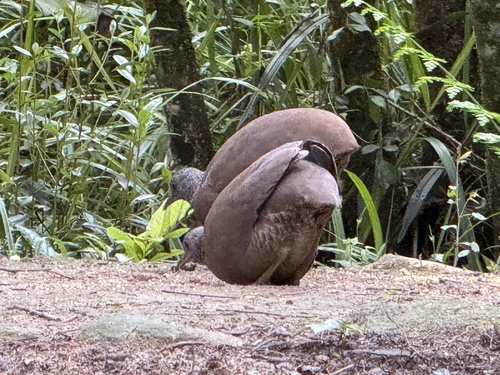
チャイロシギダチョウ (Crypturellus obsoletus) チャイロシギダチョウ
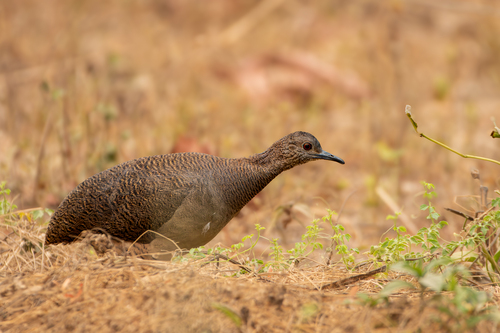
シロハラシギダチョウ (Crypturellus undulatus) シロハラシギダチョウ

メディア

読み込み中…

要点

チャイロシギダチョウとシロハラシギダチョウの最も信頼できるフィールドマークは喉の色です:チャイロシギダチョウは常に灰色がかった喉を示し、シロハラシギダチョウは明らかに白っぽい喉を持っています。さらに、シロハラシギダチョウは背中と首に強い黒い縞模様や波状の模様があり、チャイロシギダチョウは上面がより均一に茶色から栗色で、これらの波状または縞模様がありません。両者は南アメリカの森林に生息する地上性の鳥ですが、喉の色と上面の模様に注意を払うことで、ほとんどのフィールド状況で区別できます。下部の色合いや全体的なトーンの微妙な違いも役立ちますが、亜種によって変動し、喉や背中の模様よりも信頼性が低いです。

識別のコツ

  1. 喉の色は最も一貫したフィールドマークです:チャイロシギダチョウは常に灰色がかった喉を示し、シロハラシギダチョウは明らかに白っぽい喉を持っています。これは止まっている鳥に見られ、しばしば悪い光の中でも確認できます。
  2. 背中と首の模様:シロハラシギダチョウは背中と首に強い黒い縞模様や波状の模様を示します(特に標準形で);チャイロシギダチョウは上面が平坦で、縞模様や波状の模様がありません。
  3. 下部の色:チャイロシギダチョウの下部は背中よりも明るく、栗色からオクラ色まで変化し、一部の亜種(griseiventris)は淡いバフグレーを示します。シロハラシギダチョウはオリーブグレーからバフの下部を持ち、下側の側面と肛門に暗い波状模様があります。
  4. 上面のトーン:チャイロシギダチョウは亜種によって暗いすす色から明るい栗色まで変化しますが、常に模様がありません。シロハラシギダチョウは一般的に茶色または灰色がかっていますが、縞模様の存在がトーンよりも重要です。
  5. くちばしと脚の色:信頼できる診断にはなりません—シロハラシギダチョウのくちばしは上が黒く、下が灰色で、脚は灰色、鈍い黄色、または緑がかっていることがありますが、これらは微妙で変動します。
  6. 性差:雌のチャイロシギダチョウは雄よりもやや大きく、赤褐色が強いですが、これは微妙で、鳥が並んでいない限り信頼できるフィールドマークではありません。
  7. 幼鳥/未成熟の羽毛:どちらの種にも年齢特有の翼や飛行パターンは記載されていないため、すべての年齢に対して喉と背中の模様に焦点を当てます。
  8. 飛行時の視点:両種は驚かされると羽音を立てて飛び立ちますが、どちらの種にも独特の上翼や尾の模様は記載されていません—短い視点でも喉と背中の模様を探してください。
  9. 生息地の重複:両種は類似の森林生息地に出現することがあります;識別には生息地だけに頼らないでください。
  10. 羽毛の落とし穴:両種の亜種の変動は混乱を引き起こす可能性があります—チャイロシギダチョウのgriseiventrisは異常に淡い下部を持っていますが、依然として灰色がかった喉と平坦な背中を持っています;一部のシロハラシギダチョウの亜種は淡い縞模様を持っていますが、完全に欠けることはありません。
  11. 文脈:もし平坦な茶色の背中と灰色がかった喉を持つティナモを見たら、それはチャイロシギダチョウです;もし白っぽい喉と背中/首に何らかの縞模様や波状模様があれば、それはシロハラシギダチョウです。
  12. サイズを主要なマークとして使用しないでください:両者は長さと質量が似ており、見かけのサイズはフィールドでは信頼できません。
  13. 声での区別を使用しないでください:利用可能なメモには音声の違いは記載されていません。
  14. コシギダチョウとの混乱を避ける:チャイロシギダチョウとシロハラシギダチョウは喉の色(チャイロシギダチョウは灰色がかり、シロハラシギダチョウは白っぽい)によってコシギダチョウと区別されますが、コシギダチョウはこの比較には含まれません。
  15. 光と距離:悪い光の中では、喉の色と背中/首の縞模様の有無に焦点を当ててください。全体的なトーンや下部の色は誤解を招く可能性があります。

大きさ

両種はサイズが非常に似ており、チャイロシギダチョウは平均して約25〜30 cmの長さで、典型的な質量は444 gであるのに対し、シロハラシギダチョウは28〜30 cmで、約300 gとやや軽いです。フィールドでは、サイズは信頼できる区別要因ではなく、寸法が重なり、両者は中小型の丸い体型のティナモとして見えます。雌のチャイロシギダチョウはやや大きく、赤褐色が強く見えることがありますが、これは微妙で、直接比較なしでは簡単に判断できません。

羽色

どちらの種にも年齢特有の翼や飛行パターンは記載されていないため、成人および一般的な羽毛に焦点を当てます。チャイロシギダチョウは全体的に茶色から栗色で、正確な色合いは亜種によって異なり、下部は栗色からオクラ色まで明るくなります。重要なマークは灰色がかった喉(決して白くない)で、背中と首に強い縞模様や波状の模様がないことです。対照的に、シロハラシギダチョウは上面が茶色がかっているか灰色がかっていますが、常に背中と首に強い黒い縞模様や波状の模様を示し(特に標準のundulatusで)、明確に白っぽい喉を持っています。下部はオリーブグレーからバフで、下側の側面と肛門に暗い波状模様があります。シロハラシギダチョウの亜種は縞模様の強さが異なりますが、何らかの模様は常に存在し、平坦な背中のチャイロシギダチョウとは異なります。くちばしと脚はフィールドで強く診断するものではありません。

行動

両種は秘密主義で地上性の鳥であり、飛ぶよりも歩いたり走ったりすることを好み、最もよく密な森林の下草をすり抜けているのが見られます。彼らの行動は非常に似ており、信頼できる区別要因ではありません。両者は驚かされると羽音を立てて飛び立つことがありますが、これは一般的なティナモの特徴です。

生息環境

チャイロシギダチョウは熱帯および亜熱帯の南アメリカの湿った低地および山地の森林に生息し、シロハラシギダチョウは南アメリカの東部および北部のより広範な森林生息地に生息しています。森林地域では生息地の重複があるため、生息地だけでは診断できませんが、シロハラシギダチョウはより多様な森林タイプに見られることがあります。

より良い説明を送る

比較と同じ項目を使ってください。文章はすぐに公開されます。

The most reliable field mark between Brown Tinamou and Undulated Tinamou is the color of the throat: Brown Tinamou always shows a greyish throat, while Undulated Tinamou has a distinctly whitish throat. In addition, Undulated Tinamou is marked by strong black barring or vermiculations on the back and neck, whereas Brown Tinamou is more uniformly brown to chestnut above, lacking these wavy or barred patterns. Both are ground-dwelling birds of South American forests, but careful attention to throat color and upperpart patterning will separate them in most field situations. Subtle differences in underpart color and overall tone can help, but are variable by subspecies and less reliable than the throat and back pattern.

  1. Throat color is the most consistent field mark: Brown Tinamou always shows a greyish throat, while Undulated Tinamou has a distinctly whitish throat. This is visible on perched birds and often even in poor light.
  2. Back and neck patterning: Undulated Tinamou displays strong black barring or wavy vermiculations on the back and neck (especially in the nominate form); Brown Tinamou is plain above, lacking any barring or vermiculations.
  3. Underpart color: Brown Tinamou's underparts are paler than the back, ranging from chestnut to ochraceous, with some subspecies (griseiventris) showing pale buff-grey. Undulated Tinamou has olive-grey to buff underparts, with dark vermiculations on the lower flanks and vent.
  4. Upperpart tone: Brown Tinamou varies from dark sooty-brown to bright chestnut above, depending on subspecies, but is always unpatterned. Undulated Tinamou is generally browner or greyer, but the presence of barring is more important than tone.
  5. Bill and leg color: Not reliably diagnostic—Undulated Tinamou's bill is black above and grey below, legs can be grey, dull yellow, or greenish, but these are subtle and variable.
  6. Sexual dimorphism: Female Brown Tinamous are slightly larger and more rufescent than males, but this is subtle and not a reliable field mark unless birds are side by side.
  7. Juvenile/immature plumage: No distinctive age-specific wing or flight pattern is described for either species; focus on throat and back pattern for all ages.
  8. Flight views: Both species flush with a whirring flight, but no unique upperwing or tail pattern is noted for either—look for throat and back pattern even in brief views.
  9. Habitat overlap: Both species can occur in similar forested habitats; do not rely on habitat alone for identification.
  10. Plumage pitfalls: Subspecies variation in both species can cause confusion—Brown Tinamou griseiventris has unusually pale underparts, but still a greyish throat and plain back; some Undulated Tinamou subspecies have fainter barring, but never lack it entirely.
  11. Context: If you see a tinamou with a plain brown back and a greyish throat, it is Brown Tinamou; if it has a whitish throat and any degree of barring or vermiculation on the back/neck, it is Undulated Tinamou.
  12. Do not use size as a primary mark: Both are similar in length and mass, and apparent size is unreliable in the field.
  13. Do not use voice for separation: No vocal differences are described in the available notes.
  14. Avoid confusion with Little Tinamou: Both Brown and Undulated Tinamous are separated from Little Tinamou by throat color (greyish in Brown, whitish in Undulated, but Little Tinamou is not part of this comparison).
  15. Lighting and distance: In poor light, focus on throat color and the presence or absence of barring on the back/neck, as overall tone and underpart color can be misleading.

Both species are very similar in size, with Brown Tinamou averaging about 25–30 cm in length and a typical mass of 444 g, while Undulated Tinamou is 28–30 cm and somewhat lighter at around 300 g. In the field, size is not a reliable separator, as their dimensions overlap and both appear as medium-small, round-bodied tinamous. Female Brown Tinamous may appear slightly larger and more rufescent, but this is subtle and not easily judged without direct comparison.

No age-specific wing or flight pattern is described for either species, so focus is on adult and general plumage. Brown Tinamou is overall brown to chestnut above, with the exact shade varying by subspecies, and paler underparts ranging from chestnut to ochraceous. The key mark is the greyish throat (never white), and the absence of strong barring or vermiculations on the back and neck. In contrast, Undulated Tinamou is brownish to grey-brown above but always shows strong black barring or wavy vermiculations on the back and neck (especially in nominate undulatus), and a clearly whitish throat. Its underparts are olive-grey to buff, with dark vermiculations on the lower flanks and vent. Subspecies of Undulated Tinamou vary in the strength of barring, but some pattern is always present, unlike the plain-backed Brown Tinamou. The bill and legs are not strongly diagnostic in the field.

Both species are secretive, ground-dwelling birds that prefer to walk or run rather than fly, and are most often seen slipping away through dense forest undergrowth. Their behavior is very similar, and not a reliable separator. Both may flush with a whirring flight when startled, but this is typical of tinamous in general.

Brown Tinamou is found in humid lowland and montane forests in tropical and subtropical South America, while Undulated Tinamou occupies a wider range of wooded habitats in eastern and northern South America. There is some habitat overlap, especially in forested regions, so habitat alone is not diagnostic, though Undulated Tinamou may be found in more varied woodland types.

変更を破棄しますか?

保存していない編集があります。今離れると失われます。

チャイロシギダチョウ · シロハラシギダチョウ · 苦手な鳥