

Motmot

ルリホオハチクイ 対 ミドリヤブモズ

Merops persicus 対 Chlorophoneus sulfureopectus

ルリホオハチクイとミドリヤブモズのクイズ
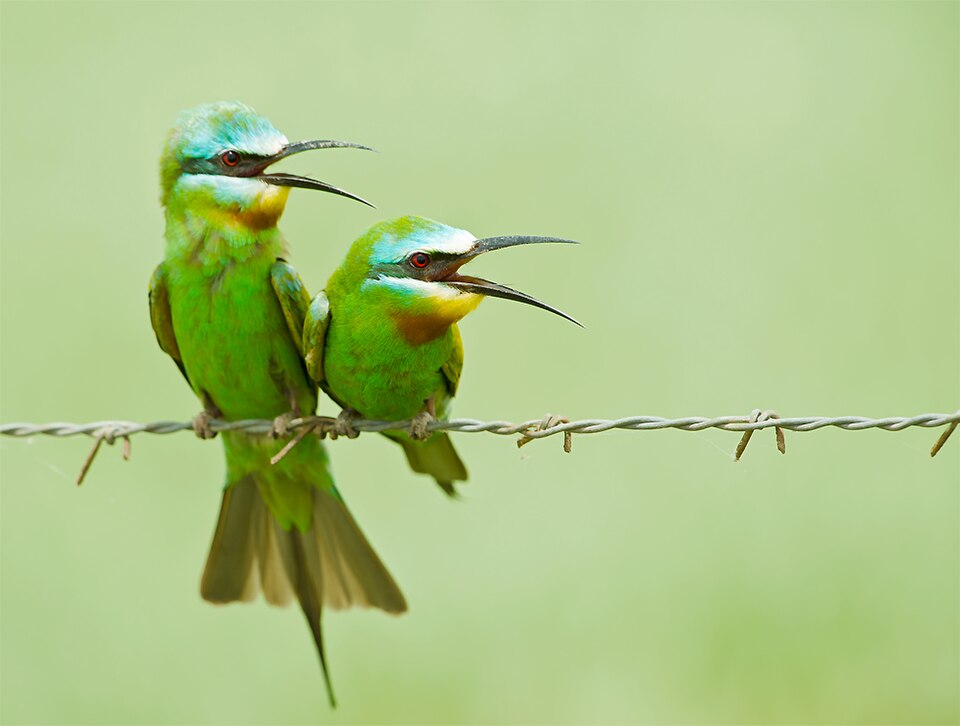
ルリホオハチクイ (Merops persicus) ルリホオハチクイ
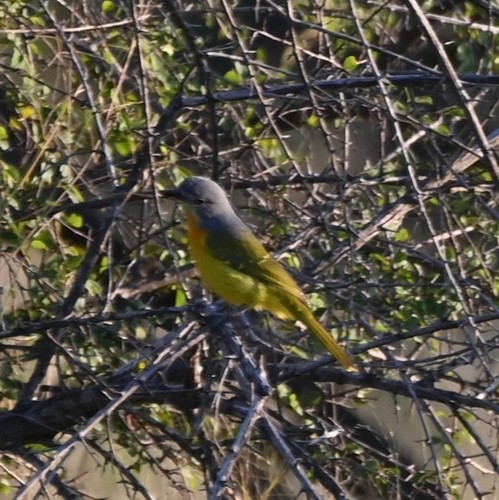
ミドリヤブモズ (Chlorophoneus sulfureopectus) ミドリヤブモズ

メディア

読み込み中…

要点

ルリホオハチクイとミドリヤブモズを区別する最も信頼できる方法は、全体の構造と色彩によるものです:ルリホオハチクイは、青い顔の側面と黒いアイストライプを持つ、細長い尾を持つ主に緑色の鳥であり、一方ミドリヤブモズは、目を引くオレンジまたは黄色の胸を持つ、よりコンパクトで頑丈な鳥ですが、ルリホオハチクイの青い顔と長い尾の流れはありません。飛行中または止まっているとき、ルリホオハチクイの長く尖った翼と深く伸びた中央の尾羽は診断的であり、特に成鳥において顕著です。両種は色鮮やかですが、形、姿勢、顔の模様はかなり異なります。生息地と行動も役立ちます:ハチクイは空中のハンターであり、しばしば電線から飛び出す姿が見られますが、ヤブモズはより隠れがちで、茂みや木の中に止まります。

識別のコツ

  1. Tail Shape and Length: ルリホオハチクイは、特に成鳥において、尾の残りよりもはるかに長く伸びた2本の中央尾羽(流れ)を持っています。ミドリヤブモズは、流れのない短くて四角い尾を持っています。これは、止まっているときも飛んでいるときも見えます。
  2. Facial Pattern: ルリホオハチクイは、鋭い黒いアイストライプを持つ明確な青い顔の色合いを示しますが、ヤブモズの顔は平坦で、青も強いアイストライプも欠けています。
  3. Bill Shape: ハチクイのくちばしは長く、細く、強く下向きに曲がっており、飛行中に昆虫を捕まえるのに適しています。ヤブモズのくちばしは短く、重く、鉤状で、葉の中で獲物をつかんだり操作したりするのに適応しています。
  4. Overall Shape and Posture: ハチクイは細長く、長い体、尖った翼、そして露出した止まり木での直立した姿勢を持っています。ヤブモズはコンパクトで、頑丈な体とより水平で丸まった姿勢を持ち、通常は覆いの中にいます。
  5. Breast Color: ヤブモズは鮮やかなオレンジから黄色の胸を持ち、これが最も目を引く特徴です。ハチクイの喉は黄色と茶色ですが、胸と腹部は緑色で、オレンジや黄色ではありません。
  6. Upperparts Color: 両種は緑色の上面を持っていますが、ハチクイの緑は明るく、より均一であり、ヤブモズの緑は鈍く、背中に制限されることがあります。
  7. Flight Behavior: ハチクイは非常に空中性が高く、昆虫を捕まえるために止まり木から飛び出す姿がよく見られ、浮遊感のある優雅な飛行をします。ヤブモズは持続的な飛行で見られることはまれで、通常は植生の中を移動します。
  8. Perching Behavior: ハチクイは、電線や裸の枝のような開放的で露出した止まり木を好みます。ヤブモズは通常、密な葉の中に留まり、開けた場所に止まる可能性は低いです。
  9. Habitat Preference: ハチクイは開けた国、半砂漠、草原を好み、しばしば水の近くにいます。ヤブモズは茂みや森林の生息地、森林の端、または密な藪の中に見られます。
  10. Sex Differences: ハチクイの性別は似ていますが、雌は尾の流れが短いです。これらのメモではヤブモズに関して強い性差は記載されていません。
  11. Group Size: ハチクイは小さなコロニーや緩い群れで見られることがあり、特に繁殖地の近くで見られます。ヤブモズは通常、単独またはペアで見られます。
  12. Vocalization: 聞こえた場合、ハチクイの鳴き声はヨーロッパハチクイよりも「平坦」で「フルートのようではない」と記述されていますが、現在の情報ではヤブモズとの強い区別にはなりません。
  13. Bill Color: ハチクイのくちばしは黒いですが、ヤブモズのくちばしの色は記載されていませんが、通常はヤブモズでは暗いです。
  14. Jizz in Flight: ハチクイの長く尖った翼と流れる尾羽は独特のシルエットを与えます。ヤブモズの飛行はより直接的で浮遊感が少なく、短い尾と丸い翼を持っています。
  15. Pitfalls: 両者は色鮮やかで緑色の上面を示すことがありますが、ルリホオハチクイだけが青い頬、黒いアイストライプ、長い尾の流れを組み合わせています。ヤブモズだけが顔に青がなく、明るいオレンジ/黄色の胸を持っています。

大きさ

ルリホオハチクイは中型の細長い鳥で(体重約49.4g)、長い中央尾羽によって明らかに伸びています(全長は最大31 cm、流れが最大7 cm加わります)。ミドリヤブモズはここでは測定されていませんが、よりコンパクトで頑丈なスズメ目の鳥で、尾が短く、長さに対して重い体型をしています。野外では、ハチクイは特に飛行中にずっと長く、流線型に見え、ヤブモズはずんぐりしていて短い尾を持っているように見えます。

羽色

どちらの種についても年齢特有の翼や飛行パターンのマークは記載されていないため、成鳥の羽毛に焦点を当てています。ルリホオハチクイは主に明るい緑色で、顔には青い色合い、黒いアイストライプ、黄色と茶色の喉を持っています。中央の2本の尾羽は長く、特にオスでは尾の残りよりもはるかに伸びています。対照的に、ヤブモズは鮮やかなオレンジから黄色の胸を持っています(そのため名前が付けられています)が、顔には青がなく、黒いアイストライプもありません。上面は通常緑がかっていますが、顔は平坦で、尾は短く四角いです。ハチクイの両性は似ていますが、雌は尾の流れが短いです。ヤブモズの性差は詳細には記載されていませんが、両性ともオレンジ/黄色の胸を共有しています。ハチクイの黒いくちばしは長く下向きに曲がっており、ヤブモズのくちばしは短く鉤状です。

行動

ルリホオハチクイは非常に空中性が高く、露出した止まり木(電線など)から飛び出して飛行中の昆虫を捕まえる姿がよく見られ、緩い群れやコロニーで見られることがあります。開けた場所では目立ち、頻繁に開けた場所に止まります。ミドリヤブモズはより控えめで、通常は密な茂みや木の中で餌を探し、開けた場所で見られることは少ないです。通常は単独またはペアで見られ、空中で昆虫を捕まえるのではなく、葉の中を着実に移動します。

生息環境

ルリホオハチクイは、散在する木(アカシア)のある半砂漠で繁殖し、開放的な森林や草原で冬を越し、しばしば水の近くにいます。通常は開けた日当たりの良い生息地に見られ、密な植生の中にはほとんどいません。ミドリヤブモズは茂みや森林の生息地を好み、しばしば藪や森林の端に見られ、開けた国では見られる可能性が低いです。鳥が密な茂みや森林の端にいる場合はヤブモズがより可能性が高く、開けた場所や電線にいる場合はハチクイが好まれます。

声

ルリホオハチクイの鳴き声は、ヨーロッパハチクイよりも「平坦」で「フルートのようではない」と記述されていますが、ヤブモズとの直接的な比較はありません。これらのメモではミドリヤブモズの音声の記述は提供されていません。したがって、手元の情報では声は信頼できる区別にはなりません。

より良い説明を送る

比較と同じ項目を使ってください。文章はすぐに公開されます。

The most reliable way to separate Blue-cheeked Bee-eater from Sulphur-breasted Bushshrike is by overall structure and coloration: the bee-eater is a slender, long-tailed, predominantly green bird with blue facial sides and a black eye-stripe, while the bushshrike is a more compact, robust bird with a striking orange or yellow breast but lacks the bee-eater’s blue face and elongated tail streamers. In flight or perched, the bee-eater’s long, pointed wings and deeply extended central tail feathers are diagnostic, especially in adults. Both species are colorful, but their shape, posture, and facial pattern are quite different. Habitat and behavior also help: bee-eaters are aerial hunters often seen sallying from wires, while bushshrikes are more skulking and perch within bushes or trees.

  1. Tail Shape and Length: Blue-cheeked Bee-eater has two elongated central tail feathers (streamers) that extend well beyond the rest of the tail, especially in adults. Sulphur-breasted Bushshrike has a short, square-tipped tail with no streamers. This is visible both perched and in flight.
  2. Facial Pattern: The bee-eater shows a distinct blue wash on the face with a sharp black eye-stripe; the bushshrike’s face is plain, lacking both blue and a strong eye-stripe.
  3. Bill Shape: Bee-eater’s bill is long, slender, and strongly decurved (downcurved), suited for catching insects in flight. Bushshrike’s bill is shorter, heavier, and hooked, adapted for grasping and manipulating prey in foliage.
  4. Overall Shape and Posture: Bee-eater is slender, with a long body, pointed wings, and an upright posture on exposed perches. Bushshrike is compact, with a robust body and a more horizontal, hunched posture, usually within cover.
  5. Breast Color: Bushshrike has a vivid orange to yellow breast, which is its most striking feature. Bee-eater’s throat is yellow and brown, but the breast and underparts are green, not orange or yellow.
  6. Upperparts Color: Both species have green upperparts, but bee-eater’s green is brighter and more uniform, while bushshrike’s green may be duller and restricted to the back.
  7. Flight Behavior: Bee-eater is highly aerial, often seen flying out from perches to catch insects, with buoyant, graceful flight. Bushshrike is rarely seen in sustained flight and usually moves through vegetation.
  8. Perching Behavior: Bee-eater prefers open, exposed perches like wires or bare branches. Bushshrike typically stays within dense foliage and is less likely to perch in the open.
  9. Habitat Preference: Bee-eater favors open country, semi-desert, and grassland, often near water. Bushshrike is found in bushy or wooded habitats, forest edges, or dense thickets.
  10. Sex Differences: Bee-eater sexes are similar, but females have shorter tail streamers. No strong sexual differences are noted for bushshrike in these notes.
  11. Group Size: Bee-eater may be seen in small colonies or loose groups, especially near breeding sites. Bushshrike is typically solitary or in pairs.
  12. Vocalization: If heard, bee-eater’s call is ‘flatter’ and less ‘fluty’ than European Bee-eater, but this is not a strong separator from bushshrike with current information.
  13. Bill Color: Bee-eater’s bill is black; bushshrike’s bill color is not described, but is typically dark in bushshrikes.
  14. Jizz in Flight: Bee-eater’s long, pointed wings and trailing streamers give a distinctive silhouette. Bushshrike’s flight is more direct and less buoyant, with a short tail and rounded wings.
  15. Pitfalls: Both are colorful and may show green upperparts, but only bee-eater combines blue cheeks, black eye-stripe, and long tail streamers. Only bushshrike has a bright orange/yellow breast with no blue on the face.

Blue-cheeked Bee-eater is a medium-sized, slender bird (body mass ~49.4g), noticeably elongated by its long central tail feathers (total length up to 31 cm, with streamers adding up to 7 cm). Sulphur-breasted Bushshrike is not measured here, but is a more compact, sturdy passerine with a shorter tail and heavier build relative to its length. In the field, the bee-eater looks much longer and more streamlined, especially in flight, while the bushshrike appears chunky and short-tailed.

No age-specific wing or flight pattern marks are described for either species in the sources, so focus is on adult plumage. Blue-cheeked Bee-eater is predominantly bright green with a blue wash on the face, a black eye-stripe, and a yellow and brown throat. Its two central tail feathers are elongated and extend well beyond the rest of the tail, especially in males. The bushshrike, in contrast, has a vivid orange to yellow breast (hence the name), but lacks blue on the face and has no black eye-stripe. Its upperparts are typically greenish, but the face is plain, and the tail is short and square-tipped. Both sexes of bee-eater are similar, though females have shorter tail streamers; bushshrike sexual dimorphism is not detailed, but both sexes share the orange/yellow breast. The bee-eater’s black bill is long and decurved, while the bushshrike’s bill is shorter and hooked.

Blue-cheeked Bee-eater is highly aerial, often seen sallying out from exposed perches (like wires) to catch flying insects, and may be seen in loose groups or colonies. It is conspicuous in open areas, frequently perching in the open. Sulphur-breasted Bushshrike is more retiring, usually foraging within dense bushes or trees, and is less likely to be seen in the open. It tends to be solitary or in pairs, moving methodically through foliage rather than hawking insects in the air.

Blue-cheeked Bee-eater breeds in semi-desert with scattered trees (acacia), and winters in open woodland or grassland, often near water. It is usually found in open, sunny habitats and is rarely deep in dense vegetation. Sulphur-breasted Bushshrike prefers bushy or wooded habitats, often within thickets or forest edges, and is less likely to be found in open country. If the bird is in a dense bush or forest edge, bushshrike is more likely; if it is in the open or on wires, bee-eater is favored.

Blue-cheeked Bee-eater’s call is described as ‘flatter’ and less ‘fluty’ than European Bee-eater, but no direct comparison to bushshrike is given. No vocal description is provided for Sulphur-breasted Bushshrike in these notes. Therefore, voice is not a reliable separator with the information at hand.

変更を破棄しますか?

保存していない編集があります。今離れると失われます。

ルリホオハチクイ · ミドリヤブモズ · 苦手な鳥