

Motmot

アフリカコガモ 対 アカハシオナガガモ

Spatula hottentota 対 Anas erythrorhyncha

アフリカコガモとアカハシオナガガモのクイズ

アフリカコガモ (Spatula hottentota) アフリカコガモ
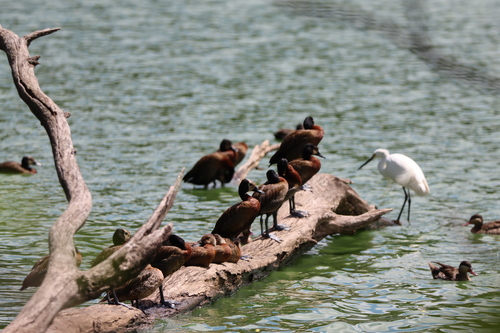
アカハシオナガガモ (Anas erythrorhyncha) アカハシオナガガモ

メディア

読み込み中…

要点

アフリカコガモとアカハシオナガガモの最も信頼できるフィールドマークは、くちばしの色と形です:アフリカコガモは淡い青みがかったくちばしを持ち、アカハシオナガガモは明るい赤いくちばしを示します。飛行中、上翼のパターンも診断的です—アフリカコガモ(特に成鳥のオス)は、白と黒の縁取りのある緑色の虹色のスペキュラムを示し、アカハシオナガガモは黒いストライプのあるバフ色の二次羽を明らかにします。両種の幼鳥は鈍い色合いですが、くちばしの色は重要な区別点のままです。両種は対照的な暗い冠と淡い顔を持っていますが、顔のパターンと腹部の斑点は異なります。サイズも手がかりです:アカハシオナガガモはアフリカコガモよりも明らかに大きく、ずっしりとしています。

識別のコツ

  1. Bill color: アフリカコガモはすべての年齢で淡い青みがかった灰色のくちばしを持ち、アカハシオナガガモは明るい赤いくちばしを持っています(幼鳥ではあまり鮮やかではありませんが、まだ赤みがあります)。これはすべての年齢と距離で最も信頼できるフィールドマークです。
  2. Size: アカハシオナガガモはアフリカコガモよりもはるかに大きく、ずっしりとしています(43–48 cm); アフリカコガモは(33–35 cm)です。混合群れや並んでいるとき、この違いは明らかです。
  3. Upperwing pattern in flight: 成鳥のアフリカコガモは、狭い黒と白の縁取りのある緑色の虹色のスペキュラムを示し、アカハシオナガガモは太い黒いストライプのあるバフ色の二次羽を持っています。これはすべての年齢で見られますが、特に成鳥では際立っています。
  4. Crown and face pattern: 両種は対照的な暗い冠と淡い顔を持っていますが、アフリカコガモ(特にオス)は暗い茶色の冠、淡い顔、そして特徴的な黒っぽい耳の斑点を持っています; アカハシオナガガモは黒っぽい帽子と後頭部を持ち、淡い顔をしていますが、耳の斑点はありません。
  5. Breast and flank spotting: アフリカコガモは首と胸に重い黒い斑点を示し、腹部と脇腹には大きく、あまり目立たない斑点があります; アカハシオナガガモは白でスカロップされた鈍い暗い茶色の体を持ち、斑点はありません。
  6. Sex differences: アフリカコガモのオスはより対照的で光沢があり、翼と体の模様が明るいです; メスと幼鳥は鈍いですが、まだ淡いくちばしを示します。アカハシオナガガモの性別は似ており、幼鳥はわずかに鈍いです。
  7. Tail and scapulars: アフリカコガモは暗い茶色から黒の肩羽と尾を持っています; アカハシオナガガモの尾は特徴的ではありません。
  8. Leg and foot color: アフリカコガモは青みがかった灰色の足と足を持っています; アカハシオナガガモの足の色はメモにおいて特徴的ではありません。
  9. Jizz and posture: アフリカコガモは小さく、より繊細で、水面に低く座ります; アカハシオナガガモはより大きく、体が長く、重く見えます。
  10. Group size: アカハシオナガガモは繁殖期以外に大きな群れで見られることが多いです; アフリカコガモはより多くのペアや小さな群れで見られます。
  11. Habitat context: 両種は似たような生息地を使用しますが、アフリカコガモはより小さな湿地や沼地で見られることが多いかもしれませんが、アカハシオナガガモは巣作りのために密な植生のある開水域を好みます。
  12. Voice: 主要なフィールドマークではありませんが、アフリカコガモのオスは柔らかい「バープ音」を出すことがありますが、アカハシオナガガモのオスは「ウィズッ」と鳴き、メスは柔らかいクワックを出します。
  13. Juvenile confusion: 鈍い幼鳥の羽毛でも、くちばしの色は診断的です—アフリカコガモでは青みがかり、アカハシオナガガモでは赤みがかります。
  14. Speculum color: 羽を閉じた止まっている鳥では、アフリカコガモ(特にオス)に緑色の光沢のヒントを探してください; アカハシオナガガモはこの光沢がなく、代わりにバフと黒を示します。
  15. Pitfalls: 淡い顔と暗い冠にのみ頼らないでください、両種はこれを示します; くちばしの色を常に確認し、可能であれば飛行中の翼のパターンを確認してください。

大きさ

アフリカコガモは小型の水辺のカモで、長さは33–35 cm、体重は53–288 gです [wikipedia]。アカハシオナガガモは長さ43–48 cmで、かなり大きいです [wikipedia]。このサイズの違いは、直接比較や混合群れで通常明らかで、アカハシオナガガモは全体的に体が長く、重く見えます。アフリカコガモはまた、体がより繊細で、相対的に短い尾と小さなくちばしを持っています。

羽色

両種の幼鳥と未成熟の鳥は成鳥よりも鈍いですが、くちばしの色は強い手がかりのままです:アフリカコガモの幼鳥は淡い青みがかった灰色のくちばしを持ち、アカハシオナガガモの幼鳥はすでに赤いくちばしを示します(時にはあまり鮮やかではありませんが)。飛行中、成鳥のアフリカコガモ(特にオス)は、狭い黒と白のバーで縁取られた二次羽に緑色の虹色のスペキュラムを示します。対照的に、アカハシオナガガモは太い黒いストライプのあるバフ色の二次羽を示します—これはすべての年齢で見られます。止まっているまたは泳いでいる鳥では、アフリカコガモのオスは淡い顔と特徴的な黒っぽい耳の斑点を持つ暗い茶色の冠を持ち、首と胸に重い黒い斑点があります。メスと幼鳥は鈍い色合いで、対照が少ないですが、まだ淡い青みがかったくちばしを示します。アカハシオナガガモは黒っぽい帽子と後頭部、淡い顔、そして白でスカロップされた鈍い暗い茶色の体を持ち、アフリカコガモの重い斑点はありません。アカハシオナガガモの両性は似ており、幼鳥は鈍いですが、成鳥と同じ模様を持っています。

行動

両種は水辺のカモで、主に夕方や夜に水面で採餌したり、陸上で採餌したりします。アフリカコガモは一般的に定住していますが、干ばつに応じて遊動することがありますが、アカハシオナガガモは移動性ではありませんが、適切な水を見つけるために長距離を飛ぶことがあります。アカハシオナガガモは繁殖期以外に非常に群れを成し、大きな群れを形成しますが、アフリカコガモはあまり目立たず、小さな群れで見られることが多いです。繁殖行動はアフリカコガモではより控えめで、微妙な求愛行動がありますが、アカハシオナガガモは特に目立つとは記述されていません。

生息環境

両種は南部および東部アフリカの開けた国の淡水生息地に見られます。アフリカコガモは西アフリカとマダガスカルを含む広範囲に生息しており、より小さな湿地や沼地で見られる可能性が高いです。アカハシオナガガモは南緯10°以南で豊富で、巣作りのために近くに密な植生のある開水域を好みます。両種は一緒に見られることがありますが、アカハシオナガガモは開水域で大きな群れで見られる可能性が高いです。

声

アフリカコガモは一般的に静かで、オスはディスプレイ中に柔らかい機械的な「バープ音」を出します。アカハシオナガガモも静かですが、ディスプレイ中のオスは「ウィズッ」と鳴き、メスは柔らかいマガモのようなクワックを出します。どちらの種も特に声が大きくないため、鳴き声は最も信頼できるフィールドマークではありませんが、アカハシオナガガモの「ウィズッ」はディスプレイ中に聞こえることがあります。

より良い説明を送る

比較と同じ項目を使ってください。文章はすぐに公開されます。

The most reliable field mark between Blue-billed Teal and Red-billed Duck is the color and shape of the bill: Blue-billed Teal has a pale bluish bill, while Red-billed Duck shows a bright red bill. In flight, the upperwing pattern is also diagnostic—Blue-billed Teal (especially adult males) shows a green iridescent speculum with white and black borders, whereas Red-billed Duck reveals buff secondaries with a black stripe. Juveniles of both species are duller, but the bill color remains a key distinction. Both species have a contrasting dark crown and paler face, but the face pattern and underpart spotting differ. Size is also a clue: Red-billed Duck is noticeably larger and bulkier than Blue-billed Teal.

  1. Bill color: Blue-billed Teal of all ages has a pale bluish-grey bill, while Red-billed Duck has a bright red bill (less vivid in juveniles but still reddish). This is the single most reliable field mark at all ages and distances.
  2. Size: Red-billed Duck is much larger and bulkier (43–48 cm) than Blue-billed Teal (33–35 cm). In mixed flocks or side-by-side, this difference is obvious.
  3. Upperwing pattern in flight: Adult Blue-billed Teal shows a green iridescent speculum with narrow black and white borders; Red-billed Duck has buff secondaries with a bold black stripe. This is visible in all ages but especially striking in adults.
  4. Crown and face pattern: Both have a contrasting dark crown and pale face, but Blue-billed Teal (especially males) has a dark brown crown, paler face, and a distinctive blackish ear patch; Red-billed Duck has a blackish cap and nape with a pale face but lacks the ear patch.
  5. Breast and flank spotting: Blue-billed Teal shows heavy black spotting on the neck and breast, with larger, less obvious spots on the flanks and abdomen; Red-billed Duck has a dull dark brown body scalloped with white, not spotted.
  6. Sex differences: Blue-billed Teal males are more contrasting and glossy, with brighter wing and body markings; females and juveniles are duller but still show the pale bill. Red-billed Duck sexes are similar, with juveniles only slightly duller.
  7. Tail and scapulars: Blue-billed Teal has dark brown to black scapulars and tail; Red-billed Duck's tail is not distinctive.
  8. Leg and foot color: Blue-billed Teal has bluish-grey legs and feet; Red-billed Duck's leg color is not distinctive in the notes.
  9. Jizz and posture: Blue-billed Teal is smaller, more delicate, and sits lower in the water; Red-billed Duck appears larger, longer-bodied, and heavier.
  10. Group size: Red-billed Duck is often in large flocks, especially outside breeding season; Blue-billed Teal is more often seen in pairs or small groups.
  11. Habitat context: Both species use similar habitats, but Blue-billed Teal may be more common in smaller wetlands or marshes, while Red-billed Duck prefers open water with dense vegetation for nesting.
  12. Voice: Not a primary field mark, but Blue-billed Teal males may give a soft 'burping' call, while Red-billed Duck males give a 'whzzt' and females a soft quack.
  13. Juvenile confusion: Even in dull juvenile plumage, bill color remains diagnostic—check for bluish in Blue-billed Teal and reddish in Red-billed Duck.
  14. Speculum color: In perched birds with wings closed, look for a hint of green gloss in Blue-billed Teal (especially males); Red-billed Duck lacks this gloss, showing buff and black instead.
  15. Pitfalls: Do not rely solely on the pale face and dark crown, as both species show this; always check bill color and, if possible, wing pattern in flight.

Blue-billed Teal is a small dabbling duck, measuring 33–35 cm in length and weighing 53–288 g [wikipedia]. Red-billed Duck is substantially larger at 43–48 cm in length [wikipedia]. This size difference is usually obvious in direct comparison or in mixed flocks, with Red-billed Duck appearing longer-bodied and heavier overall. Blue-billed Teal is also more delicate in build, with a proportionally shorter tail and smaller bill.

Juvenile and immature birds of both species are duller than adults, but the bill color remains a strong cue: Blue-billed Teal juveniles have a pale bluish-grey bill, while Red-billed Duck juveniles already show a red bill (though sometimes less vivid). In flight, adult Blue-billed Teal (especially males) display a green iridescent speculum on the secondaries, bordered by narrow black and white bars. Red-billed Duck, by contrast, shows buff-colored secondaries with a bold black stripe—this is visible in all ages. On perched or swimming birds, Blue-billed Teal males have a dark brown crown with a paler face and a distinctive blackish ear patch, plus heavy black spotting on the neck and breast. Females and juveniles are duller and less contrasting but still show the pale bluish bill. Red-billed Duck has a blackish cap and nape, pale face, and a dull dark brown body scalloped with white, lacking the heavy spotting of Blue-billed Teal. Both sexes of Red-billed Duck are similar, with juveniles being duller but still patterned as adults.

Both species are dabbling ducks and feed by dabbling or foraging on land, mainly in the evening or at night. Blue-billed Teal is generally sedentary but can be nomadic in response to drought, while Red-billed Duck is not migratory but will fly long distances to find suitable water. Red-billed Duck is highly gregarious outside the breeding season and forms large flocks, whereas Blue-billed Teal is less demonstrative and often seen in smaller groups. Breeding behavior is more subdued in Blue-billed Teal, with subtle courtship displays, while Red-billed Duck is not described as particularly demonstrative.

Both species are found in freshwater habitats in open country across southern and eastern Africa. Blue-billed Teal is resident in a broader range, including West Africa and Madagascar, and is more likely to be found in smaller wetlands or marshes. Red-billed Duck is abundant south of 10° S and prefers open water bodies with dense vegetation nearby for nesting. Both species can occur together, but Red-billed Duck is more likely to be seen in large flocks on open water.

Blue-billed Teal is generally quiet, with males producing a soft mechanical 'burping' call during display. Red-billed Duck is also quiet, but displaying males give a 'whzzt' call, and females have a soft mallard-like quack. Neither species is particularly vocal, so calls are not the most reliable field mark, but the 'whzzt' of Red-billed Duck may be heard in display.

変更を破棄しますか?

保存していない編集があります。今離れると失われます。

アフリカコガモ · アカハシオナガガモ · 苦手な鳥