

Motmot

オオルリ 対 カラオオルリ

Cyanoptila cyanomelana 対 Cyanoptila cumatilis

オオルリとカラオオルリのクイズ
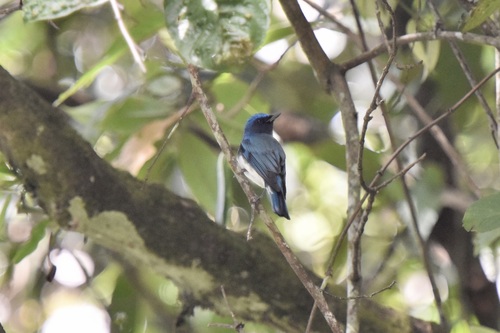
オオルリ (Cyanoptila cyanomelana) オオルリ
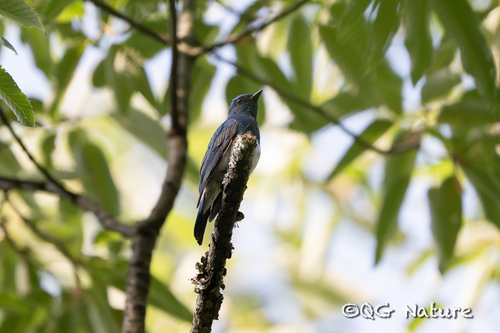
カラオオルリ (Cyanoptila cumatilis) カラオオルリ

メディア

読み込み中…

要点

オオルリとカラオオルリの間で最も信頼できるフィールドマークは、成鳥のオスの青の色合いとトーンです:オオルリは深く、強烈なコバルトブルーを示し、カラオオルリはより緑がかったターコイズブルーです。両種はサイズと構造が非常に似ており、雌や幼鳥は特に識別が難しいですが、カラオオルリのオスは青に緑がかった色合いがあり、顔と胸のパターンがわずかに異なります。両種の幼鳥のオスは青い翼を持っていますが、その他は茶色がかった羽毛であり、この年齢では分離が難しくなります。成鳥のオスにとっては、青の正確な色合いと顔および上胸の黒または緑がかった黒の範囲に注意を払うことが重要です。雌や幼鳥については、フィールドでの信頼できる分離は非常に難しく、直接比較や範囲の文脈なしではしばしば不可能です。

識別のコツ

  1. Adult male blue tone: オオルリのオスは深く、強烈なコバルトブルーで、カラオオルリのオスは緑がかったターコイズブルーの色合いを持っています。これは、良い光の下で成鳥のオスのための最も信頼できるフィールドマークです。
  2. Face and breast color (adult males): オオルリは顔と上胸に黒を示し、カラオオルリはこれらの領域に緑がかった黒を持っています。違いは微妙ですが、直接比較で見ることができます。
  3. Tail base patches: 両種は外尾羽の基部に白がありますが、カラオオルリは側面に小さな白い斑点が2つあり、オオルリのものはより目立つ単一の斑点です。これは小さなマークであり、常に見えるわけではありません。
  4. Flank color (adult males): カラオオルリのオスはわずかに灰色がかった側面を示すことがありますが、オオルリの側面は黒っぽいです。これは微妙で、判断が難しいことがよくあります。
  5. Female and immature confusion: 両種の雌と幼鳥のオスは非常に似ており、上面は灰褐色、下面は淡い色で、白または淡い喉を持っています。オオルリの雌はわずかに頭が小さく見えることがありますが、これは強いフィールドマークではありません。
  6. Immature male pattern: 両種の幼鳥のオスは青い翼、尻尾、そして成鳥のオスのような青い尻尾を持っていますが、茶色がかったまたは灰褐色の頭とマントル、そして雌のような白い喉を持っており、フィールドでの分離が非常に難しいです。これらの年齢における上翼や飛行パターンの違いは記述されていないため、フィールドでの分離は信頼できません。
  7. Structure and size: 両種は大きく、頑丈なフライキャッチャーで、比例と構造が似ています。分離のためにサイズや形状に頼らないでください。
  8. Bill and legs: 両種は暗い灰色から黒のくちばしと足を持っており、これらの特徴は種の分離には役立ちません。
  9. Song and calls: オオルリの歌のみが記述されています(メランコリックな口笛);カラオオルリの詳細は記載されていないため、地元の知識がより多くの情報を提供しない限り、声を分離に使用しないでください。
  10. Range context: 日本、韓国、またはロシア極東で繁殖期にいる場合、オオルリが期待されます;中央中国ではカラオオルリの方が可能性が高いです。渡りの際には、両種が一緒に発生することがあり、範囲は信頼できる分離要因ではありません。
  11. Seasonal context: 両種は渡り鳥であり、通過中に重なる可能性があるため、季節だけに頼らないでください。
  12. Sexing pitfalls: 若いオスは雌のように見えることがあり、両者は互いに混同されることがあります。新しい羽毛の成鳥のオスのみが色調によって信頼できる分離が可能です。
  13. Lighting conditions: 青の色調の違いは良い光の下で最もよく見えます;日陰や暗い光の中では、区別が失われることがあります。
  14. Direct comparison: 両種を一緒に見ることができれば、カラオオルリの緑がかった色合いとオオルリの深い青をより容易に評価できます。そうでなければ、注意が必要です。
  15. Photographic review: 可能であれば、微妙な色の違いを確認するために写真を見直してください。フィールドでの視界では自信のある識別には不十分な場合があります。

大きさ

両種は大きなフライキャッチャーで、オオルリは平均して16〜17 cmの長さで、質量は約23 gです [wikidata]。カラオオルリは17 cmの長さとされています [wikipedia]。フィールドでの意味のあるサイズの違いはなく、両者はフライキャッチャーとして頑丈に見え、構造は有用な分離要因ではありません。

羽色

繁殖羽毛の成鳥のオスについて、オオルリは上面が深いコバルトブルーで、顔、上胸、側面に黒があり、目を引く白い下面を持っています。カラオオルリの成鳥のオスはより緑がかっており、上面はターコイズブルーで、顔と上胸は緑がかった黒、下面は純白です(側面はわずかに灰色がかっています)。両者は外尾羽の基部に白い斑点がありますが、カラオオルリは尾の基部の側面に小さな白い斑点が2つあり、オオルリの斑点はより目立ちますが、分割されているとは記述されていません。両種の雌は上面が灰褐色で、下面が淡い色で、オオルリの雌は頭が小さく見え、下喉は淡いベージュ白ですが、カラオオルリの雌は白い喉を持っています。両種の幼鳥のオスは中間的で、成鳥のオスのように青い翼、尻尾、そして尾を持っていますが、雌のように茶色がかったまたは灰褐色の頭とマントル、白い喉を持っており、フィールドでの分離が非常に難しいです。どちらの種にも特異な幼鳥や初冬の上翼パターンは記述されていません。

行動

両種は典型的なフライキャッチャーとして振る舞い、直立して止まり、昆虫を捕まえるために飛び出します。フィールドでの分離を助ける行動の違いは記述されていません。

生息環境

生息地は範囲が重なる場所では信頼できる分離要因ではなく、両種は渡りや繁殖中に似たような森林生息地を使用します。しかし、オオルリはさらに北東(日本、韓国、北東中国、ロシア極東)で繁殖し、カラオオルリは中央中国で繁殖し、さらに南(マレー半島、スマトラ、ジャワ)で越冬します。重複ゾーンの外では範囲が役立つことがありますが、共有された渡りの回廊内ではそうではありません。

声

オオルリは短いメランコリックな口笛のシリーズを持っています。カラオオルリのための特異な声の違いは利用可能なメモには記述されていないため、フィールドでの歌は信頼できる分離要因ではありません。

より良い説明を送る

比較と同じ項目を使ってください。文章はすぐに公開されます。

The most reliable field mark between Blue-and-white Flycatcher and Zappey's Flycatcher is the shade and tone of blue on adult males: Blue-and-white shows a deep, intense cobalt blue, while Zappey's is a greener, turquoise-blue. Both species are very similar in size and structure, and females and immatures are particularly challenging, but Zappey's males have a greener cast to the blue and a slightly different face and breast pattern. Immature males of both species show blue wings but otherwise brownish plumage, making separation difficult at this age. Careful attention to the precise hue of blue and the extent of black or greenish-black on the face and upper breast is key for adult males; for females and immatures, reliable separation in the field is extremely difficult and often not possible without direct comparison or range context.

  1. Adult male blue tone: Blue-and-white Flycatcher males are deep, intense cobalt blue, while Zappey's males are greener, with a turquoise-blue cast. This is the single most reliable field mark for adult males in good light.
  2. Face and breast color (adult males): Blue-and-white shows black on the face and upper breast, while Zappey's has greenish-black in these areas. The difference is subtle but can be seen in direct comparison.
  3. Tail base patches: Both species have white at the base of the outer tail feathers, but Zappey's has two small white patches on the sides, while Blue-and-white's is a more prominent single patch. This is a minor mark and not always visible.
  4. Flank color (adult males): Zappey's males may show faintly greyish flanks, while Blue-and-white's are blackish on the flanks. This is subtle and often hard to judge.
  5. Female and immature confusion: Females and immature males of both species are very similar—grey-brown above, pale below, with a white or pale throat. Blue-and-white females may appear slightly smaller-headed, but this is not a strong field mark.
  6. Immature male pattern: Both species' immature males have blue wings, rump, and tail but a brownish or grey-brown head and mantle, and a white throat. There are no described differences in upperwing or flight pattern for these ages, so separation is not reliable in the field.
  7. Structure and size: Both species are large, robust flycatchers with similar proportions and structure. Do not rely on size or shape for separation.
  8. Bill and legs: Both have dark grey to black bills and legs; these features do not separate the species.
  9. Song and calls: Only Blue-and-white's song is described (melancholic whistles); Zappey's is not detailed, so do not use voice for separation unless local knowledge provides more information.
  10. Range context: If you are in Japan, Korea, or the Russian Far East during breeding season, Blue-and-white is expected; in central China, Zappey's is more likely. During migration, both may occur together, and range is not a reliable separator.
  11. Seasonal context: Both species are migratory and may overlap on passage, so do not rely on season alone.
  12. Sexing pitfalls: Young males can look like females, and both can be confused with each other. Only adult males in fresh plumage are reliably separated by color tone.
  13. Lighting conditions: The difference in blue tone is best seen in good light; in shade or poor light, the distinction may be lost.
  14. Direct comparison: If you see both species together, the greener cast of Zappey's and the deeper blue of Blue-and-white are easier to appreciate. Otherwise, caution is needed.
  15. Photographic review: If possible, review photos for subtle color differences, as field views may not be sufficient for a confident identification.

Both species are large flycatchers, with Blue-and-white Flycatcher averaging 16–17 cm in length and about 23 g in mass [wikidata], and Zappey's Flycatcher listed as 17 cm long [wikipedia]. There is no meaningful size difference in the field; both appear robust for a flycatcher, and structure is not a useful separator.

For adult males in breeding plumage, Blue-and-white Flycatcher is deep cobalt blue above with black on the face, upper breast, and flanks, and a striking white underside. Zappey's Flycatcher adult males are greener, with turquoise-blue upperparts, greenish-black face and upper breast, and pure white underparts (flanks faintly greyish). Both have white patches at the base of the outer tail feathers, but Zappey's has two small white patches on the sides of the tail base, while Blue-and-white's patch is more prominent but not described as split. Females of both species are grey-brown above and pale below, with Blue-and-white females showing a smaller-headed profile and pale beige-white on the lower throat, while Zappey's females have a white throat. Immature males of both species are intermediate: blue wings, rump, and tail like adult males, but brownish or grey-brown head and mantle and white throat like females, making them very difficult to separate in the field. There are no distinctive juvenile or first-winter upperwing patterns described for either species.

Both species behave as typical flycatchers, perching upright and sallying out to catch insects. There are no described behavioral differences that aid separation in the field.

Habitat is not a reliable separator where ranges overlap, as both species use similar wooded habitats during migration and breeding. However, Blue-and-white Flycatcher breeds further northeast (Japan, Korea, NE China, Russian Far East), while Zappey's breeds in central China and winters further south (Malay Peninsula, Sumatra, Java). Outside overlap zones, range may help, but not within shared migration corridors.

Blue-and-white Flycatcher has a short, melancholic series of whistles. No distinctive vocal differences are described for Zappey's Flycatcher in the available notes, so song is not a reliable separator in the field.

変更を破棄しますか?

保存していない編集があります。今離れると失われます。

オオルリ · カラオオルリ · 苦手な鳥