

Motmot

カタグロトビ 対 シロエリハゲワシ

Elanus caeruleus 対 Gyps fulvus

カタグロトビとシロエリハゲワシのクイズ
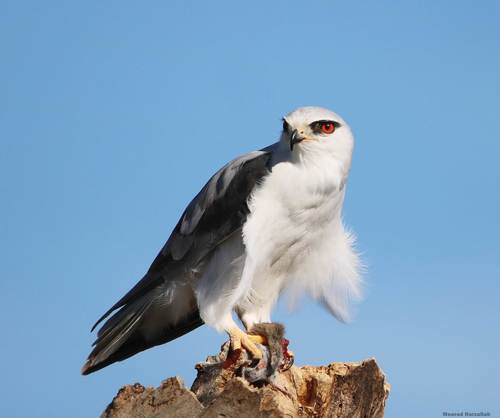
カタグロトビ (Elanus caeruleus) カタグロトビ
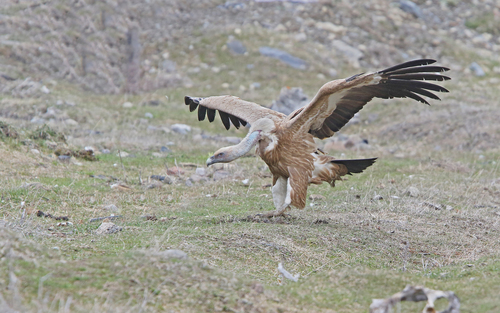
シロエリハゲワシ (Gyps fulvus) シロエリハゲワシ

メディア

読み込み中…

要点

The most reliable field mark is overall size and structure: Griffon Vulture is a massive, heavy-bodied raptor with a broad wingspan and short tail, while Black-winged Kite is a small, slender, long-winged bird of prey. In flight, juvenile Black-winged Kites show reddish-brown upperparts and breast, while all ages of Griffon Vulture have buffy body plumage with contrasting dark flight feathers and a white head. Perched, the vulture's pale neck ruff and bare yellowish head are unique. Even at a distance, the vulture's sheer bulk and broad wings separate it from the much daintier kite.

識別のコツ

  1. Size is the single most obvious difference: Griffon Vulture is enormous, dwarfing any kite. If you see a bird of prey that looks as big as a small airplane or soars with eagles, it's a vulture, not a kite.
  2. Flight silhouette: Black-winged Kite has long, pointed wings and a proportionally long tail, giving a slim, falcon-like profile. Griffon Vulture has very broad wings with 'fingered' primaries and a short, wedge-shaped tail, creating a bulky, rectangular outline.
  3. Juvenile plumage: Young Black-winged Kites are reddish-brown above and on the breast, a unique mark not present in any vulture. If you see rufous tones, especially on a small hovering raptor, it's a juvenile kite.
  4. Adult plumage: Adult kites are mostly white and pale grey with black on the wings and shoulders. Griffon Vultures are buffy or pale brown on the body and wing coverts, with a white head and neck ruff, and dark flight feathers.
  5. Head and bill structure: Griffon Vulture has a bare, pale head and a massive, hooked bill for tearing carrion. Black-winged Kite has a fully feathered, owl-like head with red eyes and a small, sharp bill suited for small prey.
  6. Perched posture: Kites perch upright on wires or small trees, often singly or in pairs. Vultures are much larger, often seen perched in groups on cliffs or large trees, with hunched posture and visible pale neck ruff.
  7. Behavior in flight: Black-winged Kite frequently hovers in place, especially when hunting. Griffon Vulture never hovers and instead soars for long periods on thermals with minimal flapping.
  8. Wing pattern in flight: Griffon Vulture's underwing shows pale coverts contrasting with dark flight feathers; kite's underwing is mostly pale with black patches at the wrist.
  9. Tail shape: Kite's tail is longer and more squared or slightly rounded; vulture's tail is short and wedge-shaped.
  10. Eye color: Black-winged Kite has striking red eyes, visible at close range; vulture's eyes are much less conspicuous.
  11. Habitat context: Kites are found in open lowland fields, agricultural areas, and grassy plains. Vultures are associated with cliffs, mountains, and wild open country, rarely near human habitation.
  12. Feeding behavior: Kites hunt live prey (rodents, insects) and are seen actively searching or hovering. Vultures are scavengers, often seen circling over carcasses or gathered at carrion.
  13. Group size: Kites are usually solitary or in pairs; vultures often gather in large groups, especially at food sources.
  14. Vocalization: Not diagnostic for separation; both are generally silent in flight.
  15. Season and age: Juvenile kites can be confused with other small raptors but never with a vulture due to size and plumage. All ages of vulture are massive and have the characteristic pale head and neck ruff.

大きさ

Griffon Vulture is dramatically larger than Black-winged Kite. The vulture averages over 8 kg in body mass and has a wingspan up to 2.8 meters, making it one of the largest flying birds in its range. Black-winged Kite is a small raptor, much closer in size to a kestrel or small falcon, and would appear tiny next to a Griffon Vulture. Even without direct comparison, the vulture's size is unmistakable in the field.

羽色

Juvenile Black-winged Kites are distinctive for their reddish-brown feathers on the upperparts and breast, a feature not present in any age of Griffon Vulture. Adult kites are mostly white and grey with black on the wings and shoulders, and have striking red eyes. In contrast, Griffon Vultures of all ages show a white head, pale neck ruff, buff body and wing coverts, and dark flight feathers. The vulture's wings are broad and the tail is short, while the kite's wings are long and pointed with a longer tail. The vulture's head is bare and pale, while the kite's is feathered and owl-like. These differences are visible both perched and in flight.

行動

Black-winged Kite is often seen hovering in place over open grasslands, similar to a kestrel, and is highly active and agile. Griffon Vulture soars on thermals with slow, steady wingbeats, rarely flapping, and is almost never seen hovering. The vulture typically glides with wings held flat or slightly raised, and spends long periods circling high above. Perched, the vulture is often seen in groups on cliffs or large trees, while the kite perches singly or in pairs on wires or small trees.

生息環境

Black-winged Kite prefers open grasslands, agricultural fields, and plains, sometimes venturing onto grassy hillsides. It is a bird of lowland open country, often near human activity. Griffon Vulture is found in mountainous or hilly terrain, especially near cliffs for nesting, and is associated with open country but usually at higher elevations and in wilder landscapes. The vulture is rarely seen in the lowland agricultural settings favored by the kite.

より良い説明を送る

比較と同じ項目を使ってください。文章はすぐに公開されます。

The most reliable field mark is overall size and structure: Griffon Vulture is a massive, heavy-bodied raptor with a broad wingspan and short tail, while Black-winged Kite is a small, slender, long-winged bird of prey. In flight, juvenile Black-winged Kites show reddish-brown upperparts and breast, while all ages of Griffon Vulture have buffy body plumage with contrasting dark flight feathers and a white head. Perched, the vulture's pale neck ruff and bare yellowish head are unique. Even at a distance, the vulture's sheer bulk and broad wings separate it from the much daintier kite.

  1. Size is the single most obvious difference: Griffon Vulture is enormous, dwarfing any kite. If you see a bird of prey that looks as big as a small airplane or soars with eagles, it's a vulture, not a kite.
  2. Flight silhouette: Black-winged Kite has long, pointed wings and a proportionally long tail, giving a slim, falcon-like profile. Griffon Vulture has very broad wings with 'fingered' primaries and a short, wedge-shaped tail, creating a bulky, rectangular outline.
  3. Juvenile plumage: Young Black-winged Kites are reddish-brown above and on the breast, a unique mark not present in any vulture. If you see rufous tones, especially on a small hovering raptor, it's a juvenile kite.
  4. Adult plumage: Adult kites are mostly white and pale grey with black on the wings and shoulders. Griffon Vultures are buffy or pale brown on the body and wing coverts, with a white head and neck ruff, and dark flight feathers.
  5. Head and bill structure: Griffon Vulture has a bare, pale head and a massive, hooked bill for tearing carrion. Black-winged Kite has a fully feathered, owl-like head with red eyes and a small, sharp bill suited for small prey.
  6. Perched posture: Kites perch upright on wires or small trees, often singly or in pairs. Vultures are much larger, often seen perched in groups on cliffs or large trees, with hunched posture and visible pale neck ruff.
  7. Behavior in flight: Black-winged Kite frequently hovers in place, especially when hunting. Griffon Vulture never hovers and instead soars for long periods on thermals with minimal flapping.
  8. Wing pattern in flight: Griffon Vulture's underwing shows pale coverts contrasting with dark flight feathers; kite's underwing is mostly pale with black patches at the wrist.
  9. Tail shape: Kite's tail is longer and more squared or slightly rounded; vulture's tail is short and wedge-shaped.
  10. Eye color: Black-winged Kite has striking red eyes, visible at close range; vulture's eyes are much less conspicuous.
  11. Habitat context: Kites are found in open lowland fields, agricultural areas, and grassy plains. Vultures are associated with cliffs, mountains, and wild open country, rarely near human habitation.
  12. Feeding behavior: Kites hunt live prey (rodents, insects) and are seen actively searching or hovering. Vultures are scavengers, often seen circling over carcasses or gathered at carrion.
  13. Group size: Kites are usually solitary or in pairs; vultures often gather in large groups, especially at food sources.
  14. Vocalization: Not diagnostic for separation; both are generally silent in flight.
  15. Season and age: Juvenile kites can be confused with other small raptors but never with a vulture due to size and plumage. All ages of vulture are massive and have the characteristic pale head and neck ruff.

Griffon Vulture is dramatically larger than Black-winged Kite. The vulture averages over 8 kg in body mass and has a wingspan up to 2.8 meters, making it one of the largest flying birds in its range. Black-winged Kite is a small raptor, much closer in size to a kestrel or small falcon, and would appear tiny next to a Griffon Vulture. Even without direct comparison, the vulture's size is unmistakable in the field.

Juvenile Black-winged Kites are distinctive for their reddish-brown feathers on the upperparts and breast, a feature not present in any age of Griffon Vulture. Adult kites are mostly white and grey with black on the wings and shoulders, and have striking red eyes. In contrast, Griffon Vultures of all ages show a white head, pale neck ruff, buff body and wing coverts, and dark flight feathers. The vulture's wings are broad and the tail is short, while the kite's wings are long and pointed with a longer tail. The vulture's head is bare and pale, while the kite's is feathered and owl-like. These differences are visible both perched and in flight.

Black-winged Kite is often seen hovering in place over open grasslands, similar to a kestrel, and is highly active and agile. Griffon Vulture soars on thermals with slow, steady wingbeats, rarely flapping, and is almost never seen hovering. The vulture typically glides with wings held flat or slightly raised, and spends long periods circling high above. Perched, the vulture is often seen in groups on cliffs or large trees, while the kite perches singly or in pairs on wires or small trees.

Black-winged Kite prefers open grasslands, agricultural fields, and plains, sometimes venturing onto grassy hillsides. It is a bird of lowland open country, often near human activity. Griffon Vulture is found in mountainous or hilly terrain, especially near cliffs for nesting, and is associated with open country but usually at higher elevations and in wilder landscapes. The vulture is rarely seen in the lowland agricultural settings favored by the kite.

変更を破棄しますか?

保存していない編集があります。今離れると失われます。

カタグロトビ · シロエリハゲワシ · 苦手な鳥