

Motmot

クロハゲワシ 対 シロエリハゲワシ

Aegypius monachus 対 Gyps fulvus

クロハゲワシとシロエリハゲワシのクイズ
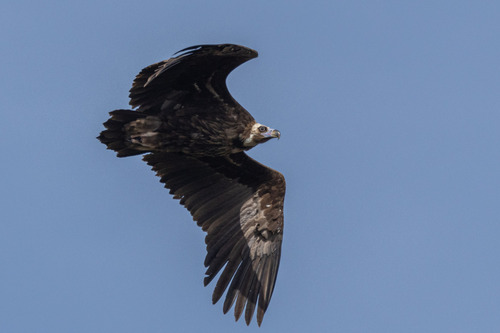
クロハゲワシ (Aegypius monachus) クロハゲワシ
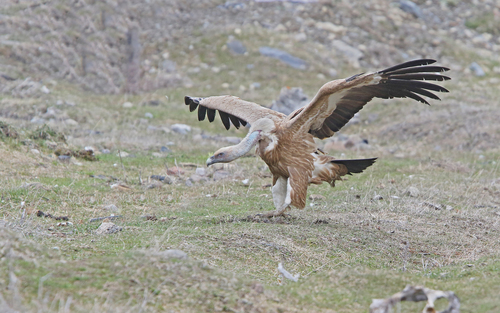
シロエリハゲワシ (Gyps fulvus) シロエリハゲワシ

メディア

読み込み中…

要点

クロハゲワシ(セグロハゲワシ)とシロエリハゲワシの間で最も信頼できるフィールドマークは全体の色です:成鳥のクロハゲワシは均一に非常に暗い茶色から黒っぽく、成鳥のシロエリハゲワシは対照的な淡い頭、白い首のフリル、バフ色の体、暗い飛行羽を示します。飛行中、クロハゲワシはより大きく、均一に暗く見え、シロエリハゲワシは淡いカバー羽と暗い飛行羽の間に強いコントラストを示します。幼鳥や未成熟の鳥はより難しい場合がありますが、クロハゲワシは全体的に暗いままで、淡い頭は成鳥のみです。構造も役立ちます:クロハゲワシは重く、大きなくちばしと広く、まっすぐな翼を持っています。両種は大きな浮遊性の scavenger ですが、クロハゲワシは最も大きな旧世界のハゲワシであり、シロエリハゲワシよりも明らかに大きいです。

識別のコツ

  1. Overall color in flight (all ages): クロハゲワシは均一に暗い茶色から黒っぽく、体、カバー羽、飛行羽の間にほとんどコントラストがありません。シロエリハゲワシは淡い頭、白い首のフリル、バフ色の体と翼のカバー羽、暗い飛行羽を示し、強い二色効果を生み出します。
  2. Head and neck (adult): クロハゲワシは細かい黒っぽい羽毛で覆われた淡い青灰色の頭(裸ではない)を持ち、紫がかった脳と茶色の目があります。シロエリハゲワシは白く、裸の頭と目立つ白い首のフリルを持っています。
  3. Juvenile/immature plumage: 若いクロハゲワシは上面がセピア色で、下面は成鳥よりも淡いですが、シロエリハゲワシよりもはるかに暗く、均一です。幼鳥のシロエリハゲワシは淡い頭を持ち、淡いカバー羽と暗い飛行羽の間に強いコントラストを示します。
  4. Bill size and color: クロハゲワシは巨大な青灰色のくちばし(クルメン8–9 cm)を持ち、猛禽類の中で最も大きいものの一つです。シロエリハゲワシは黄色のくちばしを持ち、比率的にそれほど巨大ではありません。
  5. Wing shape and flight style: クロハゲワシは非常に広く、直線的な翼("バンドア")を持ち、平らまたはわずかにアーチ状に保たれ、遅く重い飛行をします。シロエリハゲワシは広い翼を持っていますが、より明確なコントラストとわずかに機敏な飛行を示します。
  6. Tail shape: クロハゲワシは比較的短く、広い尾を持っています。シロエリハゲワシは短い尾を持っていますが、違いは微妙で、色や翼の形状ほど有用ではありません。
  7. Leg color: クロハゲワシは淡い青灰色の脚を持っています;シロエリハゲワシの脚の色はフィールドではそれほど特徴的ではありません。
  8. Perched appearance: クロハゲワシはより大きく、暗く、より丸まって見え、大きなくちばしと淡い羽毛の頭を持っています。シロエリハゲワシはより淡く見え、白い首のフリルとより細いくちばしを持っています。
  9. Relative size: クロハゲワシはシロエリハゲワシよりも明らかに大きく、重いですが、両者が一緒にいる場合でないとサイズを判断するのは難しいです。
  10. Flight feather contrast: クロハゲワシの飛行羽は黒く、翼の残りと混ざります。シロエリハゲワシの暗い飛行羽は淡いカバー羽と体とコントラストを成します。
  11. Neck ruff: シロエリハゲワシだけが目立つ白い首のフリルを持っており、クロハゲワシはすべての年齢でこの特徴を欠いています。
  12. Eye color: クロハゲワシは茶色の目を持っています;シロエリハゲワシの目の色はフィールドではそれほど特徴的ではありません。
  13. Habitat overlap: 両種は似たような開けたまたは高地の生息地に出現することがあるため、位置だけに頼らないでください。
  14. Behavior at carcasses: クロハゲワシはそのサイズのために支配することがありますが、両種は社会的な scavenger です。
  15. Beware of lighting: 照明が悪いと、シロエリハゲワシは暗く見えることがありますが、淡い頭と首のフリルは通常見えます。常にコントラストを探し、全体の暗さだけを見ないでください。

大きさ

クロハゲワシ(Aegypius monachus)はシロエリハゲワシ(Gyps fulvus)よりも明らかに大きく、重いです。クロハゲワシは野生の成鳥で平均9.4–9.6 kg(20.8–21.1 lb)、長さは98–120 cm(39–47 in)、翼幅は2.5–3.1 m(8 ft 2 in – 10 ft 2 in)です。シロエリハゲワシはAVONET/Wikidataによると平均約8.3 kg(18.3 lb)、長さは93–122 cm(37–48 in)、翼幅は2.3–2.8 m(7.5–9.2 ft)です。クロハゲワシは重く、より大きなくちばし、広い翼を持ち、飛行中と止まっているときに一般的により大きな外観を示します。

羽色

幼鳥と未成熟のクロハゲワシは上面がセピア色で、成鳥よりも淡い下面を持っていますが、シロエリハゲワシのどの年齢よりもはるかに暗いです。成鳥のクロハゲワシは全体が暗い黒っぽい茶色で、淡い青灰色の頭は細かい黒っぽい羽毛で覆われ、暗い茶色の目を持っています。彼らの飛行羽は黒く、翼は広く、バンドドアのようです。未成熟のクロハゲワシは頭に灰色の羽毛を持ち、淡いモーブ色の脳を持っています。それに対して、成鳥のシロエリハゲワシは白い頭、白い首のフリル、黄色いくちばし、バフ色の体と翼のカバー羽、暗い飛行羽を持ち、飛行中に強いコントラストを生み出します。幼鳥のシロエリハゲワシも淡い頭を持ち、淡いカバー羽と暗い飛行羽の間にコントラストを示します。クロハゲワシは決してシロエリハゲワシの白い首のフリルや淡い頭/首のコントラストを示しません。すべての年齢において、クロハゲワシは特に飛行中に非常に暗く、均一に見えます。

行動

両種は浮遊性の scavenger であり、しばしば熱気流の上で高く旋回しているのが見られます。クロハゲワシは遅く、重く、浮力のある飛行を持ち、必要に応じて深く、重いフラップを行い、翼はまっすぐまたはわずかにアーチ状に保たれます。シロエリハゲワシも浮遊しますが、わずかに機敏で、重い翼の打撃が少ないように見えることがあります。両種は死骸の周りで社会的ですが、クロハゲワシはそのサイズのために支配することがあります。

生息環境

両種は開けた国、山、死骸にアクセスできるステップに見られます。クロハゲワシは温帯ユーラシアに分布し、より森林の多いまたは遠隔の高地地域にしばしば見られ、シロエリハゲワシは南ヨーロッパとアジアの一部に広く分布し、しばしば開けた岩場や山岳地帯に見られます。範囲と生息地にはかなりの重複があるため、生息地だけでは診断的ではありません。

より良い説明を送る

比較と同じ項目を使ってください。文章はすぐに公開されます。

The most reliable field mark between Black (Cinereous) and Griffon Vultures is overall color: adult Black Vultures are uniformly very dark brown to blackish, while adult Griffon Vultures show a contrasting pale head, white neck ruff, buff body, and dark flight feathers. In flight, Black Vultures appear bulkier and more uniformly dark, while Griffon Vultures show strong contrast between pale coverts and dark flight feathers. Juvenile and immature birds can be trickier, but the Black Vulture remains darker overall, with a paler head only in adults. Structure also helps: Black Vultures are heavier, with a massive bill and broader, straighter wings. Both species are large soaring scavengers, but the Black Vulture is the largest Old World vulture, noticeably bulkier than the Griffon.

  1. Overall color in flight (all ages): Black Vulture is uniformly dark brown to blackish, with little contrast between body, coverts, and flight feathers. Griffon Vulture shows a pale head, white neck ruff, buff body and wing coverts, and dark flight feathers, creating a strong two-tone effect.
  2. Head and neck (adult): Black Vulture has a pale bluish-grey head covered in fine blackish down (not bare), with a purplish cere and brown eyes. Griffon Vulture has a white, bare head and a conspicuous white neck ruff.
  3. Juvenile/immature plumage: Young Black Vultures are sepia-brown above and paler below, but still much darker and more uniform than Griffon Vultures. Juvenile Griffon Vultures are pale-headed and show strong contrast between pale coverts and dark flight feathers.
  4. Bill size and color: Black Vulture has a massive, blue-grey bill (culmen 8–9 cm), one of the largest among raptors. Griffon Vulture has a yellow bill, less massive in proportion.
  5. Wing shape and flight style: Black Vulture has very broad, straight-edged wings ("barn door"), held flat or slightly arched, and a slow, heavy flight. Griffon Vulture has broad wings but with more visible contrast and a slightly more agile flight.
  6. Tail shape: Black Vulture has a relatively short, broad tail. Griffon Vulture has a short tail, but the difference is subtle and less useful than color and wing shape.
  7. Leg color: Black Vulture has pale blue-grey legs; Griffon Vulture's leg color is not as distinctive in the field.
  8. Perched appearance: Black Vulture appears bulkier, darker, and more hunched, with a massive bill and a pale, downy head. Griffon Vulture appears paler, with a white neck ruff and a more slender bill.
  9. Relative size: Black Vulture is noticeably larger and heavier than Griffon Vulture, but size can be hard to judge unless both are together.
  10. Flight feather contrast: Black Vulture's flight feathers are black, blending with the rest of the wing. Griffon Vulture's dark flight feathers contrast with pale coverts and body.
  11. Neck ruff: Only Griffon Vulture has a conspicuous white neck ruff; Black Vulture lacks this feature at all ages.
  12. Eye color: Black Vulture has brown eyes; Griffon Vulture's eye color is less distinctive in the field.
  13. Habitat overlap: Both species can occur in similar open or upland habitats, so do not rely on location alone.
  14. Behavior at carcasses: Black Vulture may dominate due to its size, but both species are social scavengers.
  15. Beware of lighting: In poor light, Griffon Vulture can appear darker, but the pale head and neck ruff usually remain visible. Always look for contrast, not just overall darkness.

Black Vulture (Aegypius monachus) is significantly larger and heavier than Griffon Vulture (Gyps fulvus). Black Vulture averages 9.4–9.6 kg (20.8–21.1 lb) in wild adults, with a length of 98–120 cm (39–47 in) and a wingspan of 2.5–3.1 m (8 ft 2 in – 10 ft 2 in). Griffon Vulture averages about 8.3 kg (18.3 lb) per AVONET/Wikidata, with a length of 93–122 cm (37–48 in) and a wingspan of 2.3–2.8 m (7.5–9.2 ft). The Black Vulture is heavier and has a more massive bill, broader wings, and a generally bulkier appearance in flight and perched.

Juvenile and immature Black Vultures are sepia-brown above with a paler underside than adults, but still much darker overall than Griffon Vultures of any age. Adult Black Vultures are dark blackish-brown all over, with a pale bluish-grey head covered in fine blackish down, and dark brown eyes. Their flight feathers are black, and the wings are broad and barn door-like. Immature Black Vultures have grey down on the head and a pale mauve cere. In contrast, adult Griffon Vultures have a white head, white neck ruff, yellow bill, buff body and wing coverts, and dark flight feathers, creating a strong contrast in flight. Juvenile Griffon Vultures are also pale-headed and show contrast between paler coverts and dark flight feathers. The Black Vulture never shows the white neck ruff or the pale head/neck contrast of the Griffon. In all ages, the Black Vulture appears much darker and more uniform, especially in flight.

Both species are soaring scavengers, often seen circling high on thermals. Black Vultures have a slow, heavy, and buoyant flight with deep, heavy flaps when necessary, and their wings are held straight or slightly arched. Griffon Vultures also soar but may appear slightly more agile and less ponderous, with less heavy wingbeats. Both species are social at carcasses, but Black Vultures may dominate due to their size.

Both species are found in open country, mountains, and steppe with access to carrion. Black Vultures are distributed through temperate Eurasia, often in more wooded or remote upland areas, while Griffon Vultures are widespread in southern Europe and parts of Asia, often in open rocky or mountainous terrain. There is considerable overlap in range and habitat, so habitat alone is rarely diagnostic.

変更を破棄しますか?

保存していない編集があります。今離れると失われます。

クロハゲワシ · シロエリハゲワシ · 苦手な鳥