

Motmot

ムナグロタイヨウチョウ 対 ミドリオタイヨウチョウ

Aethopyga saturata 対 Aethopyga nipalensis

ムナグロタイヨウチョウとミドリオタイヨウチョウのクイズ
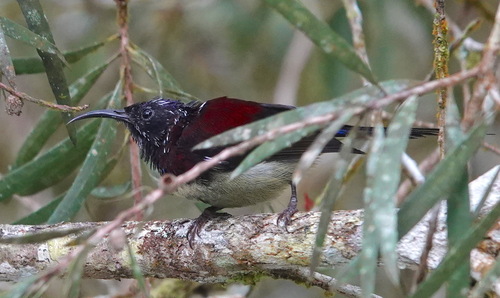
ムナグロタイヨウチョウ (Aethopyga saturata) ムナグロタイヨウチョウ
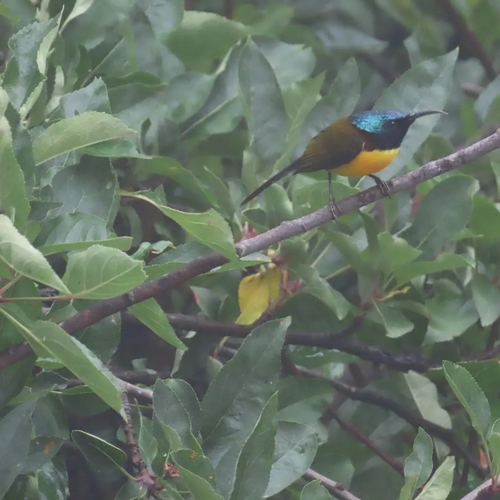
ミドリオタイヨウチョウ (Aethopyga nipalensis) ミドリオタイヨウチョウ

メディア

読み込み中…

要点

ブラックスロートタイヨウチョウとミドリオタイヨウチョウをフィールドで分ける最も信頼できる方法は、特に緑の尾の有無と背中の色に注目して、それぞれの特徴的な羽毛の特徴に焦点を当てることです。ブラックスロートタイヨウチョウはミドリオタイヨウチョウの明るい緑の尾と黄色い背中を欠いており、代わりに暗く、対照的でない羽毛を示します。両種はヒマラヤや東南アジアの山地の森林で重なることがあるため、文脈だけでは常に十分ではありません。構造的な違いは微妙で、サイズも非常に似ているため、特に混合種の群れでは色のパターンに注意を払うことが重要です。

識別のコツ

  1. 緑の尾(全ての年齢): ミドリオタイヨウチョウだけが明確に緑の尾を示し、ブラックスロートタイヨウチョウの尾は暗く、緑の色調がありません。これは全ての羽毛で最も有用なフィールドマークです。
  2. 黄色い背中(成鳥オス): 成鳥オスのミドリオタイヨウチョウは明るい黄色の背中を持ち、羽毛の残りと対照的です。ブラックスロートタイヨウチョウはこれを欠いており、上面が暗く見えます。
  3. 黒い喉(成鳥オス): ブラックスロートタイヨウチョウのオスは固体の黒い喉を持っていますが、ミドリオタイヨウチョウのオスはこの特徴を示しません。
  4. 全体の暗さ: ブラックスロートタイヨウチョウは一般的にミドリオタイヨウチョウよりも暗く、対照的でないです、特に上面で。
  5. 雌/幼鳥の混乱: 両種の雌と幼鳥は難しいことがありますが、ミドリオタイヨウチョウの背中と尾に緑または黄色の色調があるかどうかを探してください;ブラックスロートはより地味で暗いままです。
  6. 生息地の文脈: 非常に高い標高(3000 m以上)では、ミドリオタイヨウチョウの方が可能性が高いですが、両種はこの下の山地の森林で一緒に発生することがあります。
  7. 採餌行動: 両種は同様に採餌するため、行動に頼って分けないでください。
  8. サイズ: 両者は同じくらい小さく、繊細です;サイズを分けるために使用しないでください。
  9. 混合群れ: 混合種の群れでは、ミドリオタイヨウチョウを見つけるために緑の尾と黄色の背中を注意深くスキャンしてください。
  10. 照明の落とし穴: 照明が悪い場合、ミドリオタイヨウチョウの緑の尾と黄色の背中は見えにくいかもしれません;複数の角度と視点を試してください。
  11. 特徴的な翼のパターンなし: 両種とも分けるためのユニークな翼や飛行パターンを示さないため、体と尾の色に焦点を当ててください。
  12. 声: これらのメモには音声の違いは記載されていません;分けるために呼び声や歌に頼らないでください。
  13. 地理的重複: 両種はネパールや東ヒマラヤで一緒に発生することがあるため、場所だけで種を仮定しないでください。
  14. 季節的移動: 分けるのに役立つ季節的な羽毛や移動の違いは記載されていません。
  15. 性差: オスは色で分けるのが簡単ですが、雌と幼鳥は尾と背中の色を注意深く調べる必要があります。

大きさ

ブラックスロートタイヨウチョウの記録された体重は5.3 g [wikidata]で、これは小型のタイヨウチョウに典型的です。これらのメモにはミドリオタイヨウチョウの直接的な質量データはありませんが、両種はサイズが似ており、フィールドでの体重や長さで信頼できる分け方はできません。両者はAethopygaタイヨウチョウに典型的な細長く、繊細な体型を持っています。

羽色

利用可能なメモには、どちらの種についても年齢特有の翼や飛行のマークは記載されていないため、分けるためには体と尾の色に依存します。成鳥オスのミドリオタイヨウチョウは明るい緑の尾と黄色の背中で際立っており、良い光の中で目立ちます。ブラックスロートタイヨウチョウは緑の尾と黄色の背中の両方を欠いており、代わりに暗く、より均一な上面と黒い喉を示します。両種の雌と幼鳥はそれほど目立ちませんが、ミドリオタイヨウチョウは背中と尾にいくらかの黄色または緑がかった色調を示す傾向がありますが、ブラックスロートは全体的により地味で暗いままです。全ての羽毛において、緑の尾の存在はミドリオタイヨウチョウの強い指標です。

行動

両種は同様に行動し、花や葉の間で活発に採餌し、しばしば中層から上層の樹冠で見られます。彼らは敏捷で、頻繁にホバリングし、混合種の群れに参加することがあります。フィールドで彼らを信頼できるように分けるための明確な行動の違いは記載されていません。

生息環境

両種は亜熱帯または熱帯の湿った山地の森林に生息し、しばしばヒマラヤや東南アジアの一部で重なります。しかし、ミドリオタイヨウチョウはより高い標高(雲南で3350メートルまで確認)に関連付けられ、苔むした木のある開けた山の森で見られることがありますが、ブラックスロートタイヨウチョウはより広範囲に分布し、低標高の森林も含まれます。重複する地域では、生息地だけでは信頼できる分け方にはならず、最も高い標高ではミドリオタイヨウチョウの方が可能性が高いです。

より良い説明を送る

比較と同じ項目を使ってください。文章はすぐに公開されます。

The most reliable way to separate Black-throated Sunbird from Green-tailed Sunbird in the field is by focusing on their distinctive plumage features, especially the presence or absence of a green tail and the color of the back. Black-throated Sunbird lacks the bright green tail and yellow back of Green-tailed Sunbird, instead showing darker, less contrasting plumage. Both species can overlap in montane forests of the Himalayas and Southeast Asia, so context alone is not always sufficient. Structural differences are subtle, and size is very similar, so careful attention to color pattern is essential, especially in mixed-species flocks.

  1. Green tail (all ages): Only Green-tailed Sunbird shows a distinctly green tail; Black-throated Sunbird's tail is dark and lacks green tones. This is the single most useful field mark in all plumages.
  2. Yellow back (adult male): Adult male Green-tailed Sunbird has a bright yellow back, contrasting with the rest of the plumage. Black-throated Sunbird lacks this and appears darker above.
  3. Black throat (adult male): Black-throated Sunbird males have a solid black throat, while Green-tailed Sunbird males do not show this feature.
  4. Overall darkness: Black-throated Sunbird is generally darker and less contrasting than Green-tailed Sunbird, especially on the upperparts.
  5. Female/immature confusion: Females and immatures of both species can be tricky, but look for any green or yellow tones on the back and tail for Green-tailed Sunbird; Black-throated remains plainer and darker.
  6. Habitat context: At very high elevations (above 3000 m), Green-tailed Sunbird is more likely, but both can occur together in montane forests below this.
  7. Foraging behavior: Both species forage similarly, so do not rely on behavior for separation.
  8. Size: Both are equally small and delicate; do not use size as a separator.
  9. Mixed flocks: In mixed-species flocks, scan carefully for the green tail and yellow back to pick out Green-tailed Sunbird.
  10. Lighting pitfalls: In poor light, the green tail and yellow back of Green-tailed Sunbird may be hard to see; try to get multiple angles and views.
  11. No distinctive wing pattern: Neither species shows a unique wing or flight pattern for separation, so focus on body and tail coloration.
  12. Voice: No vocal differences are described in these notes; do not rely on calls or song for separation.
  13. Geographic overlap: Both species can occur together in Nepal and the eastern Himalayas, so do not assume species based on location alone.
  14. Seasonal movement: No seasonal plumage or movement differences are noted that would aid separation.
  15. Sex differences: Males are easier to separate by color; females and immatures require careful scrutiny of tail and back color.

Black-throated Sunbird has a recorded body mass of 5.3 g [wikidata], which is typical for small sunbirds. There is no direct mass data for Green-tailed Sunbird in these notes, but both species are similar in size and would not be reliably separated by bulk or length in the field. Both have the slender, delicate build typical of Aethopyga sunbirds.

No age-specific wing or flight marks are described for either species in the available notes, so separation relies on body and tail coloration. Adult male Green-tailed Sunbird is distinctive with a bright green tail and a yellow back, making it stand out in good light. Black-throated Sunbird lacks both the green tail and yellow back, instead showing darker, more uniform upperparts and a black throat. Females and immatures of both species are less striking, but Green-tailed Sunbird still tends to show some yellow or greenish tones on the back and tail, while Black-throated remains plainer and darker overall. In all plumages, the presence of a green tail is a strong indicator of Green-tailed Sunbird.

Both species behave similarly, foraging actively among flowers and foliage, often in the mid to upper canopy. They are agile, hover frequently, and may join mixed-species flocks. There are no clear behavioral differences noted that would reliably separate them in the field.

Both species occur in subtropical or tropical moist montane forests, often overlapping in the Himalayas and parts of Southeast Asia. However, Green-tailed Sunbird is more associated with higher elevations (noted up to 3350 meters in Yunnan), and can be found in open mountain woods with mossy trees, while Black-throated Sunbird ranges more broadly, including lower elevation forests. In areas of overlap, habitat alone is not a reliable separator, but at the highest elevations, Green-tailed Sunbird is more likely.

変更を破棄しますか?

保存していない編集があります。今離れると失われます。

ムナグロタイヨウチョウ · ミドリオタイヨウチョウ · 苦手な鳥