

Motmot

ズグロチャキンチョウ 対 チャキンチョウ

Emberiza melanocephala 対 Emberiza bruniceps

ズグロチャキンチョウとチャキンチョウのクイズ
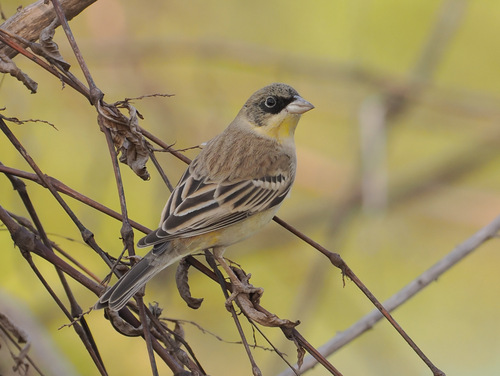
ズグロチャキンチョウ (Emberiza melanocephala) ズグロチャキンチョウ
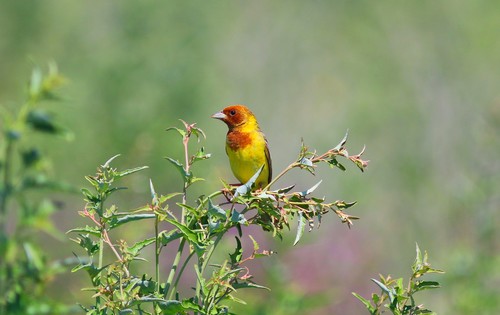
チャキンチョウ (Emberiza bruniceps) チャキンチョウ

メディア

読み込み中…

要点

ズグロチャキンチョウとチャキンチョウの識別は、成鳥の繁殖期のオスでは簡単ですが、雌や幼鳥では特に繁殖期以外は非常に難しい場合があります。最も信頼できるフィールドマークは成鳥のオスの頭の色です:ズグロチャキンチョウは真っ黒なフードを持ち、チャキンチョウは茶色がかった赤い頭を持っています。雌や幼鳥の場合、頭頂の縞模様、腹部の色、頬のコントラストの微妙な違いを探しますが、重複や不確実性があることを期待してください。両種は構造と行動が似ており、ほとんどのフィールド状況では羽毛の詳細によってのみ信頼できる識別が可能です。

識別のコツ

  1. Adult male head color (breeding season): ズグロチャキンチョウのオスは固体の黒いフードを持ち、チャキンチョウのオスは茶色がかった赤い頭と顔を持っています。これは、目に見えるときに最も信頼できるフィールドマークです。
  2. Upperparts in adult males: ズグロチャキンチョウは栗色の背中を持ち、チャキンチョウは緑がかった上面を持っています。良い光の下で確認してください。
  3. Underparts in adult males: 両種は明るい黄色の腹部を持っているため、これは診断的ではありません。
  4. Female and juvenile vent color: 幼鳥と雌のズグロチャキンチョウは黄色の腹部を持つ傾向があり、チャキンチョウではそれがあまり目立たないか、存在しません。重複があるため、注意して使用してください。
  5. Cheek vs throat contrast (juveniles): 幼鳥のズグロチャキンチョウは頬が喉よりも暗いことが多く、チャキンチョウの幼鳥はコントラストが少ないです。これは微妙で、近くで見る必要があります。
  6. Crown streaking (first-year females): 初年度の雌のズグロチャキンチョウは、下背部よりも頭頂により多くの縞模様があります。チャキンチョウの雌はより地味です。これは小さなマークで、フィールドで使用するのは難しいです。
  7. First-year male crown: ズグロチャキンチョウの初年度のオスは、栗色と灰色の背中を持つ灰色の頭頂を示し、チャキンチョウの初年度のオスはコントラストが少ないです。再度、微妙で、近くで見るのが最適です。
  8. Overall drabness in females/immatures: 両種の雌と幼鳥は地味で、色あせた黄色の腹部と灰褐色の背中を持っています。非常に似ており、安全に識別できないことが多いです。
  9. Hybrid zone caution: イラン北部および隣接地域では、ハイブリッドが頻繁に見られ、混合特徴を示すことがあり、識別が不確実になります。
  10. Size and structure: 両種はサイズと形が似ており、長い尾と典型的なチャキンチョウの構造を持っています。サイズは安全な識別要因ではありません。
  11. Habitat and range: ズグロチャキンチョウはより西側(南東ヨーロッパからイラン)に生息し、チャキンチョウはより東側(中央アジア)に生息します。冬には両種がインドに生息するため、範囲は常に役立つわけではありません。
  12. Song and call: 歌と鳴き声は似ており、ほとんどのバーダーには信頼できる識別ができません。
  13. Flight views: どの年齢でも特有の翼や飛行パターンの違いは記載されておらず、飛行中の識別は羽毛の詳細に依存します。
  14. Context: 群れで見られた場合、成鳥のオスを確認して種を確認してください。雌と幼鳥はしばしば識別できません。
  15. When in doubt: 非繁殖羽毛の場合や雌/幼鳥の場合、多くの個体はフィールドで種を自信を持って識別できません。

大きさ

ズグロチャキンチョウはわずかに重い(28g対24g)ですが、実際にはチャキンチョウよりも少し短い(15 cm対17 cm)です。両種は長い尾を持ち、ヨシキリよりも大きいですが、サイズの違いは微妙でフィールドでは信頼できません。構造と比率は非常に似ているため、サイズは有用な識別要因ではありません。

羽色

成鳥の繁殖期のオスでは、ズグロチャキンチョウは黒いフード、明るい黄色の腹部、栗色の背中で間違いなく識別でき、チャキンチョウのオスは茶色がかった赤い頭、緑がかった上面、同様に明るい黄色の腹部を持っています。両種の雌と幼鳥は地味で、色あせた黄色の腹部と灰褐色の背中を持っています。幼鳥のズグロチャキンチョウは黄色の腹部と喉よりも暗い頬を持つ傾向があり、チャキンチョウの幼鳥は頬のコントラストが少なく、腹部の色はあまり信頼できる黄色ではありません。ズグロチャキンチョウの初年度のオスは、栗色と灰色の背中を持つ灰色の頭頂を示し、初年度の雌は下背部よりも頭頂により多くの縞模様があります。これらの詳細は微妙で、しばしば近くで見る必要があります。両種の雌と幼鳥は非常に似ており、ハイブリッドは範囲の重複地域で発生します。

行動

両種はオープンな草地や農業地域で群れで採餌し、主に種子を食べますが、幼鳥に餌を与えるときは例外です。彼らはしばしば低く飛んでいるか、茂みに止まっているのが見られます。フィールド識別に役立つ行動の違いはありません。

生息環境

ズグロチャキンチョウは南東ヨーロッパからイランで繁殖し、オープンな草地を好み、チャキンチョウは中央アジアのカザフスタン、モンゴル、西部中国などでさらに東で繁殖し、通常はオープンな低木や農地で繁殖します。両種は主にインドで冬を越します。範囲の重複地域(特にイラン北部)では、両種とハイブリッドが一緒に発生することがあり、ハビタットは弱い診断的です。

声

両種は似たような鳴き声を持っています:ズグロチャキンチョウの単音または柔らかい「ズリット」と、チャキンチョウのぎこちない「スイート・スイート・チュリ・チュリ・チュリ」という歌。歌はほとんどの観察者にはフィールドで信頼できる識別ができず、鳴き声は自信を持って識別するには十分に特異ではありません。

より良い説明を送る

比較と同じ項目を使ってください。文章はすぐに公開されます。

Separating Black-headed and Red-headed Buntings is straightforward in adult breeding males, but can be extremely challenging in females and immatures, especially outside the breeding season. The most reliable field mark is the head color in adult males: Black-headed Bunting shows a jet-black hood, while Red-headed Bunting has a brownish-red head. For females and juveniles, look for subtle differences in crown streaking, vent color, and cheek contrast, but expect overlap and uncertainty. Both species are similar in structure and behavior, and can only be reliably separated by plumage details in most field situations.

  1. Adult male head color (breeding season): Black-headed Bunting males have a solid black hood; Red-headed Bunting males have a brownish-red head and face. This is the most reliable field mark when visible.
  2. Upperparts in adult males: Black-headed shows a chestnut back; Red-headed has greenish upperparts. Check for this in good light.
  3. Underparts in adult males: Both species have bright yellow underparts, so this is not diagnostic.
  4. Female and juvenile vent color: Juvenile and female Black-headed Buntings tend to have a yellow vent, which is less pronounced or absent in Red-headed. Use with caution, as overlap exists.
  5. Cheek vs throat contrast (juveniles): Juvenile Black-headed Buntings often show cheeks darker than the throat; Red-headed juveniles have less contrast. This is subtle and requires close views.
  6. Crown streaking (first-year females): First-year female Black-headed Buntings have more streaking on the crown than on the lower back; Red-headed females are plainer. This is a minor mark and hard to use in the field.
  7. First-year male crown: Black-headed Bunting first-year males show a grey crown with chestnut and grey on the back; Red-headed Bunting first-year males are less contrasting. Again, subtle and best seen at close range.
  8. Overall drabness in females/immatures: Both species' females and juveniles are dull, with washed-out yellow underparts and grey-brown backs. They are extremely similar and often not safely separable.
  9. Hybrid zone caution: In northern Iran and adjacent areas, hybrids are frequent and may show mixed features, making identification unreliable.
  10. Size and structure: Both species are similar in size and shape, with long tails and typical bunting structure. Size is not a safe separator.
  11. Habitat and range: Black-headed Bunting is more westerly (southeast Europe to Iran); Red-headed is more easterly (central Asia). In winter, both occur in India, so range is not always helpful.
  12. Song and call: Songs and calls are similar and not reliably separable for most birders.
  13. Flight views: No distinctive wing or flight pattern differences are described for any age; separation in flight relies on plumage details if visible.
  14. Context: If seen in flocks, check for adult males to help confirm species, as females and juveniles are often inseparable.
  15. When in doubt: In non-breeding plumage, or with females/juveniles, many individuals cannot be confidently identified to species in the field.

Black-headed Bunting averages slightly heavier (28g vs 24g) but is actually a bit shorter (15 cm vs 17 cm) than Red-headed Bunting. Both have long tails and are larger than Reed Bunting, but the size difference is subtle and not reliable in the field. Structure and proportions are very similar between the two, so size is not a useful separator.

In adult breeding males, Black-headed Bunting is unmistakable with its black hood, bright yellow underparts, and chestnut back, while Red-headed Bunting males have a brownish-red head, greenish upperparts, and similarly bright yellow underparts. Females and juveniles of both species are drab, with washed-out yellow underparts and grey-brown backs. Juvenile Black-headed Buntings tend to have a yellow vent and cheeks that are darker than the throat, while Red-headed Bunting juveniles have less cheek contrast and the vent color is less reliably yellow. First-year males of Black-headed Bunting show a grey crown with chestnut and grey on the back, while first-year females have more crown streaking than on the lower back; these details are subtle and often require close views. Both species' females and immatures are extremely similar, and hybrids occur in areas of range overlap.

Both species forage in flocks in open grasslands or agricultural areas, feeding mostly on seeds except when feeding young. They are often seen perched on bushes or flying low over fields. There are no behavioral differences that are useful for field identification.

Black-headed Bunting breeds from southeast Europe to Iran, favoring open grasslands, while Red-headed Bunting breeds further east in central Asia, including Kazakhstan, Mongolia, and western China, typically in open scrub and agricultural land. Both winter mainly in India. In areas of range overlap (notably northern Iran), both species and hybrids may occur together, making habitat only weakly diagnostic.

Both species have similar calls: a single note or soft 'zrit' in Black-headed, and a jerky 'sweet-sweet-churri-churri-churri' song in Red-headed. The songs are not reliably separable in the field for most observers, and calls are not distinctive enough for confident identification.

変更を破棄しますか?

保存していない編集があります。今離れると失われます。

ズグロチャキンチョウ · チャキンチョウ · 苦手な鳥