

クロライチョウ 対 クロヅル
Lyrurus tetrix 対 Grus grus
クロライチョウとクロヅルのクイズ
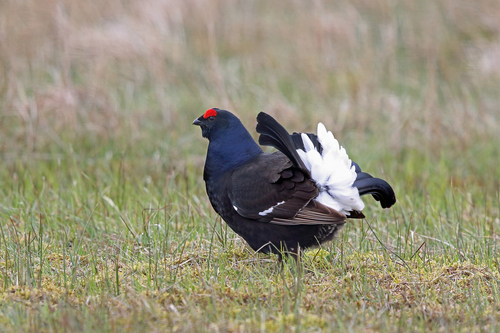 クロライチョウ
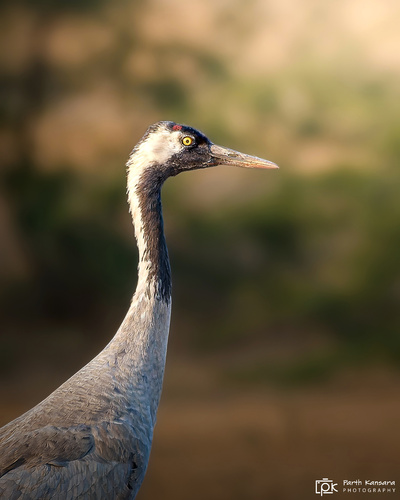 クロヅル
要点
The most reliable field mark to separate Black Grouse from Common Crane is overall structure and flight silhouette: Black Grouse is a heavy-bodied, short-necked, broad-winged gamebird with a short, lyre-shaped tail, while Common Crane is a tall, long-necked, long-legged bird with a huge wingspan and straight trailing legs. In flight, Black Grouse shows a compact, rounded form with white wing bars and short tail, whereas Common Crane is unmistakably lanky, with slow, deep wingbeats, outstretched neck, and trailing legs. Even at a distance or in poor light, the difference in proportions and flight style is striking. Juvenile plumages are not easily confused due to these structural differences, but note that both species can appear greyish-brown when young. If seen on the ground, the Black Grouse's squat, chicken-like posture and the male's lyre-shaped tail contrast strongly with the upright, stately stance of the Common Crane.
識別のコツ
- Flight silhouette is diagnostic: Black Grouse is compact, with short neck and tail, broad wings, and no visible legs in flight. Common Crane is long-necked, with legs trailing far beyond the tail and a huge wingspan. This works for all ages and seasons.
- Size difference: Cranes are much larger—up to six times heavier and twice as long as Black Grouse. Even distant birds show this size gap.
- Neck and legs: Black Grouse has a short, thick neck and no visible legs in flight or on the ground. Common Crane has a very long neck and legs, both obvious in all postures and especially in flight.
- Tail shape: Male Black Grouse has a distinctive lyre-shaped tail, fanned during display. Female is short-tailed and rounded. Cranes have a straight, short tail, always with long legs trailing behind.
- Wing pattern: Black Grouse (both sexes) shows a bold white wing bar in flight. Common Crane has uniformly grey wings with black primaries—no white bar.
- Plumage color: Adult male Black Grouse is glossy black with blue sheen and white undertail; female is cryptic brown. Common Crane is slate-grey with a white face stripe and red crown in adults; juveniles are browner but never black or barred like grouse.
- Bill shape: Black Grouse has a short, stout, chicken-like bill. Common Crane has a long, straight, pointed bill, visible even at a distance.
- Posture on ground: Black Grouse is squat and chicken-like, often sitting low. Common Crane stands tall and upright, towering over any grouse.
- Display behavior: Black Grouse males display on leks with fanned tails and bubbling calls. Common Crane displays with leaping dances and loud trumpeting.
- Habitat: Black Grouse is found in moorland, steppe, and forest edge, rarely far from cover. Common Crane prefers open wetlands, marshes, and fields, often in large flocks.
- Vocalization: Black Grouse gives a soft, bubbling coo; Common Crane gives a loud, trumpeting bugle.
- Flock size and context: Black Grouse usually seen singly or in small groups (except at leks); Common Crane often in large, conspicuous flocks, especially in migration.
- Juvenile confusion: Juvenile Black Grouse is mottled brown but still compact and short-tailed. Juvenile Common Crane is browner than adult but always tall, long-necked, and long-legged.
- Seasonal context: Black Grouse is sedentary year-round; Common Crane is migratory, so large flocks in flight are almost always cranes.
- Legs in flight: Black Grouse never shows legs trailing beyond the tail; Common Crane always does—this is a key mark even at great distance.
大きさ
Black Grouse is a large grouse but dwarfed by the Common Crane. Black Grouse males weigh around 1050 g and reach about 60 cm in length, while females are smaller. In contrast, Common Crane is truly massive: 100–130 cm long, with a wingspan of 180–240 cm, and weighs 3–6.1 kg—roughly three to six times heavier than a Black Grouse. Even at a distance, the crane's sheer size, long neck, and legs are obvious, especially in flight where the wingspan can exceed 2 meters. Black Grouse never shows the elongated, stilt-like legs or long neck of a crane.
羽色
Juvenile and adult Black Grouse and Common Crane are not easily confused by plumage alone, but context and structure are key. Black Grouse males are glossy black with blue sheen, bold white wing bars, and a lyre-shaped tail; females are cryptic brown and barred, lacking the white wing bar but still compact and short-tailed. In flight, both sexes show a broad white wing stripe. Juvenile Black Grouse are mottled brown but retain the short, rounded wings and tail. Common Crane adults are overall slate-grey with black primaries, a white face stripe, and a red crown patch; juveniles are browner, lack the white face and red crown, and do not have the drooping wing plumes of adults. In all ages, cranes have long necks and legs, and in flight show black wingtips and trailing legs. There is no white wing bar in cranes. Even young cranes, though browner, are much taller and lankier than any grouse.
行動
Black Grouse is a ground-dwelling, sedentary bird, often seen walking or feeding in open moorland or perched in trees in winter. Males display on leks with fanned lyre tails and puffed necks. Flight is usually low, fast, and direct, with rapid wingbeats and short glides. Common Crane is highly migratory, often seen in flocks flying high in V-formation or feeding in open wetlands and fields. On the ground, cranes are upright, walking slowly with deliberate steps. Their flight is slow and graceful, with steady, deep wingbeats, outstretched neck, and trailing legs. Cranes also perform elaborate dancing displays with leaps and wing-flapping.
生息環境
Black Grouse prefers moorland, steppe, and forest edge habitats, often near dense cover or coniferous woodland. They are rarely seen far from cover and are most often encountered in upland or boreal regions. Common Crane favors wetlands, marshes, and large open fields, especially during migration and winter. They nest near shallow water with dense vegetation. Cranes are more likely to be seen in large, open landscapes, often in flocks, while Black Grouse is usually found singly or in small groups, except at leks.
声
Black Grouse males produce a bubbling, cooing song during display, which is low-pitched and carries over the lek. Females are quieter. Common Crane has a loud, trumpeting call, often given in flight or during display; it is piercing and can be heard from a great distance. The two species' voices are completely different: Black Grouse is soft and bubbling, while Common Crane is loud, resonant, and bugling.