

Motmot

カオグロカササギビタキ 対 オーストラリアメンガタカササギビタキ

Monarcha melanopsis 対 Symposiachrus trivirgatus

カオグロカササギビタキとオーストラリアメンガタカササギビタキのクイズ
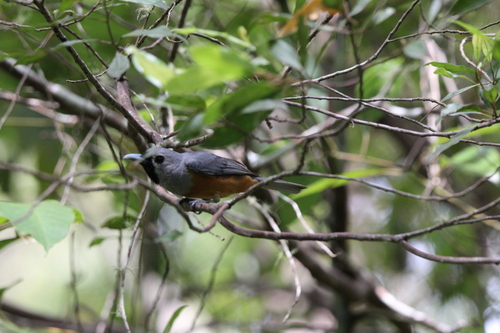
カオグロカササギビタキ (Monarcha melanopsis) カオグロカササギビタキ
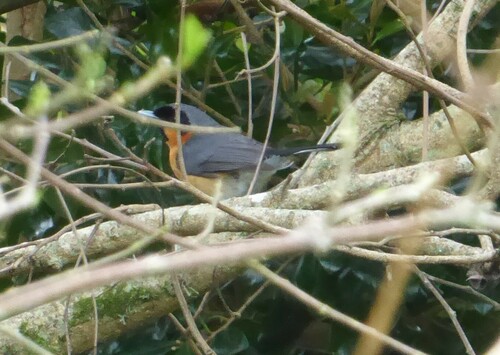
オーストラリアメンガタカササギビタキ (Symposiachrus trivirgatus) オーストラリアメンガタカササギビタキ

メディア

読み込み中…

要点

カオグロカササギビタキとオーストラリアメンガタカササギビタキを区別する最も信頼できる方法は、顔の模様に注目することです:カオグロカササギビタキは特徴的な黒い顔のマスクを示し、オーストラリアメンガタカササギビタキは淡い眼鏡またはアイリングを持ち、固体の黒いマスクがありません。両種はオーストラリア東部とニューギニアの重複する生息地に生息することがあり、どちらもサイズと形が似たカササギビタキ科の鳥であるため、顔の模様に細心の注意を払うことが重要です。幼鳥や未熟な羽毛については利用可能な情報が詳細ではないため、成鳥と年齢の高い未熟な個体は顔の模様によって最も信頼性高く区別されます。構造と一般的な色合いは似ているため、誤認識は微妙だが診断的な顔のコントラストを見落とすことからしばしば生じます。

識別のコツ

  1. Face pattern is diagnostic in adults: カオグロカササギビタキは常に顔を覆う固体の黒いマスクを示し、オーストラリアメンガタカササギビタキは淡い眼鏡またはアイリングを持ち、黒いマスクがありません。これはすべての可視羽毛において最も信頼できる特徴です。
  2. Check the lores and cheeks: カオグロカササギビタキでは、黒いマスクがロアと目の周りに広がり、フードのような外観を与えます。オーストラリアメンガタカササギビタキでは、ロアは淡く、淡い眼鏡が特に近距離で明らかです。
  3. Crown and nape color: 両種は灰色または青灰色の冠を持っていますが、カオグロカササギビタキではこれが黒いマスクと鋭く対比し、オーストラリアメンガタカササギビタキでは移行がより緩やかで、顔全体がより淡いです。
  4. Underparts color is similar: 両種はオレンジ色または赤褐色の腹部を持っているため、これは信頼できる区別にはなりません。
  5. Upperparts and wings: 両種は上面が灰色で、どちらの種にも強い対比や翼の模様は見られません;翼の模様に頼って区別しないでください。
  6. Juvenile/immature separation is uncertain: 未熟または幼鳥の翼や顔の模様に関する詳細な情報は利用できないため、若い鳥には注意が必要です。顔の模様が見えるときは使用しますが、非常に若い鳥はあまり特徴的でない可能性があることに注意してください。
  7. Bill and structure: 両種はカササギビタキに典型的な形とサイズの類似したくちばしを持っています;くちばしの構造を区別に使用しないでください。
  8. Perched vs. in flight: 両種はしばしば直立してとまり、昆虫を捕まえるために飛び出します。顔の模様は、近距離でとまっているときと飛んでいるときの両方で見えます。
  9. Habitat overlap: 両種はオーストラリア東部とニューギニアの同じ森林や林地に生息することがあるため、識別のために生息地だけに頼らないでください。
  10. Seasonal movement: カオグロカササギビタキはオーストラリアの冬(5月〜8月)にニューギニアに移動しますが、オーストラリアメンガタカササギビタキもニューギニアに存在するため、タイミングは信頼できる区別にはなりません。
  11. Voice not described: 利用可能な情報には区別できる鳴き声の詳細はありません;呼び声や歌に頼って区別しないでください。
  12. Sexes similar: 両種は羽毛において性別が同じであるため、識別に性別を使用しないでください。
  13. Size is not helpful: 両種は中型のカササギで、比例が似ているため、サイズを主要なフィールドマークとして使用しないでください。
  14. Common pitfalls: 主な混乱は、特に光が悪い場合や距離がある場合に顔の模様を見落とすことから生じます。常に黒いマスクの有無を確認してください。
  15. When in doubt: 顔がはっきり見えない場合は注意し、一般的な色合いや生息地だけに基づいて確定的な識別を避けてください。

大きさ

カオグロカササギビタキの記録された体重は23g [wikidata]ですが、オーストラリアメンガタカササギビタキの直接的な測定値は利用できませんが、両種は中型のカササギビタキであり、フィールドでサイズが似ているように見えます。フィールドでの区別を助ける強いサイズの違いを示す証拠はありません。

羽色

両種の成鳥の羽毛は、顔によって最も信頼性高く区別されます:カオグロカササギビタキはロア、頬、しばしば喉を覆う固体の黒いマスクを示し、淡い灰色または青灰色の冠と後頭部と鋭く対比します。対照的に、オーストラリアメンガタカササギビタキはこのマスクがなく、代わりに一般的に淡い顔に対して目立つ淡い眼鏡またはアイリングを持っています。両種の幼鳥や未熟な上翼の模様に関する詳細な情報は利用できないため、飛行中の区別は顔の模様と全体の色合いに依存します。両種は灰色の上面とオレンジ色または赤褐色の腹部を持っていますが、顔の模様がすべての羽毛において重要なフィールドマークです。

行動

両種は活発で昆虫食性のカササギビタキであり、森林や林地の中層から上層を移動し、しばしば昆虫を捕まえるために飛び出します。彼らの採餌行動と飛行スタイルは非常に似ており、フィールドで信頼できる診断にはなりません。

生息環境

両種はオーストラリア東部とニューギニアに生息し、しばしば湿った森林、林地、マングローブなどの重複する生息地に見られます。オーストラリアメンガタカササギビタキはマングローブや低地の森林により密接に関連している可能性がありますが、カオグロカササギビタキも同様の環境に見られます。生息地だけでは重複する範囲での信頼できる区別にはなりません。

より良い説明を送る

比較と同じ項目を使ってください。文章はすぐに公開されます。

The most reliable way to separate Black-faced Monarch from Australian Spectacled Monarch is by focusing on the face pattern: Black-faced Monarch shows a distinctive black face mask, while Australian Spectacled Monarch has a pale spectacle or eyering, lacking the solid black mask. Both species can occur in overlapping habitats in eastern Australia and New Guinea, and both are Monarchidae flycatchers with similar size and shape, so close attention to facial markings is critical. Juvenile and immature plumages are not well detailed in available sources, so adults and older immatures are most reliably separated by face pattern. Structure and general coloration are similar, so misidentifications often result from overlooking the subtle but diagnostic facial contrast.

  1. Face pattern is diagnostic in adults: Black-faced Monarch always shows a solid black mask covering the face, while Australian Spectacled Monarch has a pale spectacle or eyering and lacks the black mask. This is the single most reliable mark in all visible plumages.
  2. Check the lores and cheeks: On Black-faced Monarch, the black mask extends through the lores and around the eye, giving a hooded look. On Australian Spectacled Monarch, the lores are pale and the pale spectacle is obvious, especially at close range.
  3. Crown and nape color: Both species have greyish or blue-grey crowns, but on Black-faced Monarch this contrasts sharply with the black mask, while on Australian Spectacled Monarch the transition is more gradual and the face is paler overall.
  4. Underparts color is similar: Both species have orangey or rufous underparts, so this is not a reliable separator.
  5. Upperparts and wings: Both are greyish above, with no strong contrast or wing markings noted for either species; do not rely on wing pattern for separation.
  6. Juvenile/immature separation is uncertain: No detailed information is available for immature or juvenile wing or face patterns, so caution is needed with young birds. Use face pattern when visible, but be aware that very young birds may be less distinctive.
  7. Bill and structure: Both species have similar bill shape and size, typical of monarch flycatchers; do not use bill structure for separation.
  8. Perched vs. in flight: Both species often perch upright and sally for insects. Face pattern is visible both perched and in flight at close range.
  9. Habitat overlap: Both can occur in the same forests and woodlands in eastern Australia and New Guinea, so do not rely on habitat alone for identification.
  10. Seasonal movement: Black-faced Monarch migrates to New Guinea in austral winter (May–August), but Australian Spectacled Monarch is also present in New Guinea, so timing is not a reliable separator.
  11. Voice not described: No distinguishing vocalizations are detailed in the available sources; do not rely on calls or song for separation.
  12. Sexes similar: Both species are sexually monomorphic in plumage; do not use sex for identification.
  13. Size is not helpful: Both are medium-sized monarchs with similar proportions; do not use size as a primary field mark.
  14. Common pitfalls: The main confusion arises from overlooking the face pattern, especially in poor light or at a distance. Always look for the presence or absence of the black mask.
  15. When in doubt: If the face is not clearly visible, be cautious and avoid making a firm identification based on general coloration or habitat alone.

Black-faced Monarch has a recorded body mass of 23g [wikidata], while no direct measurement is available for Australian Spectacled Monarch, but both are medium-sized monarch flycatchers and appear similar in size in the field. There is no evidence for a strong size difference that would aid field separation.

For both species, adult plumage is most reliably separated by the face: Black-faced Monarch shows a solid black mask that covers the lores, cheeks, and often the throat, sharply contrasting with a paler grey or blue-grey crown and nape. Australian Spectacled Monarch, in contrast, lacks this mask and instead has a pale spectacle or eyering that stands out against a generally paler face. No detailed information is available on juvenile or immature upperwing patterns for either species, so separation in flight relies on face pattern and overall coloration. Both species have greyish upperparts and orangey or rufous underparts, but the face pattern is the key field mark in all plumages described.

Both species are active, insectivorous flycatchers that move through the mid to upper levels of forest and woodland, often sallying out to catch insects. Their foraging behavior and flight style are very similar and not reliably diagnostic in the field.

Both species occur in eastern Australia and New Guinea, often in overlapping habitats such as moist forests, woodlands, and mangroves. Australian Spectacled Monarch may be more closely associated with mangroves and lowland forests, but Black-faced Monarch is also found in similar environments. Habitat alone is not a reliable separator where ranges overlap.

変更を破棄しますか?

保存していない編集があります。今離れると失われます。

カオグロカササギビタキ · オーストラリアメンガタカササギビタキ · 苦手な鳥