

Motmot

ゴイサギ 対 ニシアマサギ

Nycticorax nycticorax 対 Ardea ibis

ゴイサギとニシアマサギのクイズ
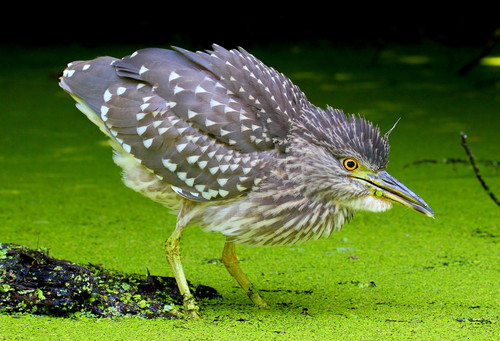
ゴイサギ (Nycticorax nycticorax) ゴイサギ
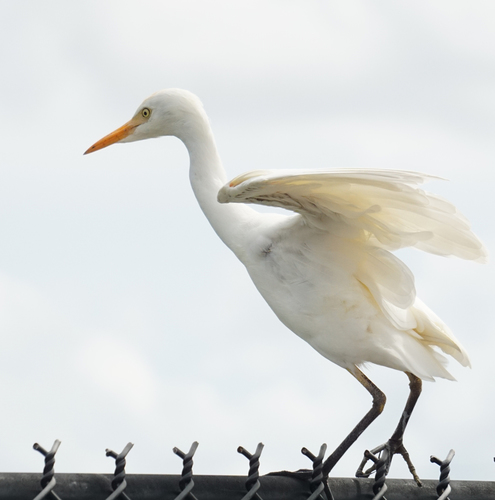
ニシアマサギ (Ardea ibis) ニシアマサギ

メディア

読み込み中…

要点

ゴイサギとニシアマサギの最も信頼できるフィールドマークは、成鳥のゴイサギに見られる黒い冠と背中であり、繁殖期以外のニシアマサギの全身が白いことです。未熟なゴイサギは茶色で、重い斑点がありますが、幼鳥のニシアマサギは暗いくちばしを持つ無地の白です。ゴイサギはずんぐりしていて首が短く、しばしば背を丸めているのに対し、ニシアマサギはより直立しており、頻繁に開けた野原で餌を探します。飛行中、ゴイサギは広く丸い翼と短い尾を示し、ニシアマサギはより長く狭い翼とよりアマサギのようなシルエットを持っています。足とくちばしの色も異なり、特に非繁殖期の鳥で顕著です。

識別のコツ

  1. Juvenile/immature plumage: 茶色で重い斑点や筋があるサギを見たら、それは幼鳥のゴイサギです。ニシアマサギの幼鳥は暗いくちばしを持つ無地の白です。
  2. Adult crown and back: 成鳥のゴイサギは、淡い灰色の翼と白い腹部と鋭く対照的なジェットブラックの冠と背中を持っています。ニシアマサギは繁殖期に短いオレンジバフの羽毛を除いて全身が白です。
  3. Bill color: 非繁殖期のニシアマサギは黄色いくちばしを持ち、ゴイサギは年間を通して黒っぽいくちばしを持っています。幼鳥のニシアマサギは黒いくちばしを持ち、ゴイサギの幼鳥はより淡い角のようなくちばしを持っています。
  4. Leg color: ゴイサギは黄色い足を持ち(繁殖期にはサーモンピンクに変わる);ニシアマサギは灰色がかった黄色の足を持ち、一時的に繁殖期に赤くなります。
  5. Eye color: 成鳥のゴイサギは目が鮮やかな赤色で、ニシアマサギは繁殖期のピーク時に一時的に赤くなることを除いて黄色い虹彩を持っています。
  6. Head plumes: 成鳥のゴイサギは繁殖期に長く細い白い頭の羽毛を示し、ニシアマサギは冠、背中、胸にオレンジバフの羽毛を持っています。
  7. Structure/posture: ゴイサギはずんぐりしていて、首と足が短く、しばしば背を丸めて見えます。ニシアマサギはより直立しており、相対的に長い首と足を持っています。
  8. Flight silhouette: ゴイサギは広く丸い翼と短い尾を持ち、飛行中にコンパクトな外観を与えます。ニシアマサギはより長く狭い翼を持ち、より伸びたアマサギのようなプロファイルを持っています。
  9. Behavior: ゴイサギは黄昏時や夜に最も活発で、日中はしばしば止まり木で休んでいます。ニシアマサギは日中に活動し、開けた野原で餌を探し、しばしば家畜と一緒にいます。
  10. Habitat: ゴイサギは水から遠くない場所にいることが少なく、ニシアマサギは乾燥した野原や牧草地でよく見られ、時には湿地から遠く離れています。
  11. Vocalizations: ゴイサギの厳しい「クオック」という鳴き声を聞いてください、特に黄昏時やコロニーで。ニシアマサギは通常、コロニーでの柔らかい「リックラック」を除いて静かです。
  12. Breeding season confusion: 両種は繁殖期に足とくちばしの色を変えますが、ニシアマサギだけが体にオレンジバフの羽毛を発達させます。ゴイサギの繁殖羽毛は長く白く、頭に制限されています。
  13. Second/third-year night herons: これらの鳥は頭の羽毛が欠けているかもしれませんが、依然として暗い冠と背中を示し、ニシアマサギとは異なります。
  14. Mixed colonies: 両者は他のサギと一緒に巣を作ることがありますが、彼らを区別するために生息地(水辺と野原の端)と構造を確認してください。
  15. Common pitfalls: 未熟なゴイサギは他の茶色のサギと間違えられることが多いですが、重い斑点や筋を確認すればニシアマサギとは決して間違えません。非繁殖羽毛のニシアマサギは全身が白く、暗いまたは模様のある部分はありません。

大きさ

ゴイサギはニシアマサギ(270–512g)よりも重い(体重約636g)です。ニシアマサギは長さ(46–56 cm)があり、翼幅(88–96 cm)が大きいですが、ゴイサギはより頑丈でコンパクトで、明確にずんぐりした体型と短い首と足を持っています。フィールドでは、ニシアマサギはしばしば背が高く、より細長く見えますが、ゴイサギはずんぐりしていて厚みがあります。

羽色

行動

ゴイサギは薄明かりまたは夜行性で、日中は水辺や木の中でじっとしていることが多いです。狩りをするときは首を伸ばしますが、そうでなければずんぐりして見えます。ニシアマサギは日中に活動し、開けた野原で活発に餌を探し、しばしば家畜やトラクターの後を追い、より地上性です。彼らの姿勢はより直立しており、ゴイサギよりも水辺で見られる可能性は低いです。

生息環境

ゴイサギは通常、水の近く—湖、川、湿地、または湿地—に見られ、しばしば木や密な植生の中で休んでいます。ニシアマサギはより地上性で、開けた草原、牧草地、農業用地で頻繁に見られ、水から遠く離れていることが多く、特に草食動物を追っているときにそうです。両者はコロニーで巣を作ることがありますが、ニシアマサギは水生生息地にあまり依存していません。

声

ゴイサギはコロニーで非常に騒がしく、「クオック」や「ウォック」のような厳しい吠える声を出します。ニシアマサギはコロニーから離れるとほとんど静かですが、繁殖地では静かで喉の奥から出る「リックラック」という声を出します。フィールドでは、ゴイサギははるかに聞かれる可能性が高いです。

より良い説明を送る

比較と同じ項目を使ってください。文章はすぐに公開されます。

The most reliable field mark between Black-crowned Night Heron and Western Cattle-Egret is the presence of a black crown and back on adult night herons, versus the all-white body of cattle egrets outside the brief breeding season. Immature night herons are brown and heavily spotted, while juvenile cattle egrets are plain white with a dark bill. Night herons are stockier and shorter-necked, often seen hunched, while cattle egrets are more upright and frequently forage in open fields. In flight, night herons show broad, rounded wings and a short tail, while cattle egrets have longer, narrower wings and a more egret-like silhouette. Leg and bill color also differ, especially in non-breeding birds.

  1. Juvenile/immature plumage: If you see a brown, heavily spotted/streaked heron, it's a juvenile Black-crowned Night Heron; cattle egret juveniles are plain white with a dark bill.
  2. Adult crown and back: Black-crowned Night Heron adults have a jet-black crown and back, sharply contrasting with pale grey wings and white underparts. Cattle egrets are all white except for brief orange-buff plumes in breeding season.
  3. Bill color: Non-breeding cattle egrets have a yellow bill; night herons have a blackish bill year-round. Juvenile cattle egrets have a black bill, while night heron juveniles have a paler, horn-colored bill.
  4. Leg color: Night herons have yellow legs (turning salmon-pink in breeding season); cattle egrets have greyish-yellow legs, briefly turning red in breeding.
  5. Eye color: Adult night herons have striking red eyes; cattle egrets have yellow irises except for a brief red flush in peak breeding.
  6. Head plumes: Adult night herons show long, slender white head plumes in breeding season; cattle egrets have orange-buff plumes on the crown, back, and breast.
  7. Structure/posture: Night herons are stocky, with a short neck and legs, and often appear hunched when perched. Cattle egrets are more upright, with a proportionally longer neck and legs.
  8. Flight silhouette: Night herons have broad, rounded wings and a short tail, giving a compact look in flight. Cattle egrets have longer, narrower wings and a more stretched, egret-like profile.
  9. Behavior: Night herons are most active at dusk or night, often roosting by day. Cattle egrets are active by day, foraging in open fields, often with livestock.
  10. Habitat: Night herons are rarely far from water; cattle egrets are commonly seen in dry fields and pastures, sometimes far from wetlands.
  11. Vocalizations: Listen for harsh 'quok' calls from night herons, especially at dusk or in colonies; cattle egrets are usually silent except for a soft 'rick-rack' at colonies.
  12. Breeding season confusion: Both species change leg and bill color in breeding, but only cattle egrets develop orange-buff plumes on the body; night herons' breeding plumes are long and white, restricted to the head.
  13. Second/third-year night herons: These birds may lack head plumes but still show a dark crown and back, unlike any cattle egret.
  14. Mixed colonies: Both may nest with other herons, but check for habitat (water vs field edge) and structure to separate them.
  15. Common pitfalls: Immature night herons are often mistaken for other brown herons, but never for cattle egrets if you note the heavy spotting and streaking. Cattle egrets in non-breeding plumage are all white and lack any dark or patterned areas.

Black-crowned Night Heron is heavier (body mass ~636g) than Western Cattle-Egret (270–512g). Cattle egrets are longer (46–56 cm) with a larger wingspan (88–96 cm), but night herons are more robust and compact, with a distinctly stocky build and shorter neck and legs. In the field, cattle egrets often look taller and more elongated, while night herons appear squat and thickset.

  • Juvenile/immature birds: Black-crowned Night Heron immatures are brownish with many pale teardrop-shaped spots on the upperparts and streaked underparts, plus orange eyes and dull yellow-green legs. Juvenile Western Cattle-Egrets are plain white overall with a black bill, lacking any spots or streaks.
  • Adults (non-breeding): Adult night herons have a black crown and back, pale grey wings, white underparts, red eyes, and yellow legs. Cattle egrets are all white with a yellow bill and greyish-yellow legs.
  • Adults (breeding): Night herons develop long white head plumes, and their legs turn salmon-pink with blue facial skin. Cattle egrets gain orange-buff plumes on crown, back, and breast, and their bill, legs, and irises briefly become bright red.
  • Second/third year night herons: These birds look increasingly like adults but lack the white head plumes and retain duller legs and eyes.

Black-crowned Night Herons are crepuscular or nocturnal, often seen hunched and motionless at water edges or roosting in trees during the day. They extend their necks when hunting but otherwise appear squat. Western Cattle-Egrets are diurnal, foraging actively in open fields, often following livestock or tractors, and are much more terrestrial. Their posture is more upright, and they are less likely to be seen at water margins than night herons.

Night herons are typically found near water—lakes, rivers, swamps, or wetlands—often roosting in trees or dense vegetation. Cattle egrets are more terrestrial, frequently seen in open grasslands, pastures, and agricultural fields, often far from water, especially when following grazing animals. Both may nest in colonies, sometimes with other herons, but cattle egrets are less tied to aquatic habitats.

Black-crowned Night Herons are very noisy at colonies, giving harsh, barking calls like 'quok' or 'woc.' Western Cattle-Egrets are mostly silent away from colonies, but at breeding sites they give a quiet, throaty 'rick-rack' call. In the field, night herons are much more likely to be heard.

変更を破棄しますか?

保存していない編集があります。今離れると失われます。

ゴイサギ · ニシアマサギ · 苦手な鳥