

Motmot

ハシグロカッコウ 対 オオワシ

Coccyzus erythropthalmus 対 Haliaeetus pelagicus

ハシグロカッコウとオオワシのクイズ
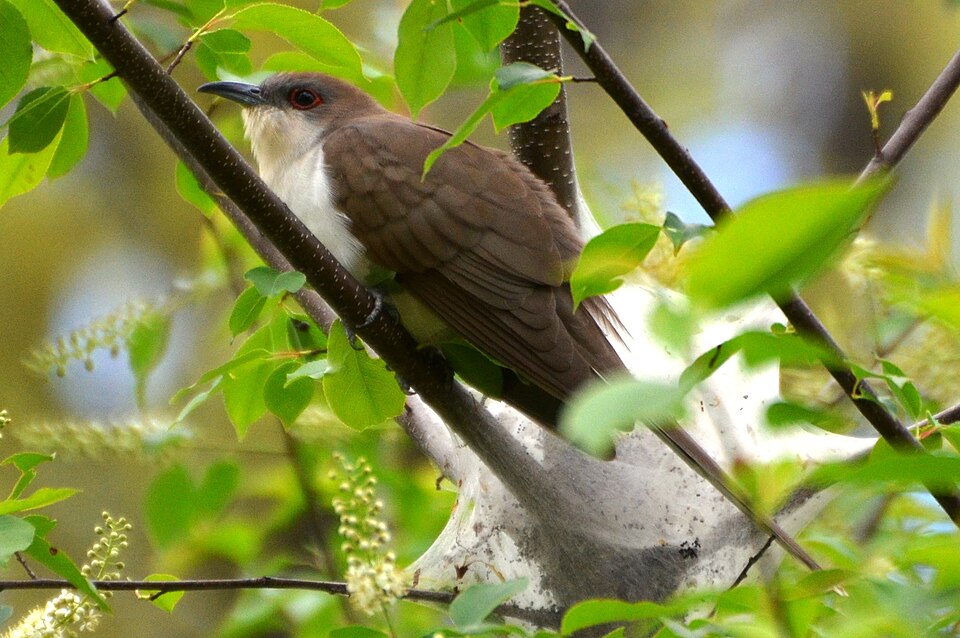
ハシグロカッコウ (Coccyzus erythropthalmus) ハシグロカッコウ
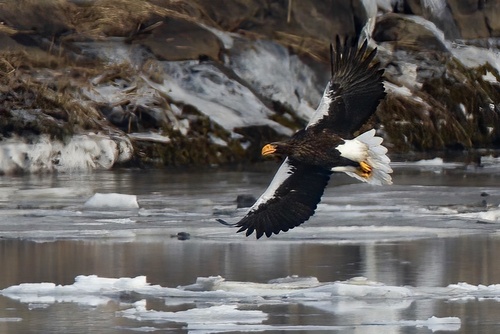
オオワシ (Haliaeetus pelagicus) オオワシ

メディア

読み込み中…

要点

ハシグロカッコウとオオワシを区別する最も信頼できる方法は、全体のサイズと構造によるものです:オオワシは巨大で重い体を持つ猛禽類で、大きな黄色いくちばしを持っていますが、ハシグロカッコウは細身で中型の歌鳥で、細い黒いくちばしを持っています。飛行中、オオワシは広くてパドル状の翼を持ち、目を引く白いパネル(成鳥の場合)を示しますが、ハシグロカッコウは長くて狭い翼と長いグラデーションのある茶色の尾を持っています。幼鳥のオオワシは均一に暗く、白い斑点のある尾を持っていますが、幼鳥のハシグロカッコウは成鳥よりも地味ですが、決してワシのような大きさや翼のパターンを示しません。遠くからでも、サイズと飛行スタイルの違いは明らかです。

識別のコツ

  1. Size: オオワシは巨大で、ハシグロカッコウの10〜20倍の質量があります。もしその鳥がワシのサイズに見えるなら、それはカッコウではありません。
  2. Bill color and shape: オオワシは巨大で厚い黄色いくちばしを持っています(幼鳥は黒っぽい);ハシグロカッコウは細くて黒い、わずかに下向きのくちばしを持っています。
  3. Tail shape and pattern: オオワシの成鳥の尾はダイヤモンド型で純白です;幼鳥は白い尾に黒い斑点があります。ハシグロカッコウは白がない長いグラデーションのある茶色の尾を持っています。
  4. Wing pattern (adult): オオワシの成鳥は肩と下翼の覆羽に大胆な白い斑点があり、飛行中や休んでいるときに見えます。ハシグロカッコウの翼は上面が無地の茶色で、時々幼鳥にルフスがありますが、白いパネルは決して示しません。
  5. Wing shape: オオワシの翼は広くてパドル状です;ハシグロカッコウの翼は長くて狭く、尖っています。
  6. Flight style: オオワシは遅くて力強い翼の羽ばたきで滑空し、グライドします;ハシグロカッコウは迅速で直接的な羽ばたきで飛び、めったに滑空しません。
  7. Orbital ring: 成鳥のハシグロカッコウは狭い赤い眼窩環を持っています(幼鳥は黄色);オオワシは成鳥のときは黄色い目を持ち、幼鳥のときは暗褐色ですが、色付きの眼窩環はありません。
  8. Leg and foot color: オオワシは黄色い足を持っています(幼鳥は白っぽい);ハシグロカッコウの足は目立たず、二趾前向き、二趾後ろ向きのジゴダクタイルです。
  9. Plumage contrast (juvenile): 幼鳥のオオワシは均一な暗茶色で、尾にわずかな淡い斑点があります;幼鳥のハシグロカッコウは地味な茶色で、時々翼にルフスがありますが、決してワシのように暗くて大きくはありません。
  10. Perched posture: オオワシは直立して止まり、しばしば目立ちます;ハシグロカッコウはより水平で、しばしば葉の中に隠れています。
  11. Habitat: オオワシは北東アジアの大きな水域の近くに見られます;ハシグロカッコウは北アメリカの森林や藪の中にいます。
  12. Context: 魚や水鳥を狩っているのを見た場合、または水の上を滑空している場合はオオワシです;密な葉の中で静かに餌を探している場合はハシグロカッコウです。
  13. Voice: 音からは診断できませんが、オオワシは厳しいワシの鳴き声を出します;ハシグロカッコウは柔らかく、繰り返しの「クークー」という声を持っています。
  14. Downy young: ハシグロカッコウのひなは白くてまばらな羽毛と複雑な口の構造を持っています;オオワシのひなは絹のように白く、茶色がかった灰色に変わりますが、これは野外で観察されることは稀です。
  15. Seasonality: オオワシはアジアの範囲で一年中生息または移動します;ハシグロカッコウは北アメリカで夏に繁殖します。

大きさ

オオワシは世界で最も大きな猛禽類の一つで、平均的な成鳥の質量は約6675グラムです [wikidata]。ハシグロカッコウは細身で中型の歌鳥で、質量は正確には示されていませんが、桁違いに小さいです。現場では、オオワシは巨大に見え、太い首、大きな頭、そして巨大なくちばしを持っていますが、ハシグロカッコウは細く、長い尾と繊細なプロポーションを持っています。遠くから見ても、ワシはどのカッコウよりもはるかに大きく、頑丈に見えます。

羽色

幼鳥と未熟なオオワシは主に均一な暗茶色で、尾にわずかな淡い斑点があり、頭と首に時折ストリーキングがあります;尾は白で、先端に黒い斑点があります。成鳥は目を引く白黒の模様を持ち、黒っぽい体、白い肩、太もも、尾、下翼の覆羽、そして巨大な黄色いくちばしを持っています。対照的に、ハシグロカッコウの成鳥は上面が無地の茶色で、下面が白、長い茶色の尾と黒くわずかに下向きのくちばしを持っています;狭い赤い眼窩環(幼鳥は黄色)があります。幼鳥のハシグロカッコウは地味で、時々翼にルフスがありますが、決してワシのような大胆な白い斑点や巨大なくちばしを示しません。飛行中、ワシの翼と尾のパターンは年齢に関係なく診断可能ですが、カッコウは無地で細いままです。

行動

オオワシは広い翼で滑空し、しばしば大きな水域の近くや高い木や崖に目立って止まっているのが見られます。その飛行は重くて力強いです。ハシグロカッコウは密な葉の中を静かに移動し、昆虫を探し、めったに滑空しているのは見られません;その飛行は直接的で低く、迅速な羽ばたきです。カッコウははるかに秘密主義で、開けた場所で見られる可能性は低いです。

生息環境

オオワシは北東アジアの沿岸地域、大きな河川、湖に制限されており、魚や水鳥を狩るためにしばしば開水域の近くにいます。ハシグロカッコウは北アメリカの密な森林、藪、森林の端を好み、特に毛虫が豊富な場所にいます。彼らの生息地は重なっておらず、同じ文脈で両方を見ることは基本的に不可能です。

より良い説明を送る

比較と同じ項目を使ってください。文章はすぐに公開されます。

The most reliable way to separate Black-billed Cuckoo from Steller's Sea-Eagle is by overall size and structure: Steller's is a massive, heavy-bodied raptor with a huge yellow bill, while Black-billed Cuckoo is a slender, medium-sized songbird with a slim, black bill. In flight, Steller's Sea-Eagle shows broad, paddle-shaped wings with striking white panels (in adults), whereas Black-billed Cuckoo has long, narrow wings and a long, graduated brown tail. Juvenile Steller's Sea-Eagle is uniformly dark with a white-mottled tail, while juvenile Black-billed Cuckoo is drabber than adults but never shows the bulk or wing pattern of the eagle. Even at great distance, the difference in size and flight style is unmistakable.

  1. Size: Steller's Sea-Eagle is gigantic, easily 10–20 times the mass of a Black-billed Cuckoo. If the bird appears eagle-sized, it's not a cuckoo.
  2. Bill color and shape: Steller's has a massive, thick, yellow bill (blackish in juveniles); Black-billed Cuckoo has a slim, black, slightly downcurved bill.
  3. Tail shape and pattern: Steller's adult tail is diamond-shaped and pure white; juveniles have a white tail with black mottling. Black-billed Cuckoo has a long, graduated brown tail with no white.
  4. Wing pattern (adult): Steller's Sea-Eagle adults have bold white patches on the shoulders and underwing coverts, visible in flight and at rest. Black-billed Cuckoo's wings are plain brown above, sometimes with rufous in juveniles, but never show white panels.
  5. Wing shape: Steller's wings are broad and paddle-shaped; Black-billed Cuckoo's are long, narrow, and pointed.
  6. Flight style: Steller's soars and glides with slow, powerful wingbeats; Black-billed Cuckoo flies with rapid, direct wingbeats and rarely soars.
  7. Orbital ring: Adult Black-billed Cuckoo has a narrow red orbital ring (yellow in juveniles); Steller's Sea-Eagle has yellow eyes as an adult, dark brown as a juvenile, but no colored orbital ring.
  8. Leg and foot color: Steller's has yellow feet (whitish in juveniles); Black-billed Cuckoo's feet are not conspicuous and are zygodactylous (two toes forward, two back).
  9. Plumage contrast (juvenile): Juvenile Steller's is uniform dark brown with some pale tail mottling; juvenile Black-billed Cuckoo is drabber brown, sometimes with rufous in the wing, but never as dark or bulky as the eagle.
  10. Perched posture: Steller's perches upright, often exposed; Black-billed Cuckoo is more horizontal, often hidden in foliage.
  11. Habitat: Steller's is found near large water bodies in northeastern Asia; Black-billed Cuckoo is in North American woodlands and thickets.
  12. Context: If seen hunting fish or waterbirds, or soaring over water, it's Steller's; if foraging quietly in dense foliage, it's Black-billed Cuckoo.
  13. Voice: Not diagnostic from the notes, but Steller's gives harsh eagle calls; Black-billed Cuckoo has a soft, repetitive "coo-coo-coo".
  14. Downy young: Black-billed Cuckoo chicks have white, sparse down and complex mouth structures; Steller's chicks are silky white, turning brown-grey, but this is rarely observed in the field.
  15. Seasonality: Steller's is a year-round resident or migrant in its Asian range; Black-billed Cuckoo is a summer breeder in North America.

Steller's Sea-Eagle is among the world's largest raptors, with an average adult mass of about 6675 grams [wikidata], dwarfing the Black-billed Cuckoo, which is a slender, medium-sized songbird (precise mass not given, but orders of magnitude smaller). In the field, Steller's appears enormous, with a thick neck, massive head, and huge bill, while Black-billed Cuckoo is slight, with a long tail and delicate proportions. Even a distant eagle will appear much larger and more robust than any cuckoo.

Juvenile and immature Steller's Sea-Eagles are mostly uniform dark brown with some pale mottling on the tail and occasional streaking on the head and neck; their tail is white with black mottling distally. Adults are strikingly pied, with blackish body, white shoulders, thighs, tail, and underwing coverts, and a huge yellow bill. In contrast, Black-billed Cuckoo adults are plain brown above, white below, with a long brown tail and black, slightly downcurved bill; they have a narrow red orbital ring (yellow in juveniles). Juvenile Black-billed Cuckoos are drabber, sometimes with rufous in the wing, but never show the bold white patches or massive bill of the eagle. In flight, the eagle's wing and tail pattern is diagnostic at any age, while the cuckoo remains plain and slim.

Steller's Sea-Eagle soars and glides on broad wings, often seen near large bodies of water or perched conspicuously in tall trees or cliffs. Its flight is heavy and powerful. Black-billed Cuckoo moves quietly through dense foliage, foraging for insects, and is rarely seen soaring; its flight is direct and low, with rapid wingbeats. The cuckoo is much more secretive and less likely to be seen in open areas.

Steller's Sea-Eagle is restricted to coastal regions, large rivers, and lakes in northeastern Asia, often near open water where it hunts fish and waterbirds. Black-billed Cuckoo prefers dense woodlands, thickets, and forest edges across North America, especially where caterpillars are abundant. Their habitats do not overlap, and seeing both in the same context is essentially impossible.

変更を破棄しますか?

保存していない編集があります。今離れると失われます。

ハシグロカッコウ · オオワシ · 苦手な鳥