

Motmot

クビワコウテンシ 対 クロエリコウテンシ

Melanocorypha bimaculata 対 Melanocorypha calandra

クビワコウテンシとクロエリコウテンシのクイズ
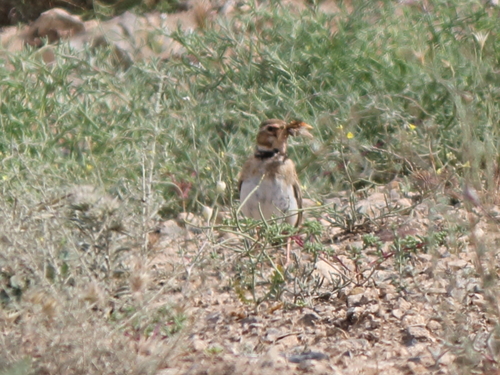
クビワコウテンシ (Melanocorypha bimaculata) クビワコウテンシ
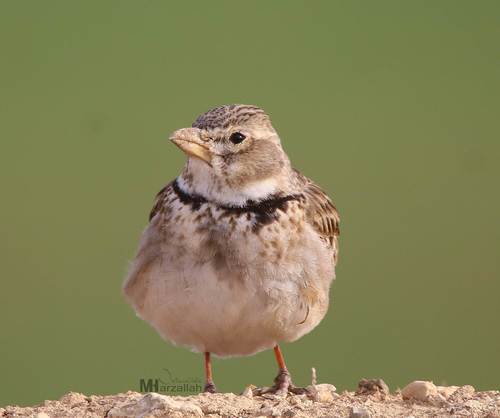
クロエリコウテンシ (Melanocorypha calandra) クロエリコウテンシ

メディア

読み込み中…

要点

フィールドでクビワコウテンシとクロエリコウテンシを区別する最も信頼できる方法は、飛行中の尾羽と翼の下の模様によるものです:クビワコウテンシは白い先端の短い尾羽を持ち、白い縁はなく、灰褐色の翼の下を持っていますが、クロエリコウテンシは明確な白い縁のある短い尾羽と、より暗い翼の下を持っています。両種は全体的な構造が似ており、トルコや隣接地域で分布が重なることがあるため、飛行中の視点に注意を払うことが重要です。サイズは強い区別要因ではなく、両方とも大きなコウテンシであり、体重の違いはわずかです。止まっている鳥は区別が難しいため、確実な識別のためには飛行中の視点を優先してください。

識別のコツ

  1. Tail pattern in flight: クビワコウテンシは白い先端の短い尾羽を持ち、白い縁はありません;クロエリコウテンシは目立つ白い縁のある短い尾羽を持っています。これは、鳥が飛んでいるときに最も役立つフィールドマークです。
  2. Underwing color: クビワコウテンシは灰褐色の翼の下を持っていますが、クロエリコウテンシの翼の下はより暗いです。これは、鳥が頭上にいるときや飛行中にバンキングしているときに最もよく見えます。
  3. Perched birds: 両種は止まっているとき非常に似ています;尾羽が扇状になっているか、鳥が羽繕いをしているときに尾羽の模様が見えることがありますが、しばしば見えません。止まっているときは全体の色や構造に頼らないでください。
  4. Flight structure: 両種は飛行中に短くて広い翼と短い尾羽を持っています。両者の間に飛行形状やジズにおいて信頼できる違いはありません。
  5. Age and seasonal variation: 両種に特有の幼鳥や未熟な上翼の模様は記載されていないため、尾羽と翼の下のマークはすべての年齢と季節にわたって信頼できます。
  6. Geographic context: トルコの西側(例:地中海ヨーロッパ)にいる場合、クロエリコウテンシの方がはるかに可能性が高いです;トルコの東側から中央アジアにかけては、クビワコウテンシが優勢です。トルコや近隣地域では、両方が発生する可能性があるため、羽毛のマークを使用してください。
  7. Size: クロエリコウテンシは平均してやや重いですが、これは実用的なフィールドマークではありません。
  8. Plumage pitfalls: クビワコウテンシの尾羽の白い先端を白い縁と混同しないでください—尾羽の側面に白があるかどうかを確認してください。
  9. Underwing pitfalls: 照明が翼の下の色の見え方に影響を与えることがあります;良い光の下で直接の視点でのみ比較してください。
  10. Voice: ソースには区別できる声の違いは提供されていません;歌や鳴き声に頼って区別しないでください。
  11. Sexual dimorphism: 性別特有のフィールドマークは記載されていません;両種の両性は似ています。
  12. Structural features: ビルのサイズ、翼の長さ、その他の構造的特徴は両者の間で異なるとは記載されていません;これらを区別に使用しないでください。
  13. Habitat: 両種は似たような開けた生息地を使用します;重複する地域では生息地だけに頼って識別しないでください。
  14. Mixed flocks: 混成群れでは、尾羽と翼の下の模様で個体を選び出すために飛行中の視点を使用してください。
  15. Distant birds: 遠距離では、飛行中に尾羽の模様が見えない限り、区別は非常に難しいです。

大きさ

クロエリコウテンシは平均してやや重い(クビワコウテンシは54.0gに対して59.0g)ですが、この違いは微妙で、フィールドで簡単に判断できるものではありません。両方とも頑丈で大きなコウテンシであり、比例が似ているため、単独または遠くで見たときにサイズだけでは信頼できるフィールドマークではありません。

羽色

重要な羽毛の違い—特に飛行中に見え、すべての年齢に適用されるのは、尾羽と翼の下の模様です。クビワコウテンシは白い先端の短い尾羽を持ち、白い縁はなく、翼の下は灰褐色です。対照的に、クロエリコウテンシは明確な白い縁のある短い尾羽を持ち、翼の下は全体的により暗いです。これらの違いは、鳥が飛んでいるときや追い立てられたときに最も明らかで、年齢クラスにわたって一貫しています。両種に特有の上翼パネルや未熟なパターンは記載されていないため、これらのマークは成鳥と幼鳥の両方に信頼できます。止まっているとき、両種は全体的な色と構造が非常に似ているため、尾羽や翼の明確な視点なしでは区別が難しいです。

行動

両種は地面に生息するコウテンシで、通常は開けた国に見られ、飛行中または地面を走っているのがよく見られます。彼らの飛行は強く、直接的で、広い翼と短い尾羽を持っています。フィールドで両者を信頼して区別する行動の違いは特に記載されていません。

生息環境

生息地の好みは広く似ています:両種は温暖な温帯の開けた国で繁殖します。しかし、クビワコウテンシはより東(トルコから中央アジア)に見られ、クロエリコウテンシはより西(地中海、トルコ、北イラン、南ロシア)に見られます。重複する地域(特にトルコや隣接地域)では、両方が一緒に発生する可能性があるため、生息地だけでは診断できません。

より良い説明を送る

比較と同じ項目を使ってください。文章はすぐに公開されます。

The most reliable way to separate Bimaculated Lark from Calandra Lark in the field is by their tail and underwing patterns in flight: Bimaculated shows a short tail with a white tip but no white edges and grey-brown underwings, while Calandra has a short tail with distinct white edges and darker underwings. Both species have similar overall structure and can overlap in range in Turkey and adjacent regions, so careful attention to flight views is essential. Size is not a strong separator, as both are large larks with only minor weight differences. Perched birds are much harder to distinguish, so prioritize flight views for confident identification.

  1. Tail pattern in flight: Bimaculated Lark shows a short tail with a white tip but no white edges; Calandra Lark has a short tail with prominent white edges. This is the single most useful field mark when the bird is flying.
  2. Underwing color: Bimaculated Lark has grey-brown underwings, while Calandra Lark's underwings are darker. This is best seen when the bird is overhead or banking in flight.
  3. Perched birds: Both species are very similar when perched; tail pattern may be visible if the tail is fanned or the bird is preening, but often is not. Do not rely on overall color or structure when perched.
  4. Flight structure: Both species have short, broad wings and a short tail in flight. There is no reliable difference in flight shape or jizz between the two.
  5. Age and seasonal variation: No distinctive juvenile or immature upperwing patterns are described for either species, so the tail and underwing marks are reliable across all ages and seasons.
  6. Geographic context: If you are west of Turkey (e.g., Mediterranean Europe), Calandra Lark is much more likely; east of Turkey into Central Asia, Bimaculated Lark predominates. In Turkey and nearby regions, both can occur—use plumage marks.
  7. Size: Calandra Lark averages slightly heavier, but this is not a practical field mark.
  8. Plumage pitfalls: Do not confuse the white tip on Bimaculated's tail for white edges—look for the presence or absence of white along the sides of the tail.
  9. Underwing pitfalls: Lighting can affect the perceived color of the underwing; compare only in good light and with direct views.
  10. Voice: No distinguishing vocal differences are provided in the sources; do not rely on song or call for separation.
  11. Sexual dimorphism: No sex-specific field marks are described; both sexes are similar in both species.
  12. Structural features: Bill size, wing length, and other structural features are not described as differing between the two; do not use these for separation.
  13. Habitat: Both species use similar open habitats; do not rely on habitat alone for identification in areas of overlap.
  14. Mixed flocks: In mixed flocks, use flight views to pick out individuals by tail and underwing pattern.
  15. Distant birds: At long range, separation is very difficult unless the tail pattern is visible in flight.

Calandra Lark is slightly heavier on average (59.0g vs 54.0g for Bimaculated Lark), but this difference is subtle and not easily judged in the field. Both are robust, large larks with similar proportions, so size alone is not a reliable field mark when seen singly or at a distance.

The key plumage difference—especially visible in flight and applicable to all ages—is in the tail and underwing patterns. Bimaculated Lark shows a short tail with a white tip but lacks white edges; its underwings are grey-brown. In contrast, Calandra Lark has a short tail with clear white edges and underwings that are darker overall. These differences are most apparent when the bird is flying or flushed, and are consistent across age classes. No age-specific upperwing panel or immature pattern is described for either species, so these marks are reliable for both adults and immatures. Perched, both species are very similar in overall color and structure, making separation difficult without a clear view of the tail or wings.

Both species are ground-dwelling larks, typically found in open country and often seen in flight or running on the ground. Their flight is strong and direct with broad wings and short tails. There is no noted behavioral difference that reliably separates the two in the field.

Habitat preferences are broadly similar: both species breed in warm temperate open country. However, Bimaculated Lark is found further east (from Turkey into Central Asia), while Calandra Lark is more western (Mediterranean, Turkey, northern Iran, southern Russia). In areas of overlap (notably Turkey and adjacent regions), both may occur together, so habitat alone is not diagnostic.

変更を破棄しますか?

保存していない編集があります。今離れると失われます。

クビワコウテンシ · クロエリコウテンシ · 苦手な鳥