

Motmot

ブータンガビチョウ 対 シラフガビチョウ

Trochalopteron imbricatum 対 Trochalopteron virgatum

ブータンガビチョウとシラフガビチョウのクイズ
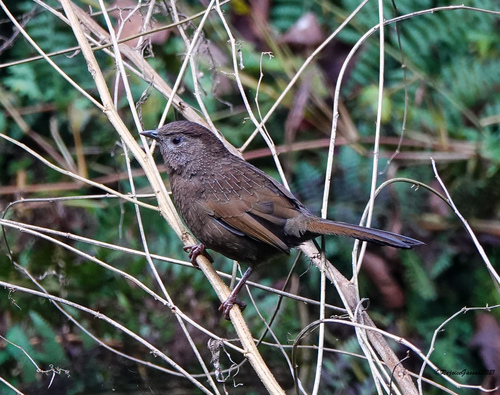
ブータンガビチョウ (Trochalopteron imbricatum) ブータンガビチョウ
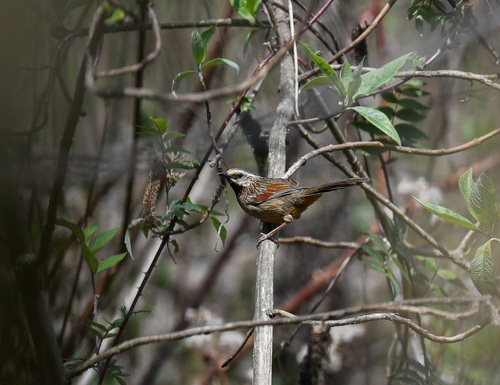
シラフガビチョウ (Trochalopteron virgatum) シラフガビチョウ

メディア

読み込み中…

要点

ブータンガビチョウとシラフガビチョウをフィールドで区別するのは、彼らの近い関係と全体的な外見が似ているため難しいです。特に、ブータンガビチョウはかつて別の縞模様の亜種と考えられていたためです。最も信頼できる違いは地理的なもので、ブータンガビチョウはブータンとインドの隣接地域に生息し、シラフガビチョウはパトカイ山脈に限定されています。利用可能な情報源には、年齢特有の翼や飛行パターンの違いは記録されていないため、フィールドでの識別は範囲と微妙な生息地の文脈に依存します。両種は構造と一般的な羽毛が似ているため、特に未成熟個体や範囲が接近する地域では注意が必要です。

識別のコツ

  1. 地理的範囲が主なフィールドマーク: ブータンガビチョウはブータンと隣接するインドの地域に生息し、シラフガビチョウはパトカイ山脈に見られます。まずは自分の位置を確認してください。
  2. 生息地の重複: 両種は亜熱帯または熱帯の湿った山地森林を利用するため、生息地の種類だけでは区別できません。各自の範囲内での位置がより重要です。
  3. 羽毛の類似性: 両者はTrochalopteronに典型的な縞模様を持ち、年齢特有または季節的な羽毛の違いは記録されていません。羽毛に頼って区別しないでください。
  4. 知られている構造的な違いはない: ビルの形、尾の長さ、一般的な印象は、これらの二種の間で異なるとは記録されていません。
  5. 特異な飛行や翼のパターンはない: いかなる年齢においても上翼や飛行パターンの違いは記述されていないため、飛行中の視点は診断的ではありません。
  6. 声は区別要因ではない: 音声の違いは記述されていないため、鳴き声や歌を識別に使用しないでください。
  7. 未成熟の鳥: 幼鳥や未成熟個体に特定のマークは与えられていないため、成鳥と同様に似ていると考えてください。
  8. 性的二形性: 両種において性特有の羽毛やサイズの違いは記載されていません。
  9. 国境地域での混乱の可能性: ブータン、インド、またはパトカイ山脈の端近くでバードウォッチングをする場合は、特に注意し、範囲の重複や迷鳥の可能性を考慮してください。
  10. チェックリストの文脈: 地元のチェックリストや最近のeBirdレポートを使用して、あなたのサイトで期待される種を確認してください。
  11. 写真の記録: 難しさを考慮し、正確な位置データを持つ写真は、あいまいな地域での記録に不可欠です。
  12. 地元の専門家に相談: 疑問がある場合は、発表されていない微妙な違いに精通した地域のバーダーやガイドに確認してください。
  13. 小さな羽毛の変異を過剰解釈しない: 両種内の個体差は違いを模倣することがあるため、縞模様や色合いのわずかな違いを診断に使用しないでください。
  14. 歴史的な分類学: ブータンガビチョウはかつて縞模様の亜種と考えられていたことを思い出してください。そのため、フィールドでの区別は本質的に微妙であり、範囲情報がないと常に可能とは限りません。
  15. 慎重に行動する: 範囲を確認できない場合やあいまいな視点がある場合は、その鳥を種として特定しない方が良いです。

大きさ

ブータンガビチョウのみが記録された体重(47 g)を持っていますが、シラフガビチョウの測定値はありません。両者は中型のガビチョウであり、利用可能な情報源には構造的なサイズの違いは記載されていません。サイズはこれら二種の間で信頼できるフィールドマークではありません。

羽色

利用可能な情報源には年齢特有または成鳥の羽毛の違いは記載されていません。両種は同じ属に属し、グループに典型的な縞模様を持っています。両者の幼鳥、未成熟、または成鳥の上翼や体の羽毛における違いは記録されていません。したがって、現在の情報に基づいてフィールドでの羽毛は信頼できる区別要因ではありません。

行動

利用可能な情報源にはブータンガビチョウとシラフガビチョウの間に行動の違いは記載されていません。両者は習性や動きにおいて典型的なガビチョウです。

生息環境

生息地は最も有用なフィールドの手がかりです。ブータンガビチョウはブータンと隣接するインドの地域に生息し、シラフガビチョウはパトカイ山脈に限定されています。両者は亜熱帯または熱帯の湿った山地森林に生息しているため、生息地の種類は似ていますが、正確な位置が重要です。ブータンや近隣のインド地域でバードウォッチングをしている場合、ブータンガビチョウが期待されます。パトカイ山脈にいる場合は、シラフガビチョウが可能性のある種です。

声

利用可能な情報源には音声の違いは記載されていません。声はこれらの種を区別するための記録された要因ではありません。

より良い説明を送る

比較と同じ項目を使ってください。文章はすぐに公開されます。

Separating Bhutan Laughingthrush from Striped Laughingthrush in the field is challenging due to their close relationship and similar overall appearance, especially since the Bhutan Laughingthrush was once considered a subspecies of another streaked/striped form. The most reliable difference is geographic: Bhutan Laughingthrush is found in Bhutan and adjacent parts of India, while Striped Laughingthrush is restricted to the Patkai range. No distinctive age-specific wing or flight pattern differences are documented in the available sources, so field identification relies on range and subtle habitat context. Both species share similar structure and general plumage, so caution is needed—especially with immatures or in areas where ranges approach.

  1. Geographic range is the primary field mark: Bhutan Laughingthrush occurs in Bhutan and adjacent Indian areas; Striped Laughingthrush is found in the Patkai range. Always check your location first.
  2. Habitat overlap: Both species use subtropical or tropical moist montane forests, so habitat type alone does not separate them—location within their respective ranges is more important.
  3. Plumage similarity: Both have streaked or striped patterns typical of Trochalopteron, and no age-specific or seasonal plumage differences are documented. Do not rely on plumage for separation.
  4. No known structural differences: Bill shape, tail length, and general jizz are not documented as differing between these two.
  5. No distinctive flight or wing pattern: There are no described differences in upperwing or flight pattern for any age, so in-flight views are not diagnostic.
  6. Voice is not a separator: No vocal differences are described, so calls and song should not be used for identification.
  7. Immature birds: No specific marks are given for juveniles or immatures, so assume they are as similar as adults.
  8. Sexual dimorphism: No sex-specific plumage or size differences are noted for either species.
  9. Potential for confusion in border areas: If birding near the edges of Bhutan, India, or the Patkai range, be especially cautious and consider the possibility of range overlap or vagrancy.
  10. Checklist context: Use local checklists and recent eBird reports to confirm which species is expected at your site.
  11. Photographic documentation: Given the difficulty, photographs with precise location data are essential for records in ambiguous areas.
  12. Consult local experts: When in doubt, check with regional birders or guides familiar with subtle differences that may not be published.
  13. Do not overinterpret minor plumage variation: Individual variation within both species can mimic differences, so avoid using slight differences in streaking or coloration as diagnostic.
  14. Historical taxonomy: Remember that Bhutan Laughingthrush was formerly considered a subspecies of a streaked/striped form, so field separation is inherently subtle and may not always be possible without range information.
  15. Err on the side of caution: If you cannot confirm range or have ambiguous views, it is best to leave the bird unidentified to species.

Only Bhutan Laughingthrush has a documented body mass (47 g), but there is no measurement for Striped Laughingthrush. Both are medium-sized laughingthrushes, and no structural size difference is noted in available sources. Size is not a reliable field mark between these two.

No age-specific or adult plumage differences are described in the available sources. Both species are in the same genus and have similar streaked or striped patterns typical of their group. There are no documented differences in juvenile, immature, or adult upperwing or body plumage between the two. Therefore, plumage is not a reliable separator in the field based on current information.

No behavioral differences are described between Bhutan Laughingthrush and Striped Laughingthrush in the available sources. Both are typical laughingthrushes in habits and movement.

Habitat is the most useful field clue: Bhutan Laughingthrush is found in Bhutan and adjoining areas of India, while Striped Laughingthrush is restricted to the Patkai range. Both occupy subtropical or tropical moist montane forests, so habitat type is similar, but precise location is key. If you are birding in Bhutan or nearby Indian regions, Bhutan Laughingthrush is expected; if in the Patkai range, Striped Laughingthrush is the likely species.

No vocal differences are described in the available sources. Voice is not a documented separator for these species.

変更を破棄しますか?

保存していない編集があります。今離れると失われます。

ブータンガビチョウ · シラフガビチョウ · 苦手な鳥