

Motmot

キョクアジサシ 対 メジロモズモドキ

Sterna paradisaea 対 Vireo griseus

キョクアジサシとメジロモズモドキのクイズ
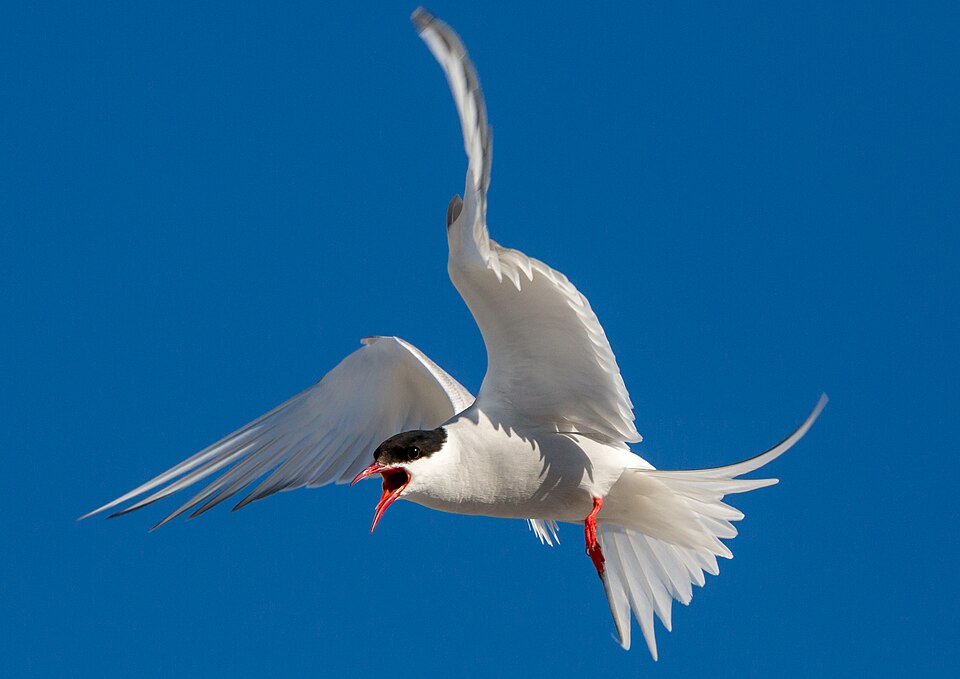
キョクアジサシ (Sterna paradisaea) キョクアジサシ
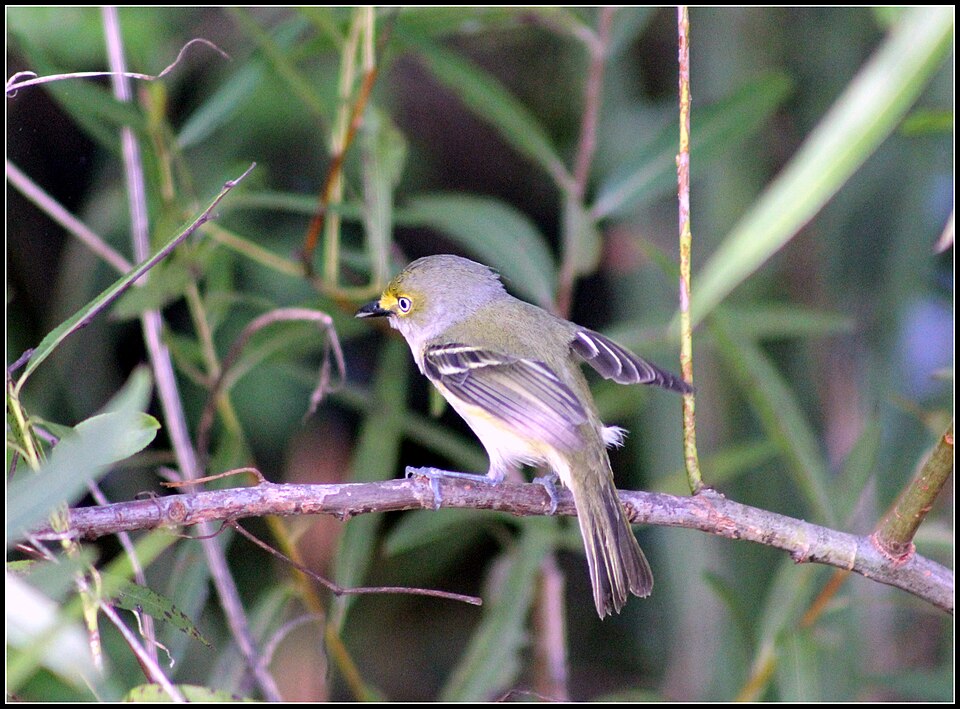
メジロモズモドキ (Vireo griseus) メジロモズモドキ

メディア

読み込み中…

要点

アークティック・ターンとメジロモズモドキの最も信頼できるフィールドマークは、アークティック・ターンの長く深く分かれた白い尾と、特に幼鳥と成鳥の飛行中の淡い半透明の上翼に対して、メジロモズモドキの短く丸い尾と大胆な白い翼帯のある暗い翼です。幼鳥のアークティック・ターンは、メジロモズモドキには決して見られない暗い手首の帯と「ウロコ状」の上翼パターンを示します。構造的には、アークティック・ターンは尖った赤いくちばしと長い翼を持つ細長く優雅な海鳥であり、メジロモズモドキは短く太いくちばしと黄色い眼鏡を持つ小さくずんぐりした歌鳥です。これらの2種はサイズ、形状、文脈において根本的に異なります:ターンは水上や開けた海岸で見られ、モズモドキは密な茂みや森林にいます。遠くからでも、ターンの飛行スタイルと尾の形は診断的です。

識別のコツ

  1. 幼鳥のアークティック・ターンの上翼:上翼とマントルに暗い手首の帯と「ウロコ状」のパターンを探してください—どの年齢のメジロモズモドキにも存在しません。
  2. 飛行中の成鳥のアークティック・ターン:長く深く分かれた白い尾と淡い半透明の翼先に注意してください;モズモドキは常に短く四角い尾と、2つの白い翼帯のある暗い翼を持っています。
  3. くちばしの形と色:アークティック・ターンは細長く尖った全赤(繁殖期)または暗い(非繁殖期/幼鳥)のくちばしを持っています;メジロモズモドキは短く太い灰色がかったくちばしを持っています。
  4. 頭のパターン:アークティック・ターンの成鳥は黒い帽子と白い頬を持っています;メジロモズモドキは白い虹彩、黄色い眼鏡、黒い帽子がありません。
  5. 体の形と印象:アークティック・ターンは細長く、長い翼を持ち、飛行中は浮遊感があります;モズモドキはコンパクトで短い尾を持ち、密な植生の中で直立して止まります。
  6. 尾の形:ターンの尾は長く深く分かれており、飛行中に後ろに流れることがよくあります;モズモドキの尾は短く丸く、決して分かれていません。
  7. 翼のパターン:ターンの上翼は淡い灰色で、先端近くに半透明の部分があり、翼帯がありません;モズモドキの翼は暗く、2つの大胆な白い翼帯があります。
  8. 脚の色:アークティック・ターンは短い赤(繁殖期)または黒っぽい(非繁殖期/幼鳥)の脚を持っています;モズモドキの脚はフィールドでは特徴的ではありません。
  9. 羽毛の季節性:アークティック・ターンのくちばしと脚は冬に暗くなり、額は白くなりますが、全体の構造と淡い外観は残ります;モズモドキの羽毛は年間を通じて一貫しており、亜種間でわずかな変動があります。
  10. 生息地:ターンは開けた水域や海岸地域で見られます;モズモドキは常に密な茂みや森林にいます。
  11. 飛行スタイル:ターンは優雅で浮遊感があり、しばしばホバリングします;モズモドキは短く直接的な飛行をし、より頻繁に止まっています。
  12. 鳴き声:ターンの鳴き声は鼻にかかったようで、ざらざらしています;モズモズモズモドキの歌は複雑で、口笛のようなフレーズと叱責の音を持ち、また厳しい叱責やおしゃべりもします。モズモドキの歌は音楽的で変動があり、ターンの鳴き声はより機械的で単調です。ほとんどの文脈では、鳴き声は非常に異なり、混同されることはありません。
  13. サイズ:ターンははるかに大きく、長い翼を持っています;モズモズモズモドキは小さくコンパクトです。
  14. 落とし穴:遠くから見ると、モズモズモズモドキの翼帯が淡い翼の斑点と間違われることがありますが、全体の構造、生息地、行動がすぐに識別を明確にするはずです。
  15. 性別と年齢:両種は性別間で似ています;年齢に関連するマーク(特に幼鳥のターンの上翼)が飛行中の識別に最も役立ちます。

大きさ

アークティック・ターンははるかに大きく、長い翼を持っています:長さ33–36 cm(13–14 in)、翼幅76–85 cm(30–33 in)、質量約114 g。メジロモズモドキは比較的小さく:長さ11–13 cm(4.3–5.1 in)、翼幅17 cm(6.7 in)、質量はわずか10–14 gです。ターンはほぼ3倍の長さで、モズモドキの6倍以上の重さです。フィールドでは、ターンの長く狭い翼と深く分かれた尾がさらに大きく、より細長く見せ、モズモドキはコンパクトで短い尾を持っています。

羽色

幼鳥のアークティック・ターンは飛行中に特徴的で、上翼に暗い手首の帯、暗い先端のウロコ状のマントル羽毛、短い尾の流れを示します—これらはどのメジロモズモドキにも存在しません。両性の成鳥は淡い灰色の上翼を持ち、先端近くに半透明の一次羽があり、黒い帽子と翼先を大きく超える純白の尾を持っています。冬には、アークティック・ターンの額が白くなり、くちばしと脚が暗くなりますが、全体の淡く清潔な外観と長い尾は残ります。対照的に、メジロモズモドキは常にオリーブ灰色の上面、2つの大胆な白い翼帯、黄色い側面、短く暗い尾を示します。モズモドキの白い虹彩と黄色い眼鏡は、この2種の中で独特です。どの年齢や季節のモズモドキも、黒い帽子、半透明の翼先、深く分かれた尾を示すことはありません。モズモドキの翼は常に暗く、明確な翼帯があり、ターンの淡く無地の外観は欠けています。

行動

アークティック・ターンはほぼ常に飛行中に見られ、しばしばホバリング、滑空、または開けた水域や海岸地域の上で機敏で浮遊感のある動きをします。地面や低い岩の上にしか止まることはほとんどありません。その飛行は優雅で、長く弾力のある翼の拍動と頻繁な尾の流れを持っています。メジロモズモドキは密な茂みの中で隠れている落ち着きのない鳥で、通常は枝の間を飛び回り、尾を振り、開けた場所で遠くに飛ぶことはほとんどありません。直立して止まり、しばしば隠れており、短いホップや短い飛行で移動します。モズモドキはターンの空中の機敏さや開けた水域での行動を示すことはありません。

生息環境

アークティック・ターンは開けた水域、海岸、北極または亜北極の繁殖地に厳密に関連しています。密な植生や森林では決して見られません。メジロモズモドキはその逆で、密な茂みの藪、森林の端、草が生い茂った野原を好み、開けた場所や大きな水域の近くにはめったに出かけません。もし茂みの中で鳥を見かけたら、それはほぼ確実にアークティック・ターンではありません。

声

アークティック・ターンは、特に飛行中や驚いたときに鼻にかかったざらざらした鳴き声を出します。その声は鋭くて粗く、どのメジロモズモドキとも全く異なります。メジロモズモドキは、鋭い口笛のフレーズと叱責の音を持つ複雑で変動のある歌を歌い、また厳しい叱責やおしゃべりもします。モズモドキの歌は音楽的で変動があり、ターンの鳴き声はより機械的で単調です。ほとんどの文脈では、鳴き声は非常に異なり、混同されることはありません。

より良い説明を送る

比較と同じ項目を使ってください。文章はすぐに公開されます。

The most reliable field mark between Arctic Tern and White-eyed Vireo is the Arctic Tern's long, deeply forked white tail and pale, translucent upperwings in flight, especially on juveniles and adults alike, versus the Vireo's short, rounded tail and dark wings with bold white wing bars. Juvenile Arctic Terns show a dark carpal bar and 'scaly' upperwing pattern, never seen on any vireo. Structurally, Arctic Tern is a slender, graceful seabird with a pointed red bill and long wings, while White-eyed Vireo is a small, chunky songbird with a short, thick bill and yellow spectacles. The two species differ radically in size, shape, and context: terns are seen over water or open coasts, vireos in dense brush or woodland. Even at a distance, the tern's flight style and tail shape are diagnostic.

  1. Juvenile Arctic Tern upperwing: Look for a dark carpal bar and 'scaly' pattern on the upperwing and mantle—never present on White-eyed Vireo of any age.
  2. Adult Arctic Tern in flight: Note the long, deeply forked white tail and pale, translucent wingtips; vireo always has a short, square tail and dark wings with two white wing bars.
  3. Bill shape and color: Arctic Tern has a slender, pointed, all-red (breeding) or dark (nonbreeding/juvenile) bill; White-eyed Vireo has a short, thick, grayish bill.
  4. Head pattern: Arctic Tern adults have a black cap and white cheeks; White-eyed Vireo shows a white iris, yellow spectacles, and no black cap.
  5. Body shape and jizz: Arctic Tern is slender, long-winged, and buoyant in flight; vireo is compact, short-tailed, and perches upright in dense vegetation.
  6. Tail shape: Tern's tail is long and deeply forked, often streaming behind in flight; vireo's tail is short and rounded, never forked.
  7. Wing pattern: Tern's upperwings are pale grey with a translucent area near the tip, lacking wing bars; vireo's wings are dark with two bold white wing bars.
  8. Leg color: Arctic Tern has short, red (breeding) or blackish (nonbreeding/juvenile) legs; vireo's legs are not distinctive in the field.
  9. Plumage seasonality: Arctic Tern's bill and legs darken in winter, and the forehead whitens, but the overall structure and pale look remain; vireo's plumage is consistent year-round, with only slight variation among subspecies.
  10. Habitat: Tern is found over open water or coastal areas; vireo is always in dense brush or woodland.
  11. Flight style: Tern is graceful, buoyant, and often hovers; vireo makes short, direct flights and is more often perched.
  12. Vocalizations: Tern's calls are nasal and rasping; vireo's song is complex, whistled, and variable—very different in tone and context.
  13. Size: Tern is much larger and longer-winged; vireo is tiny and compact.
  14. Pitfalls: At great distance, a vireo's wing bars might be mistaken for pale wing patches, but the overall structure, habitat, and behavior should quickly clarify the ID.
  15. Sex and age: Both species are similar between sexes; age-related marks (especially juvenile tern upperwing) are the most useful for separation in flight.

Arctic Tern is much larger and longer-winged: 33–36 cm (13–14 in) in length, 76–85 cm (30–33 in) wingspan, and about 114 g in mass. White-eyed Vireo is tiny by comparison: 11–13 cm (4.3–5.1 in) long, 17 cm (6.7 in) wingspan, and only 10–14 g. The tern is nearly three times as long and over six times as heavy as the vireo. In the field, the tern's long, narrow wings and deeply forked tail make it look even larger and more elongated, while the vireo is compact and short-tailed.

Juvenile Arctic Terns are distinctive in flight, showing a dark carpal bar across the upperwing, 'scaly' dark-tipped mantle feathers, and short tail streamers—features never present on any vireo. Adults of both sexes have pale grey upperwings with translucent primaries near the tips, a black cap, and a pure white tail that extends well beyond the wingtips. In winter, Arctic Tern's forehead whitens and the bill and legs darken, but the overall pale, clean look and long tail remain. White-eyed Vireo, by contrast, always shows olive-grey upperparts, two bold white wing bars, yellow flanks, and a short, dark tail. The vireo's white iris and yellow spectacles are unique among these two. No vireo, of any age or season, ever shows a black cap, translucent wingtips, or a deeply forked tail. The vireo's wings are always dark with clear wing bars, lacking the tern's pale, unmarked look.

Arctic Tern is almost always seen in flight, often hovering, gliding, or making agile, buoyant movements over open water or coastal areas. It rarely perches except on the ground or low rocks. Its flight is graceful, with long, elastic wingbeats and frequent tail streaming. White-eyed Vireo is a skulking, restless bird of dense brush, usually seen flitting between branches, flicking its tail, and rarely flying far in the open. It perches upright, often hidden, and moves with short hops or brief flights. The vireo never shows the tern's aerial agility or open-water behavior.

Arctic Tern is strictly associated with open water, coasts, and arctic or subarctic breeding grounds. It is never found in dense vegetation or woodland. White-eyed Vireo is the opposite: it prefers dense, shrubby thickets, woodland edges, and overgrown fields, rarely venturing into open areas or near large bodies of water. If you see a bird in a brushy thicket, it's almost certainly not an Arctic Tern.

Arctic Tern gives nasal, rasping calls, especially in flight or when alarmed. Its voice is sharp and harsh, quite unlike any vireo. White-eyed Vireo sings a complex, variable song with sharp, whistled phrases and scolding notes, and also gives harsh scolds and chatters. The vireo's song is musical and variable, while the tern's calls are more mechanical and monotone. In most contexts, the vocalizations are so different they are not likely to be confused.

変更を破棄しますか?

保存していない編集があります。今離れると失われます。

キョクアジサシ · メジロモズモドキ · 苦手な鳥