

Motmot

オオフラミンゴ 対 ヨーロッパフラミンゴ

Phoenicopterus ruber 対 Phoenicopterus roseus

オオフラミンゴとヨーロッパフラミンゴのクイズ
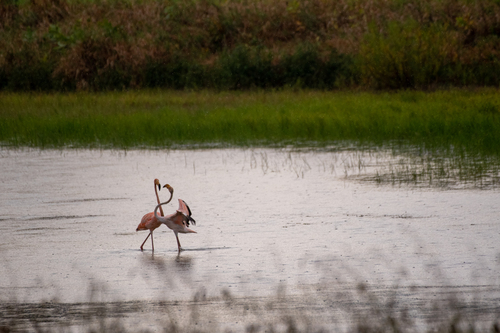
オオフラミンゴ (Phoenicopterus ruber) オオフラミンゴ
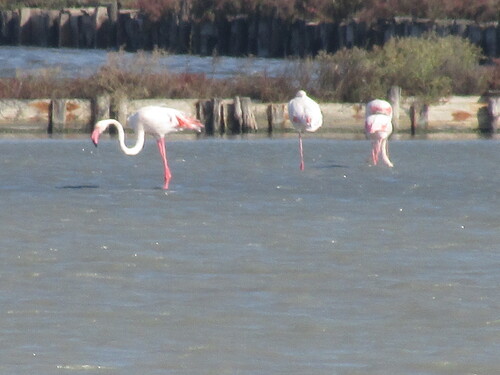
ヨーロッパフラミンゴ (Phoenicopterus roseus) ヨーロッパフラミンゴ

メディア

読み込み中…

要点

アメリカフラミンゴとヨーロッパフラミンゴを区別する最も信頼できるフィールドマークは、成鳥の羽毛における全体的なピンクの強度です:アメリカフラミンゴの成鳥ははるかに深く、より飽和したピンクであり、ヨーロッパフラミンゴは明らかに淡く、しばしばピンクがかった白に見えます。両種は赤い翼の覆い羽と黒い飛行羽を持っていますが、アメリカフラミンゴの体と脚はより豊かなピンクです。両種の亜成鳥と幼鳥は鈍い色合いですが、ヨーロッパフラミンゴの幼鳥は特に淡く、暗い脚を持っており、年齢のクラスを区別するのに役立ちます。構造的には、ヨーロッパフラミンゴはわずかに大きく、重いですが、これは微妙で、遠くからは信頼できません。両種は似たような鳴き声と採餌行動を共有しているため、最良のフィールド分離のためには色合いと脚の色に注目してください。

識別のコツ

  1. Adult body color: アメリカフラミンゴの成鳥は、ヨーロッパフラミンゴの成鳥よりも全体的に深く、豊かなピンクです。これは良好な光の下で最も信頼できるフィールドマークです。
  2. Leg color in immatures: 亜成鳥と幼鳥のヨーロッパフラミンゴは著しく暗い脚を持っていますが、アメリカフラミンゴの幼鳥はこの特徴を示しません。これは成鳥の色合いが欠けているときに特に有用です。
  3. Bill pattern: 両種は黒い先端を持つピンクのくちばしを持っていますが、アメリカフラミンゴの黒はより広範囲にわたりますが、ヨーロッパフラミンゴの黒は先端に制限されています。これは微妙で、近距離で使用するのが最適です。
  4. Wing pattern in flight: 両種は飛行中に赤い翼の覆い羽と黒い一次羽/二次羽を示すため、これは信頼できる分離ポイントではありません。翼のパターンだけに頼らないでください。
  5. Leg color in adults: 両成鳥は完全にピンクの脚を持っているため、この年齢で彼らを区別するのには役立ちません。
  6. Overall size: ヨーロッパフラミンゴはわずかに大きく、重いですが、重なりがかなりあります。これは補助的な手がかりとしてのみ使用し、主要なマークとしては使用しないでください。
  7. Juvenile plumage: 両種のひなは灰色で柔らかい羽毛を持っており、これは分離には役立ちません。
  8. Breeding season color enhancement: ヨーロッパフラミンゴは繁殖期に尿腺の分泌物を広げることでピンクの色合いをわずかに強化することがありますが、それでもアメリカフラミンゴの強度には達しません。
  9. Habitat and range: 場所を強力な手がかりとして使用してください—アメリカフラミンゴはアメリカ大陸に、ヨーロッパフラミンゴは旧世界にいます。範囲外の記録は注意深く調査し、強力な羽毛の証拠で裏付ける必要があります。
  10. Courtship and flocking behavior: 両種は類似した群れの求愛行動と社会的行動を示しますが、これらは識別には役立ちません。
  11. Voice: 両種は似たような鳴き声を持っていますが、声を分離に使用しないでください。
  12. Sex and age effects: 両種は年齢や繁殖状態に応じて色の強度にいくつかの変動を示しますが、成鳥の体色の違いが最も信頼できるマークです。
  13. Feeding behavior: 両種は同じ方法と生息地で採餌しますが、これは識別には役立ちません。
  14. Potential pitfalls: 褪せたまたは摩耗したアメリカフラミンゴは淡く見えることがあり、繁殖中のヨーロッパフラミンゴはわずかに色鮮やかに見えることがありますが、全体的なピンクの強度の違いは通常保持されます。常に複数の特徴を確認してください。
  15. Vagrant/escapee caution: 両種が理論的に発生する可能性のある地域(例:動物園、逃げた個体、珍しい迷鳥)では、範囲だけでなく羽毛と脚の色に頼ってください。

大きさ

ヨーロッパフラミンゴは世界で最も大きなフラミンゴ種で、成鳥は平均110〜150 cmの高さで、体重は2〜4 kgです。アメリカフラミンゴは平均してわずかに小さく(120〜145 cmの高さ、オス約2.8 kg、メス約2.2 kg)、この重なりのため、サイズだけでは診断が難しいことが多いです。実際には、両種は非常に大きく、長い脚を持つ水鳥として見え、サイズによるフィールド分離は信頼できません。

羽色

成鳥のアメリカフラミンゴは、体と脚全体に鮮やかで飽和したピンクを持ち、赤い翼の覆い羽と黒い一次羽/二次羽があります。彼らのくちばしはピンクで大きな黒い先端を持ち、脚は完全にピンクです。対照的に、成鳥のヨーロッパフラミンゴは全体的にずっと淡く、深いピンクではなくピンクがかった白で、同じ赤い翼の覆い羽と黒い飛行羽を持っていますが、彼らのくちばしはより制限された黒い先端を持っています。ヨーロッパフラミンゴの成鳥も完全にピンクの脚を持っていますが、亜成鳥と幼鳥はさらに淡く、著しく暗い脚を持っています(アメリカフラミンゴの幼鳥はあまりよく記述されていませんが、そのような暗い脚は示しません)。両種のひなは灰色で柔らかい羽毛を持っています。繁殖期には、ヨーロッパフラミンゴは尿腺の分泌物を広げることでピンクの色合いを強化することがありますが、それでもアメリカフラミンゴの強度には達しません。飛行中、両種は同じ印象的な黒と赤の翼のパターンを示すため、体と脚の色は特に静止時に分離に役立ちます。

行動

両種は浅い潟や泥地で採餌し、足で食べ物をかき混ぜ、特化したくちばしでそれを濾します。彼らの採餌姿勢と動きは本質的に同じです。両種は非常に社会的で、大きな群れを形成し、両方とも精巧な群れの求愛行動を行います。フィールドで信頼できる診断的な行動の違いはありません。

生息環境

生息地は強力な手がかりです:アメリカフラミンゴは西インド諸島、南アメリカ北部、ガラパゴス諸島、ユカタン半島に自生しており、ヨーロッパフラミンゴは旧世界—アフリカ、南ヨーロッパ、中東、南アジアに見られます。迷鳥は発生しますが、通常の生息範囲内では、アメリカ大陸で見られるフラミンゴはほぼ確実にアメリカフラミンゴであり、ヨーロッパ、アフリカ、またはアジアで見られるものはほぼ確実にヨーロッパフラミンゴです。重なりは非常にまれで、通常は逃げた個体や珍しい迷鳥が関与します。

声

両種は似たようなガチョウのような鳴き声を出します。声におけるフィールド診断の違いは、資料には記載されていません。

より良い説明を送る

比較と同じ項目を使ってください。文章はすぐに公開されます。

The most reliable field mark to separate American Flamingo from Greater Flamingo is the overall intensity of pink in adult plumage: American Flamingo adults are a much deeper, more saturated pink, while Greater Flamingos are distinctly paler, often appearing pinkish-white. Both species have red wing coverts and black flight feathers, but the American Flamingo's body and legs are a richer pink. Subadults and juveniles of both species are duller, but Greater Flamingo immatures are especially pale with dark legs, which can help in tricky age classes. Structurally, Greater Flamingo is slightly larger and heavier, but this is subtle and unreliable at a distance. Both species share similar calls and feeding behaviors, so focus on coloration and leg color for the best field separation.

  1. Adult body color: American Flamingo adults are a much deeper, richer pink overall than Greater Flamingo adults, which are pale pinkish-white. This is the single most reliable field mark in good light.
  2. Leg color in immatures: Subadult and immature Greater Flamingos have notably dark legs, while American Flamingo immatures do not show this feature. This is especially useful when adult coloration is lacking.
  3. Bill pattern: Both species have a pink bill with a black tip, but the black is more extensive on American Flamingo, while Greater Flamingo's black is more restricted to the tip. This is subtle and best used at close range.
  4. Wing pattern in flight: Both species show red wing coverts and black primaries/secondaries in flight, so this is not a reliable separation point. Do not rely on wing pattern alone.
  5. Leg color in adults: Both adults have entirely pink legs, so this is not useful for separating them at this age.
  6. Overall size: Greater Flamingo averages slightly larger and heavier, but the overlap is considerable. Use only as a supporting clue, not a primary mark.
  7. Juvenile plumage: Both species' chicks are grey and downy; this is not useful for separation.
  8. Breeding season color enhancement: Greater Flamingos can appear slightly more colorful during the breeding season due to uropygial 'make-up,' but even then, they rarely reach the intensity of American Flamingo.
  9. Habitat and range: Use location as a strong clue—American Flamingo in the Americas, Greater Flamingo in the Old World. Out-of-range records should be scrutinized and supported by strong plumage evidence.
  10. Courtship and flocking behavior: Both species display similar group courtship and social behaviors; these are not helpful for identification.
  11. Voice: Both have a similar honking call; do not use voice for separation.
  12. Sex and age effects: Both species show some variation in color intensity with age and breeding status, but the difference in adult body color remains the most reliable mark.
  13. Feeding behavior: Both species feed in the same manner and habitats; this does not aid identification.
  14. Potential pitfalls: Faded or worn American Flamingos may appear paler, and breeding Greater Flamingos may appear slightly more colorful, but the overall pink intensity difference usually holds. Always check multiple features.
  15. Vagrant/escapee caution: In regions where both could theoretically occur (e.g., zoos, escapes, rare vagrants), rely on plumage and leg color, not just range.

Greater Flamingo is the largest flamingo species worldwide, with adults averaging 110–150 cm tall and weighing 2–4 kg. American Flamingo is slightly smaller on average (120–145 cm tall, males ~2.8 kg, females ~2.2 kg), but this overlap means size alone is rarely diagnostic unless both species are seen side by side. In practice, both appear as very large, long-legged waders, and field separation by size is unreliable.

Adult American Flamingos are a vivid, saturated pink across the body and legs, with red wing coverts and black primaries/secondaries. Their bill is pink with a large black tip, and the legs are entirely pink. In contrast, adult Greater Flamingos are much paler overall—pinkish-white rather than deep pink—with the same red wing coverts and black flight feathers, but their bill has a more restricted black tip. Greater Flamingo adults also have entirely pink legs, but subadults and immatures are paler still, with notably dark legs (unlike American Flamingo immatures, which are less well described but do not show such dark legs). Both species' chicks are grey and downy. During the breeding season, Greater Flamingos may enhance their pink coloration by spreading uropygial secretions, but even then, they rarely match the intensity of American Flamingos. In flight, both show the same striking black-and-red wing pattern, so body and leg color are more useful for separation, especially at rest.

Both species feed in shallow lagoons and mudflats, stirring up food with their feet and filtering it through their specialized bills. Their feeding posture and movements are essentially identical. Both species are highly social, forming large flocks, and both perform elaborate group courtship displays. There are no behavioral differences that are reliably diagnostic in the field.

Habitat is a strong clue: American Flamingo is native to the West Indies, northern South America, the Galápagos, and the Yucatán Peninsula, while Greater Flamingo is found in the Old World—Africa, southern Europe, the Middle East, and South Asia. Vagrants do occur, but in their normal ranges, a flamingo seen in the Americas is almost certainly American Flamingo, and one in Europe, Africa, or Asia is almost certainly Greater Flamingo. Overlap is extremely rare and usually involves escapees or rare vagrants.

Both species give a similar goose-like honking call. There are no field-diagnostic differences in voice described in the sources.

変更を破棄しますか?

保存していない編集があります。今離れると失われます。

オオフラミンゴ · ヨーロッパフラミンゴ · 苦手な鳥