

Motmot

アフリカムラサキバン 対 ハイガシラセイケイ

Porphyrio alleni 対 Porphyrio poliocephalus

アフリカムラサキバンとハイガシラセイケイのクイズ
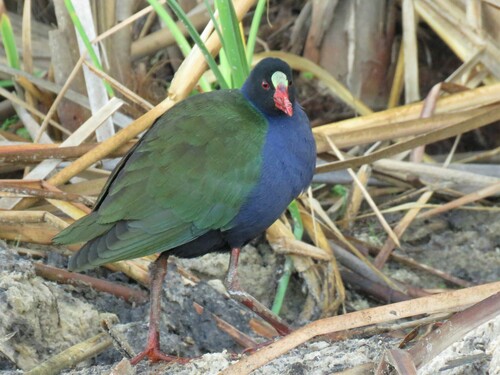
アフリカムラサキバン (Porphyrio alleni) アフリカムラサキバン
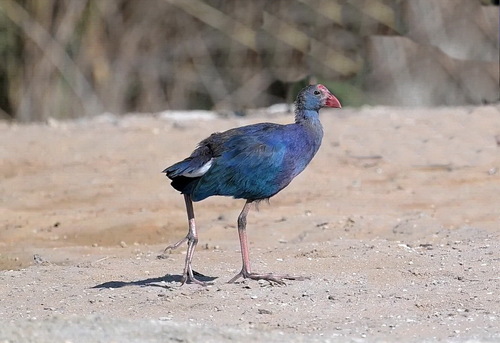
ハイガシラセイケイ (Porphyrio poliocephalus) ハイガシラセイケイ

メディア

読み込み中…

要点

アフリカムラサキバンとハイガシラセイケイの最も信頼できるフィールドマークはサイズです:ハイガシラセイケイははるかに大きく、ずんぐりした体型で、体が長く、くちばしが太いです。アフリカムラサキバンはコンパクトで、尾が短く、より繊細な体つきです。成鳥では、アフリカムラサキバンは緑がかった背中と紫の上面を示し、ハイガシラセイケイは灰青色から紫で、特徴的な淡い灰色の頭を持っています。未成熟のアフリカムラサキバンは砂色の茶色で、バフ色の尾の下部を持ち、決してセイケイの淡い灰色の頭を示しません。両者とも赤いくちばしと足を持っていますが、セイケイのくちばしははるかに太いです。飛行中または静止中は、サイズ、頭の色、全体的な構造に注目してください。

識別のコツ

  1. Size is the quickest separator: ハイガシラセイケイはアフリカムラサキバンよりもはるかに大きくずんぐりしています。小さくて繊細に見えるPorphyrioを見たら、それはおそらくアフリカムラサキバンです。
  2. Head color in adults: ハイガシラセイケイは淡い灰色の頭を持ち、遠くからでも簡単に見えます。アフリカムラサキバンは決して淡い頭を示しません;オスは青い前頭シールドを持ち、メスは緑のものを持ちますが、頭の残りは暗いです。
  3. Back and upperparts: 成鳥のアフリカムラサキバンは緑がかった背中と紫の上面を持ち、ハイガシラセイケイはより均一に灰青色から紫で、緑の背中がありません。
  4. Bill structure: 両種とも赤いくちばしを持っていますが、セイケイのくちばしははるかに太く、ずんぐりしており、大きな頭に合っています。アフリカムラサキバンのくちばしは短く、より繊細です。
  5. Legs and toes: 両者とも赤い足を持っていますが、アフリカムラサキバンの足はより細く、特に小さいサイズに対して長い指を持っています。
  6. Tail pattern: アフリカムラサキバンは白い下側と暗い中央のバーを持つ短い尾を持ち、泳いでいるときや歩いているときにしばしば振られ、見えます。セイケイの尾はコントラストが少なく、短くありません。
  7. Juvenile/immature plumage: 未成熟のアフリカムラサキバンは砂色の茶色でバフ色の尾の下部を持ち、青や灰色にはなりません。幼鳥のセイケイは常に青灰色や紫のいずれかの色合いで、決して砂色の茶色にはなりません。
  8. Behavior: アフリカムラサキバンは内気で秘密主義であり、特に頭を振る動きで泳いでいるのが見られます。セイケイはより大胆で、しばしば開けた場所を歩いているのが見られ、複雑な求愛行動を行います。
  9. Flight jizz: セイケイは飛行中に重くて遅く、広い翼とぶら下がった足を持っています。アフリカムラサキバンはより機敏で速く、コンパクトな輪郭を持っています。
  10. Habitat context: 密な葦の生い茂った湿地で小さなPorphyrioを見つけた場合、特に隠れている場合は、アフリカムラサキバンを疑ってください。開けた湿地やジールでは、特に南アジアでは、セイケイの可能性が高いです。
  11. Sex differences: アフリカムラサキバンでは、オスは青い前頭シールドを持ち、メスは緑を持っています。セイケイはフィールドでの性的二形性はあまり見られませんが、常に淡い灰色の頭を持っています。
  12. Seasonal context: アフリカムラサキバンは移動中や冬に見られる可能性が高く、繁殖中は非常に秘密主義です。セイケイは常駐しており、年間を通じて目に見えます。
  13. Vocalizations: アフリカムラサキバンは鋭い鼻音の「プルク」と呼び、セイケイの呼び声はより大きく多様で、クスクス音やうめき声があります。声は両方に精通している場合のみ使用してください。
  14. Pitfalls: 足の色やくちばしの色だけに頼らないでください。両方とも赤です。最初にサイズ、頭の色、背中の色を確認してください。
  15. Chick plumage: 両者の雛は黒い羽毛を持っているため、この年齢では区別できません。

大きさ

ハイガシラセイケイは大型の湿地の鳥で、約43 cmの長さに達します [wikipedia]。これはアフリカムラサキバンよりも明らかに大きく、アフリカムラサキバンはヨーロッパクイナよりわずかに大きいだけで、セイケイよりもはるかに小さいです。セイケイは重い体型で長い首と大きな頭を持っているように見えますが、アフリカムラサキバンはコンパクトで軽い体つきです。違いは遠くからでも明らかです:セイケイはアフリカムラサキバンを圧倒します。

羽色

未成熟のアフリカムラサキバンは全体が砂色の茶色で、バフ色の尾の下部を持ち、灰色や青の色合いはありません;これは、どの年齢のハイガシラセイケイの一貫した青灰色や紫の色合いとは非常に異なります。成鳥のアフリカムラサキバンは緑がかった背中と紫の上面を持ち、下側が白で中央に暗いバーがある短い尾を持っています。対照的に、ハイガシラセイケイの成鳥は灰青色から紫で、淡い灰色の頭と緑がかった翼を持ち、アフリカムラサキバンの緑の背中と紫の上面がありません。セイケイの頭は成鳥では常に淡い灰色ですが、アフリカムラサキバンは青(オス)または緑(メス)の前頭シールドを持ちますが、淡い頭はありません。両者とも赤い足を持っていますが、アフリカムラサキバンの足はより繊細です。幼鳥や未成熟のセイケイは若いアフリカムラサキバンの砂色の茶色を示しません。

行動

アフリカムラサキバンは秘密主義で、密な植生の中で隠れていることが多く、頭を振る動きで泳いでいるのが見られることが多いです。繁殖期には特に見えにくく、主に声が聞かれます。ハイガシラセイケイはより大胆で、開けた場所で見られることが多く、遅くて意図的な歩き方をし、水草をくちばしで使って求愛行動を行うこともあります。飛行中、セイケイは重くて遅く見えますが、アフリカムラサキバンはより速くて機敏です。

生息環境

両種は湿地や湿地帯に生息していますが、アフリカムラサキバンは密な湿地を好み、より秘密主義で、厚い植生の中に隠れていることが多いです。ハイガシラセイケイは開けた湿地、マシュやジールで見られる可能性が高く、しばしば開けた場所で餌を取っています。特に南アジアで長時間開けた場所にPorphyrioを見た場合、セイケイである可能性がはるかに高いです。

声

アフリカムラサキバンは鋭い鼻音の「プルク」と呼ぶ声を出し、繁殖期には一般的に騒がしいですが、しばしば見られるよりも聞かれることが多いです。ハイガシラセイケイも声があり、特に求愛中に大きなクスクス音を出します。呼び声は異なりますが、両者に精通していない限り、声は視覚的なマークよりも信頼性が低いです。

より良い説明を送る

比較と同じ項目を使ってください。文章はすぐに公開されます。

The most reliable field mark between Allen's Gallinule and Grey-headed Swamphen is size: Grey-headed Swamphen is much larger and bulkier, with a longer body and stouter bill. Allen's Gallinule is compact, with a short tail and a more delicate build. In adults, Allen's Gallinule shows a greenish back and purple upperparts, while Grey-headed Swamphen is greyish-blue to purple with a distinctive pale grey head. Immature Allen's Gallinule is sandy brown with a buff undertail, never showing the pale grey head of the swamphen. Both have red bills and legs, but the swamphen's bill is much thicker. In flight or at rest, focus on size, head color, and overall structure.

  1. Size is the quickest separator: Grey-headed Swamphen is much larger and bulkier than Allen's Gallinule. If you see a Porphyrio that looks small and delicate, it's likely Allen's Gallinule.
  2. Head color in adults: Grey-headed Swamphen has a pale grey head, easily seen even at a distance. Allen's Gallinule never shows a pale head; males have a blue frontal shield, females a green one, but the rest of the head is dark.
  3. Back and upperparts: Adult Allen's Gallinule has a greenish back and purple upperparts, while Grey-headed Swamphen is more uniformly greyish-blue to purple, lacking the green back.
  4. Bill structure: Both species have red bills, but the swamphen's is much thicker and stouter, matching its larger head. Allen's Gallinule's bill is shorter and more delicate.
  5. Legs and toes: Both have red legs, but Allen's Gallinule's are finer and more spindly, with especially long toes relative to its small size.
  6. Tail pattern: Allen's Gallinule has a short tail with a white underside and a dark central bar, often flicked and visible when swimming or walking. Swamphen's tail is less contrasting and not as short.
  7. Juvenile/immature plumage: Immature Allen's Gallinule is sandy brown with a buff undertail, never blue or grey. Juvenile swamphens are always some shade of blue-grey or purple, never sandy brown.
  8. Behavior: Allen's Gallinule is shy and secretive, often swimming with a distinctive head-nodding motion. Swamphens are bolder, often seen walking in the open and performing elaborate courtship displays.
  9. Flight jizz: Swamphens are heavy and slow in flight, with broad wings and dangling legs. Allen's Gallinule is more agile and quick, with a compact outline.
  10. Habitat context: If you find a small Porphyrio in dense, reedy swamps, especially skulking, suspect Allen's Gallinule. In open marshes or jheels, especially in South Asia, swamphen is more likely.
  11. Sex differences: In Allen's Gallinule, males have a blue frontal shield, females green. Swamphens show little sexual dimorphism in the field, but always have the pale grey head.
  12. Seasonal context: Allen's Gallinule is more likely to be seen on migration or in winter, as it is very secretive during breeding. Swamphens are resident and visible year-round.
  13. Vocalizations: Allen's Gallinule gives a sharp, nasal 'pruk'; swamphen calls are louder and more varied, with chuckles and grunts. Use voice only if you are familiar with both.
  14. Pitfalls: Do not rely on leg color or bill color alone, as both are red. Always check size, head color, and back color first.
  15. Chick plumage: Downy chicks of both are black, so not separable at this age.

Grey-headed Swamphen is a large wetland bird, reaching about 43 cm in length [wikipedia], making it noticeably bigger than Allen's Gallinule, which is only slightly larger than a Water Rail and much smaller than the swamphen. The swamphen appears heavy-bodied with a long neck and large head, while Allen's Gallinule is compact and lightly built. The difference is obvious even at a distance: swamphens dwarf gallinules.

Immature Allen's Gallinule is sandy brown overall with a buff undertail, lacking any grey or blue tones; this is very different from the consistently blue-grey or purple tones of Grey-headed Swamphen of any age. Adult Allen's Gallinule has a greenish back and purple upperparts, with a short tail that is white underneath with a dark central bar. In contrast, Grey-headed Swamphen adults are greyish-blue to purple with a pale grey head and greenish wings, lacking the gallinule's green back and purple upperparts. The swamphen's head is always pale grey in adults, while Allen's Gallinule has a blue (male) or green (female) frontal shield but not a pale head. Both have red legs, but Allen's Gallinule's are more delicate. Juvenile and immature swamphens do not show the sandy brown of young gallinules.

Allen's Gallinule is secretive, often skulking in dense vegetation and more likely to be seen swimming with head-nodding movements. It is especially elusive during the breeding season, when it is mostly heard. Grey-headed Swamphen is bolder, often seen in the open, walking with a slow, deliberate gait, and sometimes performing courtship displays with water weeds in the bill. In flight, the swamphen appears heavy and slow, while Allen's Gallinule is quicker and more agile.

Both species inhabit marshes and wetlands, but Allen's Gallinule prefers dense swamps and is more secretive, often hidden in thick vegetation. Grey-headed Swamphen is more likely to be seen in open wetlands, marshes, and jheels, often feeding in the open. If you see a Porphyrio out in the open for long periods, especially in South Asia, it is far more likely to be a swamphen.

Allen's Gallinule gives a sharp, nasal 'pruk' call and is generally noisy during the breeding season, though often heard rather than seen. Grey-headed Swamphen is also vocal, with loud chuckles, especially during courtship. The calls are different, but unless you are familiar with both, voice is less reliable than visual marks.

変更を破棄しますか?

保存していない編集があります。今離れると失われます。

アフリカムラサキバン · ハイガシラセイケイ · 苦手な鳥