

Motmot

コシジロアジサシ 対 エリグロアジサシ

Onychoprion aleuticus 対 Sterna sumatrana

コシジロアジサシとエリグロアジサシのクイズ
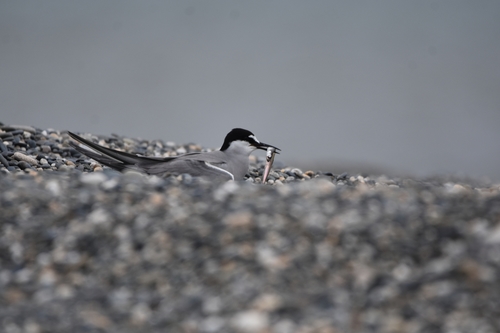
コシジロアジサシ (Onychoprion aleuticus) コシジロアジサシ
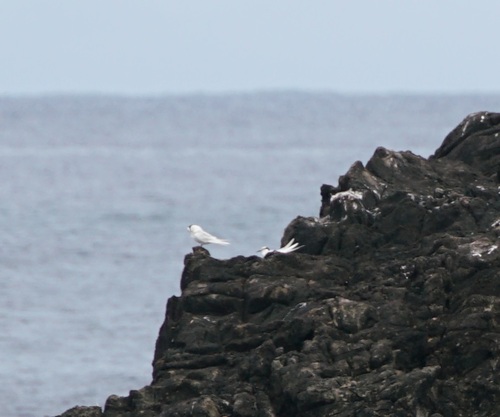
エリグロアジサシ (Sterna sumatrana) エリグロアジサシ

メディア

読み込み中…

要点

コシジロアジサシとエリグロアジサシの最も信頼できるフィールドマークは、コシジロアジサシの白い額(成鳥と幼鳥の両方)であり、エリグロアジサシの途切れのない黒い目のストライプと後頭部のバンドと対照的です。飛行中、コシジロアジサシ(特に成鳥)は二次羽に暗いバーを示しますが、エリグロアジサシの翼は淡い色で、最も外側の一次羽の端に狭い黒いエッジしかありません。両者ともに黒いくちばしと脚を持っていますが、コシジロアジサシはわずかに重く、全体的に暗く、薄暗い外観をしています。幼鳥のコシジロアジサシは特に混乱を招くことがありますが、彼らの白いカラーと額、さらに連続した黒い後頭部のバンドがないことが重要です。生息地も強い手がかりです:コシジロアジサシは亜北極に生息し、エリグロアジサシは厳密に熱帯/海洋に生息しています。

識別のコツ

  1. 白い額(成鳥のコシジロアジサシ): 繁殖羽の成鳥のコシジロアジサシは、黒い帽子と対照的な目立つ白い額を示します。エリグロアジサシは決して白い額を示さず、目から後頭部にかけて黒いバンドが途切れなく続きます。
  2. 幼鳥のコシジロアジサシ: 幼鳥のコシジロアジサシは白いカラーと広範な白い額を持ち、幼鳥のキョクアジサシと混同されることがありますが、エリグロアジサシとは混同されません。エリグロアジサシは両方の特徴を欠いています。
  3. 暗い二次羽のバー(コシジロアジサシ): 飛行中、成鳥のコシジロアジサシは二次羽(上翼)に強い暗いバーを示し、繁殖羽と非繁殖羽の両方に存在します。エリグロアジサシはこのバーを欠き、最も外側の一次羽の端に狭い黒いエッジしか示しません。
  4. 黒い後頭部のバンド(エリグロアジサシ): エリグロアジサシは、目から後頭部にかけての黒いバンドにちなんで名付けられています。コシジロアジサシの黒い帽子は後頭部のバンドを形成せず、代わりに白い額によって途切れています。
  5. くちばしと脚の色: 両種ともに黒いくちばしと脚を持っているため、これは有用な区別にはなりません。
  6. 腹部とマントル: コシジロアジサシは薄暗い中灰色のマントルと腹部を持っていますが、エリグロアジサシは全体的にクリーンな白で、翼とマントルには淡い銀灰色しかありません。
  7. 尾の形: 両者ともに深く分かれた白い尾を持っていますが、エリグロアジサシの尾は特に長く、止まっているときに翼の先端を大きく超えることがよくあります。コシジロアジサシの尾は長いですが、そこまで誇張されてはいません。
  8. 止まっている姿勢: 止まっているとき、エリグロアジサシの尾は翼の先端を顕著に超えて伸び、より細長い印象を与えます。コシジロアジサシの尾は長いですが、通常はそれほど目立ちません。
  9. 生息地の文脈: コシジロアジサシは亜北極のアラスカと東シベリアに生息し、熱帯の水域にはほとんど生息しません。エリグロアジサシは厳密に熱帯/亜熱帯および海洋に生息し、内陸や寒冷気候ではほとんど見られません。
  10. 幼鳥の落とし穴: 幼鳥のコシジロアジサシは成鳥の暗い二次羽のバーが欠けていることがありますが、白い額とカラーは示します。幼鳥のエリグロアジサシは詳細には記述されていませんが、これらの特徴を示す可能性は低いです。
  11. 非繁殖のコシジロアジサシ: 非繁殖羽では、コシジロアジサシは白い額を失いますが、暗い二次羽のバーは保持し、白い斑点のある冠を得ます。エリグロアジサシの頭のパターンは年間を通じて一貫しています。
  12. 飛行中の外観: 飛行中のコシジロアジサシは薄暗く見え、強い翼のバーと暗い腹部を持っています。エリグロアジサシはクリーンな白で、より銀色で、最も外側の一次羽には狭い黒いエッジしかありません。
  13. サイズ: コシジロアジサシはわずかに重く、長いですが、これは両種が並んで見られない限り明らかではありません。
  14. 採餌行動: コシジロアジサシは淡水の上で昆虫を捕まえる姿が見られることがありますが、特に幼鳥の場合です。エリグロアジサシはほぼ常に海水の上で見られます。
  15. 分布: 亜北極や熱帯の外で見られた場合、エリグロアジサシの方が圧倒的に可能性が高いです。コシジロアジサシは熱帯や暖かい水域の沖合では期待されません。

大きさ

コシジロアジサシはわずかに重く(112 g 対 106 g)、少し長い(32–39 cm 対 30–35 cm)で、翼幅も広い(75–80 cm 対 66 cm)です。フィールドでは、この違いは微妙で、診断的であることは稀です。両者は中型で長尾のアジサシです。両者ともに深く分かれた尾を持っていますが、エリグロアジサシの尾は体に対してさらに長く見えることが多く、止まっているときに翼の先端を大きく超えます。

羽色

幼鳥のコシジロアジサシは白いカラー、広範な白い額、白い腹部、白い外側のウェブを持つ灰色の尾を持っています。一般的に二次羽に明確な暗いバーは欠いていますが、成鳥(繁殖羽と非繁殖羽)は飛行中に二次羽に強い暗いバーを示します。エリグロアジサシは、すべての年齢で主に白く、目から後頭部にかけての狭い黒いバンド、淡い銀灰色の翼、白い尾を持っています。唯一の暗い翼のマークは、最も外側の一次羽の狭い黒いエッジです。コシジロアジサシの成鳥は、白い額を持つ黒い帽子、中灰色のマントル、薄暗い腹部、黒いくちばし/脚を持っていますが、エリグロアジサシの成鳥は全体的にクリーンな白で、額の斑点がなく、特徴的な黒い後頭部のバンドがあります。非繁殖のコシジロアジサシでは、白い額のバーが消えますが、二次羽のバーは残り、冠は白い斑点になります。エリグロアジサシのひなはまだらの茶色ですが、これはフィールドではほとんど見られません。

行動

両種は敏捷な飛行者であり、主に小魚を表面から捕食します。コシジロアジサシは淡水の池の上で昆虫を捕まえる姿が見られることがありますが、特に幼鳥の場合です。エリグロアジサシは非常に海洋性で、内陸ではほとんど見られず、しばしば岸から遠くで採餌します。コシジロアジサシは、岸近く、川の上、または潮の干潟で採餌している姿が見られることが多く、時には沖合50 kmまで見られます。両種ともに黒いくちばしと脚を持ち、どちらも強い泳ぎ手ではありません。飛行中、コシジロアジサシは薄暗く、より頑丈に見えることがありますが、エリグロアジサシはクリーンでより浮力があり、目立つ長い白い尾を持っています。

生息環境

コシジロアジサシは亜北極のアラスカと東シベリアで繁殖し、沿岸のコロニーを好み、浅い水域、川、潮の流れの上で採餌します。熱帯や亜熱帯の水域では決して見られません。エリグロアジサシは厳密に海洋性で、インド洋と西太平洋の熱帯および亜熱帯の地域に生息し、内陸ではほとんど見られません。熱帯や遠隔のサンゴ島にいる場合、エリグロアジサシの方がはるかに可能性が高いです。亜北極のアラスカやシベリアにいる場合、コシジロアジサシがデフォルトです。

より良い説明を送る

比較と同じ項目を使ってください。文章はすぐに公開されます。

The most reliable field mark between Aleutian Tern and Black-naped Tern is the Aleutian's white forehead (in adults and juveniles), contrasting with the Black-naped's uninterrupted black eye-stripe and nape band. In flight, Aleutian Tern (especially adults) shows a dark bar across the secondaries, while Black-naped Tern's wings are pale with only a narrow black edge on the outermost primary. Both have black bills and legs, but Aleutian Tern is slightly heavier and has a darker, duskier look overall. Juvenile Aleutian Terns can be especially confusing, but their white collar and forehead, plus lack of a continuous black nape band, are key. Habitat is also a strong clue: Aleutian Tern is subarctic, Black-naped is strictly tropical/oceanic.

  1. White Forehead (Adult Aleutian Tern): Adult Aleutian Tern in breeding plumage shows a conspicuous white forehead contrasting with a black cap. Black-naped Tern never shows a white forehead; its black band continues unbroken from the eye around the nape.
  2. Juvenile Aleutian Tern: Juvenile Aleutian Tern has a white collar and extensive white forehead, which can be confused with juvenile Arctic Tern but not with Black-naped Tern, which lacks both features.
  3. Dark Secondary Bar (Aleutian Tern): In flight, adult Aleutian Tern shows a strong dark bar across the secondaries (upperwing), present in both breeding and non-breeding plumages. Black-naped Tern lacks this bar, showing only a narrow black edge on the outermost primary.
  4. Black Nape Band (Black-naped Tern): Black-naped Tern is named for its black band from the eye around the nape, forming a continuous loop. Aleutian Tern's black cap does not form a nape band; instead, it is interrupted by the white forehead.
  5. Bill and Leg Color: Both species have black bills and legs, so this is not a useful separator.
  6. Underparts and Mantle: Aleutian Tern has duskier, mid-grey mantle and underparts (especially in breeding adults), while Black-naped Tern is cleaner white overall with only pale silvery-grey on the wings and mantle.
  7. Tail Shape: Both have deeply forked white tails, but Black-naped Tern's tail is especially long and often projects well beyond the wingtips when perched. Aleutian Tern's tail is long but not as exaggerated.
  8. Perched Posture: When perched, Black-naped Tern's tail extends noticeably past the wingtips, giving a more attenuated look. Aleutian Tern's tail is long but usually not as strikingly so.
  9. Habitat Context: Aleutian Tern is found in subarctic Alaska and eastern Siberia, rarely if ever in tropical waters. Black-naped Tern is strictly tropical/subtropical and oceanic, rarely seen inland or in cold climates.
  10. Juvenile Pitfalls: Juvenile Aleutian Tern may lack the adult's dark secondary bar, but still shows the white forehead and collar. Juvenile Black-naped Tern is not described in detail but is not likely to show these features.
  11. Non-breeding Aleutian Tern: In non-breeding plumage, Aleutian Tern loses the white forehead, but retains the dark secondary bar and gains a white-speckled crown. Black-naped Tern's head pattern remains consistent year-round.
  12. Flight Appearance: Aleutian Tern in flight appears duskier, with a strong wing bar and darker underparts; Black-naped Tern is cleaner white and more silvery, with only a narrow black edge to the outermost primary.
  13. Size: Aleutian Tern is slightly heavier and longer, but this is rarely obvious unless both species are seen side by side.
  14. Foraging Behavior: Aleutian Tern may be seen hawking insects over freshwater, especially juveniles; Black-naped Tern is almost always seen over saltwater.
  15. Range: If seen outside the subarctic or in the tropics, Black-naped Tern is vastly more likely. Aleutian Tern is not expected in the tropics or far offshore in warm waters.

Aleutian Tern averages slightly heavier (112 g vs. 106 g) and is a bit longer (32–39 cm vs. 30–35 cm), with a broader wingspan (75–80 cm vs. 66 cm). In the field, this difference is subtle and rarely diagnostic, as both are medium-sized, long-tailed terns. Both have deeply forked tails, but Black-naped's tail often appears even longer relative to its body, extending well past the wingtips when perched.

Juvenile Aleutian Tern has a white collar, extensive white forehead, white underparts, and a gray tail with white outer webs. It generally lacks a clear dark bar on the secondaries, but adults (breeding and non-breeding) show a strong dark bar across the secondaries in flight. Black-naped Tern, at all ages, is mostly white with a narrow black band from the eye around the nape, pale silvery-grey wings, and a white tail. Its only dark wing mark is a narrow black edge on the outermost primary. Aleutian Tern adults have a black cap with a white forehead, mid-grey mantle, duskier underparts, and black bill/legs, while Black-naped adults are cleaner white overall, with no forehead patch and a distinctive black nape band. In non-breeding Aleutian Tern, the white forehead bar disappears, but the secondary bar remains, and the crown becomes white-speckled. Black-naped Tern hatchlings are mottled brown, but this is rarely seen in the field.

Both species are agile flyers and feed mainly by surface-dipping for small fish. Aleutian Tern may also hawk insects over freshwater ponds, especially juveniles. Black-naped Tern is highly oceanic, rarely seen inland, and often forages far from shore. Aleutian Tern is more likely to be seen foraging nearshore, over rivers, or tidal flats, sometimes up to 50 km offshore. Both species have black bills and legs, and neither is a strong swimmer. In flight, Aleutian Tern may appear duskier and more robust, while Black-naped Tern looks cleaner and more buoyant, with a strikingly long white tail.

Aleutian Tern breeds in subarctic Alaska and eastern Siberia, favoring coastal colonies and foraging over shallow waters, rivers, and tidal rips. It is never found in tropical or subtropical waters. Black-naped Tern is strictly oceanic, found in tropical and subtropical parts of the Indian and western Pacific Oceans, and is rarely seen inland. If you are in the tropics or on a remote coral island, Black-naped is far more likely; if in subarctic Alaska or Siberia, Aleutian is the default.

変更を破棄しますか?

保存していない編集があります。今離れると失われます。

コシジロアジサシ · エリグロアジサシ · 苦手な鳥