

Motmot

ハラジロバト 対 ニジェリバト

Columba unicincta 対 Columba iriditorques

ハラジロバトとニジェリバトのクイズ
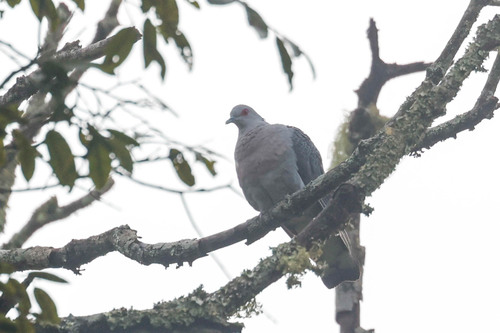
ハラジロバト (Columba unicincta) ハラジロバト
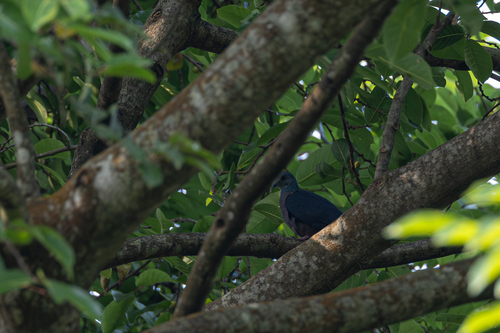
ニジェリバト (Columba iriditorques) ニジェリバト

メディア

読み込み中…

要点

アフェップバトとニジェリバトを区別する最も信頼できるフィールドマークはサイズです:アフェップははるかに大きくてがっしりしており、淡い灰色の首とピンクがかった灰色の体を持っています。一方、ニジェリバトは明らかに小さく、暗い青灰色またはシナモン色の冠を持ち、着地時に広い淡い尾帯が見えます。両種は淡い尾帯を持っていますが、アフェップの尾帯は黒っぽい先端を持つ広い白いバーであり、ニジェリバトの尾帯は淡い終端帯です。性別と年齢の違いはニジェリバトでより顕著であり、特に雌の赤みがかった冠と栗色の腹部が目立ちます。飛行中または止まっているときは、全体の体格、羽毛の色調、尾のパターンが重要です。鳴き声は異なりますが、両方とも大きくて特徴的です。

識別のコツ

  1. サイズは最も早いチェック:アフェップバトはニジェリバトよりもはるかに大きくて重いです。もしその鳥がバトとしては大きくてがっしりしているように見えたら、アフェップを疑ってください。
  2. 尾帯のパターン:アフェップバトは尾に黒っぽい先端を持つ広い白いバーを示します;ニジェリバトは淡い広い終端尾帯を持ち、特に着地時に目立ちます。アフェップの黒っぽい先端に注意してください、これはニジェリバトにはありません。
  3. 羽毛の色調:アフェップは全体的に淡い灰色からピンクがかった灰色で、淡い後ろ首と白い腹部を持っています;ニジェリバトは暗く、オスは青灰色の頭とワイン色の腹部を示し、メスはシナモン色の冠と栗色の腹部を持っています。
  4. 性差:アフェップの性別は似ています;ニジェリバトの雌はオスとは明らかに異なり、赤褐色の冠と栗色の腹部を持っています。これを見たら、それはアフェップではありません。
  5. 目と眼窩環:アフェップは赤い目と眼窩環を持ち、近距離での微妙だが有用なマークです。ニジェリバトにはそのような特徴は記載されていません。
  6. 頭と首:アフェップは淡い灰色の後ろ首を持ち、ニジェリバトのオスは暗い青灰色の頭を持っています;メスはシナモン色の冠を持っています。
  7. 腹部:アフェップの腹部は白(喉と腹)で、ニジェリバトの暗いワイン色または栗色の腹部と対照的です。
  8. 飛行の印象:アフェップの飛行はそのサイズのために重くて遅いです;ニジェリバトはより敏捷で速いです。
  9. 着地時の視点:ニジェリバトの淡い尾帯は着地時に最も明らかです;アフェップでは白いバーと黒い先端を探してください。
  10. 声:もし「ドゥードゥー」や「フー フー フー フー-フー」という大きな声を聞いたら、それはアフェップです。ニジェリバトの鳴き声はここでは記載されていません。
  11. 生息地の重複:両方ともアフリカの森林に生息することがあるので、片方の種の範囲外でない限り、場所だけに頼らないでください。
  12. 体格と姿勢:止まっているアフェップは、よりがっしりして首が太く見えるでしょう。
  13. 性別/年齢の混乱:もし赤褐色の冠と栗色の腹部を見たら、それは雌のニジェリバトであり、未熟なアフェップではありません。
  14. 特徴的な幼鳥の翼のパターンはない:どちらの種も独自の幼鳥の上翼マークは記載されていないので、尾と体の色に焦点を当ててください。
  15. 疑わしい場合、サイズと尾のパターンが最も安全:色をうまく判断できない場合は、全体のサイズと黒っぽい尾先端の有無(アフェップ)と、きれいな淡い終端帯(ニジェリバト)を使用してください。

大きさ

アフェップバトはかなり大きくて重く、長さは35〜36 cm、重さは356〜490 gです(AVONETの値はありませんが、WikipediaとWikidataはこの範囲で一致しています)。ニジェリバトははるかに小さく、約25 cmの長さで、重さはわずか122〜130 gです。距離があっても、アフェップはがっしりしていてより頑丈に見え、ニジェリバトは中型でより繊細です。このサイズの違いは、特に両種が一緒に出現する可能性がある場合、最も即時かつ信頼できる区別です。

羽色

どちらの種についても年齢特有の上翼や飛行パターンは尾帯を超えて記載されていませんが、これは依然として有用です:すべての年齢のアフェップバトは黒っぽい先端を持つ広い白い尾バーを示し、ニジェリバトは淡い広い終端尾帯を持ち、着地時に最も目立ちます。成鳥のアフェップバトは全体的にピンクがかった灰色で、淡い灰色の後ろ首と白い喉と腹を持ち、暗い灰色の翼と対照的です;目と眼窩環は赤です。成鳥のニジェリバトのオスは暗い青灰色の頭と暗いワイン色の腹部と胸を持ち、メスはシナモン色の赤褐色の冠と灰色がかった栗色の腹部を持っています。アフェップでは性別は似ていますが、ニジェリバトは明確な性差を示します。両方とも淡い尾帯を示すことがありますが、アフェップの羽毛は全体的にかなり淡くて灰色であり、ニジェリバトはより暗くてカラフルです。

行動

両種はアフリカの森林のバトであり、止まっているか飛んでいるのを見ることができますが、アフェップの大きなサイズはそれに遅くて重い飛行と、止まっているときのより鈍重な印象を与えます。ニジェリバトは小さいため、飛行中や枝の上でより敏捷で、あまりがっしりしていないように見えるでしょう。ニジェリバトの淡い尾帯は、鳥が着地する際に特に目立ちます。

生息環境

アフェップバトはシエラレオネからウガンダまでのアフリカ熱帯雨林に生息し、密な森林を好みます。ニジェリバトはアフリカのほとんどの国に見られ、森林の生息地でも見られます。生息地にはかなりの重複があるため、文脈だけでは診断できませんが、アフェップは深い熱帯雨林により厳密に結びついている可能性があり、ニジェリバトはより広範囲の森林地域で見られることがあります。

声

アフェップバトは「ドゥードゥー」または「フー フー フー フー-フー」と表現される大きくて繰り返しの鳴き声を持っています。これらのメモにはニジェリバトの鳴き声の記述はありませんが、両方とも大きいと言われています。アフェップの特徴的な鳴き声を聞いたら、それは診断的です。

より良い説明を送る

比較と同じ項目を使ってください。文章はすぐに公開されます。

The most reliable field mark to separate Afep Pigeon from Western Bronze-naped Pigeon is size: Afep is much larger and bulkier, with a pale grey neck and pinkish-grey body, while Western Bronze-naped is distinctly smaller and shows a dark bluish-grey or cinnamon crown with a broad pale tail band visible on landing. Both species have pale tail bands, but the Afep's is a broad white bar with a blackish tip, while the Bronze-naped's is a pale terminal band. Sex and age differences are more pronounced in Western Bronze-naped, especially the female's reddish crown and chestnut underparts. In flight or perched, overall bulk, plumage tone, and tail pattern are key. Vocalizations differ, but both are loud and distinctive if heard.

  1. Size is the quickest check: Afep Pigeon is much larger and heavier than Western Bronze-naped. If the bird looks big and bulky for a pigeon, suspect Afep.
  2. Tail band pattern: Afep Pigeon shows a broad white bar with a blackish tip on the tail; Western Bronze-naped has a pale, broad terminal tail band, especially visible when landing. Watch for the blackish tip in Afep, which is lacking in Western Bronze-naped.
  3. Plumage tone: Afep is overall pale grey to pinkish-grey with a pale hind neck and white underparts; Western Bronze-naped is darker, with males showing a bluish-grey head and vinous underparts, and females with a cinnamon crown and chestnut underparts.
  4. Sexual dimorphism: Afep sexes are similar; Western Bronze-naped females are distinctly different from males, with reddish-brown crown and chestnut underparts. If you see this, it's not Afep.
  5. Eye and orbital ring: Afep has red eyes and orbital rings, a subtle but useful mark at close range. No such feature is noted for Western Bronze-naped.
  6. Head and neck: Afep has a pale grey hind neck, while Western Bronze-naped males have a dark bluish-grey head; females have a cinnamon crown.
  7. Underparts: Afep's underparts are white (throat and belly), contrasting with the darker vinous or chestnut underparts of Western Bronze-naped.
  8. Flight jizz: Afep's flight is heavier and slower due to its size; Western Bronze-naped is more agile and quick.
  9. Landing view: The pale tail band of Western Bronze-naped is most obvious as it lands; in Afep, look for the white bar and black tip.
  10. Voice: If you hear a loud "doo doo doo" or "whu whu whu whu-WHU", it's Afep. Western Bronze-naped's call is not described here.
  11. Habitat overlap: Both can occur in African forests, so do not rely on location alone unless you are outside the range of one species.
  12. Bulk and posture: Perched Afep will look more robust and thick-necked than the slimmer Western Bronze-naped.
  13. Sex/age confusion: If you see a reddish-brown crown and chestnut underparts, it's a female Western Bronze-naped, not an immature Afep.
  14. No distinctive juvenile wing pattern: Neither species is described with unique juvenile upperwing marks, so focus on tail and body color.
  15. When in doubt, size and tail pattern are safest: If you cannot judge color well, use overall size and the presence or absence of the blackish tail tip (Afep) versus a clean pale terminal band (Western Bronze-naped).

Afep Pigeon is substantially larger and heavier, measuring 35–36 cm in length and weighing 356–490 g (no AVONET value, but Wikipedia and Wikidata agree on this range). Western Bronze-naped Pigeon is much smaller, about 25 cm long and weighing only 122–130 g. Even at a distance, Afep appears bulkier and more robust, while Western Bronze-naped is medium-sized and more delicate. This size difference is the most immediate and reliable separation, especially when both species could occur together.

No age-specific upperwing or flight pattern is described for either species beyond the tail band, but this is still useful: Afep Pigeon of all ages shows a broad white tail bar with a blackish tip, while Western Bronze-naped Pigeon has a pale, broad terminal tail band, most noticeable when landing. Adult Afep Pigeon is overall pinkish-grey with a pale grey hind neck and white throat and belly, contrasting with dark grey wings; the eye and orbital ring are red. Western Bronze-naped Pigeon adult males have a dark bluish-grey head and dark vinous belly and breast, while females have a cinnamon-reddish brown crown and greyish chestnut underparts. The sexes are similar in Afep, but Western Bronze-naped shows clear sexual dimorphism. Both can show pale tail bands, but the rest of the plumage is much paler and greyer in Afep, darker and more colorful in Western Bronze-naped.

Both species are pigeons of African forests and may be seen perched or flying, but the Afep's larger size gives it a slower, heavier flight and a more ponderous jizz when perched. Western Bronze-naped Pigeon, being smaller, is likely to appear more agile and less bulky in flight and on branches. The pale tail band of Western Bronze-naped is especially noticeable as the bird lands.

Afep Pigeon is native to the African tropical rainforest from Sierra Leone east to Uganda, favoring dense forest. Western Bronze-naped Pigeon is found in most countries of Africa, also in forested habitats. There is considerable overlap in habitat, so context alone is not diagnostic, but Afep may be more strictly tied to deep rainforest, while Western Bronze-naped can be found in a wider range of wooded areas.

Afep Pigeon has a loud, repetitive call described as "doo doo doo" or "whu whu whu whu-WHU". No vocal description is given for Western Bronze-naped Pigeon in these notes, but both are said to be loud. If you hear the Afep's distinctive call, it is diagnostic.

変更を破棄しますか?

保存していない編集があります。今離れると失われます。

ハラジロバト · ニジェリバト · 苦手な鳥