

Yellow-crowned Night Heron vs Nitticora
Nyctanassa violacea contro Nycticorax nycticorax
Fai un quiz con Yellow-crowned Night Heron e Nitticora
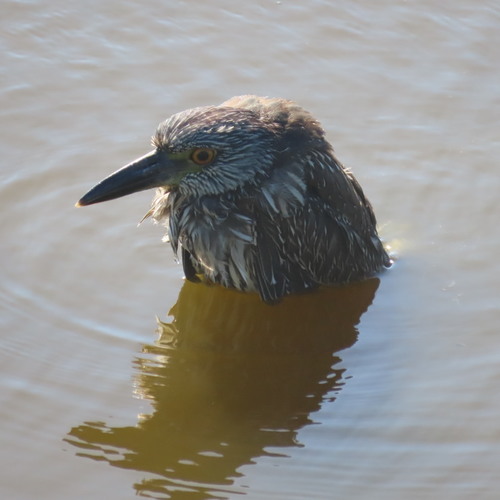 Yellow-crowned Night Heron
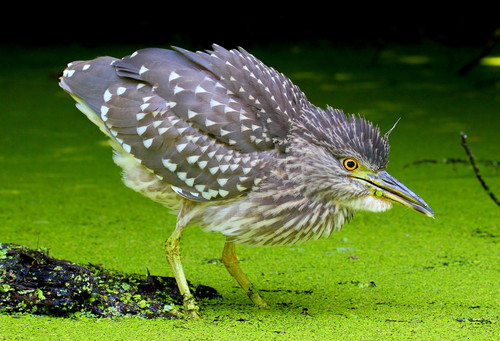 Nitticora
In breve
I giovani Nitticore e Yellow-crowned Night Herons sono notoriamente simili, ma un'attenta attenzione alla forma della testa e del becco, alla lunghezza delle gambe e al motivo e alla finezza di macchie e striature può separarli. Gli uccelli adulti sono più semplici: il Yellow-crowned mostra un volto nero e bianco sorprendente con una corona gialla pallida, mentre il Nitticora ha un cappuccio e una schiena neri solidi con ali grigie pallide e parti inferiori bianche. Anche la struttura è utile: il Yellow-crowned ha gambe più lunghe e un becco più pesante, spesso in posizione più eretta. Entrambe le specie possono mostrare cambiamenti di colore legati al corteggiamento nelle gambe e nelle piume della testa, ma questi differiscono nei dettagli. La separazione sul campo è più difficile con gli immaturi, specialmente in volo, quindi concentrati sui segni strutturali e di piumaggio più coerenti.
Consigli di identificazione
- Motivo delle ali e della schiena dei giovani: Cerca la dimensione e la forma delle macchie chiare: il Yellow-crowned ha striature e macchie più fini e strette, mentre il Nitticora mostra macchie 'a goccia' più grandi e arrotondate. Questo è più utile nei giovani freschi e negli uccelli di primo inverno.
- Motivo della testa e del volto (adulti): L'adulto Yellow-crowned ha una distintiva striscia di corona gialla pallida e un volto a strisce orizzontali nero-bianco-nero-bianco; il Nitticora ha un cappuccio nero solido e un volto bianco a grigio pallido senza forti striature.
- Forma del becco: Il Yellow-crowned di tutte le età ha un becco più pesante e profondo, particolarmente evidente di profilo. Il becco del Nitticora è più corto e più affusolato.
- Lunghezza e colore delle gambe: Le gambe del Yellow-crowned sono più lunghe e gialle (che diventano corallo/rosa/rosse durante il corteggiamento); le gambe del Nitticora sono più corte e giallastre, diventando rosa salmone durante la stagione di riproduzione. Questo è più evidente quando gli uccelli sono in piedi o in cerca di cibo.
- Postura e jizz: Il Yellow-crowned spesso sta in piedi alto e dritto, specialmente quando è all'erta; il Nitticora è più probabile che appaia curvo, con un collo più corto e un corpo compatto.
- Colore degli occhi: Entrambe le specie hanno occhi rossi o arancioni da adulti, ma i giovani del Nitticora hanno occhi arancioni, mentre quelli del Yellow-crowned sono più scuri.
- Piume della testa (adulti in riproduzione): Entrambe le specie sviluppano lunghe piume bianche durante il corteggiamento, ma le piume del Yellow-crowned sono più sottili e si estendono dalla corona, mentre quelle del Nitticora provengono dalla parte posteriore della testa.
- Colore delle parti inferiori (adulti): Il Nitticora ha parti inferiori bianche; il Yellow-crowned è più uniformemente grigio-blu sotto.
- Motivo dell'ala superiore in volo (giovani): Se visibile, controlla le macchie più fini e distribuite uniformemente del Yellow-crowned rispetto alle macchie pallide più grandi e irregolari del Nitticora.
- Contesto dell'habitat: Nelle paludi salmastre costiere o nelle pianure di marea ricche di granchi, è più probabile trovare il Yellow-crowned; nelle zone umide interne, ci si aspetta di più il Nitticora, anche se entrambi possono sovrapporsi.
- Comportamento a riposo: Il Yellow-crowned è spesso visto in piedi in aperto, a volte su posatoi esposti; il Nitticora preferisce riposare in copertura densa ed è meno evidente durante il giorno.
- Cambiamenti di colore durante il corteggiamento: Le gambe di entrambe le specie cambiano colore durante la stagione di riproduzione, ma le sfumature differiscono (corallo/rosa/rosso nel Yellow-crowned, rosa salmone nel Nitticora), e la pelle nuda attorno agli occhi del Nitticora diventa blu.
- Progressione dell'età: Entrambe le specie impiegano diversi anni per raggiungere il piumaggio adulto, ma il Yellow-crowned rimane più finemente marcato e eretto durante l'immaturità.
- Distribuzione geografica: Il Nitticora è ampiamente diffuso a livello globale; il Yellow-crowned è ristretto alle Americhe. In Eurasia o Africa, un nitticora è quasi certamente un Nitticora.
- Trappole di piumaggio: Gli uccelli immaturi di entrambe le specie possono essere molto simili: usa una combinazione di struttura, motivo delle macchie e habitat per i migliori risultati. Nessun segno singolo è infallibile in tutte le condizioni, specialmente a distanza o in scarsa illuminazione.
Taglia
Gli adulti Nitticora sono leggermente più pesanti in media (massa corporea ~636g [wikidata]), e appaiono più robusti con gambe più corte e un collo più corto e spesso. Gli Yellow-crowned Night Herons sono un po' più snelli, con gambe più lunghe e un becco più pesante e profondo. Sul campo, il Yellow-crowned spesso appare più alto e più eretto, mentre il Nitticora appare più compatto e curvo, specialmente quando è posato.
Piumaggio
Per i giovani e gli immaturi (la fonte di confusione più frequente):
- Giovane Yellow-crowned Night Heron: Mostra un corpo marrone con macchie e striature chiare fini e strette, specialmente sulle ali e sulla schiena. La testa è complessivamente grigia e opaca, priva di forte contrasto. Il becco è pesante e profondo, e le gambe sono relativamente lunghe e giallastre. La postura è spesso più eretta.
- Giovane Nitticora: Grigio-marrone più opaco nel complesso, con macchie pallide 'a goccia' più grandi e arrotondate sulle ali e sulla schiena. Le parti inferiori sono più chiare e striate di marrone. Il becco è più corto e meno profondo, e le gambe sono più corte e giallastre-verdi. La postura è tipicamente più curva.
Gli adulti sono molto più facili:
- Adulto Yellow-crowned Night Heron: Corpo e schiena grigio-blu lisci con un motivo di ali a squame nere. La testa è nera e lucida con guance bianche e una striscia di corona gialla pallida, creando un volto a strisce orizzontali nero-bianco-nero-bianco. Lunghe e sottili piume bianche si estendono dalla corona durante la stagione di riproduzione. Il becco è nero e spesso; gli occhi sono arancioni scuri o rossi; le gambe sono gialle (che diventano corallo, rosa o rosse durante il corteggiamento).
- Adulto Nitticora: Cappuccio e schiena neri, ali grigie pallide e parti inferiori bianche. Gli occhi sono rossi, le gambe corte e gialle (che diventano rosa salmone durante il corteggiamento), e da due a quattro lunghe piume bianche si estendono dalla parte posteriore della testa durante la stagione di riproduzione. Il volto non presenta il motivo a strisce del Yellow-crowned, mostrando invece un cappuccio nero solido.
Gli uccelli di secondo e terzo anno di entrambe le specie mostrano piumaggi intermedi, avvicinandosi gradualmente all'aspetto adulto ma privi di piume complete sulla testa e contrasti netti.
Comportamento
I Nitticora tendono a stare più eretti e appaiono con gambe più lunghe, specialmente quando sono all'erta o in cerca di cibo. Gli Yellow-crowned Night Herons sono più propensi a essere visti in una postura curva, con il collo ritratto e il corpo che appare compatto. Entrambe le specie sono crepuscolari o notturne, spesso riposando durante il giorno e nutrendosi al crepuscolo o di notte. In volo, il Yellow-crowned può apparire leggermente più lungo e angolare a causa delle proporzioni di gambe e becco, ma questo è sottile.
Habitat
Entrambe le specie possono essere trovate in habitat umidi, ma gli Yellow-crowned Night Herons sono più strettamente associati ad aree costiere, paludi salmastre e habitat dove granchi e crostacei sono abbondanti. I Nitticora hanno un'area di distribuzione molto più ampia, comprese zone umide interne, laghi, fiumi e persino parchi urbani. Nelle Americhe, entrambi possono sovrapporsi, ma il contesto può aiutare: il Yellow-crowned è più probabile nelle ambienti di marea e salmastri.
Yellow-crowned Night Heron · Nitticora · I miei uccelli difficili